Is Alcohol Toxic to Dogs? Ethanol, Sugar Alcohols, and Risks
By Dr. Zubair Khalid, DVM, MS, PhD ·
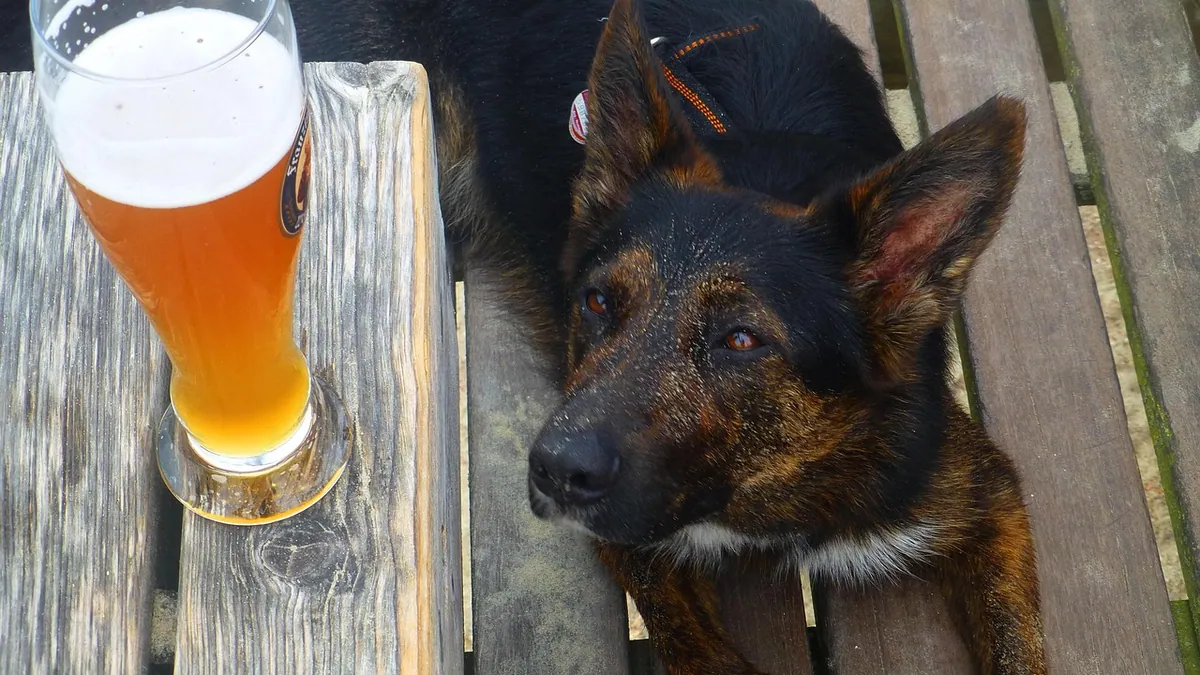
Yes, alcohol is harmful to dogs, and even a small amount can cause serious poisoning. Dogs are much smaller than people and clear alcohol from their bodies slowly, so a few laps of beer or a mouthful of wine can be a real emergency. This article explains how much is dangerous, why sugar alcohols like xylitol are worse, and what to do if your dog laps beer, wine, or hand sanitizer.
This article is educational and is not a substitute for veterinary diagnosis or treatment.
Quick Answer
- Alcohol is toxic to dogs. Ethanol is the ingredient that makes alcoholic drinks, hand sanitizers, and raw bread dough dangerous [1].
- Small dogs are at the greatest risk because their bodies are quickly overwhelmed by even small amounts of alcohol [2].
- Sugar alcohols are a separate and often more serious problem. Xylitol can cause dangerous low blood sugar and liver injury in dogs [3].
- If your dog drank alcohol or ate a product containing it, call your veterinarian, the ASPCA Animal Poison Control Center at (888) 426-4435, or Pet Poison Helpline at (855) 764-7661 right away.
- Do not make your dog vomit unless a veterinarian tells you to.
Is Alcohol Harmful to Dogs?
Yes. Alcohol is harmful to dogs, and there is no safe amount you can casually offer. Your dog's digestive system is not built to process alcohol, and their small body size means the ability to break down and clear alcohol is quickly overwhelmed, which leads to poisoning [4].
The short answer to whether dogs should drink alcohol is no [4]. That includes beer, wine, liquor, and mixed drinks. It also includes products you might not think of as drinks, such as rum-soaked cakes, unbaked desserts made with alcohol, and raw yeast dough [2]. If you want the full picture on drinks specifically, see Can Dogs Drink Alcohol?.
Which Products Contain Alcohol?
Alcohol hides in more places than the liquor cabinet. Common sources include:
- Beer, wine, and spirits
- Rum-soaked cakes and other unbaked desserts containing alcohol [2]
- Raw yeast bread dough, which produces alcohol as a byproduct as it rises [2]
- Hand sanitizers and alcohol-based gels [1]
- Rubbing alcohol and antifreeze, which should always be kept away from dogs [4]
Grapes and hops are also among the most dangerous ingredients in alcoholic drinks for dogs [4]. If your dog ate grapes or raisins, that is a separate poisoning concern, and you can read more in How Many Grapes Cause Toxicity In Dogs.
What About "Alcohol Denat" and Rubbing Alcohol?
Alcohol denat, or denatured alcohol, is ethanol that has been made undrinkable by adding other chemicals. The ethanol is still the toxic part for your dog. Rubbing alcohol and antifreeze should be avoided as well [4]. If a product lists ethanol, ethyl alcohol, isopropyl alcohol, or denatured alcohol, treat it as a poison risk and keep it out of reach.
The Toxic Principle: What Alcohol Does in the Body
Ethanol is the substance that makes alcoholic drinks dangerous to pets, and its effects can be masked by other ingredients that make a product taste appealing [1]. Once swallowed, alcohol is absorbed quickly. In as little as 30 minutes, your dog can show signs of intoxication and potentially alcohol poisoning [4].
Alcohol depresses the nervous system. That is why a drunk dog may look wobbly, sleepy, or confused. In serious cases, the depression can affect breathing and blood pressure. Alcohol poisoning in dogs can cause neurological depression, hypothermia (low body temperature), hypotension (low blood pressure), seizures, and respiratory failure [2].
Why Sugar Alcohols Like Xylitol Are Worse
Sugar alcohols are not the same as ethanol, and xylitol deserves special attention. Xylitol is a common sugar substitute in sugar-free gum, candy, baked goods, and some peanut butters. In dogs, xylitol can cause a rapid and severe drop in blood sugar, and it can also injure the liver.
In a study of 95 dogs evaluated after xylitol ingestion, 47 dogs (49.5%) developed a hepatopathy, which is a liver problem, while 48 dogs (50.5%) did not [3]. No dog in that group developed evidence of hepatic failure [3]. That is reassuring, but it does not make xylitol safe. The dose of xylitol a dog swallows matters, and your veterinarian will calculate the risk based on your dog's weight and the amount eaten.
If you are sorting through what is and is not safe in your kitchen, What Foods Are Toxic To Dogs List is a useful companion to this article.
Signs of Alcohol Poisoning in Dogs and Their Timeline
Signs can start within about 30 minutes of ingestion [4]. They range from mild impairment to full alcohol poisoning [4].
Common signs include:
- Alcohol smell on the breath [2]
- Wobbling, unsteadiness, or a "drunk" walk
- Sleepiness, confusion, or depression [2]
- Vomiting
- Low body temperature [2]
- Low blood pressure [2]
- Seizures [2]
- Trouble breathing or respiratory failure [2]
There are other risks beyond the alcohol itself. If your dog vomits while intoxicated and then breathes the vomit in, aspiration pneumonia can develop [4]. If a liquid containing alcohol splashes into the eyes, it can cause eye irritation and ulcers [4]. If an alcohol-based product sits on your dog's skin, it can cause skin irritation along with other symptoms [4].
When Signs Get Worse
Small dogs and puppies can decline fast because even small amounts of alcohol can cause life-threatening toxicity [2]. If your dog is small, very young, or already has health problems, treat any alcohol exposure as urgent.
What to Do Right Now If Your Dog Drank Alcohol
Stay calm and act quickly. If you know or think your dog ingested any amount of alcohol, contact your veterinarian or a poison control hotline right away for guidance [1].
Your options are:
- Your own veterinarian or the nearest emergency veterinary hospital
- ASPCA Animal Poison Control Center at (888) 426-4435
- Pet Poison Helpline at (855) 764-7661
Be ready to tell them what your dog got into, how much, and when. If you have the container, keep it so you can read the label.
Do not induce vomiting unless a veterinarian tells you to. Depending on how much time has passed since the exposure, your veterinarian may want to induce vomiting to remove alcohol still in the stomach [1]. That decision belongs to a veterinarian, because vomiting can be dangerous in some situations.
Do not give your dog food, coffee, or any home remedy to "sober them up." There is no home fix for alcohol poisoning.
Veterinary Treatment for Alcohol Poisoning in Dogs
Your veterinarian will likely recommend hospitalization to provide supportive care, monitor blood glucose, and closely watch your dog's recovery [1]. Treatment may include intravenous dextrose (sugar), IV fluids, warming measures, and in-hospital monitoring [2].
If xylitol is involved, the approach is different because the main threats are low blood sugar and liver injury. Your veterinarian will check blood glucose and other values and decide on treatment based on your dog's specific situation [3].
The good news is that the prognosis for ethanol poisoning is excellent with proper care and early treatment [1]. That is why calling right away matters so much.
Outlook After Alcohol Exposure
Most dogs recover well when they get prompt veterinary care [1]. The dogs that do worst are usually the ones who are small, who swallowed a large amount relative to their size, or who went untreated for a long time.
If your dog needed treatment, ask your veterinarian what to watch for at home afterward. Some dogs may need a follow-up visit, especially if liver values were abnormal.
Prevention and Safer Alternatives
Prevention is simple and effective. Keep all alcohol, hand sanitizer, rubbing alcohol, antifreeze, and sugar-free products with xylitol locked away or out of reach. Clear the table after parties, and remember that rum-soaked desserts and rising bread dough are risks too [2].
If you want to give your dog a special treat, skip the alcohol entirely. Fresh water, dog-safe broth, or a dog-specific treat are better choices. If you are ever unsure whether a food or product is safe, ask your veterinarian or a poison control hotline before offering it.
Some toxins are more surprising than others. If you are curious about other household hazards, Are Tarantulas Poisonous to Dogs? Understanding the Risks covers a very different kind of exposure. Chocolate is another common one, and How Much Chocolate Can Be Toxic To Dogs explains the details.
Limitations and When to Contact a Veterinarian
This article gives general guidance, but every dog is different. Individual cases need a veterinarian who can examine your dog, ask about the exposure, and decide on treatment.
Contact a veterinarian the same day if your dog licked a small amount of alcohol and seems completely normal. It is still worth a call, because signs can appear within about 30 minutes [4] and small dogs can decline quickly [2].
Go to an emergency veterinary hospital now if your dog is wobbly, very sleepy, vomiting, breathing oddly, having seizures, or feels cold to the touch. These are signs of alcohol poisoning and need immediate care [2].
Schedule a routine visit if your dog had a mild exposure and recovered, but you want blood work checked. Your veterinarian can decide whether monitoring or follow-up testing is needed.
Frequently Asked Questions
Can a dog get drunk from beer?
Yes, a dog can get drunk from beer, and it can progress to poisoning. Ethanol is the ingredient that makes alcoholic drinks dangerous to pets [1]. Because dogs are small and clear alcohol slowly, their system is quickly overwhelmed [4].
Is a little bit of wine dangerous for a dog?
Even small amounts of alcohol can be life-threatening, especially in small dogs [2]. There is no amount of wine that is considered safe to give a dog on purpose. If your dog lapped wine, call your veterinarian or a poison control hotline for advice.
Can hand sanitizer poison a dog?
Yes, hand sanitizer can poison a dog because it contains ethanol [1]. Dogs can also be exposed through their skin, and skin irritation may occur along with other symptoms [4]. Keep bottles closed and out of reach, and call for guidance if your dog licks or spills it.
Is xylitol the same as alcohol?
No, xylitol is a sugar alcohol, which is a different substance from the ethanol in drinks. In dogs, xylitol can cause low blood sugar and liver problems, and about half of the dogs in one study developed a hepatopathy after ingestion [3]. Treat any xylitol exposure as an emergency.
What should I do if my dog ate raw bread dough?
Call your veterinarian or a poison control hotline right away. Raw yeast dough produces alcohol as it rises, which can lead to alcohol poisoning [2]. Do not wait for signs to appear, because they can start within about 30 minutes [4].
Related Articles
- Can Dogs Drink Alcohol?
- How Much Chocolate Can Be Toxic To Dogs
- How Many Grapes Cause Toxicity In Dogs
- What Foods Are Toxic To Dogs List
- Are Tarantulas Poisonous to Dogs? Understanding the Risks
- Plants Poisonous To Dogs
- Is Ethyl Alcohol Toxic to Dogs? Risks Explained
- Is Rubbing Alcohol Toxic to Dogs?
- Is Isopropyl Alcohol Toxic to Dogs? Risks and First Aid
References
- Alcohol Poisoning in Dogs. Pet Poison Helpline.
- Alcohol Poisoning In Dogs. Pet Poison Helpline.
- Retrospective Evaluation of the Incidence and Risk Factors Associated With the Development of a Hepatopathy in Xylitol Ingestion: 95 Dogs (2018-2022). Journal of veterinary emergency and critical care (San Antonio, Tex. : 2001), 2025.
- Should Dogs Drink Alcohol. Pet Poison Helpline.