Is Rubbing Alcohol Toxic to Dogs?
By Dr. Zubair Khalid, DVM, MS, PhD ·
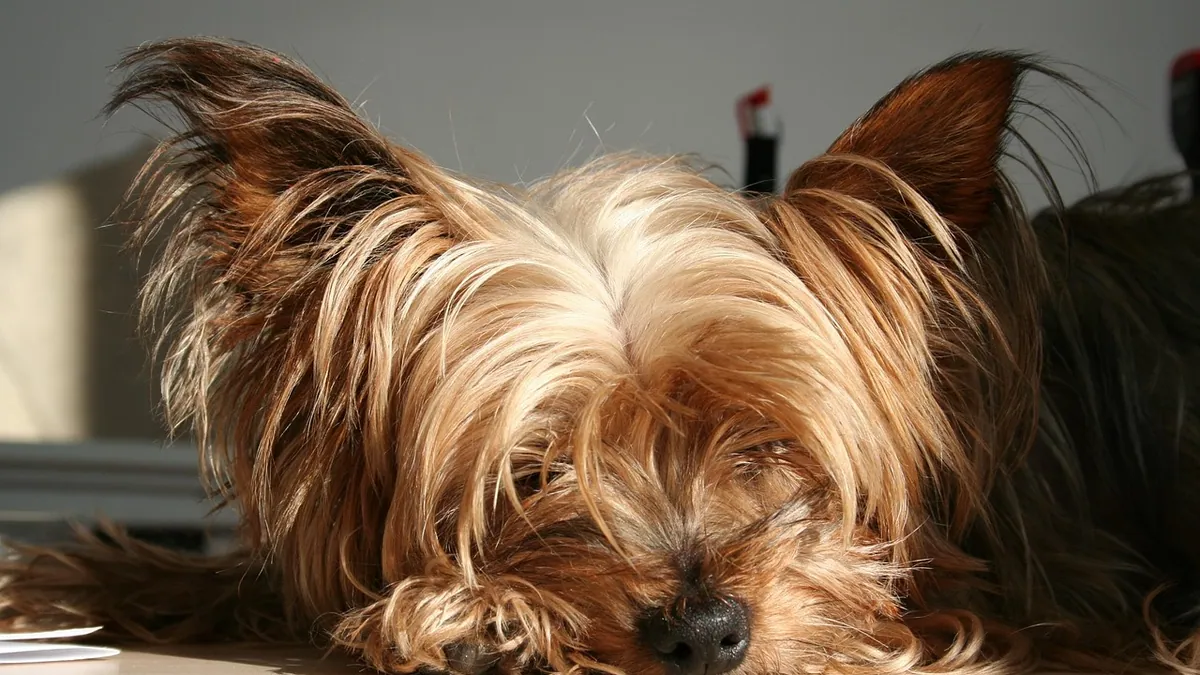
Yes, rubbing alcohol is toxic to dogs. Isopropyl alcohol is absorbed quickly through the stomach and even through the skin, and it can cause a dangerous drop in blood sugar and body temperature, especially in small dogs and puppies [1][2]. A dog that licks rubbing alcohol, drinks from a spilled bottle, or chews an alcohol wipe can become seriously ill within an hour [2].
This article is educational and is not a substitute for veterinary diagnosis or treatment.
Quick Answer
- Rubbing alcohol (isopropyl alcohol) is poisonous to dogs, and even small amounts can cause life-threatening toxicity, particularly in small dogs and puppies [1].
- Signs can appear as early as one hour after ingestion and include alcohol smell on the breath, depression, low body temperature, low blood pressure, seizures, and trouble breathing [1][2].
- Call your veterinarian, the ASPCA Animal Poison Control Center at (888) 426-4435, or Pet Poison Helpline at (855) 764-7661 right away if you think your dog was exposed.
- Do not induce vomiting unless a veterinarian tells you to. Never give food, milk, or home remedies to "soak up" the alcohol.
- Bring the product container or wipe package with you so the veterinary team knows exactly what your dog got into.
Is Rubbing Alcohol Toxic to Dogs?
Yes. Rubbing alcohol is a concentrated source of isopropyl alcohol, and dogs are far more sensitive to alcohol than people are. Even small amounts of alcohol can cause life-threatening toxicity, especially in small dogs and cats [1]. The effects are dose-dependent, which means the more your dog absorbs, the worse the poisoning will be [2].
Which Products Contain Rubbing Alcohol
Rubbing alcohol is the most obvious source, but it is not the only one. Isopropyl alcohol appears in:
- Bottles of 70% or 91% isopropyl alcohol
- Alcohol prep pads and swabs
- Hand sanitizers
- Some mouthwashes and liquid medications
- Surface cleaning wipes and sprays
Alcohol is also a common ingredient in household items like certain liquid medications, mouthwash, and hand sanitizer [2]. Dogs can also be exposed to ethanol, a different alcohol, through alcoholic drinks, desserts and baked goods made with alcohol, and even uncooked yeast dough, because yeast produces ethanol as dough rises [2]. If your dog got into a beer, a rum cake, or raw bread dough, that is a separate but related emergency. You can read more in Can Dogs Drink Alcohol?.
How Dogs Get Exposed
Most exposures happen in ordinary ways around the house:
- A dog licks a spill on the floor or counter
- A dog chews or swallows an alcohol wipe or soaked cotton ball
- A dog drinks from an open bottle or a cup left within reach
- A dog licks rubbing alcohol off its own skin or paws after you use it
- A dog chews a bottle and punctures it
Alcohol absorbs through the skin, so repeated or large-area contact matters too. A study of surgical skin preparation found that rinsing with isopropyl alcohol did not significantly change body temperature in puppies and kittens during anesthesia [3]. That is a controlled, brief, veterinary setting, and it does not mean a dog can safely lick or drink rubbing alcohol at home.
The Toxic Principle: What Alcohol Does in the Body
The toxic ingredient in rubbing alcohol is isopropyl alcohol. In alcoholic drinks and some foods, the toxic ingredient is ethanol, but both act on the body in similar ways [4][2].
Alcohol is rapidly absorbed from the gastrointestinal tract, and signs of poisoning may be seen as early as one hour later [2]. Once in the bloodstream, alcohol depresses the nervous system. It also causes dangerous drops in blood sugar and body temperature in dogs and cats, especially when they are young [2]. That combination is what makes alcohol poisoning so dangerous in puppies and toy breeds. Their small body size means a smaller amount of alcohol causes a larger effect.
Alcohol poisoning can also cause low blood pressure and respiratory failure [1]. In severe cases, the dog's breathing slows or stops, and seizures can occur [1].
Alcohol Toxicity in Dogs: Signs and Timeline
Signs usually start within about one hour of ingestion, but they can appear sooner if the dog drank a large amount on an empty stomach [2]. The timeline matters because early signs are easy to miss.
Early Signs
- Strong alcohol smell on the breath
- Staggering, wobbling, or unsteady walking
- Sleepiness, dullness, or unusual calm
- Vomiting
- Drooling
- Confusion or a blank stare
Moderate to Severe Signs
- Marked neurological depression (the dog is hard to wake)
- Low body temperature
- Low blood pressure
- Slow or shallow breathing
- Collapse
- Seizures
- Respiratory failure
Alcohol poisoning can cause alcohol smell on the breath, neurological depression, hypothermia (low body temperature), hypotension (low blood pressure), seizures, and respiratory failure [1]. If your dog is showing any of the moderate or severe signs, this is an emergency. Go to the nearest veterinary hospital now.
Why Small Dogs and Puppies Are at Higher Risk
The effects of alcohol are dose-dependent, meaning the more alcohol your pet consumes, the more they will be affected [2]. A few licks from a large bottle might cause mild wobbling in a 70-pound dog and severe depression in a 5-pound puppy. Young animals are also more prone to the dangerous drops in blood sugar and body temperature that alcohol causes [2]. Do not wait to see how your dog does. Call for guidance.
What to Do Right Now
Stay calm and act quickly. If you know or think your pet may have ingested any amount of alcohol, contact your veterinarian or a poison control service for guidance [4].
Call One of These Numbers
- Your regular veterinarian or the nearest emergency veterinary hospital
- ASPCA Animal Poison Control Center: (888) 426-4435
- Pet Poison Helpline: (855) 764-7661
Have the product container, the wipe package, or a photo of the label ready. Tell them your dog's weight, the estimated amount, and how long ago it happened.
Do Not Induce Vomiting on Your Own
Do not make your dog throw up unless a veterinarian tells you to. Depending on the amount of time since your pet's exposure, your veterinarian may want to induce vomiting to remove any alcohol still in your pet's stomach [4]. That decision depends on timing, the amount, and your dog's condition. Inducing vomiting at home can cause choking, aspiration, or injury, and it may not help if the alcohol has already been absorbed.
Other First Steps
- Move your dog away from the source and wipe any alcohol off the skin or paws with a damp cloth and mild soap, then dry gently.
- Keep your dog warm with a blanket while you travel.
- Do not give food, milk, oil, or home remedies.
- Do not give any medication unless a veterinarian directs you to.
If your dog ate something else potentially toxic, the general first aid steps are similar. See What to Do If Your Dog Ate Something Toxic: First Aid Steps.
Veterinary Treatment for Isopropyl Alcohol Poisoning
Your veterinarian will start with a physical exam and a history of what your dog got into. They will check your dog's temperature, heart rate, breathing, and blood glucose.
Your veterinarian will likely recommend hospitalization to provide supportive care, monitor your pet's blood glucose values, and properly monitor your pet's recovery [4]. Treatment may include:
- Intravenous fluids to support blood pressure and hydration
- Warming measures for low body temperature
- Glucose supplementation if blood sugar drops
- Oxygen or breathing support if needed
- Anti-seizure medication if seizures occur
- Blood work to check organ function and electrolyte levels
If your dog was seen very soon after ingestion, your veterinarian may induce vomiting to remove alcohol still in the stomach [4]. They calculate any medication dose from your dog's weight and health, so no home dosing is safe.
Outlook After Alcohol Poisoning in Dogs
The prognosis for ethanol poisoning is excellent with proper care and early treatment [4]. Isopropyl alcohol poisoning follows a similar pattern. Dogs that get to a veterinarian quickly and receive supportive care often recover fully.
The outcome depends on how much alcohol was absorbed, how small the dog is, and how fast treatment starts. Delays matter because alcohol is absorbed quickly and signs can progress within the first hour [2]. If your dog is already severely depressed, having seizures, or breathing poorly, the situation is more serious.
Prevention and Safer Alternatives
Most alcohol poisonings are preventable with a few changes around the house.
- Store rubbing alcohol, hand sanitizer, and mouthwash in closed cabinets out of reach.
- Clean up spills immediately, and keep dogs out of the room while you do.
- Do not leave alcohol-soaked cotton balls, pads, or wipes in the trash or on counters.
- Use pet-safe cleaning products when you can, and rinse surfaces after cleaning.
- Keep purses, backpacks, and guest bags off the floor. Hand sanitizer and wipes travel in bags.
- Warn guests not to leave drinks or bottles where a dog can reach them.
For disinfecting surfaces that working dogs contact, a study found that wiping with 70% isopropyl alcohol and 0.5% chlorhexidine reduced viral contamination on toys, collars, and balls [5]. That is about cleaning equipment, not about applying alcohol to your dog. Let surfaces dry completely and keep your dog away until they do.
If your dog needs a wound cleaned, ask your veterinarian which product is safe. Many pet-safe wound cleansers exist, and your veterinarian can recommend one for your dog's situation.
Limitations and When to Contact a Veterinarian
This article gives general guidance, but every case is different. Your dog's size, age, health, and the amount and type of alcohol all change the risk. Individual cases need a veterinarian who can examine your dog and decide on treatment.
Emergency Now
Go to the nearest emergency veterinary hospital or call one of the poison control numbers immediately if your dog:
- Is hard to wake, collapsed, or unresponsive
- Is having a seizure
- Is breathing slowly, shallowly, or with effort
- Has a body temperature that feels very low
- Has vomited and cannot stay steady on its feet
Do not wait for signs to get worse before you call.
Same Day
Call your veterinarian the same day if your dog:
- Licked or drank a small amount of rubbing alcohol
- Chewed an alcohol wipe or pad
- Licked hand sanitizer off its paws or skin
- Has an alcohol smell on the breath but seems normal so far
Even if your dog looks fine, a same-day call is wise. Signs can appear as early as one hour after exposure, and small dogs can decline quickly [2].
Routine Visit
Bring up any exposure at your dog's next routine visit if it happened days ago and your dog never showed signs. Your veterinarian can note it in the record and check for any lasting effects.
Frequently Asked Questions
How much rubbing alcohol is dangerous for a dog?
There is no single safe amount. Even small amounts of alcohol can cause life-threatening toxicity, especially in small dogs and cats [1]. The effect depends on your dog's weight, the concentration of the product, and how much was absorbed. Treat any exposure as urgent and call for guidance.
What happens if my dog licks rubbing alcohol?
A quick lick may cause drooling, vomiting, or wobbling, but it can also cause serious depression, low blood sugar, and low body temperature. Alcohol absorbs fast, and signs may appear within an hour [2]. Call your veterinarian or a poison control line right away, even if your dog seems normal.
Can I make my dog vomit after drinking rubbing alcohol?
No, not unless a veterinarian tells you to. Your veterinarian may want to induce vomiting in some cases to remove alcohol from the stomach, but that decision depends on timing and your dog's condition [4]. Home vomiting attempts can cause choking or other injuries.
How long do alcohol poisoning symptoms last in dogs?
It depends on how much was absorbed and how quickly treatment starts. Signs can begin within an hour, and severe cases need hospitalization with monitoring of blood glucose and recovery [4][2]. Your veterinarian can give you a realistic timeline once your dog is examined.
Is hand sanitizer as dangerous as rubbing alcohol for dogs?
Yes, hand sanitizer contains alcohol and can poison a dog. Alcohol is a common component of household items like hand sanitizer and mouthwash [2]. A dog that licks a glob of sanitizer off its paws or eats a travel bottle needs the same urgent call to a veterinarian or poison control.
If your dog got into a medication instead, the risks are different. See Can You Give Your Dog Ibuprofen? Why It's Toxic and My Dog Ate a Pen: Is It Toxic or Just a Blockage Risk? for related guidance.
Related Articles
- Can Dogs Drink Alcohol?
- Can You Give Your Dog Ibuprofen? Why It's Toxic
- My Dog Ate a Pen: Is It Toxic or Just a Blockage Risk?
- What to Do If Your Dog Ate Something Toxic: First Aid Steps
- Dog Ate a Candle: Wax, Wicks, and Fragrance Risks Explained
- My Dog Ate a Mushroom: How to Tell If It's Toxic
- Is Isopropyl Alcohol Toxic to Dogs? Risks and First Aid
- Is Alcohol Toxic to Dogs? Ethanol, Sugar Alcohols, and Risks
- Is Ethyl Alcohol Toxic to Dogs? Risks Explained
References
- Alcohol Poisoning In Dogs. Pet Poison Helpline.
- Alcohol Poisoning in Pets. Pet Poison Helpline.
- Impact of surgical preparatory rinses with isopropyl alcohol or water on perioperative body temperature in pediatric female dogs and cats. Veterinary anaesthesia and analgesia, 2021.
- Alcohol Poisoning in Dogs. Pet Poison Helpline.
- Routine Decontamination of Surfaces Relevant to Working Dogs: Neutralization of Superficial Coronavirus Contamination. Animals : an open access journal from MDPI, 2022.