Is Ethyl Alcohol Toxic to Dogs? Risks Explained
By Dr. Zubair Khalid, DVM, MS, PhD ·
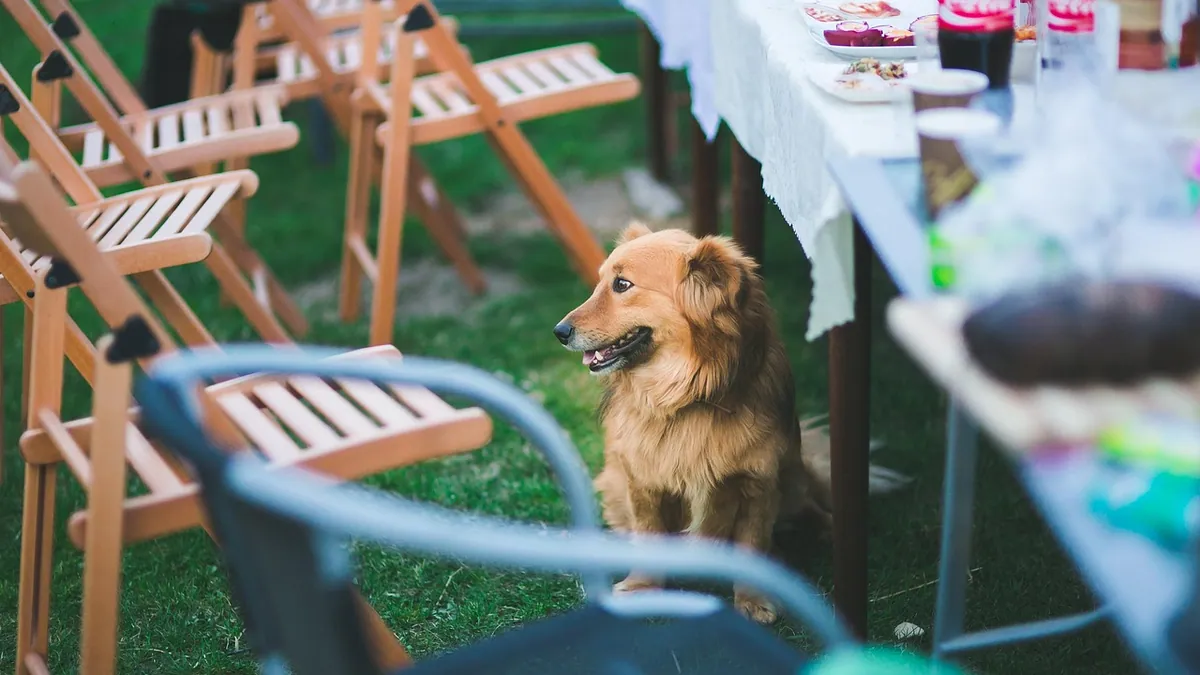
Yes, ethyl alcohol is toxic to dogs. Ethyl alcohol is the same ethanol found in beer, wine, liquor, and many household products, and even small amounts can poison a dog [1]. Because dogs are much smaller than people and process alcohol differently, what looks like a tiny spill or a few licks can become a medical emergency.
This article is educational and is not a substitute for veterinary diagnosis or treatment.
Quick Answer
- Ethyl alcohol and ethanol are the same substance, and it is poisonous to dogs at small doses, especially in small dogs [1].
- Common sources include alcoholic drinks, rum-soaked or unbaked desserts, liquid medications, mouthwash, hand sanitizer, and raw yeast bread dough [1][2][3].
- Signs can appear as early as one hour after ingestion and include alcohol smell on the breath, depression, low body temperature, low blood pressure, seizures, and respiratory failure [1][3].
- Call your veterinarian, the ASPCA Animal Poison Control Center at (888) 426-4435, or Pet Poison Helpline at (855) 764-7661 right away if you suspect exposure.
- Do not induce vomiting unless a veterinarian tells you to.
Is Ethyl Alcohol Toxic to Dogs?
Ethyl alcohol is toxic to dogs because it is ethanol, the same alcohol people drink. Dogs do not have to consume a cocktail to be exposed. Alcohol hides in foods and products you might not think about.
Alcoholic drinks like beer, wine, and liquor are obvious sources [3]. So are rum-soaked cakes and other unbaked desserts that contain alcohol [1]. Liquid medications, mouthwash, and hand sanitizer can also contain ethanol [2][3]. Raw yeast bread dough is another risk because yeast ferments as dough rises, producing ethanol inside the dough [3].
Even small amounts of alcohol can cause life-threatening toxicity, particularly in small dogs and cats [1]. The effects depend on the dose, so the more alcohol your dog consumes, the more severely affected they will be [3]. If you want more detail on drinks specifically, see Can Dogs Drink Alcohol?.
Which Products and Foods Contain Ethyl Alcohol?
Check labels and think beyond the liquor cabinet. Products that may contain ethanol include:
- Beer, wine, and liquor [3]
- Rum-soaked cakes and unbaked desserts made with alcohol [1]
- Some liquid medications [3]
- Mouthwash [3]
- Hand sanitizer [2][3]
- Raw yeast bread dough, which produces ethanol as it rises [3]
Some of these items also contain other ingredients that can harm dogs. For example, raisins in a rum-soaked cake add their own toxicity risk. You can read about that in How Many Grapes Cause Toxicity In Dogs.
What Ethanol Does in a Dog's Body
Alcohol is absorbed quickly from the gastrointestinal tract. Signs of poisoning may show up as early as one hour after a dog ingests it [3]. That fast absorption is one reason prompt action matters.
Once in the bloodstream, ethanol acts on the nervous system and can cause dangerous drops in blood sugar and body temperature, especially in young dogs [3]. It also can lower blood pressure and depress breathing [1]. These effects together can become life-threatening.
The dose makes a big difference. A large dog may show milder signs from an amount that would seriously poison a Chihuahua. Your veterinarian calculates risk based on your dog's weight, the product involved, and how much was swallowed.
Signs of Ethyl Alcohol Poisoning in Dogs
Signs can progress quickly. Watch for:
- Alcohol smell on the breath [1]
- Neurological depression, meaning your dog seems sedated, wobbly, or unusually quiet [1]
- Low body temperature (hypothermia) [1]
- Low blood pressure (hypotension) [1]
- Seizures [1]
- Respiratory failure [1]
Some dogs also vomit or have an upset stomach, which is common with raw dough ingestion [3]. Young dogs are at higher risk of serious blood sugar and temperature drops [3].
How Soon Do Signs Appear?
Signs may be seen as early as one hour after ingestion [3]. That timeline means you should not wait to see if your dog "sleeps it off." If you know or suspect your dog ate alcohol, contact a veterinarian or poison control right away [2].
What to Do Right Now
Stay calm and act quickly. Contact your veterinarian or call Pet Poison Helpline at (855) 764-7661 or the ASPCA Animal Poison Control Center at (888) 426-4435 for guidance [2].
Do not induce vomiting unless a veterinarian tells you to. Depending on how much time has passed since the exposure, your veterinarian may want to induce vomiting to remove alcohol still in the stomach [2]. That decision depends on your dog's condition and the product involved.
Gather useful information before you call:
- What your dog ate or licked
- The product name and label, if available
- An estimate of how much was consumed
- Your dog's weight and age
- The time the exposure happened
If your dog is having a seizure, struggling to breathe, or cannot stand, treat it as an emergency and get to a veterinary hospital immediately.
How Veterinarians Treat Alcohol Poisoning in Dogs
Treatment is supportive and focused on stabilizing your dog. Your veterinarian will likely recommend hospitalization to provide supportive care, monitor blood glucose values, and properly monitor recovery [2].
Care may include intravenous fluids, warming for low body temperature, and medications for seizures or low blood pressure. Blood sugar monitoring is a priority because alcohol can cause dangerous drops, especially in young dogs [3].
If your dog ingested raw yeast dough, there is an added concern. The dough can continue to expand in the stomach and produce more ethanol over time [3]. Your veterinarian will account for that when planning treatment.
Outlook After Treatment
The prognosis for ethanol poisoning is excellent with proper care and early treatment [2]. That is encouraging, but it depends on how quickly you act and how much your dog consumed.
Dogs who receive prompt veterinary care generally recover well. Dogs with severe signs like seizures or respiratory failure need intensive monitoring, and their recovery may take longer. Your veterinarian will give you a realistic picture based on your dog's exam and lab work.
Preventing Ethyl Alcohol Exposure
Prevention is mostly about storage and supervision. Keep alcoholic drinks, mouthwash, hand sanitizer, and liquid medications out of reach. Clean up spills right away, including spills on floors or low surfaces a dog can lick.
Watch for hidden sources at parties and holidays. Rum-soaked cakes and unbaked desserts are easy for a dog to grab off a coffee table [1]. If you bake bread, keep rising dough covered and away from your dog, since raw yeast dough produces ethanol as it rises [3].
Teach guests not to share food or drinks with your dog. A well-meaning relative may think a small sip of beer is harmless, but even small amounts can cause life-threatening toxicity, especially in small dogs [1].
Safer Alternatives for Your Dog
If you want to include your dog in a treat moment, choose dog-safe options. Plain cooked meat, dog-specific treats, and fresh water are safe choices. Avoid anything containing alcohol, raw dough, or unknown ingredients.
If your dog needs a topical product for a skin issue, talk to your veterinarian first. Ethyl alcohol has been studied as a topical treatment for certain skin conditions in dogs under veterinary supervision, but that is a clinical decision, not something to try at home [4]. The same applies to any medical use of alcohol, which should only happen under direct veterinary care [5].
Limitations and When to Contact a Veterinarian
Individual cases need a veterinarian. The right advice depends on your dog's size, age, health, and the exact product involved.
Contact a veterinarian the same day if your dog licked a small amount of an alcohol-containing product and seems normal. You still want guidance on whether monitoring at home is safe.
Go to an emergency clinic now if your dog has an alcohol smell on the breath, seems sedated or wobbly, feels cold, has pale gums, vomits repeatedly, has a seizure, or is breathing abnormally [1]. These are red flags for serious poisoning.
Schedule a routine visit if your dog recovered after a possible exposure but you want a checkup, or if you have ongoing concerns about your dog getting into household products. Your veterinarian can help you pet-proof your home and answer questions about specific items.
Frequently Asked Questions
Can a small amount of beer hurt my dog?
Yes, even small amounts of alcohol can cause life-threatening toxicity, especially in small dogs [1]. There is no safe amount you can calculate at home. If your dog drank beer, call your veterinarian or a poison control hotline for guidance.
Is hand sanitizer dangerous for dogs?
Yes, hand sanitizer can contain ethanol and cause poisoning in dogs [2][3]. Dogs may lick it off hands or surfaces, and the alcohol can be absorbed quickly. Keep bottles out of reach and call for advice if you suspect your dog ingested any.
Can raw bread dough really cause alcohol poisoning?
Yes, raw yeast dough produces ethanol as it ferments and rises [3]. A dog that eats rising dough can develop alcohol poisoning in addition to stomach upset from the expanding dough. This is a medical emergency, so contact your veterinarian right away.
What should I do if I cannot tell how much my dog swallowed?
Call your veterinarian or a poison control hotline and describe what you know. An estimate is still useful, even if it is rough. Do not wait for symptoms to appear before you ask for help.
Will my dog need to stay at the hospital?
Possibly. Your veterinarian will likely recommend hospitalization to provide supportive care, monitor blood glucose, and watch recovery [2]. The decision depends on your dog's signs, size, and how much alcohol was involved. Mild exposures may need less intensive care, while severe cases need close monitoring.
Related Articles
- Can Dogs Drink Alcohol?
- How Many Grapes Cause Toxicity In Dogs
- Are Tarantulas Poisonous to Dogs? Understanding the Risks
- Can You Give Your Dog Ibuprofen? Why It's Toxic
- My Dog Ate a Pen: Is It Toxic or Just a Blockage Risk?
- Dog Grape Toxicity Timeline
- Is Alcohol Toxic to Dogs? Ethanol, Sugar Alcohols, and Risks
- Is Rubbing Alcohol Toxic to Dogs?
- Is Isopropyl Alcohol Toxic to Dogs? Risks and First Aid
References
- Alcohol Poisoning In Dogs. Pet Poison Helpline.
- Alcohol Poisoning in Dogs. Pet Poison Helpline.
- Alcohol Poisoning in Pets. Pet Poison Helpline.
- Topical ethyl alcohol as a novel treatment for superficial bacterial pyoderma in dogs. The Journal of small animal practice, 2026.
- Alcoholization as an Alternative Treatment for Prostatic Cyst and Abscess in Dogs. Animals : an open access journal from MDPI, 2025.