Is Philodendron Toxic to Cats? Varieties and Risks
By Dr. Zubair Khalid, DVM, MS, PhD ·
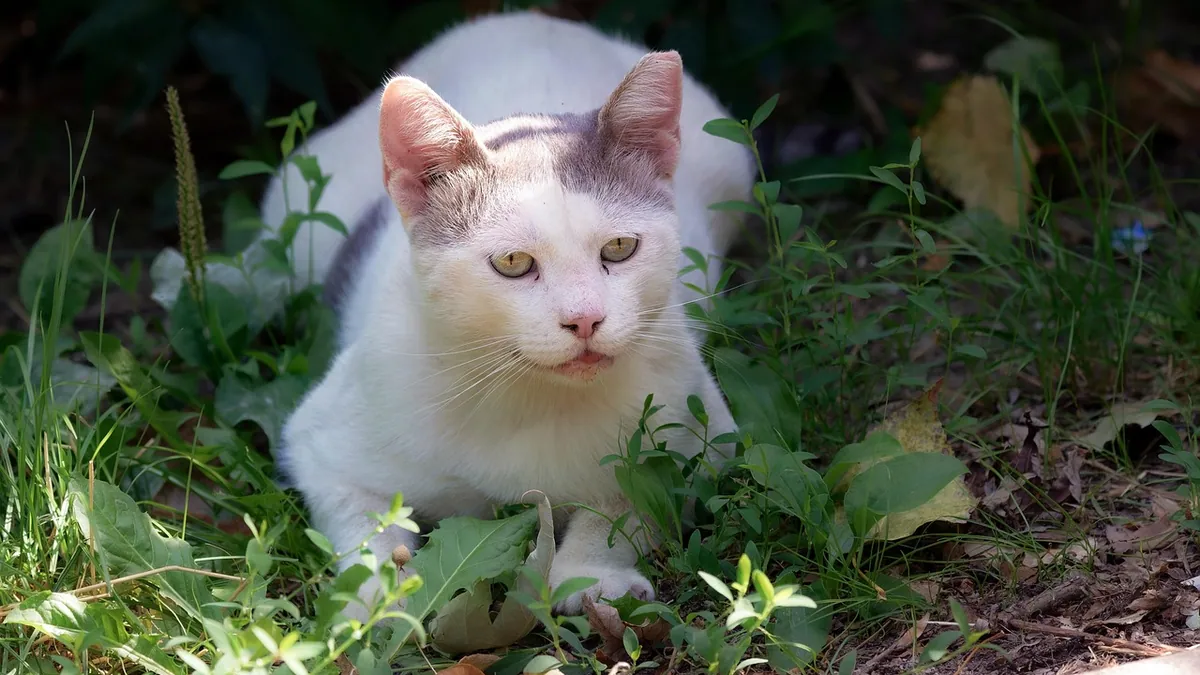
Is blushing philodendron toxic to cats? Yes. Every philodendron, including blushing, pink, and variegated types, contains insoluble calcium oxalate crystals that irritate a cat's mouth and digestive tract [1][2]. Most exposures cause drooling, pawing at the mouth, and mouth pain instead of a life-threatening poisoning, but a cat who eats a large amount or has swelling that affects breathing needs emergency care.
This article is educational and is not a substitute for veterinary diagnosis or treatment.
Quick Answer
- All philodendron varieties are toxic to cats, including blushing philodendron, pink philodendron, and variegated philodendron [1][2].
- The toxic principle is insoluble calcium oxalate crystals, which are sharp and cause burning pain in the mouth, lips, and tongue [3][1].
- Common signs are oral irritation, intense burning, excessive drooling, vomiting, and trouble swallowing [3][2].
- If your cat chewed a philodendron, call your veterinarian, the ASPCA Animal Poison Control Center at (888) 426-4435, or Pet Poison Helpline at (855) 764-7661 right away.
- Do not make your cat vomit unless a veterinarian tells you to.
Is Blushing Philodendron Toxic to Cats?
Yes. Blushing philodendron is toxic to cats. The ASPCA lists Philodendron species as toxic to cats, with calcium oxalate crystals as the toxic principle and signs that include oral irritation, pain and swelling of the mouth, tongue, and lips, excessive drooling, vomiting, and difficulty swallowing [1]. Blushing philodendron belongs to that same group, so the same warning applies.
The confusion comes from the many names these plants carry. Blushing philodendron, pink philodendron, red-leaf philodendron, and variegated philodendron are all common names for plants in the Philodendron genus or closely related aroids. The ASPCA also lists variegated philodendron (Scindapsus and Philodendron species) as toxic to cats, with the same calcium oxalate crystals and the same signs of intense burning and irritation of the mouth, lips, and tongue [2].
If you are searching because you bought a pink or blushing philodendron and your cat nibbled a leaf, treat it as a real exposure. The color of the leaf does not change the toxicity.
Is Pink Philodendron Toxic to Cats?
Yes. Pink philodendron is toxic to cats for the same reason as every other philodendron. The pink or red color comes from pigments in the leaf tissue, not from a different plant chemistry. The calcium oxalate crystals are still present in the stems and leaves [1][2].
Is Vigoro Philodendron Toxic to Cats?
Yes, if the plant is a true philodendron. Vigoro is a brand name used on plants sold at garden centers, and plants sold under that label may be philodendrons or other aroids. Any plant labeled philodendron should be treated as toxic to cats [1]. If you are not sure what species you have, keep it out of your cat's reach and ask your veterinarian or a poison control service about the specific plant.
Which Parts and Products Are Dangerous?
The whole plant matters. Leaves, stems, and any part your cat can chew contain the crystals. Here is what owners most often ask about.
- Leaves and stems: The main risk. Chewing releases the crystals and causes immediate mouth pain [3][1].
- Sap: Irritating to skin and mouth. Wipe it off your cat's coat so grooming does not spread it.
- Soil: Not the toxic part, but cats dig and may swallow plant material along with it.
- Cut flowers and arrangements: A philodendron leaf tucked into a bouquet carries the same risk. See Flowers That Are Toxic To Cats for other common bouquet plants.
- Water in the vase: Not well established as a poisoning source, but do not let your cat drink it.
The Toxic Principle and What It Does in the Body
Philodendrons contain insoluble calcium oxalate crystals [3][1]. These are tiny, needle-shaped bundles called raphides. They sit inside the plant cells. When a cat bites or chews the plant, the cells break open and the needles are released into the mouth and throat.
The crystals do not act like a swallowed poison that travels through the bloodstream. They cause direct mechanical injury and intense irritation where they touch tissue. That is why the signs show up so fast and why the mouth is usually the first place affected. The ASPCA describes the result as oral irritation, intense burning and irritation of the mouth, lips, and tongue, excessive drooling, vomiting, and difficulty swallowing [3][2].
This is different from a poison that damages organs over hours. It is also different from calcium oxalate that forms in the urinary tract. Cats can develop calcium oxalate bladder stones, and that is a separate condition studied in cats with urolithiasis [4]. Eating a philodendron does not cause bladder stones.
Signs and Timeline in Cats
Signs usually start within minutes of chewing. The crystals work on contact, so a cat who takes one bite often reacts right away.
Common signs include:
- Pawing at the mouth or rubbing the face
- Drooling, sometimes heavy
- Dropping food or refusing to eat
- Swelling or redness of the lips, tongue, or gums
- Vomiting
- Trouble swallowing
- Vocalizing or acting distressed
Less common but serious signs include swelling in the throat that makes breathing noisy or hard, and swelling that blocks the airway. Call for emergency help if your cat is struggling to breathe.
Most mild cases peak in the first hour and improve over several hours to a day with supportive care. A cat who ate a large amount, or who has swelling in the throat, may need longer care. The exact timeline depends on how much plant was chewed and how your cat responds, so your veterinarian will set expectations for your cat.
What to Do Right Now
Stay calm and act quickly.
- Move your cat away from the plant. Put the plant out of reach or in a closed room.
- Look in the mouth if you can do it safely. Do not put your fingers deep into the mouth of a painful, frightened cat. You may get bitten.
- Call for advice. Contact your veterinarian, the ASPCA Animal Poison Control Center at (888) 426-4435, or Pet Poison Helpline at (855) 764-7661.
- Offer water. A cat who can swallow may drink and feel some relief. Do not force water.
- Do not induce vomiting unless a veterinarian tells you to. Vomiting brings plant material and crystals back up through the mouth and throat and can cause more irritation.
- Do not give human pain relievers. Many are toxic to cats, and the dose is not something you can guess.
- Save a piece of the plant or take a photo. Identification helps the veterinarian and the poison control team.
If your cat is breathing normally and acting uncomfortable but stable, a same-day call is still the right move. Mouth pain in cats can be severe even when the exposure looks small.
Veterinary Treatment
Treatment is supportive and aimed at relieving pain and protecting the airway.
Your veterinarian will ask what plant was involved, when the chewing happened, and what signs you have seen. They will examine your cat's mouth, check for swelling, and listen to the chest and airway. In most cases, no specific antidote is needed because there is no antidote for calcium oxalate crystal irritation.
Care may include:
- Rinsing the mouth with water or a soothing solution
- Pain medication and anti-inflammatory medication chosen for cats
- Fluids if your cat is dehydrated or vomiting
- Medication to protect the stomach and reduce nausea
- Oxygen and airway support if breathing is affected
- A soft or liquid diet until eating is comfortable
Your veterinarian calculates every medication dose from your cat's weight and health. Never use a dose meant for a dog or a person.
If your cat needs sedation for a painful mouth exam or for treatment, your veterinarian will choose an agent and dose based on your cat's condition. Oral sedative and anxiolytic medications are used in cats for stress and handling, and the choice depends on the individual cat [5].
Outlook
The outlook is good for most cats. Mild exposures cause discomfort that resolves with time and supportive care. Cats who receive pain relief and fluids usually improve within a day or two.
The cats at highest risk are those with heavy exposure, swelling in the throat, or an underlying heart or breathing problem. A blocked airway is the main emergency concern. Call immediately if your cat is open-mouth breathing, making noise when breathing, or turning blue.
Prevention and Safer Alternatives
The simplest prevention is to keep philodendrons out of your home, or to keep them in a room your cat cannot enter. Cats climb, so a high shelf is not always enough. Hang plants from a ceiling hook, use a closed cabinet or terrarium, or place plants in a room with a closed door.
Other steps that help:
- Pick up fallen leaves and stems right away.
- Keep cuttings, vases, and repotting scraps off the floor and counters.
- Cover soil with large decorative stones to discourage digging.
- Give your cat safe plants to chew, such as cat grass or catnip.
- Check every new plant before you bring it home.
If you want a full list of plants to avoid, see What Plants Can Be Toxic To Cats and Plants Toxic To Cats. Lilies deserve special mention because they cause kidney failure in cats and are far more dangerous than philodendrons. Read Are Lilies Toxic to Cats? before you bring home any bouquet.
Cat-Safe Plant Alternatives
Choose plants the ASPCA lists as non-toxic to cats. Good options include:
- Spider plant
- Boston fern
- Areca palm
- Calathea
- African violet
- Cat grass and catnip
Even non-toxic plants can cause stomach upset if a cat eats a lot of them. Watch for vomiting or diarrhea after any new plant comes home.
Limitations and When to Contact a Veterinarian
No article can tell you how your cat will respond. Individual cases need a veterinarian who can examine your cat, see the mouth, and check breathing.
Call your veterinarian the same day if your cat:
- Chewed a philodendron and is drooling or pawing at the mouth
- Vomited once or twice but is otherwise bright and breathing normally
- Refuses food or water for more than a few hours
Go to an emergency clinic now if your cat:
- Has swelling of the tongue, lips, or throat
- Breathes with an open mouth, makes noise breathing, or seems to struggle for air
- Collapses, has a seizure, or is unresponsive
- Vomits repeatedly and cannot keep water down
- Has known contact with a lily or another high-risk plant
Schedule a routine visit if your cat had a mild reaction that has fully resolved but you want the mouth checked, or if you need help choosing safe plants for your home.
Frequently Asked Questions
How much philodendron does a cat need to eat to get sick?
A single bite can cause mouth pain and drooling because the crystals act on contact. There is no established safe amount. Treat any chewing as an exposure and call for advice.
Will my cat die from eating a philodendron?
Death is rare. Most cats recover with supportive care. The main danger is swelling that blocks the airway, which is why breathing changes need emergency care.
Can I just watch my cat at home?
You can watch a cat who had a tiny nibble and is eating and breathing normally, but call your veterinarian or a poison control line first. They can tell you what signs to watch for and when to come in.
Is the sap dangerous if it gets on my cat's skin?
The sap can irritate skin and eyes. Wipe it off with a damp cloth and prevent your cat from grooming the area until it is clean. Call your veterinarian if the eyes are red, squinting, or swollen.
Are all philodendron varieties equally toxic?
They all contain calcium oxalate crystals, so all should be treated as toxic to cats [1][2]. Some varieties have more crystals in the tissue than others, but you cannot tell by looking, so keep every philodendron away from your cat.
Related Articles
- Flowers That Are Toxic To Cats
- What Plants Can Be Toxic To Cats
- Plants Toxic To Cats
- Are Lilies Toxic to Cats?
- What Flowers Are Toxic To Cats
- Flowers Toxic To Cats
- Is Heartleaf Philodendron Toxic to Cats? Signs to Know
- Are Philodendron and Monstera Toxic to Cats? Full List
- Is Philodendron Birkin Toxic to Cats? Oxalate Risks
References
- Toxic and Non-toxic Plants: Philodendron Pertusum. ASPCA Animal Poison Control Center.
- Toxic and Non-toxic Plants: Variegated Philodendron. ASPCA Animal Poison Control Center.
- Toxic and Non-toxic Plants: Tree Philodendron. ASPCA Animal Poison Control Center.
- Association between uropathogens and the occurrence of magnesium ammonium phosphate and calcium oxalate in cats with urolithiasis: a retrospective study (2016-2021). Journal of feline medicine and surgery, 2025.
- Oral use of anxiolytic, sedative, and anaesthetic medications in domestic cats (Felis catus): A scoping review. Veterinary journal (London, England : 1997), 2026.