Are Philodendron and Monstera Toxic to Cats? Full List
By Dr. Zubair Khalid, DVM, MS, PhD ·
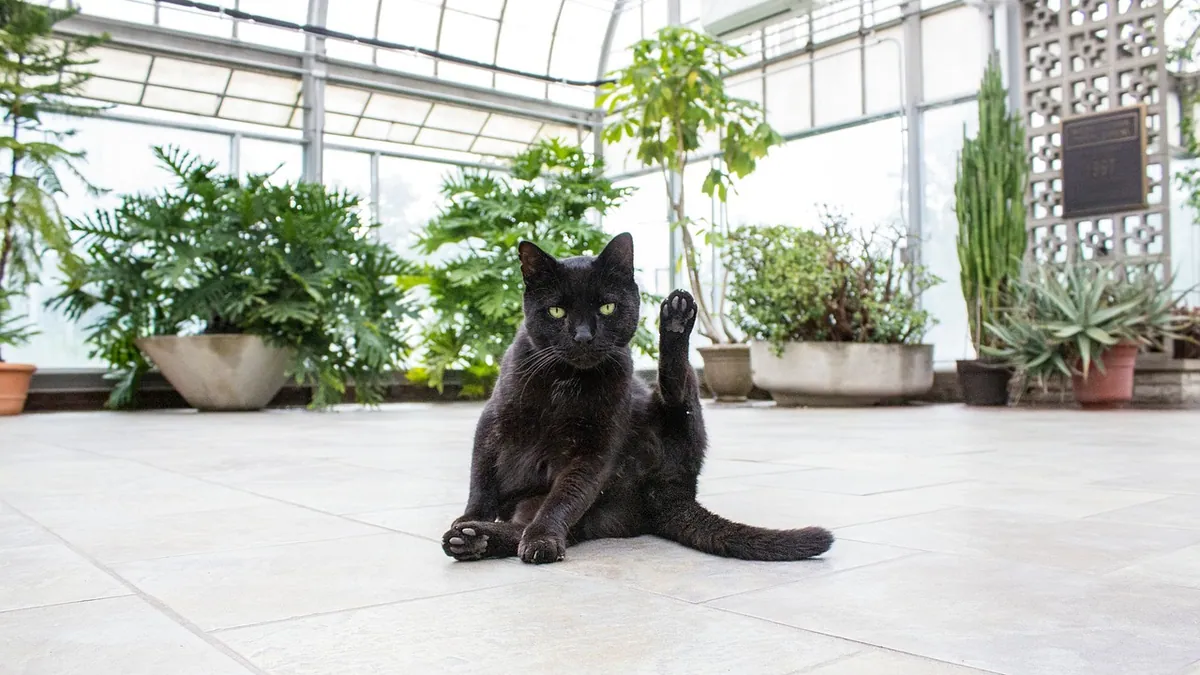
Yes, philodendron and monstera plants are toxic to cats. Every variety in this group, from heartleaf philodendron to Monstera deliciosa, contains the same irritating crystals, so the answer does not change by cultivar. If your cat chews on one, expect mouth pain, drooling, and vomiting, and call your veterinarian or a poison control line right away.
This article is educational and is not a substitute for veterinary diagnosis or treatment.
Quick Answer
- All philodendron and monstera varieties are toxic to cats because they contain insoluble calcium oxalate crystals [1][2].
- The most common signs are oral irritation, burning of the mouth, lips, and tongue, excessive drooling, vomiting, and trouble swallowing [3][1].
- Most exposures cause mouth pain instead of life-threatening poisoning, but swelling can affect breathing in severe cases.
- Call your veterinarian, the ASPCA Animal Poison Control Center at (888) 426-4435, or Pet Poison Helpline at (855) 764-7661 for guidance.
- Do not induce vomiting unless a veterinarian tells you to. Rinsing the mouth with water or milk and offering a small amount of food or milk can help dilute the crystals.
Is Philodendron Monstera Toxic to Cats?
Yes. Philodendron and monstera plants are toxic to cats, and this applies across the whole group. The ASPCA lists heartleaf philodendron (Philodendron hederaceum) as toxic to dogs, cats, and horses, with insoluble calcium oxalates as the toxic principle [1]. The same record covers the common names cordatum and sweetheart plant [1]. Tree philodendron (Philodendron selloum) is also listed as toxic to cats, with calcium oxalate crystals as the toxic principle [3]. Philodendron pertusum, a name often used for Monstera deliciosa, is listed as toxic to dogs, cats, and horses with the same insoluble calcium oxalates [2].
Is Philodendron Brasil Toxic to Cats?
Yes. Philodendron Brasil is a cultivar of heartleaf philodendron, the same species the ASPCA lists as toxic to cats [1]. It contains the same insoluble calcium oxalate crystals as the plain green form [1]. The leaf pattern does not change the toxicity.
Is Philodendron Micans Toxic to Cats?
Yes. Philodendron micans belongs to the same Philodendron genus covered by the ASPCA listing for Philodendron spp., which is toxic to cats [2]. Chewing any part of the plant can release the crystals and cause mouth pain.
Is Philodendron Selloum Toxic to Cats?
Yes. Tree philodendron (Philodendron selloum) is specifically listed as toxic to cats, with calcium oxalate crystals as the toxic principle [3]. Reported signs include oral irritation, intense burning of the mouth, lips, and tongue, excessive drooling, vomiting, and difficulty swallowing [3].
Is Philodendron Xanadu Toxic to Cats?
Yes. Philodendron xanadu is another Philodendron species, and the ASPCA listing for Philodendron spp. covers the genus as toxic to cats [2]. Treat it the same as any other philodendron in your home.
Is Philodendron Cordatum Toxic to Cats?
Yes. Cordatum is another common name for heartleaf philodendron, which the ASPCA lists as toxic to cats [1]. It is one of the most common houseplants in the United States, so exposures are frequent.
What About Monstera deliciosa?
Monstera deliciosa is often sold as Philodendron pertusum, and that listing is toxic to cats with insoluble calcium oxalates as the toxic principle [2]. The large, split leaves may tempt a cat to bat at them, but the sap is irritating.
If you are sorting through a whole shelf of houseplants, our guide to what plants can be toxic to cats can help you spot the risky ones.
Which Parts Are Toxic?
Every part of the plant contains the crystals. That includes the leaves, stems, petioles, roots, and the sap that drips from a broken stem. Dried or fallen leaves can still irritate the mouth. A cat that bites a leaf, chews a stem, or plays with a cutting on the floor is at risk.
The crystals are not destroyed by drying, cooking, or wilting. A dead leaf on the carpet is still a problem. If you repot a plant, wipe up any sap and keep clippings out of reach until you can throw them away.
The Toxic Principle: Calcium Oxalate Crystals
Philodendrons and monsteras contain insoluble calcium oxalate crystals [1][2]. These are tiny, needle-shaped structures bundled inside plant cells. When a cat bites or chews the plant, the cells rupture and the needles shoot out. They lodge in the soft tissue of the mouth, tongue, lips, and throat.
The result is mechanical irritation, not a poison that spreads through the body. That is why the signs show up fast and are focused on the mouth and gut. The crystals are not absorbed in a way that causes organ damage the way some other toxins do. The ASPCA lists the toxic principle for these plants as insoluble calcium oxalates, and the clinical signs match direct contact irritation [1][2].
This is different from ethylene glycol, the sweet-tasting antifreeze ingredient that causes fatal kidney injury. A forensic case report described a free-roaming cat with acute kidney tubular necrosis and abundant calcium oxalate crystals in the kidney after ethylene glycol exposure [4]. That is a separate and far more dangerous problem. Do not confuse the two. If you suspect your cat licked antifreeze, that is an emergency.
Signs and Timeline
Signs usually start within minutes to a couple of hours of chewing the plant. The ASPCA lists oral irritation, pain and swelling of the mouth, tongue, and lips, excessive drooling, vomiting, and difficulty swallowing [1]. For tree philodendron, the listed signs include intense burning and irritation of the mouth, lips, and tongue [3].
What You May See
- Pawing at the mouth or face
- Drooling, sometimes heavy
- Swelling or redness of the lips, tongue, or gums
- Crying or yowling when eating or drinking
- Dropping food or refusing food
- Vomiting, sometimes right after chewing
- Head shaking or rubbing the muzzle on the floor
- Hiding or acting withdrawn
How Long It Lasts
Mild cases often improve within a few hours to a day once the plant material is out of the mouth. Swelling and drooling may linger longer if the cat chewed a lot. Vomiting usually settles once the stomach is empty of plant material. If your cat keeps vomiting, cannot swallow, or seems to be breathing harder, that is not a mild case.
What to Do Right Now
- Move the plant out of reach and take a photo of it. The plant name helps the veterinarian or poison control identify the toxin.
- Look in your cat's mouth if it is safe to do so. Do not put your fingers deep in the mouth of a painful, frightened cat. You may get bitten.
- Rinse the mouth with plain water or offer a small amount of milk or canned food. This can help dilute and wash away crystals. Do not force anything into the mouth of a cat that is struggling to breathe.
- Call your veterinarian, the ASPCA Animal Poison Control Center at (888) 426-4435, or Pet Poison Helpline at (855) 764-7661. Have your cat's weight, age, and the plant name ready.
- Do not induce vomiting unless a veterinarian tells you to. Vomiting can push irritating plant material back up through the mouth and throat and cause more pain.
- Do not give human pain medications. Many are toxic to cats, and the dose depends on your cat's weight and health.
If your cat is drooling heavily, pawing at the mouth, or vomiting, call now. If your cat is breathing with an open mouth, has a swollen tongue, or is collapsing, go to the nearest emergency clinic immediately.
Veterinary Treatment
Treatment is supportive and aimed at relieving pain and protecting the airway. Your veterinarian will examine the mouth and throat, check breathing, and ask what part of the plant was chewed and how much.
Common steps include:
- Flushing the mouth with water or saline to remove plant material
- Pain medication and anti-inflammatory drugs chosen for cats
- Anti-nausea medication and fluids if vomiting is ongoing
- A soft or liquid diet until the mouth heals
- Oxygen and airway support if swelling is severe
There is no antidote for calcium oxalate crystals because the problem is direct tissue irritation. The veterinarian calculates any medication dose from your cat's weight and health. If your cat has a swollen throat or trouble breathing, the veterinarian may place a tube to protect the airway.
If you want a broader look at which houseplants and flowers cause which problems, see plants toxic to cats and flowers that are toxic to cats.
Outlook
Most cats recover fully after a philodendron or monstera exposure. The mouth pain is intense but usually short-lived once the plant material is gone. Cats that chewed a small amount and are eating and drinking normally within a day often need no more than home monitoring and a call to the veterinarian.
The cats at higher risk are those with heavy exposure, underlying heart or lung disease, or a swollen airway. Kittens and senior cats may have a harder time. If your cat needed treatment for breathing trouble, expect a recheck to make sure the swelling has resolved.
Prevention and Safer Alternatives
The simplest fix is to keep philodendrons and monsteras out of your cat's reach. Hanging planters, closed plant rooms, and tall shelves help, but cats climb. A determined cat can reach almost any shelf.
Other steps that help:
- Pick up fallen leaves and stems right away
- Keep cuttings and repotting debris in a closed bag
- Put plants in a room your cat cannot enter
- Use a citrus or bitter spray on plant leaves as a deterrent, though some cats ignore it
- Offer cat grass or a pot of safe greens as a substitute
If you want a flowering plant that is generally considered safe, orchids are a common choice. Our article on whether orchids are toxic to cats explains the details.
If you are not sure what a plant is, take a clear photo of the leaves and stems and ask your veterinarian or a poison control line. A plant identification app can help, but it is not a substitute for a veterinary opinion.
Limitations and When to Contact a Veterinarian
This article covers the general pattern for philodendron and monstera exposures. Individual cases need a veterinarian who can examine your cat, because the amount chewed, the cat's size, and any other health problems change the plan.
Call your veterinarian the same day if your cat chewed a philodendron or monstera and is drooling, pawing at the mouth, or vomiting. Call right away if the signs are mild but your cat is a kitten, is pregnant, or has a chronic illness.
Go to an emergency clinic now if your cat:
- Breathes with an open mouth or makes noisy breathing sounds
- Has a swollen tongue or lips that seem to be getting worse
- Cannot swallow or is choking
- Collapses, seems weak, or will not respond to you
- Vomits repeatedly and cannot keep water down
Schedule a routine visit if your cat had a small chew, seems comfortable, and is eating and drinking normally, but you want the mouth checked. A veterinarian can look for ulcers or swelling you cannot see.
Frequently Asked Questions
Are all philodendron varieties toxic to cats?
Yes. Every philodendron variety contains insoluble calcium oxalate crystals, and the ASPCA lists the genus as toxic to cats [2]. That includes Brasil, micans, selloum, xanadu, and cordatum. The label on the pot does not change the risk.
Is Monstera deliciosa more toxic than philodendron?
No. Monstera deliciosa is listed under Philodendron pertusum with the same toxic principle and the same signs as other philodendrons [2]. The crystals are the same type. A big leaf may mean a bigger bite, but the toxicity per bite is similar.
Can my cat die from eating a philodendron?
Death is rare. The main danger is airway swelling that makes breathing hard, which is uncommon but serious. Most cats recover with supportive care. If your cat is struggling to breathe, treat it as an emergency.
Should I make my cat vomit after it chews a philodendron?
No, unless a veterinarian tells you to. The crystals irritate the mouth and throat on the way down, and vomiting brings them back up through the same tissue. Rinsing the mouth and calling for advice is safer.
Will my cat be okay if it only bit one leaf?
Often yes, but watch closely for the first few hours. Drooling, pawing at the mouth, and one episode of vomiting are common and usually settle. If signs get worse, last more than a day, or your cat stops eating or drinking, call your veterinarian.
Related Articles
- Are Orchids Toxic To Cats
- What Plants Can Be Toxic To Cats
- Plants Toxic To Cats
- What Plants Are Toxic To Cats With Pictures
- Flowers That Are Toxic To Cats
- What Plants Are Toxic To Cats Houseplants
- Is Philodendron Toxic to Cats? Varieties and Risks
- Is Monstera Toxic to Cats? Varieties and Symptoms
- Is Heartleaf Philodendron Toxic to Cats? Signs to Know
References
- Toxic and Non-toxic Plants: Heartleaf Philodendron. ASPCA Animal Poison Control Center.
- Toxic and Non-toxic Plants: Philodendron Pertusum. ASPCA Animal Poison Control Center.
- Toxic and Non-toxic Plants: Tree Philodendron. ASPCA Animal Poison Control Center.
- Ethylene glycol poisoning in a free-roaming cat associated with suspected animal cruelty: a forensic veterinary case report in South Korea. Frontiers in veterinary science, 2026.