Is Orange Essential Oil Toxic to Cats? Diffuser and Skin Risks
By Dr. Zubair Khalid, DVM, MS, PhD ·
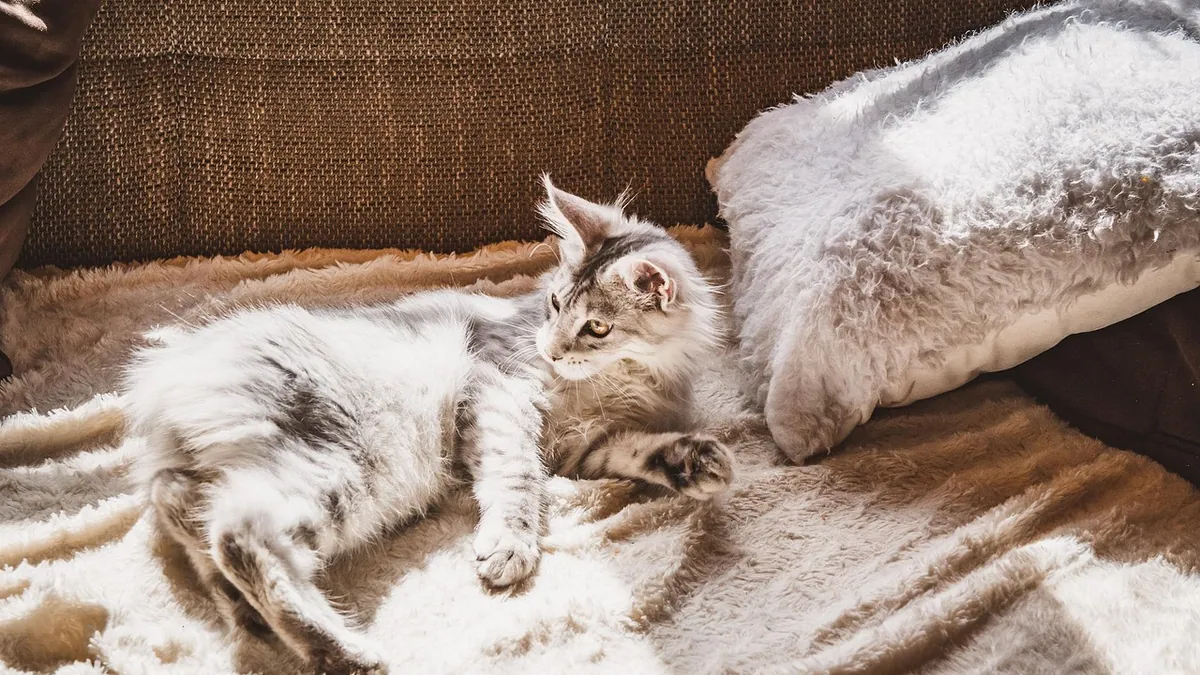
Is orange essential oil toxic to cats? Yes. Oranges themselves are not a problem, but concentrated orange essential oil is. Citrus oils contain compounds called limonene, and cats lack the liver enzyme needed to break these compounds down, so even small exposures can cause drooling, skin burns, tremors, and other neurologic signs [1].
This article is educational and is not a substitute for veterinary diagnosis or treatment.
Quick Answer
- Orange essential oil is toxic to cats. It is on the list of essential oils known to cause poisoning in cats, along with pine, peppermint, cinnamon, clove, eucalyptus, tea tree, wintergreen, and ylang ylang oils [1].
- Cats are unusually sensitive because they cannot efficiently metabolize and clear these compounds through the liver [1].
- Diffusers are a real risk. Cats breathe in the mist and can also absorb oil through their skin or groom it off their coat [2].
- Signs include drooling, vomiting, wobbliness, tremors, low heart rate, low body temperature, and in severe cases liver failure [1].
- If your cat was exposed, call your veterinarian, the ASPCA Animal Poison Control Center at (888) 426-4435, or Pet Poison Helpline at (855) 764-7661 right away. Do not induce vomiting unless a veterinarian tells you to.
Is Orange Essential Oil Toxic to Cats?
Yes. Orange essential oil is a citrus oil, and citrus oils are specifically named among the essential oils known to cause poisoning in cats [1]. The same is true for other citrus essential oils, including lemon, lime, grapefruit, bergamot, and tangerine oils, because they share the same family of toxic compounds.
It helps to separate the fruit from the oil. A cat sniffing or even eating a bit of orange flesh is a different situation from a cat contacting concentrated orange oil. The oil is the concentrated, distilled fraction of the plant, and concentration drives risk. The higher the concentration of the essential oil, the greater the danger to the cat [1][2].
Which products contain orange oil or limonene
You may not realize how many items in your home carry citrus oil. Common sources include:
- Essential oil bottles and blends, including "energizing" or "uplifting" blends
- Ultrasonic and nebulizing diffusers
- Reed diffusers and scented candles (lower risk, but still a concern)
- Cleaning sprays, floor cleaners, and furniture polish
- Air fresheners and car vent clips
- Flea shampoos, dips, and sprays marketed as natural
- Hand lotions, massage oils, and lip balms
That last group matters more than people expect. A cat who rubs against your freshly moisturized hands and then grooms can swallow a meaningful amount of oil.
The Toxic Principle: Limonene and What It Does in the Body
The main culprit in orange oil is d-limonene, a compound that gives citrus its smell. Limonene is also used in some insecticidal products, and cats are known to be susceptible to poisoning from products containing d-limonene, linalool, and crude citrus oil extracts [3].
Here is the core problem. Essential oils are absorbed quickly through the gut, the skin, the lungs, and mucous membranes, and systemic absorption should be expected after exposure [2]. Once absorbed, they are processed by the liver. Cats lack an essential enzyme in the liver, so they have trouble metabolizing and eliminating certain toxins like essential oils [1]. The oil keeps circulating instead of being cleared, which is why a small exposure can produce big signs.
Cats are also very sensitive to phenols and phenolic compounds found in some essential oils [1]. Limonene itself is a hydrocarbon instead of a phenol, but the broader point stands: feline liver chemistry makes cats poor candidates for any concentrated plant oil.
Why diffusers are a bigger deal than many owners think
Passive diffusers, such as reed diffusers and candles, do not emit actual droplets of oil, so unless the diffuser is tipped over, the main hazard is respiratory irritation [2]. That is a meaningful distinction.
Ultrasonic and nebulizing diffusers are different. They aerosolize oil into fine droplets that hang in the air. Your cat breathes those droplets into the lungs, where absorption is fast [2]. The oil also settles on fur, and cats groom constantly. So a diffuser can deliver a dose through two routes at once, inhalation and ingestion.
Small rooms, closed doors, and long run times all raise the exposure. A cat cannot leave a room the way a person can, and cats often seek out warm, quiet spaces where mist collects.
Signs of Orange Oil Poisoning in Cats and Their Timeline
Signs depend on how your cat was exposed and how much oil was involved [1]. Reported signs of d-limonene toxicosis in cats include excessive salivation, marked hypothermia, shivering, and ataxia [4]. Other sources describe hypersalivation, muscle tremors, ataxia, depression, and hypothermia [3].
Timeline you can expect
Timing varies with the route and the amount, but the pattern is fairly consistent.
- Minutes to a few hours after skin contact: drooling, skin redness, and irritation at the contact site. In one reported case, a cat developed coalescing red patches on the skin the day after being groomed with a d-limonene-based shampoo, along with lethargy, loss of appetite, vocalization, and abnormal aggressive behavior [5].
- Within hours of ingestion: hypersalivation, vomiting, and wobbliness.
- Within hours to a day: tremors resembling shivering, low body temperature, and depression [3][4].
- Severe or delayed cases: breathing difficulty, slow heart rate, and liver failure are possible with essential oil poisoning in cats [1].
In a controlled study of cats given a d-limonene insecticidal dip on the skin, no signs appeared at the manufacturer's recommended dilution. At five times that concentration, signs were mild and included short drooling, ataxia, and shivering tremors. At fifteen times the recommended concentration, cats had drooling lasting 15 to 30 minutes, moderate to severe ataxia lasting 1 to 5 hours, shivering tremors lasting 1 to 4 hours, and severe low body temperature starting soon after treatment and lasting 5 hours. No deaths or lasting effects occurred at any of those levels [6].
That study is reassuring in one sense and cautionary in another. It shows that dilute, brief contact may cause only mild and temporary signs. It also shows how quickly signs escalate as concentration rises, which is exactly the problem with undiluted essential oil.
Skin damage is possible
Skin reactions are not always mild. A cat groomed with a d-limonene-based insecticidal shampoo developed acute necrotizing dermatitis and septicemia, with microscopic evidence of acute coagulative epidermal necrosis and heavy bacterial invasion of the dermis. The cat deteriorated despite supportive care [5]. Another report describes a dog dipped with a d-limonene compound who developed a blistering skin disorder that progressed to severe coalescing necrotizing dermatitis with large areas of skin sloughing, and recovered with corticosteroids and intensive care [7].
These are uncommon outcomes, and they involved concentrated insecticidal products instead of a drop of oil from a bottle. Still, they show that citrus compounds applied to skin can, in the wrong circumstances, cause serious damage.
What to Do Right Now If Your Cat Was Exposed
Act quickly, and do not wait for signs to appear.
- Move your cat away from the source. Turn off the diffuser, open windows, and move your cat to fresh air in a different room.
- Call for guidance. Contact your veterinarian, the ASPCA Animal Poison Control Center at (888) 426-4435, or Pet Poison Helpline at (855) 764-7661. Both poison control services charge a consultation fee and can advise on your specific situation.
- Do not induce vomiting unless a veterinarian tells you to. Inducing vomiting at home can cause aspiration and make things worse.
- If oil is on the skin or coat, ask before bathing. Your veterinarian will tell you whether bathing with a mild detergent is appropriate for your cat right now. In some cases, bathing is helpful. In others, it can spread the oil or stress a cat who is already unstable.
- If oil is in the eyes or mouth, rinse gently with water and call right away.
- Save the container. Knowing the product name, concentration, and amount involved helps the veterinarian and the poison control team enormously.
- Do not give food, milk, oil, or home remedies. These do not neutralize the toxin and can complicate treatment.
If your cat is having trouble breathing, is having seizures, is unresponsive, or has a very low body temperature, treat it as an emergency and go to the nearest veterinary hospital now.
How Veterinarians Treat Citrus Oil Poisoning in Cats
There is no antidote that reverses limonene poisoning. Treatment is supportive and is tailored to your cat's signs.
Your veterinarian will likely start with a full physical exam, including heart rate, respiratory rate, and body temperature. Blood work helps assess liver values, electrolytes, and overall stability. If the exposure was recent and your cat is stable, the veterinarian may decontaminate by bathing the coat with a mild detergent or, in some cases, giving activated charcoal by mouth. The dose and route are calculated from your cat's weight and health status, so this is always a veterinary decision.
From there, care may include:
- Intravenous fluids to support circulation and help the body clear the toxin
- Warming measures for hypothermia, which is a common and sometimes severe sign [3][6][4]
- Medications to control tremors, vomiting, or nausea
- Oxygen therapy if breathing is affected
- Liver support if liver values are abnormal
- Antibiotics and wound care if the skin is damaged or infected [5]
Hospitalization may last a day or several days depending on how your cat responds. Cats who develop severe skin infections or systemic illness need more intensive care, and in the reported necrotizing dermatitis case, treatment for septicemia and disseminated intravascular coagulation along with intensive supportive care was necessary [5].
Outlook After Orange Oil Exposure
The outlook is generally good when exposure is small, recognized early, and treated promptly. In the d-limonene dip study, even cats exposed to fifteen times the recommended concentration recovered fully, with no deaths or lasting effects at any dosage tested [6]. A dog with severe skin sloughing after a d-limonene dip recovered completely with corticosteroids and extensive supportive care [7].
The harder cases involve concentrated products, large skin areas, delayed treatment, or cats who develop liver or systemic complications. Essential oil poisoning in cats can include liver failure, which is a serious diagnosis [1]. That is why early contact with a veterinarian matters more than any at-home guesswork.
Prevention and Safer Alternatives
The simplest and most reliable step is to stop using orange essential oil and other citrus oils in any form around your cat. That includes diffusers, sprays, candles, cleaning products, and topical products.
If you love citrus scent, choose products that do not rely on essential oils, or skip scent entirely in rooms your cat uses. A cat's sense of smell is far more sensitive than yours, and a scent you find pleasant may be overwhelming or irritating to them.
Some practical habits that lower risk:
- Keep all essential oil bottles closed and stored out of reach, ideally in a cabinet your cat cannot open
- Never apply essential oil to your cat's skin, coat, or bedding
- Wash your hands after using lotions, oils, or cleaning sprays, before you touch your cat
- Avoid running diffusers in small, closed rooms where your cat spends time
- Check labels on "natural" flea products, since citrus compounds appear in some of them
- Choose physical flea control recommended by your veterinarian instead of botanical sprays and dips
For a broader look at which oils and products are safe around pets, see Are Essential Oils Safe for Cats and Dogs?. If you are also considering supplements like CBD, CBD Oil for Cats: Feline Safety Profile and THC Toxicity covers what is known about feline safety. And if you are scent-proofing your home with plants instead of oils, check Flowers Toxic To Cats before you bring anything new indoors.
Limitations and When to Contact a Veterinarian
No article can tell you how your individual cat will respond to a specific exposure. The amount, concentration, route, and your cat's underlying health all change the picture. Your veterinarian needs to evaluate your cat in person.
Contact a veterinarian or poison control the same day if:
- You know or suspect your cat licked orange oil, walked through a spill, or was sprayed with a citrus product
- Your cat is drooling more than usual, vomiting, or seems off balance
- You notice redness, crusting, or hair loss where oil touched the skin
- Your cat was in a room with a running diffuser for more than a short time
Go to an emergency hospital now if:
- Your cat is having tremors, seizures, or cannot stand
- Breathing is fast, noisy, or labored
- Your cat is limp, unresponsive, or feels cold to the touch
- You see severe skin damage, open sores, or peeling skin
Schedule a routine visit if:
- Signs were mild and have resolved, but you want blood work to check liver values
- Your cat had skin contact and the area still looks irritated after a few days
- You want help choosing cat-safe flea control or household cleaning products
Frequently Asked Questions
Can my cat get sick from an orange oil diffuser in the next room?
Yes, it is possible, especially with ultrasonic or nebulizing diffusers that release fine droplets into the air. Cats absorb these oils through the lungs and can also groom them off their fur after they settle [2]. Passive diffusers like reed diffusers and candles mainly pose a respiratory irritation risk unless they are tipped over [2].
What happens if my cat licks orange oil off its fur?
Signs can include drooling, vomiting, wobbliness, tremors, and a drop in body temperature [1][3]. Cats are efficient groomers, so any oil on the coat tends to end up in the mouth. Call your veterinarian or a poison control line right away instead of waiting to see what happens.
Is limonene the same thing as orange oil?
Limonene is the main toxic compound in orange oil, but orange oil contains other compounds too. Limonene is also used in some insecticidal products, and cats are known to be susceptible to poisoning from d-limonene, linalool, and crude citrus oil extracts [3]. Products labeled as natural flea control can still contain these compounds.
Are all citrus essential oils dangerous to cats, or just orange?
All citrus essential oils carry similar risk because they share limonene and related compounds. Citrus oil, listed as d-limonene, appears among the essential oils known to cause poisoning in cats [1]. Lemon, lime, grapefruit, bergamot, and tangerine oils should be treated the same way.
Can a tiny amount of orange oil really hurt my cat?
It depends on the concentration and the route. The higher the concentration of the essential oil, the greater the risk to the cat [1][2]. In one study, cats exposed to a d-limonene product at five times the recommended dilution had only mild, short-lived signs, while fifteen times the dilution caused hours of ataxia, tremors, and severe low body temperature [6]. Undiluted oil from a bottle is far more concentrated than any of those dilutions.
Related Articles
- Are Essential Oils Safe for Cats and Dogs?
- CBD Oil for Cats: Feline Safety Profile and THC Toxicity
- Flowers Toxic To Cats
- Are Orchids Toxic To Cats
- Flowers That Are Toxic To Cats
- What Plants And Flowers Are Toxic To Cats
- Is Tea Tree Oil Toxic to Cats? Diffusers, Fumes and Drops
- Is Peppermint Oil Toxic to Cats? Diffuser and Smell Risks
- Are Lemon and Lemongrass Oils Toxic to Cats?
References
- Essential Oils and Cats. Pet Poison Helpline.
- Toxicoses From Essential Oils in Animals - Toxicology. Merck Veterinary Manual.
- Toxicology of selected pesticides, drugs, and chemicals. D-limonene, linalool, and crude citrus oil extracts. The Veterinary clinics of North America. Small animal practice, 1990.
- Toxicity of Insecticides and Skin Care Products of Botanical Origin. Veterinary dermatology, 1995.
- Acute necrotizing dermatitis and septicemia after application of a d-limonene-based insecticidal shampoo in a cat. Journal of the American Veterinary Medical Association, 2002.
- Effects of an insecticidal dip containing d-limonene in the cat. Journal of the American Veterinary Medical Association, 1986.
- Toxic epidermal necrolysis associated with flea dips. Veterinary and human toxicology, 1992.