Is Citronella Oil Toxic to Cats? Candles and Sprays
By Dr. Zubair Khalid, DVM, MS, PhD ·
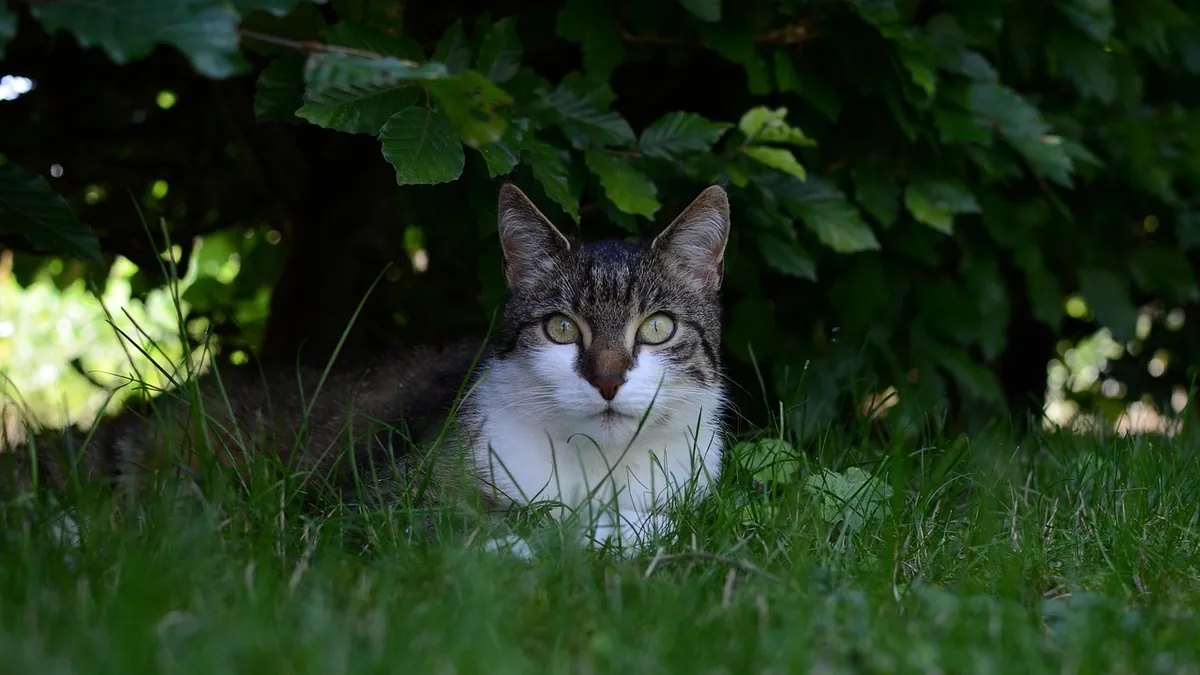
Is citronella oil toxic to cats? Yes, concentrated citronella oil can be toxic to cats, and cats are especially sensitive to essential oils in general [1]. The risk depends on the form and the amount. A citronella candle burning across the room is a much smaller problem than a spilled bottle of 100% oil or a spray applied directly to your cat.
This article is educational and is not a substitute for veterinary diagnosis or treatment.
Quick Answer
- Concentrated citronella essential oil is the most dangerous form. Cats lack an essential liver enzyme, so they clear certain essential oil compounds poorly, and the higher the concentration, the greater the risk [1].
- Citronella candles and incense are a low but real risk. The main hazards are smoke irritation, burns, and a cat knocking over hot wax, not the scent itself.
- Citronella insect sprays are risky when they contain concentrated oil or other insecticides. Never spray a citronella product directly on your cat.
- Signs of essential oil poisoning in cats include drooling, vomiting, wobbliness, tremors, breathing trouble, slow heart rate, low body temperature, and liver failure [1].
- If you suspect your cat licked or absorbed citronella oil, call your veterinarian, the ASPCA Animal Poison Control Center at (888) 426-4435, or Pet Poison Helpline at (855) 764-7661 right away. Do not induce vomiting unless a veterinarian tells you to.
Is Citronella Oil Toxic to Cats?
Citronella oil comes from Cymbopogon grasses, and its main components include citronellal, geraniol, and other plant compounds [2]. These same compounds are what make citronella useful as an insect repellent. They are also what make concentrated oil a problem for cats.
The core issue is how cats handle essential oils. Oils are absorbed quickly through the mouth and across the skin, then broken down in the liver [1]. Cats lack an essential enzyme in that liver pathway, so they have trouble metabolizing and eliminating certain toxins, including essential oils [1]. Cats are also very sensitive to phenols and phenolic compounds found in some oils [1].
Citronella is not on the list of essential oils best known for causing poisoning in cats, which includes wintergreen, sweet birch, citrus, pine, Ylang Ylang, peppermint, cinnamon, pennyroyal, clove, eucalyptus, and tea tree [1]. That does not make citronella safe. It means the exact outcome depends on the product, the concentration, and how much your cat was exposed to.
One useful reference point comes from animal feed safety work. When citronella oil was evaluated as a feed additive, the level considered of low concern for cats was 2.0 mg per kg of complete feed [3]. That is a tiny, controlled amount in food. A bottle of undiluted oil or a spray soaked into fur is a completely different exposure.
Which Citronella Products Are Actually Dangerous?
Citronella Essential Oil
This is the highest-risk form. A 100% essential oil is the most concentrated version you can buy, and concentration drives risk in cats [1]. A few licks from a spilled bottle, or oil rubbed into the coat, can deliver far more than a cat's body can clear.
Citronella Candles
A citronella candle burning on a shelf is unlikely to poison your cat through the scent alone. The realistic dangers are smoke and soot irritating the eyes and airways, a cat brushing against the flame, and hot wax splattering or being licked off fur. If your cat eats a chunk of citronella wax, call poison control for guidance based on the ingredients and the amount.
Citronella Sprays and Insect Sprays
This category covers a wide range. Some products are mostly alcohol and fragrance. Others contain concentrated citronella oil, and outdoor or yard sprays may contain additional insecticides. Never spray any of these directly onto your cat, and keep your cat away from treated surfaces until they are fully dry.
Citronella Incense and Diffusers
Incense, plug-in diffusers, and passive diffusers put oil into the air. A cat in the same room may breathe it in and may also groom oil residue off the coat. Cats with asthma or other breathing problems are the most likely to react. If your cat coughs, sneezes, or seems uncomfortable when incense burns, move the cat to fresh air and stop using the product.
The Smell of Citronella
Many owners ask whether the smell alone is toxic. For a cat in a well-ventilated room with a candle or incense burning, serious poisoning from the smell is unlikely. The bigger concerns are irritated airways, stress, and the chance that your cat walks through or lies in the product and then grooms it off. Strong smells can also bother cats with sensitive respiratory tracts.
What Citronella Does in a Cat's Body
Once a cat swallows essential oil or absorbs it through the skin, the compounds enter the bloodstream and travel to the liver for processing [1]. Because cats clear these compounds slowly, the oil and its breakdown products can build up and affect multiple body systems [1].
The nervous system is often hit first, which is why wobbliness, tremors, and drooling show up early. The digestive tract reacts with vomiting. In serious cases, the heart rate drops, body temperature falls, breathing becomes labored, and liver damage develops [1]. These problems can progress quickly in a small animal.
Skin contact matters too. Oil left on the coat can cause irritation and then be swallowed during grooming. That is why a cat who walks through a spill and cleans herself can end up with the same signs as a cat who licked the bottle.
Signs of Citronella Poisoning in Cats
Signs depend on the oil involved and the amount of exposure, and they can include drooling, vomiting, tremors, ataxia (wobbliness), respiratory distress, low heart rate, low body temperature, and liver failure [1].
Watch for these in the hours after any suspected exposure:
- Drooling or lip smacking
- Vomiting or retching
- Unsteady walking, stumbling, or weakness
- Muscle twitching or tremors
- Fast, noisy, or labored breathing
- Lethargy or collapse
- Cool body temperature
- Yellow tint to the gums, skin, or eyes (a liver sign that appears later)
How Fast Do Signs Appear?
Signs usually appear within minutes to a few hours of a mouth or skin exposure, since oils are absorbed quickly [1]. Liver-related signs can take longer to show up. If your cat looks normal right after a spill, that does not mean she is fine. Keep watching and call for advice.
What to Do Right Now
- Move your cat away from the product and into fresh air.
- If oil is on the coat, do not let your cat keep grooming. Wipe the area with a damp cloth and mild dish soap, then rinse well. Wear gloves if you can.
- Save the product container or take a photo of the label. The exact ingredients and concentration guide treatment.
- Call your veterinarian, the ASPCA Animal Poison Control Center at (888) 426-4435, or Pet Poison Helpline at (855) 764-7661.
- Do not induce vomiting unless a veterinarian tells you to. Vomiting an oil can make things worse if it is inhaled into the lungs.
- Do not give food, milk, oil, or home remedies to "soak up" the toxin.
If your cat is having trouble breathing, is having seizures, or has collapsed, treat it as an emergency and go to the nearest veterinary hospital now.
How Veterinarians Treat Citronella Poisoning
Treatment depends on how your cat was exposed and how sick she is. Your veterinarian will calculate any medication dose from your cat's weight and current health, so no dose can be given here.
For a recent mouth exposure, the veterinarian may decontaminate by carefully cleaning the mouth and, in some cases, giving activated charcoal. Inducing vomiting is a decision the veterinarian makes, not something to try at home. For skin exposure, repeated bathing with a degreasing soap removes oil from the coat and stops further absorption.
Supportive care is the backbone of treatment. That can include intravenous fluids, medications to control vomiting, oxygen for breathing trouble, and warming for low body temperature. Cats with tremors or seizures may need anticonvulsant drugs. Blood work checks the liver and other organs, and repeated testing tracks how the cat is responding.
If you have other plants or flowers in the house, it helps to know which ones are risky too. You can review Plants Toxic To Cats and Flowers That Are Toxic To Cats before your next trip to the garden center.
Outlook After Exposure
The outlook is good for cats with mild exposure who get prompt care. Drooling and vomiting often settle with supportive treatment. Cats with tremors, breathing problems, or liver involvement need closer monitoring and a longer hospital stay, and the outcome depends on how much oil was absorbed and how quickly treatment started.
Cats who recover from liver damage may need follow-up blood work to confirm the liver is returning to normal. Ask your veterinarian when a recheck is appropriate for your cat.
Prevention and Safer Alternatives
The simplest prevention is to keep concentrated citronella oil out of your home, or locked away where your cat cannot reach it. Never apply essential oil to your cat's skin, collar, or bedding. Never spray citronella products on your cat or on surfaces she licks.
If you use citronella candles or incense outdoors, keep your cat inside and away from the smoke. Store candles, wax melts, and sprays in closed cabinets. Clean up spills immediately with paper towels you throw away, not rags your cat can find.
For mosquito and flea control, talk to your veterinarian about cat-safe products. Citronella has shown insect-repellent and insecticidal activity in laboratory testing against cat fleas, but that does not mean a home remedy is safe or effective for your cat [4]. Citronella extract has also shown antifungal activity against a fungus that causes ringworm in animals and home environments, which is another reason people reach for it, but again, that is laboratory data, not a treatment plan for your pet [5].
If you want to make your home less inviting to pests, focus on screens, standing water, and veterinary-approved preventives. If you are choosing plants for your yard or home, check What Plants And Flowers Are Toxic To Cats first.
Limitations and When to Contact a Veterinarian
This article cannot tell you whether your specific cat was exposed to a dangerous amount. That depends on the product, the concentration, your cat's weight, and her health. Individual cases need a veterinarian.
Call your veterinarian or a poison control line the same day if your cat licked citronella oil, walked through a spill, or was sprayed with a citronella product, even if she seems fine right now.
Go to an emergency clinic now if your cat is having trouble breathing, has tremors or seizures, cannot stand, has a very slow heartbeat, feels cold to the touch, or is unresponsive.
Schedule a routine visit if a mild exposure happened days ago and your cat seems tired, is eating less, or has any change in behavior. Blood work can check the liver and other organs.
Frequently Asked Questions
Is citronella candle toxic to cats?
A citronella candle is a low poisoning risk through scent alone, but it is still not safe to leave burning around a cat. The real dangers are burns from the flame, hot wax on the coat, and a cat eating the wax. If your cat eats candle wax, call poison control with the ingredient list.
Is citronella essential oil toxic to cats?
Yes, concentrated citronella essential oil can be toxic to cats, and cats clear essential oils poorly because they lack a key liver enzyme. The more concentrated the oil, the greater the risk. Keep bottles sealed and out of reach, and never apply oil to your cat.
Is citronella spray toxic to cats?
It depends on the spray. Products with concentrated citronella oil or added insecticides are the most dangerous, and none should be sprayed directly on a cat. Keep your cat away from treated areas until they are dry, and call poison control if she licks a sprayed surface.
Is the smell of citronella toxic to cats?
The smell alone is unlikely to poison a cat in a ventilated space, but smoke and strong fragrance can irritate the eyes and airways. Cats with asthma or other breathing problems are most at risk. If your cat coughs or seems distressed, move her to fresh air and stop using the product.
Is citronella incense toxic to cats?
Citronella incense carries the same concerns as candles, mainly smoke irritation and the chance your cat brushes against or eats the product. It is not a safe thing to burn in a closed room with a cat. If your cat shows breathing trouble or drooling after being near incense, call your veterinarian.
Related Articles
- Flowers That Are Toxic To Cats
- Flowers Toxic To Cats
- What Flowers Are Toxic To Cats
- What Plants And Flowers Are Toxic To Cats
- Plants Toxic To Cats
- House Plants Toxic To Cats Pictures
- Is Citronella Plant Toxic to Cats? Geranium Risk
- Are Scented Candles Toxic to Cats? Wax, Smoke and Oils
- Are Lemon and Lemongrass Oils Toxic to Cats?
References
- Essential Oils and Cats. Pet Poison Helpline.
- In vivo mosquito repellency effect of citronella (Cymbopogon nardus (L.) Rendle) essential oil bath bomb formulation in dogs. Veterinary world, 2024.
- Safety and efficacy of a feed additive consisting of an essential oil derived from the leaves of Cymbopogon nardus (L.) Rendle (citronella oil) for use in all animal species (FEFANA asbl). EFSA journal. European Food Safety Authority, 2024.
- In vitro insecticidal and repellent activity of Cymbopogon essential oils and geraniol against cat flea. Veterinary parasitology, 2026.
- ANTIFUNGAL ACTIVITY OF Cymbopogon nardus (L.) Rendle (CITRONELLA) AGAINST Microsporum canis FROM ANIMALS AND HOME ENVIRONMENT. Revista do Instituto de Medicina Tropical de Sao Paulo, 2015.