Mold Poisoning in Dogs: Moldy Food, Compost, and Tremors
By Dr. Zubair Khalid, DVM, MS, PhD ·
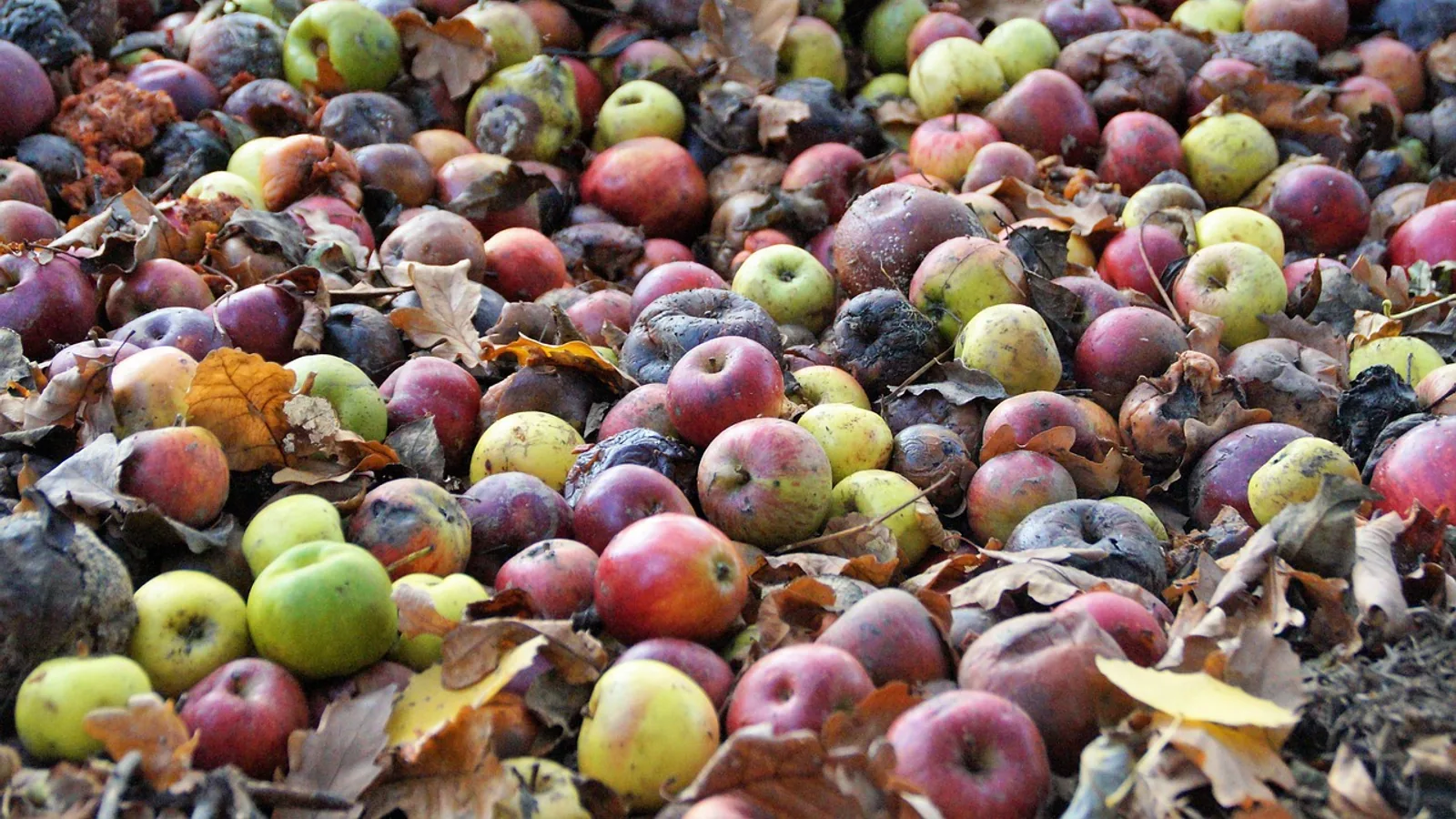
Mold poisoning in dogs is a real emergency when the mold is growing on spoiled food, garbage, or compost. The danger is not the fuzzy surface itself. The danger is the mycotoxins, chemical compounds that molds such as Penicillium crustosum and Aspergillus species produce as they digest the food. One group, the tremorgenic mycotoxins, attacks the nervous system and can cause rapid, violent tremors, seizures, and dangerous overheating within minutes to hours of a dog eating moldy scraps [1][2][3]. A second group, the aflatoxins, damages the liver and can kill a dog over one to three days even when the first signs look mild [4][5].
If your dog just ate moldy food, compost, or garbage, treat it as a poisoning until a veterinarian says otherwise. Call your veterinarian, an emergency clinic, or a pet poison helpline immediately. Do not wait for tremors to start. Do not try to make your dog vomit unless a veterinarian tells you to. Bring the moldy material, the packaging, or a photo of it with you, because identifying the mold and the food helps guide testing and treatment.
This article is educational and is not a substitute for veterinary diagnosis or treatment.
At a Glance: Mold Risks for Dogs
| Source | Main toxin risk | Typical timeline | Signature signs | Core concern |
|---|---|---|---|---|
| Moldy bread, pasta, rice, cheese, nuts | Tremorgenic mycotoxins (penitrem A, roquefortine C) | Minutes to a few hours | Tremors, ataxia, agitation, vomiting, seizures | Neurologic emergency, hyperthermia |
| Compost, garbage, fallen fruit | Tremorgenic mycotoxins from Penicillium | Minutes to a few hours | Same as above, often after scavenging | Rapid onset, aspiration risk during tremors |
| Contaminated commercial dog food or moldy grain | Aflatoxins from Aspergillus | Hours to 3 days | Vomiting, lethargy, jaundice, black stool | Liver failure, high mortality |
| Household mold on walls, grout, windows | Spores and mold fragments | Variable, often respiratory | Coughing, sneezing, eye or nose irritation | Evidence is thin for systemic poisoning |
What Mold Poisoning Actually Means
Mold is a fungus. When it grows on food, it releases enzymes that break the food down and secondary metabolites that help it compete with bacteria and other fungi. Those secondary metabolites are the mycotoxins. Not every mold makes toxins, and a mold that makes toxins on one food may make different ones on another. That variability is exactly why owners cannot judge risk by appearance. A slice of bread with a small green patch can carry a meaningful dose of penitrem A, while a heavily molded item may carry less.
Two toxin families matter most for dogs.
The first is the tremorgenic mycotoxins. Penitrem A is the best documented. It is produced mainly by Penicillium crustosum, a common spoilage mold on refrigerated and room-temperature foods [2][6]. Roquefortine C is produced by some of the same Penicillia, including P. crustosum and Penicillium roqueforti, the mold used to make blue cheese [7]. Penitrem A is lipophilic, meaning it dissolves in fat. That property lets it cross the blood-brain barrier and reach the central and peripheral nervous systems, where it disrupts neurotransmitter release and produces tremors [2]. Roquefortine C has been used as a biomarker for penitrem A exposure, and in natural cases where both are found, roquefortine C is usually present at higher concentrations than penitrem A [7]. Whether roquefortine C itself causes the tremors is debated. One analysis questioned the tremorgenicity of roquefortine and its contribution to the syndrome [8].
The second family is the aflatoxins, produced by Aspergillus flavus, Aspergillus parasiticus, and Aspergillus nomius [5]. Aflatoxins are not tremorgenic. They are hepatotoxic. They react with DNA and proteins in liver cells and cause fatty change or outright necrosis [5]. Dogs are extremely sensitive to aflatoxins, and aflatoxicosis is rarely reported but often fatal when it occurs [4][9].
How Dogs Get Exposed
Dog Ate Moldy Food
The classic scenario is a dog pulling moldy food out of the trash or off a counter. Published cases describe dogs poisoned after eating moldy dairy products and moldy macaroni and cheese from household garbage [1]. Another case involved a moldy hamburger bun, from which P. crustosum and penitrem A were isolated [10]. A South African report described two dogs that developed tremors after eating discarded rice that had been forgotten in a refrigerator and was covered with grey-green mold. That rice contained penitrem A at 2.6 micrograms per gram and roquefortine at 34 micrograms per gram [8].
The foods most often implicated share a pattern. They are carbohydrate-rich or dairy-rich, they sat at room temperature or in a refrigerator for days, and they grew visible Penicillium mold. Bread, buns, pasta, rice, cream cheese, and other soft cheeses fit this profile [1][10][8].
Dog Ate Compost
Compost piles are a concentrated mold environment. They stay warm and moist, which is ideal for fungal growth, and they often contain fruit, bread, and grains. The toxicokinetics literature specifically notes that dogs are exposed to penitrem A by eating spoiled food waste or fallen fruit [2]. A compost bin or an open compost heap combines all of these risks in one place. A dog that raids compost is eating a mixed, unpredictable dose of whatever mold has colonized the pile.
Dog Ate Garbage
Garbage is the intersection of moldy food, spoiled dairy, and discarded scraps. In the original two-dog report, both animals consumed moldy dairy products found in household garbage, and the remaining portions were analyzed for roquefortine and penitrem A [1]. Garbage raids often happen when owners are away, so the exact material and amount are unknown. That uncertainty is a reason to seek care early rather than monitor at home.
Contaminated Commercial Dog Food and Grain
Aflatoxin exposure usually comes from manufactured food, not from a trash raid. Outbreaks in dogs have been traced to contaminated commercial dry food [11][12]. In a 2011 South African outbreak, low-cost pelleted dog food was contaminated with very high aflatoxin concentrations, ranging from below the limit of quantification to 4946 micrograms per kilogram. An estimated 220 or more dogs died [11]. A later analysis of 60 dog food samples after that outbreak found 87 percent contaminated with aflatoxins, and 75 percent exceeded 20 parts per billion, the limit set by most countries [12]. Aflatoxicosis has also been reported after dogs ate moldy bread, and periodic outbreaks occur, including in the United States in late 2020 to early 2021 [5]. In Serbia, 19 dogs across three shelters died within days of sudden jaundice after eating contaminated food [9]. In Southern Malawi, dogs died of liver failure after eating aflatoxin-contaminated maize that people were also consuming [13]. Aflatoxin contamination of dry dog food has been documented in Nigeria as well, with aflatoxin B1 the most abundant fraction [14].
The takeaway for owners is that aflatoxin is a food-supply problem, not only a trash problem. Recalls and quality control matter.
Household Mold Exposure
Owners often ask whether mold growing on a bathroom wall or under a sink can poison a dog. The evidence here is thin and different in kind. Household mold exposure is primarily an inhaled-spore and allergen issue, not a mycotoxin ingestion issue. The Environmental Protection Agency advises fixing water problems and cleaning mold promptly because mold grows where moisture is present [15]. The New Jersey Department of Health frames indoor mold as an environmental health concern tied to dampness [16]. Pet poison resources note that mold can make dogs sick, but the well-documented poisonings involve eating moldy material, not breathing spores [17][18]. This article treats household mold as a respiratory and irritant concern with limited evidence for systemic poisoning. If a dog is coughing, sneezing, or having eye and nose irritation in a damp home, that is worth a veterinary visit, but it is a different problem from tremorgenic mycotoxicosis.
The Physiology: Why Tremors Happen
Penitrem A is a large, fat-soluble molecule. After a dog eats it, the toxin is absorbed from the gut and distributed widely. In mice, penitrem A was absorbed and found in the gastrointestinal tract, liver, kidneys, and brain, with the highest concentrations one hour after dosing. Elimination was mainly hepatic [19]. An in vitro study using dog liver microsomes identified eleven phase I metabolites of penitrem A, mostly oxidation products, and predicted a maximal bioavailability above 50 percent [2]. That high bioavailability helps explain why a modest amount of moldy food can produce dramatic signs.
Once in the brain, penitrem A targets neuroreceptors and neurotransmitter release mechanisms [2]. The result is uncontrolled motor activity. In mice, the lowest tremor-inducing oral dose of penitrem A was 0.50 mg/kg body weight, and the estimated half maximal effective dose on a visual tremor scale was 2.74 mg/kg. Mice given the maximum dose of 8 mg/kg developed severe spontaneous tremors and convulsions [19]. These are mouse data, not dog doses, and they should not be used to calculate a dog's risk. They do show how steep the dose-response curve is.
The tremors are not benign twitching. Sustained muscle activity generates heat. A dog with continuous tremors can become hyperthermic, and hyperthermia adds its own dangers. Severe agitation and seizures can follow, and in one report a dog needed anesthesia with thiopentone to control the episode [8]. Aspiration pneumonia is a common complication because trembling, vomiting, and an unprotected airway combine badly. In one case series, aspiration pneumonia was reported as the cause of death [1].
Aflatoxins work differently. They are activated by liver enzymes into reactive metabolites that bind DNA and proteins, causing centrilobular necrosis and bile duct proliferation [5]. The liver fails, bilirubin rises, and the dog becomes jaundiced. Because the liver also makes clotting factors, bleeding into the gut can occur, which is why hematemesis, melena, and hematochezia appear in outbreak reports [11].
Risk Factors
Any dog that eats moldy material is at risk. The published cases span breeds and ages, including a one-year-old Siberian Husky [10] and multiple dogs in single households [3]. Four dogs from one household were affected simultaneously, which shows that when a shared food source is moldy, every dog that eats it can be poisoned [3].
Behavior is the biggest risk factor. Dogs that counter-surf, raid trash, or have access to compost are exposed far more often. Dogs in multi-dog homes may all eat the same bad item. Dogs with a history of scavenging fallen fruit are specifically noted as an exposed group [2].
Food storage is the other major factor. Rice forgotten in a refrigerator, dairy left in the trash, and buns kept past spoilage all appear in the case literature [1][10][8]. Commercial food quality is a factor for aflatoxin, since contamination comes from storage failures and poor ingredient quality that are often undetectable [4][20].
Age and breed predispositions are not well established in the tremorgenic mycotoxin literature. The honest position is that exposure, not breed, drives risk. Small dogs may reach a higher dose per kilogram from the same mouthful, which is a reasonable concern for owners of small dogs.
Clinical Signs: What Mold Poisoning Looks Like
Tremorgenic Mycotoxin Signs
The hallmark is rapid-onset tremor. In the two-dog report, the dogs developed muscle tremors or seizures that resembled strychnine poisoning [1]. The resemblance to strychnine is a recurring theme. In an Alberta review, five of six roquefortine-positive cases could not be distinguished from strychnine poisoning on clinical grounds alone [21]. That is why laboratory testing matters.
Signs reported across cases include:
- Vomiting, sometimes the first sign [8][22]
- Salivation [8]
- Muscle tremors, from fine to violent [1][10][2]
- Ataxia and unsteady gait [8][22]
- Agitation and hyperresponsiveness to touch or sound [8]
- Seizures [1][8][3]
- Tachycardia [22]
- Hyperthermia from sustained muscle activity
Onset is usually within minutes to a few hours of ingestion. In the rice case, both dogs vomited, then salivated, then developed tremors and ataxia, and one became so agitated and seizured that anesthesia was required [8].
Aflatoxin Signs
Aflatoxicosis looks like liver failure. In the South African outbreak, dogs were depressed to collapsed and icteric, with hematemesis, melena, and hematochezia [11]. In Serbia, dogs showed sudden jaundice of the oral mucosa without preceding behavioral changes, then progressed to loss of appetite, increased drinking, apathy, depression, abdominal swelling, bloody diarrhea, and melena, and all died [9]. In the Brazilian case, the dog had jaundice and apathy and died within three days [4]. In the Malawi report, clinical signs, blood results, and postmortem findings all pointed to liver failure as the cause of death [13].
The pattern to remember is that aflatoxin signs may lag. A dog can eat contaminated food and look normal for hours, then decline over one to three days.
Differential Diagnoses
Tremors in a dog are not specific to mold. Veterinarians consider strychnine poisoning, organophosphate and carbamate insecticide poisoning, metaldehyde, ethylene glycol, and other neurotoxins. In the South African rice case, testing ruled out organochlorine, organophosphate, and carbamate insecticides as well as strychnine before mycotoxins were confirmed [8]. Other causes of tremor include severe pain, hypocalcemia, hypoglycemia, heat stroke, and primary neurologic disease.
Aflatoxin has its own differentials, including other hepatotoxins, leptospirosis, and biliary disease. The characteristic blue-grey granular material found within bile ducts in the South African outbreak was a consistent and distinctive finding [11].
Because the clinical picture overlaps so heavily with other poisons, the history of possible moldy food, compost, or garbage exposure is one of the most valuable pieces of information an owner can provide.
Veterinary Examination and Diagnostics
History and Physical Examination
The veterinarian will ask what the dog ate, when, how much, and whether other dogs were exposed. Photos of the moldy material or the actual material are useful. Physical examination focuses on mental status, tremor severity, body temperature, heart rate, hydration, mucous membrane color, and signs of jaundice or bleeding.
Laboratory Testing
For suspected tremorgenic mycotoxicosis, the most useful samples are gastric contents, vomitus, serum, and urine. In a German case series of five dogs, gastric content from induced emesis or gastric lavage and serum were analyzed for penitrems A through F, paxilline, alpha-cyclopiazonic acid, and ergoline alkaloids. Enzyme immunoassay was positive for penitrem A in all gastric samples, and HPLC-MS/MS confirmed penitrems A through F, paxilline, and alpha-cyclopiazonic acid. Trace levels were also detected in serum. P. crustosum was isolated from the gastric content of all five dogs [6]. That study shows that gastric content is the highest-yield sample and that mold culture plus toxin analysis together give the strongest confirmation.
Roquefortine C can serve as a biomarker. A study of two penitrem A cases found roquefortine C in vomitus, serum, and urine, and concluded it can be a sensitive marker for penitrem A exposure. The same review found no case positive for penitrem A but negative for roquefortine C, and in cases where both were detected, roquefortine C was always higher [7]. A monoclonal antibody and competitive ELISA have been developed for screening roquefortine C in dog serum, with good recovery from spiked serum [23]. In practice, a veterinarian may test for roquefortine C when penitrem A testing is not readily available.
If stomach contents or vomitus are not available, bile and intestinal contents are recommended, because penitrem A and roquefortine are excreted through bile [21].
For suspected aflatoxicosis, diagnosis rests on history, clinical signs, liver enzyme and bilirubin testing, and laboratory confirmation of aflatoxin in the suspect food. In the Brazilian case, feed samples sent to a mycotoxicology laboratory confirmed high aflatoxin levels [4]. In the South African outbreak, 124 food samples were analyzed [11]. Necropsy and histopathology support the diagnosis, with fatty hepatosis, bile duct proliferation, and the characteristic bile duct material [11][5].
Imaging
Imaging is not specific for mycotoxin poisoning. Chest radiographs may be useful if aspiration pneumonia is suspected, since aspiration is a common and sometimes fatal complication [1].
Evidence-Based Management
Decontamination
The first goal is to limit absorption. If the dog is seen soon after ingestion and is stable, a veterinarian may induce vomiting or perform gastric lavage. In the German case series, gastric content was obtained by induced emesis or gastric lavage, and that material was then used for diagnosis [6]. Whether to decontaminate depends on timing, the dog's neurologic status, and the risk of aspiration. A dog that is already trembling or seizuring should not be made to vomit at home.
Activated charcoal is a common decontamination step in veterinary toxicology, but the sources here do not provide specific dosing or outcome data for mycotoxins, so owners should not administer it themselves.
Controlling Tremors and Seizures
Tremor control is the central treatment. In the four-dog household report, treatment goals included minimizing absorption, controlling tremors and seizures with methocarbamol and pentobarbital sodium, and providing supportive care. Two of the four dogs required ventilatory support [3]. In the rice case, one dog needed thiopentone anesthesia to control severe agitation and seizures, followed by xylazine on recovery, while the other dog was sedated with xylazine alone. Both recovered uneventfully [8].
The choice of drug and depth of sedation depends on severity. The key principle is that uncontrolled tremors and seizures must be broken, because they drive hyperthermia and exhaustion.
Supportive Care
Supportive care includes intravenous fluids, temperature management, and monitoring for aspiration pneumonia. The two-dog report emphasizes close monitoring because aspiration pneumonia is common and has been reported as the cause of death [1]. Dogs with severe tremors may need oxygen and, in some cases, mechanical ventilation [3].
Managing Aflatoxicosis
Aflatoxicosis treatment is supportive and aimed at liver failure. There is no antidote described in these sources. Management focuses on the consequences of liver injury. A review of aflatoxin in dogs discusses approaches such as supporting blood coagulation, controlling secondary infection, protecting the gastric mucosa, reducing oxidative stress, and using chemo-protectors and sequestrants, along with maximum permitted limits in feed [20]. Prognosis depends on the severity of liver damage, and mortality rates in dogs with aflatoxicosis are high [5].
Duration of Care
For tremorgenic mycotoxin poisoning, clinical signs gradually resolve within 24 to 48 hours with supportive care [1]. Most dogs that receive early aggressive treatment recover completely without lasting problems [3]. However, recovery is not always clean. In a Norwegian report of six dogs, one was euthanized in the acute phase, three recovered completely within a few days, and two still had neurologic signs four months later. One of those recovered over the next two to three months, while the other still had ataxia three years later [22]. That report is a reminder that severe cases can leave lasting deficits.
Unsafe Home Remedies and Common Mistakes
Do not induce vomiting at home unless a veterinarian instructs you to. A trembling or seizuring dog can aspirate vomit, and aspiration pneumonia is a documented cause of death in these cases [1].
Do not give human sedatives, antihistamines, or pain medications. The drugs used to control tremors, such as methocarbamol and pentobarbital, are prescription medications given under veterinary supervision [3].
Do not assume that scraping the mold off the food makes it safe. Mycotoxins diffuse into the food, and the visible mold is only the surface of the problem.
Do not wait for tremors to appear before calling for help. Some dogs vomit first and then deteriorate, and aflatoxin signs can take a day or more to show [8][4].
Do not let the dog "sleep it off." Continuous tremors cause hyperthermia and exhaustion, and the window for effective decontamination closes quickly.
Do not assume that a dog that seems fine after eating compost is out of danger. The dose and mold species are unknown, and onset can be rapid.
Prevention
Prevention is straightforward and highly effective.
Secure the trash. Use a locking or heavy lid, and empty kitchen scraps promptly. The original case report involved moldy dairy pulled from household garbage [1].
Manage compost carefully. Keep compost bins latched or fenced, and do not compost moldy bread, pasta, rice, or dairy where a dog can reach it. Fallen fruit should be picked up, because spoiled fruit is a documented exposure route [2].
Refrigerate and rotate food. The rice case involved food forgotten in a refrigerator for an undetermined period [8]. Label leftovers and discard them before mold appears.
Inspect bread, buns, and baked goods before feeding or discarding. A moldy hamburger bun was enough to poison a dog [10].
Store dry dog food properly. Keep it sealed, cool, and dry, and do not use food past its date or food that smells musty or looks discolored. Aflatoxin contamination comes from storage failures and poor ingredient quality [4][20]. Buy from reputable sources and watch for recalls. Periodic aflatoxin outbreaks in dogs have been reported, including in the United States in late 2020 to early 2021 [5].
Address household dampness. Fix leaks and dry wet areas, because mold grows where moisture is present [15]. This is primarily about indoor air quality and allergen load rather than systemic poisoning.
Train and manage scavenging. For dogs that counter-surf or raid bins, use barriers, closed bins, and supervision. This is behavior management, not a guarantee, but it removes the exposure.
Prognosis
For tremorgenic mycotoxicosis, the prognosis is good with early, aggressive treatment. Signs typically resolve within 24 to 48 hours, and recovery is often complete without lasting problems [1][3]. Severe cases can require anesthesia, ventilation, and prolonged hospitalization, and a minority of dogs have persistent neurologic deficits [22]. Aspiration pneumonia is the main complication to watch for and a reported cause of death [1].
For aflatoxicosis, the prognosis is guarded to poor. Mortality rates are high, and in several outbreaks most or all affected dogs died [11][5][9]. Survival depends on how much liver damage occurred before treatment began.
Emergency Red Flags
Seek emergency veterinary care immediately if your dog has any of the following after possible mold exposure:
- Muscle tremors or shaking that does not stop
- Seizures or collapse
- Vomiting, especially repeated vomiting
- Severe agitation, hypersensitivity to touch or sound, or inability to settle
- Panting, drooling, or a body temperature that feels very hot
- Yellow gums, eyes, or skin (jaundice)
- Black, tarry stool or vomiting blood
- Lethargy or depression that worsens over hours
Call ahead so the clinic can prepare for a seizuring or hyperthermic patient.
Limitations and When to Contact a Veterinarian
This article summarizes published veterinary literature on mold poisoning in dogs. It cannot tell you whether your individual dog was exposed to a dangerous dose, because the mold species, toxin type, toxin concentration, and amount eaten are almost always unknown. Individual cases need a veterinarian.
Contact a veterinarian or an emergency clinic right away if your dog ate moldy food, compost, or garbage, even if it seems fine. Contact them immediately if tremors, seizures, vomiting, agitation, jaundice, or black stool appear. Contact them if your dog is coughing or sneezing in a damp, moldy home and the signs persist, because that may be a respiratory or allergic problem that deserves evaluation. When you call, have the following ready: what the dog ate, when it ate it, how much, whether other dogs were exposed, and any photos or samples of the moldy material.
Frequently Asked Questions
Can mold make dogs sick?
Yes. Mold can make dogs sick when it produces mycotoxins on spoiled food, garbage, or compost. Tremorgenic mycotoxins such as penitrem A cause tremors, seizures, and hyperthermia, while aflatoxins cause liver failure [1][2][5]. Household mold on walls is a different concern and is mainly linked to respiratory irritation and allergy rather than systemic poisoning [17][15].
What are the first mold poisoning symptoms in dogs?
The first signs are often vomiting, salivation, and then muscle tremors or ataxia within minutes to a few hours of eating moldy material [1][8]. Some dogs become agitated and hypersensitive before tremors become obvious. Aflatoxin poisoning may start with lethargy and jaundice instead [11][9].
My dog ate moldy food. What should I do right now?
Call your veterinarian, an emergency clinic, or a pet poison helpline immediately, even if your dog looks normal. Do not induce vomiting unless a veterinarian tells you to. Save the moldy material or take a photo, and bring it with you, because testing the material and the dog's stomach contents helps confirm the diagnosis [1][6].
Can dogs get tremors from eating compost?
Yes. Compost and spoiled food waste are documented sources of penitrem A exposure in dogs [2]. Compost piles stay warm and moist, which favors mold growth, and they often contain bread, fruit, and grains. A dog that raids compost can develop tremors, ataxia, and seizures within hours.
What is the difference between penitrem A and aflatoxin poisoning?
Penitrem A is a tremorgenic mycotoxin that attacks the nervous system and causes tremors, seizures, and hyperthermia within hours [1][2]. Aflatoxin is a liver toxin that causes vomiting, lethargy, jaundice, and bleeding, often over one to three days, and it carries a high mortality rate [11][5]. They come from different molds and require different monitoring.
How is mold poisoning in dogs treated?
Treatment starts with limiting absorption, then controlling tremors and seizures with medications such as methocarbamol and pentobarbital, plus supportive care such as fluids and oxygen [3]. Severe cases may need anesthesia or mechanical ventilation [8][3]. Aflatoxicosis is managed supportively because there is no antidote, and care focuses on the failing liver [5][20].
How long does mold poisoning last in dogs?
Tremorgenic mycotoxin signs usually resolve gradually within 24 to 48 hours with supportive care [1]. Some severe cases have persistent neurologic signs for months or longer [22]. Aflatoxicosis can progress over one to three days and may be fatal despite treatment [4][9].
Can I prevent mold poisoning in my dog?
Yes, mostly by controlling access. Secure trash, latch or fence compost, refrigerate and rotate leftovers, discard moldy bread and dairy, store dry dog food sealed and dry, and watch for pet food recalls [1][10][8][5]. Managing scavenging behavior removes most of the risk.
Related Articles
- Can Flea And Tick Medicine Make A Dog Sick
- How to Make a Homemade Electrolyte Solution for a Sick Dog
- Dog Grape Poisoning Symptoms
- Can Dogs Have Grapes Poisoning Symptoms
- Dog Head Tremors Video
- Dog Ate Chocolate? Poisoning Signs and Emergency Steps
- Lead Poisoning in Dogs and Cats: Sources, Symptoms, Treatment
- Fertilizer Poisoning in Dogs: Symptoms, Risky Types, What to Do
- Dog Food Recalls: How to Check and What to Do Next
Sources
- Tremorgenic mycotoxin intoxication with penitrem A and roquefortine in two dogs.
- In Vitro Toxicokinetics and Phase I Biotransformation of the Mycotoxin Penitrem A in Dogs.
- Tremorgenic mycotoxicosis in four dogs from a single household.
- Aflatoxicosis in a canine associated with consumption of contaminated food - case report
- Aflatoxicosis in dogs
- Five cases of tremorgenic mycotoxicosis in dogs - clinical aspects and analytical methods.
- Using roquefortine C as a biomarker for penitrem A intoxication.
- Tremorgenic neuromycotoxicosis in 2 dogs ascribed to the ingestion of penitrem A and possibly roquefortine in rice contaminated with Penicillium crustosum.
- The first proven case of aflatoxin poisoning of dogs in Serbia
- Intoxication by tremorgenic mycotoxin (penitrem A) in a dog.
- An outbreak of canine aflatoxicosis in Gauteng Province, South Africa.
- Canine aflatoxicosis outbreak in South Africa (2011): a possible multi-mycotoxins aetiology.
- Presumptive fatal Aflatoxicosis of dogs in Southern Malawi
- Aflatoxin status of some commercial dry dog foods in Ibadan, Nigeria
- Ten Things You Should Know about Mold (epa.gov)
- Department of Health - Environmental Health - Mold (nj.gov)
- Can Dogs Get Sick from Mold (petpoisonhelpline.com)
- Moldy Food Are Toxic To Dogs (petpoisonhelpline.com)
- Neurotoxicity of Penicillium crustosum secondary metabolites: tremorgenic activity of orally administered penitrem A and thomitrem A and E in mice.
- Toxic Effect of Aflatoxins in Dogs Fed Contaminated Commercial Dry Feed: A Review
- Roquefortine in the stomach contents of dogs suspected of strychnine poisoning in Alberta.
- Poisoning of dogs with tremorgenic Penicillium toxins.
- Development and characterisation of a monoclonal antibody to detect the mycotoxin roquefortine C.