Dog Food Recalls: How to Check and What to Do Next
By Dr. Zubair Khalid, DVM, MS, PhD ·
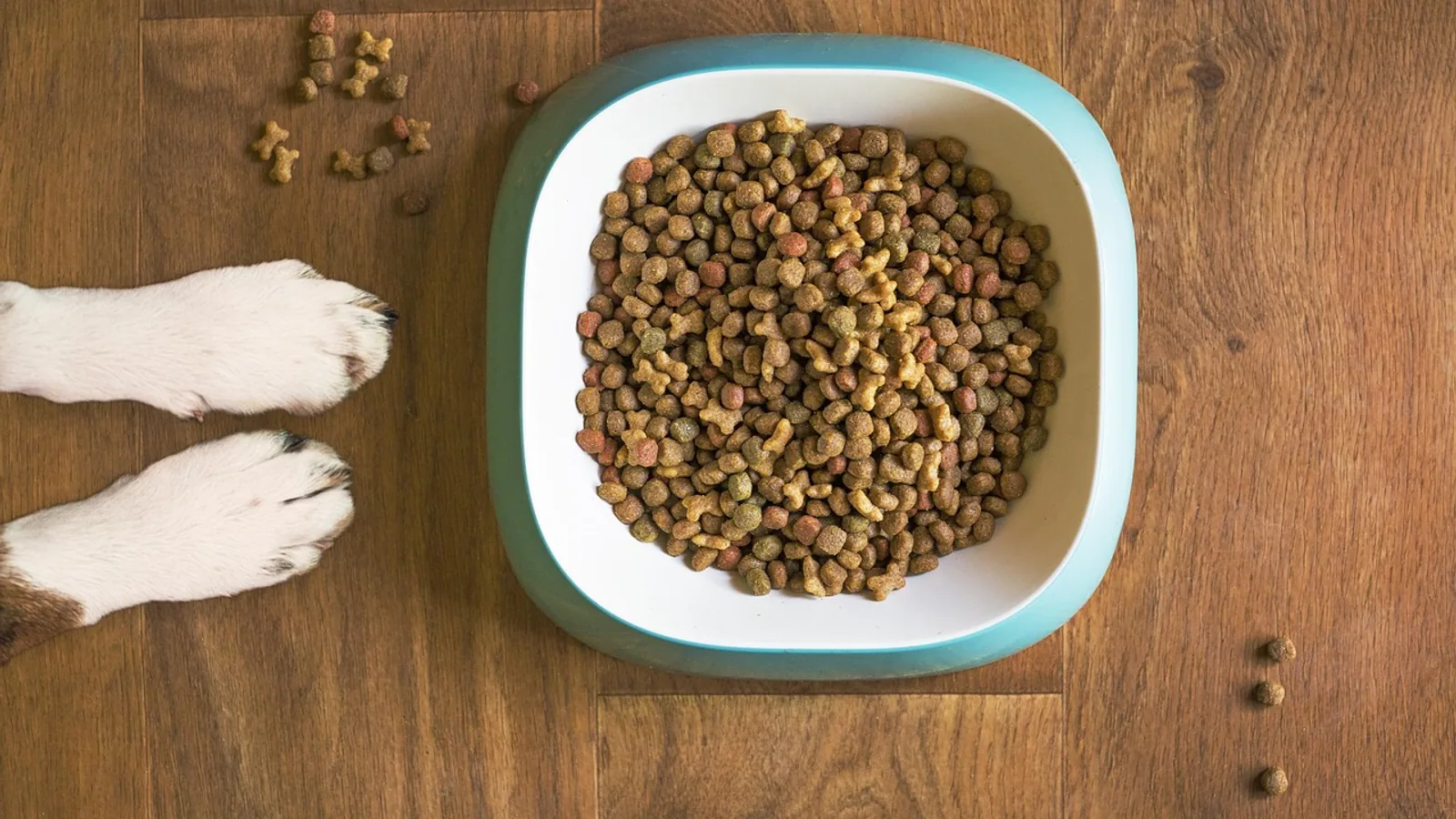
If you want to know whether your dog's food has been recalled, the fastest reliable path is to match the product name, lot code, and best-by date on your bag against the FDA's Recalls and Withdrawals page and the manufacturer's own recall notice. If your bag matches a recalled lot, stop feeding it immediately, bag it so it cannot be eaten by pets or people, and contact the manufacturer or retailer for a refund or replacement. If your dog has already eaten the food and is showing vomiting, diarrhea, jaundice, or lethargy, call your veterinarian the same day.
This article is educational and is not a substitute for veterinary diagnosis or treatment.
At a Glance: The Recall Response Checklist
| Step | Action | Why it matters |
|---|---|---|
| 1 | Find the lot code and best-by date on the bag | Recalls are almost always lot-specific, not brand-wide |
| 2 | Check the FDA Recalls and Withdrawals page and the manufacturer's notice | These are the two authoritative sources for a US pet food recall |
| 3 | Compare product name, lot code, plant code, and date range | A near match is not a match |
| 4 | If it matches, stop feeding the food right away | Continued feeding increases toxin or pathogen exposure |
| 5 | Double-bag the food and seal it | Prevents pets, children, and wildlife from eating it |
| 6 | Wash your hands, bowls, scoops, and storage bins with soap and water | Salmonella and other pathogens transfer from food to hands |
| 7 | Contact the manufacturer or retailer for a refund or replacement | Most recalls include a refund or replacement process |
| 8 | Monitor your dog for 7 to 14 days | Some contaminants cause delayed liver or bleeding problems |
| 9 | Call your veterinarian if any symptoms appear | Early treatment changes outcomes |
| 10 | Report the problem to the FDA Safety Reporting Portal | Your report helps identify the scope of an outbreak |
Why Dog Food Recalls Happen
A recall is a company's removal of a product from the market because it may be unsafe. Recalls are usually voluntary, but the FDA can request or require one. The reasons fall into a few categories.
Microbial contamination. Salmonella is the most common reason for pet food recalls. Dry pet food is a low-moisture, high-protein, high-fat product, and Salmonella can survive in that environment for a long time. One study measured Salmonella survival on dry dog food stored at typical household conditions and found an initial rapid decline over about 54 days followed by a much slower decline that continued for at least 570 days [1]. That is why an old bag can still make a dog or a person sick.
Mycotoxins. Aflatoxins are toxins produced by Aspergillus molds that grow on corn, peanuts, and other crops. When contaminated grain enters the food supply, dogs that eat the finished food can develop liver failure. Multiple documented outbreaks have killed large numbers of dogs [2][3][4].
Nutrient excess. Too much vitamin D in a finished diet can cause kidney injury and soft tissue mineralization. This is a formulation or premix error rather than a contamination event.
Drug or chemical residues. Pentobarbital, a euthanasia drug, has been found in some pet foods when rendered material from euthanized animals enters the ingredient stream. This is uncommon but has triggered recalls.
Physical hazards. Metal fragments, plastic, and other foreign objects occasionally prompt recalls.
Labeling errors. A food that fails to declare an allergen or lists the wrong ingredient can be recalled even when the food itself is not toxic.
Where to Check for a Dog Food Recall
You need two or three sources, not one. Each covers a different gap.
The FDA Recalls and Withdrawals Page
The FDA maintains a Recalls and Withdrawals page for animal and veterinary products at fda.gov [5]. This is the primary US source for an FDA pet food recall. The page lists active and recent recalls with product names, lot codes, and the reason for the recall. The FDA also maintains an Outbreaks and Advisories page that tracks active investigations, which is useful when a recall is expanding week by week [6].
The Manufacturer's Own Recall Notice
Companies post recall notices on their own websites, often with a lot-code lookup tool. This is the fastest way to check a specific bag because you can enter the code and get a yes or no. The manufacturer's notice usually has the most precise lot range and the clearest refund instructions.
Veterinary and Professional Recall Lists
The AVMA and other veterinary organizations maintain recall lists for members. The Veterinary Information Network (VIN) operates a Drug and Food Recall Center that aggregates recalls for veterinary professionals [7]. These lists are useful because they are curated, but they can lag behind the FDA by a day or two. Use them as a cross-check, not as your only source.
The ASPCA and Consumer-Facing Summaries
The ASPCA publishes plain-language summaries of recent pet food recalls for owners [8]. These are helpful when you want a quick explanation of what happened and which products are involved.
A Practical Search Method
- Write down the exact product name, the lot code or production code, and the best-by date from your bag.
- Open the FDA Recalls and Withdrawals page [5] and search the page for the brand name.
- Open the manufacturer's recall notice and use their lot lookup if one exists.
- Compare the lot code and date range carefully. Recalls are usually limited to specific production runs.
- If you cannot find a match, check the AVMA or VIN list [7] as a second pass.
- If you still find nothing and your dog is sick, report it to the FDA anyway. A new problem may not be on any list yet.
How to Read Lot Codes and Best-By Dates
Lot codes are the single most important piece of information on the bag during a recall. They tell you when and where the food was made.
Where to Find the Code
Lot codes are usually printed on the back or bottom of the bag, near the best-by date. On cans, they are stamped on the bottom or the lid. On treats, they may be on the back panel or the sealed edge. The code is often a string of letters and numbers, sometimes with a plant identifier.
What the Code Means
Most manufacturers use a format that includes a plant code, a production date, and a sequence number. The plant code matters because recalls are frequently limited to one facility. In the 2012 Salmonella Infantis outbreak, sixteen brands involving more than 27,000 metric tons of dry dog and cat food were recalled after the outbreak strain was traced to a single plant in Gaston, South Carolina [9][10]. In the 2006 to 2008 Salmonella Schwarzengrund outbreak, the company eventually recalled 105 brands of dry pet food and permanently closed one Pennsylvania plant [11].
Best-By Dates and Shelf Life
Dry pet food typically has a shelf life of about one year [12]. A best-by date tells you when the manufacturer expects quality to decline, not when the food becomes unsafe. During a recall, the best-by date helps you confirm whether your bag falls inside the recalled production window. If the recall notice says "products with best-by dates between January and June 2025," your bag either falls in that range or it does not.
Common Mistakes When Reading Codes
- Confusing the UPC barcode with the lot code. The barcode identifies the product, not the batch.
- Reading only the first few characters. The full code matters.
- Assuming a same-brand bag is recalled. Recalls are usually lot-specific.
- Throwing away the bag before checking. Keep the bag until you have confirmed the status.
What to Do If Your Dog's Food Is Recalled
Stop Feeding the Food Immediately
Remove the food from your dog's bowl and from any storage bin. Do not finish the bag to avoid waste. The risk is not worth it.
Secure the Food
Place the food in two sealed plastic bags, then put it in a bin that pets and children cannot open. If the manufacturer asks you to return the product, follow their instructions. If they do not, dispose of it in a sealed trash container that animals cannot access.
Clean Everything That Touched the Food
Wash your hands with soap and water after any contact with the food. Wash food bowls, scoops, storage bins, and the area around the feeding station with hot soapy water. Salmonella can transfer from dry food to hands, counters, and children. In the 2012 outbreak, 20 of 53 infected people were children aged 2 years or younger, and 12 of 37 hospitalized [9]. In the 2006 to 2008 outbreak, 48 percent of the 79 case-patients were children aged 2 years or younger, and illness among infants was significantly associated with feeding pets in the kitchen [11]. Keep pet food out of the kitchen and away from infant feeding areas.
Contact the Manufacturer or Retailer
Most recall notices include a phone number, a website, and a refund or replacement process. Keep your receipt if you have it. If you do not, the lot code on the bag is usually enough.
Monitor Your Dog
Watch for vomiting, diarrhea, lethargy, loss of appetite, increased drinking and urination, yellowing of the eyes or gums, or unusual bleeding. These signs can appear within hours or develop over days to weeks depending on the contaminant. Call your veterinarian if anything changes.
Save a Sample
If your dog becomes ill, save a cup or two of the food in a sealed bag and label it with the lot code and date. Your veterinarian or the FDA may want it for testing.
Symptoms by Contaminant Type
Different contaminants cause different illness patterns. Knowing what to watch for helps you describe the problem to your veterinarian.
Salmonella
Salmonella in dogs usually causes gastrointestinal signs: vomiting, diarrhea, lethargy, fever, and loss of appetite. Some dogs carry the bacteria without signs and shed it in their stool, which is how the infection spreads to people. In the 2012 outbreak, the outbreak strain was isolated from bags of dry dog food and from fecal specimens from dogs that lived with ill people and ate the implicated food [9]. Thirty-one ill dogs linked to recalled products were reported through the FDA consumer complaint system during that outbreak [9]. In the 2006 to 2008 outbreak, the strain was found in opened bags of dry dog food, in dog feces, and in environmental samples and unopened bags from the plant [11].
Salmonella can survive in dry food for a long time, which is why a bag that has been open for months can still be a risk [1]. The FDA has a zero-tolerance policy for Salmonella in pet food, which is why detection in a finished product triggers a recall [13].
Aflatoxin
Aflatoxin poisoning is a liver disease. Early signs include loss of appetite, lethargy, and vomiting. As the liver fails, owners may see jaundice (yellow gums, eyes, or skin), dark or bloody stool, blood in vomit, abdominal swelling, and bleeding from the gums, nose, or skin. In a 2005 to 2006 case series of 72 dogs that ate aflatoxin-contaminated commercial dog food, the most common clinical features in order of onset were anorexia, lethargy, vomiting, jaundice, diarrhea including melena and hematochezia, abdominal effusion, peripheral edema, and terminal encephalopathy and hemorrhagic diathesis [14]. Forty-six of the 72 dogs died [14].
A 2011 outbreak in South Africa involved low-cost pelleted dog food contaminated with very high aflatoxin concentrations. Approximately 100 dogs were presented to a veterinary hospital, and it is estimated that well over 220 dogs died in the province [3]. A follow-up analysis of 60 dog food samples found that 87 percent were contaminated with aflatoxins, and 75 percent exceeded 20 parts per billion [15]. The same samples were frequently contaminated with other mycotoxins, including fumonisins, ochratoxin A, and zearalenone [15].
Aflatoxicosis has also been documented in dogs fed home-cooked corn-based diets. In one outbreak, 65 dogs from nine farms were affected after eating corn polenta made from contaminated maize, and 60 died [2]. A separate report from southern Malawi described dogs with liver damage after eating contaminated home-cooked maize, and the authors noted that veterinarians identifying these cases act as an early warning system for human health risks [4].
The clinical picture is consistent across outbreaks: liver damage, bleeding, and high mortality. A 1977 report described an outbreak of chronic liver disease in a kennel with anorexia, depression, polyuria, polydipsia, icterus, and a terminal hemorrhagic crisis, with disseminated intravascular coagulation suspected as the cause of bleeding [16].
Excess Vitamin D
Too much vitamin D causes hypercalcemia, which damages the kidneys and soft tissues. Early signs include vomiting, diarrhea, increased drinking, and increased urination. Severe cases can progress to kidney failure. If you suspect vitamin D toxicity, call your veterinarian immediately. Treatment usually involves stopping the food, supportive care, and monitoring blood calcium and kidney values.
Pentobarbital
Pentobarbital is a barbiturate used for euthanasia. When rendered material from euthanized animals enters the ingredient stream, trace amounts can appear in pet food. Signs of exposure include lethargy, drowsiness, wobbliness, and slowed breathing. Most documented exposures involve low levels, but any suspected exposure warrants a call to your veterinarian or a pet poison control service.
Other Contaminants
Foreign objects such as metal or plastic can cause choking, dental injury, or intestinal obstruction. Signs include gagging, drooling, vomiting, abdominal pain, and refusal to eat. Labeling errors matter most for dogs with food allergies.
Human Safety When Handling Recalled Food
Pet food recalls are not just a pet problem. Salmonella in dry dog and cat food has caused human outbreaks, and young children are at highest risk.
In the 2006 to 2008 outbreak, 79 people in 21 states were infected with Salmonella Schwarzengrund, and 48 percent were children aged 2 years or younger [11]. Case households were significantly more likely to report dog contact and to have recently purchased the implicated brand of dry pet food [11]. Illness among infants was significantly associated with feeding pets in the kitchen [11]. More than 23,000 tons of pet food were recalled [11].
In the 2012 outbreak, 53 people in 21 states and 2 Canadian provinces were infected with Salmonella Infantis, 20 of 53 were children aged 2 years or younger, and 12 of 37 were hospitalized [9]. The outbreak strain was found in dry dog food and in the feces of dogs that ate it [9].
A survey of 1,040 dog and cat owners found that 93 percent interacted with their pets, most cuddled them, let them lick them, and slept with them, but less than one-third washed their hands with soap after interacting with their pets, and 58 percent washed their hands after feeding [17]. Raw meat diets and raw treats carry additional risk because they are more likely to be contaminated with Salmonella, E. coli, or Campylobacter [18].
Safe Handling Rules
- Wash your hands with soap and water after touching pet food, treats, bowls, or your pet's mouth.
- Do not feed pets in the kitchen or near infant feeding areas [11].
- Do not let children handle pet food or pet bowls unsupervised.
- Clean bowls, scoops, and storage bins regularly with hot soapy water.
- Keep pet food away from human food preparation surfaces.
- If a food is recalled, double-bag it and seal it before disposal.
How to Report a Problem to the FDA
Reporting a problem is one of the most useful things an owner can do. Reports help the FDA connect scattered illnesses to a single product and expand a recall.
The FDA Safety Reporting Portal
The FDA Safety Reporting Portal is the main channel for reporting a problem with pet food. You can report an illness in your dog, an illness in a person linked to pet food, or a problem with the product itself. Include the product name, lot code, best-by date, where and when you bought it, and a description of what happened.
What to Include in a Report
- Your contact information
- The pet's species, age, and weight
- The product name, brand, lot code, and best-by date
- The store and date of purchase
- A timeline of when the food was fed and when signs appeared
- A description of signs and any veterinary diagnosis
- Whether any people in the household became ill
- Photos of the bag, the lot code, and the receipt if available
Why Reporting Matters
During the 2012 outbreak, 31 ill dogs linked to recalled products were reported through the FDA consumer complaint system [9]. Those reports helped investigators connect the human cases to the pet food. In the 2006 to 2008 outbreak, the investigation eventually led to a permanent plant closure and a recall of 105 brands [11]. Individual reports are the raw material for that kind of action.
Other Reporting Channels
Your veterinarian can also report adverse events to the FDA and to the manufacturer. If you are not sure whether a problem is worth reporting, report it anyway. A single report is rarely enough to trigger action, but a pattern of reports is.
Supplies and Equipment for Safe Feeding
You do not need special equipment to feed your dog safely, but a few items make recalls easier to manage.
A dedicated scoop. Use one scoop for pet food only. Do not use it for anything else.
A sealable storage container. Keep food in its original bag inside a sealable bin. The original bag has the lot code and best-by date, which you need during a recall.
A permanent marker. Write the purchase date and lot code on the bin or a piece of tape on the bag. When a recall is announced, you can check your records without digging through the trash.
A food thermometer (for home-cooked diets). If you cook for your dog, use a thermometer to confirm that meat reaches a safe internal temperature. Salmonella can survive in low-moisture, high-fat, and high-protein foods for years, and proper cooking is one of the few reliable ways to reduce that risk [19].
A dedicated feeding area away from the kitchen. This reduces the risk of cross-contamination, especially in households with young children [11].
Common Mistakes Owners Make
Assuming only one brand is affected. A single plant can produce many brands. In 2012, sixteen brands were recalled from one facility [9]. In 2008, 105 brands were recalled [11].
Checking only the brand name. Recalls are lot-specific. A same-brand bag from a different production run may be unaffected.
Continuing to feed a recalled food to avoid waste. The cost of the bag is small compared with the cost of treating liver failure or kidney injury.
Forgetting the treats. Treats, chews, and toppers can be recalled too. Check every product your dog eats.
Ignoring mild signs. Early vomiting or lethargy can be the first sign of aflatoxin or vitamin D toxicity. Call your veterinarian early.
Not washing hands after feeding. Less than one-third of owners in one survey washed their hands with soap after interacting with their pets [17]. Handwashing is the single most effective way to prevent human illness.
Throwing away the bag before checking the lot code. Keep the bag until you have confirmed the recall status.
Feeding raw diets without extra precautions. Raw meat-based diets are more likely to be contaminated with Salmonella, E. coli, or Campylobacter, and they have been linked to multiple recalls [18]. If you feed raw, follow strict hygiene and talk to your veterinarian about the risks.
Troubleshooting: When the Recall Status Is Unclear
The lot code is smudged or unreadable. Call the manufacturer with the product name, size, and purchase date. They can often trace the bag.
The manufacturer's website has no recall notice. Check the FDA page [5] and the AVMA or VIN list [7]. If none of them list the product, it may not be recalled yet. If your dog is sick, report it anyway.
The recall notice covers a date range but not your exact code. Call the manufacturer to confirm. Do not guess.
You already fed the food and your dog seems fine. Monitor for 7 to 14 days and call your veterinarian if anything changes. Some contaminants cause delayed liver or bleeding problems.
You already fed the food and your dog is sick. Call your veterinarian the same day. Bring the bag, the lot code, and a food sample if you have one.
You cannot get a refund. Contact the manufacturer directly. Most recall notices include a refund or replacement process even without a receipt.
Welfare and Safety Points
A recall is a stressful event for owners and dogs alike. A few points help you manage it well.
Do not switch foods abruptly unless you have to. A sudden diet change can cause gastrointestinal upset. If you must switch because your food is recalled, transition over several days if your dog is well, or follow your veterinarian's advice if your dog is sick.
Keep fresh water available. Dogs with vomiting or diarrhea need water. If your dog is not drinking, call your veterinarian.
Separate sick dogs from other pets. Salmonella and other pathogens can spread between animals and to people.
Wash bedding and toys. If your dog has been eating a recalled food, wash bedding, toys, and food bowls with hot soapy water.
Tell your household. Everyone who feeds or handles the dog should know about the recall, especially if there are young children or immunocompromised people in the home.
Limitations and When to Contact a Veterinarian
This article covers general recall response. It cannot tell you whether your specific dog is safe or what treatment your dog needs. Individual cases require a veterinarian who can examine your dog, run bloodwork, and decide on treatment.
Call your veterinarian the same day if your dog has any of the following:
- Vomiting that does not stop or is accompanied by blood
- Diarrhea that is bloody, black, or tarry
- Yellow gums, eyes, or skin
- Increased drinking and urination
- Lethargy or weakness
- Loss of appetite for more than 24 hours
- Bleeding from the gums, nose, or skin
- Abdominal swelling
- Collapse or difficulty breathing
- Any sign of illness in a puppy, a senior dog, or a dog with a chronic illness
If a person in your household develops vomiting, diarrhea, fever, or bloody stool after handling pet food, contact a physician. Young children, older adults, and immunocompromised people are at highest risk [9][11].
Frequently Asked Questions
How do I know if my dog food is recalled?
Match the product name, lot code, and best-by date on your bag against the FDA Recalls and Withdrawals page and the manufacturer's recall notice. Recalls are usually lot-specific, so a same-brand bag from a different production run may be unaffected.
Where is the official pet food recall list?
The FDA Recalls and Withdrawals page is the primary US source [5]. The FDA Outbreaks and Advisories page tracks active investigations [6]. The AVMA and VIN maintain curated lists for veterinary professionals [7], and the ASPCA publishes owner-friendly summaries [8].
What should I do if my dog ate recalled food?
Stop feeding the food, save the bag and a food sample, and call your veterinarian. Monitor for vomiting, diarrhea, lethargy, jaundice, increased drinking, or bleeding for at least 7 to 14 days. Call your veterinarian immediately if any signs appear.
Can recalled dog food make people sick?
Yes. Salmonella in dry dog and cat food has caused human outbreaks, and young children are at highest risk [9][11]. Wash your hands after handling pet food, keep pet food out of the kitchen, and do not let children handle pet food unsupervised.
What are the signs of aflatoxin poisoning in dogs?
Early signs include loss of appetite, lethargy, and vomiting. Later signs include jaundice, bloody stool, blood in vomit, abdominal swelling, and bleeding from the gums, nose, or skin [14]. Aflatoxin poisoning is a medical emergency.
How long does it take for a dog to get sick from contaminated food?
It depends on the contaminant. Salmonella can cause signs within hours to days. Aflatoxin and vitamin D toxicity can take days to weeks to become obvious. Monitor for at least two weeks after exposure.
How do I report a pet food problem to the FDA?
Use the FDA Safety Reporting Portal. Include the product name, lot code, best-by date, purchase details, a timeline of signs, and whether any people in the household became ill. Your report helps investigators connect cases to a product.
Should I throw away recalled dog food or return it?
Follow the manufacturer's instructions. If they ask for a return, follow their process. If they do not, double-bag the food and seal it in a trash container that pets and children cannot access. Do not feed it to any animal.
Related Articles
- List 5 Foods That Are Toxic To Dogs
- List Of Toxic Foods For Dogs Pdf
- Full List Of Foods Toxic To Dogs
- Dog Training Tips For Recall
- Printable List Of Foods Toxic To Dogs Pdf
- Essential Questions for Your Turkish Van Cat's Next Veterinary Check-Up
- Mold Poisoning in Dogs: Moldy Food, Compost, and Tremors
- Salt Toxicity in Dogs and Cats: Sources, Signs, and Treatment
- Poison Ivy and Dogs: Can Dogs Get It or Spread It to You?
Sources
- Modeling the long-term kinetics of Salmonella survival on dry pet food.
- An outbreak of aflatoxin poisoning in dogs associated with aflatoxin B1-contaminated maize products.
- An outbreak of canine aflatoxicosis in Gauteng Province, South Africa.
- Presumptive fatal Aflatoxicosis of dogs in Southern Malawi.
- Recalls & Withdrawals (fda.gov)
- Outbreaks and Advisories (fda.gov)
- Drug and Food Recall Center (vin.com)
- What You Need to Know About Recent Pet Food Recalls (aspca.org)
- Outbreak of Salmonella enterica serotype Infantis infection in humans linked to dry dog food in the United States and Canada, 2012.
- Notes from the field: Human Salmonella infantis infections linked to dry dog food--United States and Canada, 2012.
- Human Salmonella infections linked to contaminated dry dog and cat food, 2006-2008.
- Update: recall of dry dog and cat food products associated with human Salmonella Schwarzengrund infections--United States, 2008.
- Mitigation of Salmonella on Pet Food Kibbles by Using Liquid and Powdered 3-Hydroxy-3-Methylbutyric Acid.
- Clinical and clinicopathologic features of dogs that consumed foodborne hepatotoxic aflatoxins: 72 cases (2005-2006).
- Canine aflatoxicosis outbreak in South Africa (2011): a possible multi-mycotoxins aetiology.
- Disseminated intravascular coagulation complicating aflatoxicosis in dogs.
- Risk of Foodborne Illness from Pet Food: Assessing Pet Owners' Knowledge, Behavior, and Risk Perception.
- A review of food additives to control the proliferation and transmission of pathogenic microorganisms with emphasis on applications to raw meat-based diets for companion animals.
- Thermal Inactivation of Salmonella Agona in Low-Water Activity Foods: Predictive Models for the Combined Effect of Temperature, Water Activity, and Food Component.