Is Lily of the Valley Poisonous to Cats? Scent and Plant
By Dr. Zubair Khalid, DVM, MS, PhD ·
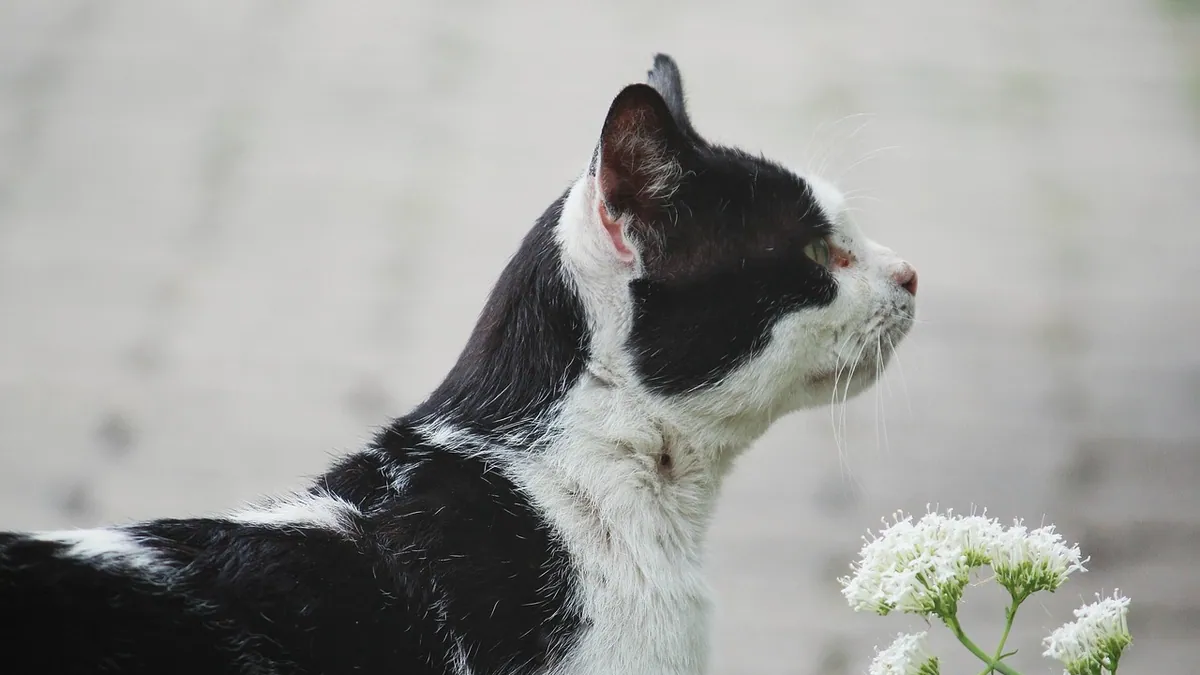
Yes, lily of the valley is poisonous to cats. Every part of the plant, including the leaves, flowers, pollen, and even the water in a vase, contains cardiac glycosides that can seriously harm a cat's heart. A tiny amount can cause symptoms, so treat any contact as an emergency. This article is educational and is not a substitute for veterinary diagnosis or treatment.
Quick Answer
- The whole plant is toxic. Leaves, flowers, stems, pollen, berries, and vase water all contain cardenolides (convallarin and related compounds) [1].
- Small amounts matter. As little as 2 leaves or part of a single flower has caused death in cats [2].
- The scent alone is not the danger. Smelling the flowers is not the same as eating them, but a cat that chews or grooms pollen off its fur is ingesting toxin.
- Perfume and scented products are a different risk. A bottle of lily of the valley perfume is not the plant, but drinking it or licking it can still cause problems because of the alcohol and other ingredients.
- Call for help right away. Contact your veterinarian, the ASPCA Animal Poison Control Center at (888) 426-4435, or Pet Poison Helpline at (855) 764-7661. Do not make your cat vomit unless a veterinarian tells you to.
Is Lily of the Valley Poisonous to Cats?
Yes. Lily of the valley (Convallaria majalis) is listed as toxic to cats, dogs, and horses by the ASPCA Animal Poison Control Center [1]. The plant's scientific name is Convallaria majalis, and it belongs to the family Asparagaceae [1]. The toxic principles are cardenolides, including convallarin [1].
This plant is not the same as the true lilies in the genera Lilium and Hemerocallis, which cause kidney failure in cats [2]. Lily of the valley spares the kidneys but attacks the heart because it contains cardiac glycosides similar to digitalis [2]. That distinction matters when you are trying to figure out what your cat got into. Many plants are called "lilies," and owners often cannot correctly identify the plants in their own homes [2]. If you are unsure which plant you have, see Are Lilies Toxic to Cats? for a breakdown of the different types.
Which Parts of the Plant Are Toxic?
Every part. The petals, stamens, leaves, and pollen are all toxic [2]. The berries that form later in the season are also a concern. The roots and rhizomes contain the same cardiac glycosides.
This matters for indoor cats because pollen does not stay put. A cat that brushes against a bouquet can pick up pollen on its coat and then swallow it while grooming. A cat that nibbles a single leaf from a vase is also at risk. Even the water in the vase can hold enough plant material to cause signs if your cat drinks it.
Are Lily of the Valley Leaves Poisonous to Cats?
Yes, the leaves are poisonous. In fact, the leaves are one of the most common parts cats chew on because they look like grass or other safe greens.
There is a real-world problem here that goes beyond cats. Lily of the valley leaves look very similar to wild garlic leaves, and people have confused the two when foraging, which has led to serious poisonings in humans and animals [3]. If a plant can fool a human forager, it can easily fool a cat owner who is trying to identify a mystery houseplant. When in doubt, keep the plant out of reach and call poison control.
Is Lily of the Valley Pollen Toxic to Cats?
Yes, the pollen is toxic [2]. This is one of the most overlooked risks. Pollen is light and sticky, and it spreads from the flowers to whatever touches them, including your cat's fur, paws, and face.
A cat does not have to eat a flower to be exposed. Grooming is enough. If your cat walked past a bouquet and you later see yellow dust on its coat, assume some of it may have been swallowed. Wipe your cat down with a damp cloth and call your veterinarian for guidance.
Is Lily of the Valley Scent Toxic to Cats?
The scent itself is not the toxin. The danger comes from the plant material, not the smell in the air. A cat breathing near a bouquet is not the same as a cat eating the bouquet.
That said, do not assume a cat near the flowers is safe. Cats explore with their mouths and paws. A cat that sniffs a flower often follows up with a nibble or a lick. The scent is a warning sign that the plant is nearby, not a separate poison.
Is Lily of the Valley Perfume Toxic to Cats?
Perfume is a different product from the plant. A bottle of lily of the valley perfume does not contain the same concentration of cardiac glycosides as the fresh plant, but it is not a safe thing for your cat to drink or lick.
Perfume contains alcohol, essential oils, and other ingredients that can irritate a cat's mouth, stomach, and airways. A cat that knocks over a bottle and laps at the spill may vomit, drool, or act unsteady. A cat that gets perfume on its fur and grooms it off can swallow those ingredients too.
Keep perfume, diffusers, scented candles, and reed diffusers where your cat cannot reach them. If your cat drinks perfume or gets a large amount on its skin, call poison control or your veterinarian. The treatment depends on the product, the amount, and your cat's weight.
Is False Lily of the Valley Toxic to Cats?
"False lily of the valley" is a common name used for more than one plant, so the answer depends on which plant you actually have. Some plants sold under that name are not the same species as true lily of the valley.
Because common names are unreliable, identify the plant by its scientific name or take a clear photo to your veterinarian or a poison control specialist. If you cannot confirm the identity, treat the plant as toxic and keep your cat away from it. For a broader list of risky plants, see Flowers That Are Toxic To Cats.
What Is the Toxic Principle and What Does It Do?
Lily of the valley contains cardenolides, which are cardiac glycosides [1]. These compounds are chemically similar to digitalis, a drug used in human medicine to strengthen the heart under careful supervision [2].
At normal therapeutic doses, digitalis-type drugs can help a failing heart. At toxic doses, they disrupt the electrical signals that keep the heart beating in a normal rhythm. The heart may beat too slowly, too irregularly, or in a pattern that cannot pump blood effectively. Blood pressure can drop [1].
The same plant toxins can affect the stomach and the nervous system. That is why vomiting and disorientation show up alongside heart problems [1]. In severe cases, the heart rhythm disturbance can be fatal.
Signs of Lily of the Valley Poisoning in Cats
Signs can appear within hours of ingestion. The ASPCA lists vomiting, irregular heartbeat, low blood pressure, disorientation, coma, and seizures as possible clinical signs [1].
Watch for these problems:
- Vomiting, sometimes repeatedly
- Drooling or pawing at the mouth
- Weakness or collapse
- Unsteady walking
- Confusion or staring into space
- A slow, fast, or irregular heartbeat
- Tremors or seizures
- Difficulty breathing
Some cats show only stomach signs at first and seem to improve before the heart signs appear. Do not wait for a second wave of symptoms. Call for advice as soon as you suspect your cat ate any part of the plant.
What to Do Right Now
- Move your cat away from the plant. Put the plant in a closed room, a sealed bag, or outside where your cat cannot reach it.
- Call for help. Contact your veterinarian, the ASPCA Animal Poison Control Center at (888) 426-4435, or Pet Poison Helpline at (855) 764-7661.
- Do not induce vomiting unless a veterinarian tells you to. Making a cat vomit can cause aspiration, and it is not always the right move for heart toxins.
- Save the evidence. Keep the plant, the chewed pieces, or a photo so the veterinarian can identify it.
- Note the time. Tell the veterinarian when you think your cat ate the plant and how much may have been eaten.
- Bring your cat in if told to. Heart rhythm problems need monitoring and treatment that you cannot do at home.
If your cat is collapsed, having a seizure, or struggling to breathe, go to the nearest emergency veterinary hospital now. Call ahead so the team can prepare.
How Veterinarians Treat Lily of the Valley Poisoning
Treatment depends on how much your cat ate, how long ago it happened, and what signs are present. Your veterinarian will calculate any medication dose from your cat's weight and health, so no home dosing is safe.
Common steps include:
- Decontamination. If the ingestion was recent and your cat is stable, the veterinarian may give activated charcoal to bind plant material in the gut. Inducing vomiting is a decision the veterinarian makes, not the owner.
- Heart monitoring. An electrocardiogram can show the rhythm disturbance. This guides treatment.
- Fluids and blood pressure support. Intravenous fluids help maintain circulation.
- Medications for the heart. Certain drugs can correct dangerous rhythms or bind the toxin. The choice and dose depend on the individual cat.
- Seizure control. If seizures occur, they are treated with appropriate medication.
- Oxygen and supportive care. Cats in respiratory distress may need oxygen.
If you are not sure whether your cat ate a toxic plant or a safe one, see Cat Ate Toxic Lily for guidance on the first steps.
Outlook for a Cat That Ate Lily of the Valley
The outlook is best when treatment starts early. Cats that receive care before severe heart rhythm problems develop often do well. Cats that are already collapsed, seizing, or showing dangerous arrhythmias have a guarded prognosis.
As little as 2 leaves or part of a single flower has resulted in deaths in cats [2]. That is why even a small nibble deserves a phone call. Do not wait to see if your cat "seems fine." Heart signs can develop after the stomach signs settle.
Prevention and Safer Alternatives
The simplest prevention is to keep lily of the valley out of your home and yard. If you have it in the garden, fence it off or remove it. If someone gives you a bouquet that contains it, keep the flowers in a room your cat cannot enter and dispose of them where your cat cannot get to them.
Other steps:
- Check every bouquet before you bring it inside. Ask the florist for a plant list.
- Teach family members and visitors that this plant is not safe.
- Do not compost lily of the valley where a cat could dig.
- Wash your hands after handling the plant, and wipe down surfaces where pollen may have landed.
- Choose cat-safe flowers and plants instead. See What Flowers Are Toxic To Cats and Flowers Toxic To Cats for ideas on what to avoid and what to plant instead.
If you are not sure whether a plant in your home is safe, take a photo and ask your veterinarian before your cat has a chance to investigate.
Limitations and When to Contact a Veterinarian
This article cannot tell you whether your specific cat was exposed or how severe the exposure was. Individual cases need a veterinarian who can examine your cat, check its heart, and run any needed tests.
Contact a veterinarian the same day if:
- You saw your cat chew or swallow any part of a lily of the valley plant.
- You found chewed leaves, missing flowers, or plant material in your cat's mouth.
- Your cat has vomited once or twice but seems otherwise normal.
- You are not sure whether the plant your cat touched is lily of the valley.
Go to an emergency hospital now if:
- Your cat is collapsed, weak, or unable to stand.
- Your cat is having a seizure or tremors.
- Your cat is breathing fast, hard, or with an open mouth.
- Your cat's heart rate feels very slow, very fast, or irregular.
- Your cat is unresponsive or difficult to wake.
Schedule a routine visit if:
- Your cat had possible contact days ago and now seems tired or is eating less.
- You want help identifying a plant in your home.
- You want advice on cat-safe plants for your garden or windowsill.
When in doubt, call. Poison control lines are staffed to help you decide whether your cat needs to be seen.
Frequently Asked Questions
Can a cat get sick just from smelling lily of the valley?
Smelling the flowers is not the main risk. The danger comes from eating plant material, including pollen that lands on the fur and is swallowed during grooming [2]. If your cat only sniffed the plant and did not touch or chew it, the risk is low, but watch for vomiting or unusual behavior.
How fast do symptoms show up after a cat eats lily of the valley?
Signs often appear within a few hours. Vomiting is usually the first clue, followed by heart rhythm changes, weakness, or disorientation [1]. Some cats look better for a short time and then worsen, so keep watching and keep your veterinarian informed.
Is one leaf enough to hurt a cat?
It can be. As little as 2 leaves or part of a single flower has caused death in cats [2]. There is no safe amount to ignore, so call poison control or your veterinarian even if your cat only ate a small piece.
Does lily of the valley cause kidney failure in cats like other lilies?
No. True lilies in the Lilium and Hemerocallis groups cause kidney damage in cats [2]. Lily of the valley contains cardiac glycosides and mainly affects the heart, though vomiting and neurologic signs can also occur [1][2].
Are there other plants with similar heart toxins I should know about?
Yes. Some plants in the same broad category contain cardiac glycosides or related cardiotoxins, and poisoning from ornamental plants is a recognized problem in pets worldwide [4]. If you are unsure what your cat ate, bring the plant or a photo with you so the veterinary team can identify it.
Related Articles
- Are Lilies Toxic to Cats?
- Flowers That Are Toxic To Cats
- What Flowers Are Toxic To Cats
- Flowers Toxic To Cats
- Cat Ate Toxic Lily
- What Plants And Flowers Are Toxic To Cats
- Are Calla Lilies Toxic to Cats? Symptoms and Care
- Are Peace Lilies Toxic to Cats?
- Is Daylily Pollen Toxic to Cats? Lily Danger Warning
References
- Toxic and Non-toxic Plants: Lily of the Valley. ASPCA Animal Poison Control Center.
- Lily toxicity in the cat. Topics in companion animal medicine, 2010.
- Histological Features Detected for Separation of the Edible Leaves of Allium ursinum L. from the Poisonous Leaves of Convallaria majalis L. and Colchicum autumnale L. Plants (Basel, Switzerland), 2025.
- Potential plant poisonings in dogs and cats in southern Africa. Journal of the South African Veterinary Association, 2009.