Is Kalanchoe Toxic to Cats? Signs and What to Do
By Dr. Zubair Khalid, DVM, MS, PhD ·
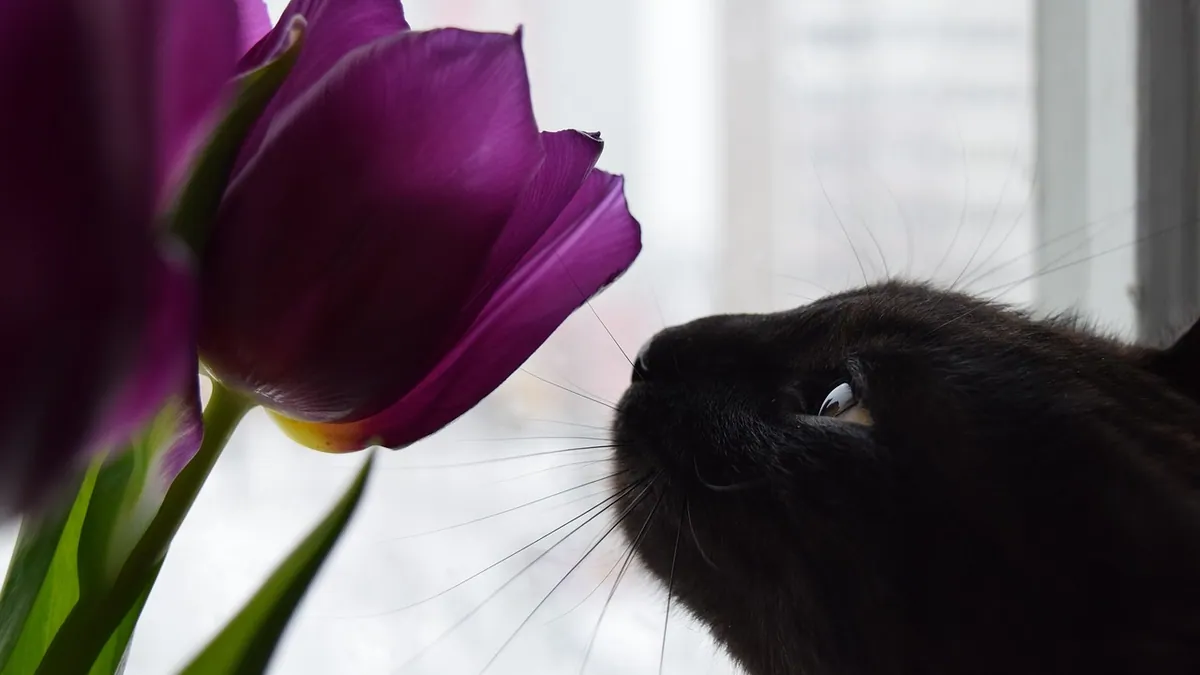
Yes, kalanchoe is toxic to cats. Every part of the plant contains compounds that affect the heart, and a cat that chews on a leaf can start vomiting within hours. Most nibbles cause stomach upset, but large meals of plant material can trigger dangerous heart rhythms.
This article is educational and is not a substitute for veterinary diagnosis or treatment.
Quick Answer
- Kalanchoe (Kalanchoe spp.) is listed as toxic to cats by the ASPCA Animal Poison Control Center, along with its many common names like mother-in-law-plant, devil's backbone, chandelier plant, and mother of millions [1].
- The toxic compounds are bufodienolides, a type of cardiac glycoside that can cause vomiting, diarrhea, and abnormal heart rhythm (rare) [1].
- All parts of the plant are a concern, including leaves, stems, flowers, and any water in the vase.
- Call your veterinarian, the ASPCA Animal Poison Control Center at (888) 426-4435, or Pet Poison Helpline at (855) 764-7661 right away if your cat ate any part of a kalanchoe.
- Do not make your cat vomit unless a veterinarian tells you to.
Is Kalanchoe Toxic to Cats?
Yes. Kalanchoe is toxic to cats, and this applies to the whole genus, not one variety [1]. That matters because owners often search for a specific type they bought or received as a gift, and the answer is the same across the group.
Is kalanchoe succulent toxic to cats?
Yes. The succulent kalanchoes sold in garden centers and grocery stores are the same genus, Kalanchoe spp., and they carry the same toxic principle [1]. A cat chewing the thick, fleshy leaves of a succulent kalanchoe is exposed to bufodienolides just as it would be with a flowering type.
Is florist kalanchoe toxic to cats?
Yes. Florist kalanchoe is simply a common name for the flowering kalanchoes that florists and supermarkets sell in bloom. Because the ASPCA listing covers Kalanchoe spp. as a whole, a florist kalanchoe falls under the same toxic category [1]. If a bouquet arrives with a kalanchoe in it, treat the whole arrangement as a risk and keep it out of reach.
Is Christmas kalanchoe toxic to cats?
Yes. Christmas kalanchoe is another name for the winter-blooming kalanchoes sold around the holidays. The holiday timing does not change the plant's chemistry. It is still Kalanchoe spp., still toxic to cats, and still capable of causing vomiting, diarrhea, and rarely an abnormal heart rhythm [1].
Is kalanchoe tomentosa toxic to cats?
Yes. Kalanchoe tomentosa, often called panda plant, belongs to the same genus and is covered by the same toxicity listing [1]. Its fuzzy leaves may look less appetizing, but a cat that bites into them is still ingesting bufodienolides.
Is kalanchoe thyrsiflora toxic to cats?
Yes. Kalanchoe thyrsiflora, sometimes sold as flapjacks or paddle plant, is also a Kalanchoe species and falls under the same toxic listing [1]. The flat, rounded leaves make it a popular windowsill plant, which puts it right at cat height.
The short version: if the plant tag says Kalanchoe, assume it is toxic to your cat [1].
What Makes Kalanchoe Poisonous?
The toxic principle in kalanchoe is a group of compounds called bufodienolides [1]. These belong to a broader family known as cardiac glycosides, which are plant chemicals that act on the heart and the digestive tract.
Cardiac glycosides interfere with the way heart muscle cells handle sodium and potassium. In practical terms, that can slow the heart, change its rhythm, or make it beat inefficiently. The same class of compounds irritates the stomach lining, which is why vomiting and diarrhea show up early and often.
Cardiac glycosides are not unique to kalanchoe. Other plants contain similar compounds, and the effects on the heart and eyes can be serious. One report described two dogs with lasting vision loss after eating Ornithogalum arabicum plant material, and the authors noted that cardiac glycoside-like toxins may be involved [2]. That is a different plant, but it shows why this chemical family deserves respect.
The dose matters. A single small bite may cause nothing more than a bout of vomiting. A cat that eats several leaves, or that chews on a plant for a while, has a much higher exposure and a higher chance of heart effects.
Signs of Kalanchoe Poisoning in Cats
The classic signs listed for kalanchoe are vomiting, diarrhea, and abnormal heart rhythm (rare) [1]. In real life, owners usually notice the stomach signs first.
Common signs
- Vomiting
- Diarrhea
- Drooling
- Lack of appetite
- Acting quiet or hiding
- Stomach discomfort
Less common but serious signs
- Abnormal heart rhythm [1]
- Weakness or collapse
- Fast or very slow heart rate
- Pale gums
- Trouble breathing
- Tremors or unsteadiness
Timeline
Signs often start within a few hours of eating the plant. Vomiting and drooling tend to appear first because the stomach reacts quickly. Heart rhythm changes, when they happen at all, may show up later and can be missed at home because you cannot hear or feel them without equipment.
If your cat ate kalanchoe and is showing any of the serious signs above, treat it as an emergency. Do not wait to see if it passes.
What to Do Right Now
- Move your cat away from the plant and put the plant somewhere closed off.
- Check your cat's mouth for plant pieces and wipe out any visible material with a cloth. Do not reach into the back of the throat with your fingers.
- Call your veterinarian, the ASPCA Animal Poison Control Center at (888) 426-4435, or Pet Poison Helpline at (855) 764-7661.
- Tell them what plant it was, how much you think your cat ate, and when it happened. If you have the plant tag or a photo, have it ready.
- Do not induce vomiting unless a veterinarian tells you to. Making a cat vomit at home can cause choking, aspiration, or injury, and it is not the right move for every toxin.
- Save any chewed plant material or vomit in a sealed bag or container. It can help your veterinarian confirm the exposure.
If your cat is collapsed, struggling to breathe, or having tremors, skip the phone call and go straight to the nearest emergency veterinary hospital.
How Veterinarians Treat Kalanchoe Poisoning
Treatment depends on how much your cat ate, how long ago it happened, and what signs are present. Your veterinarian will calculate any medication doses from your cat's weight and health, so there is no home dose to follow.
Decontamination
If your cat was seen soon after eating the plant, your veterinarian may induce vomiting in the clinic and give activated charcoal to bind what is left in the stomach. This is a decision made by the vet, not by you at home.
Supportive care
Most treatment is supportive. That can include:
- Intravenous fluids to correct dehydration from vomiting and diarrhea
- Anti-nausea medication
- Medications to protect the stomach lining
- A bland diet once vomiting stops
Heart monitoring
Because kalanchoe contains cardiac glycosides, your veterinarian may run an electrocardiogram to check the heart rhythm [1]. If the rhythm is abnormal, treatment may include medications that steady the heart. Blood work can check electrolytes like potassium, which cardiac glycosides can shift.
Advanced care
Severe cases may need intensive monitoring, oxygen, and in rare situations other interventions. Cats that develop serious heart rhythm problems need close watching until the rhythm normalizes.
Outlook After Kalanchoe Ingestion
The outlook is good for most cats that eat a small amount and get prompt care. Vomiting and diarrhea usually settle with supportive treatment, and many cats go home the same day.
The outlook is more guarded when a cat eats a large amount, when heart rhythm changes develop, or when treatment is delayed. The ASPCA lists abnormal heart rhythm as a rare effect, which means most exposures do not reach that point [1]. Rare does not mean impossible, though, and it is the reason a plant ingestion is never something to shrug off.
Cats are not small dogs, and their bodies handle drugs and toxins differently. A case report on minoxidil toxicosis in a cat showed how quickly a cat can become critically ill from an exposure and how intensive care, including hemodialysis, can still lead to a full recovery [3]. Another report described three cats with severe illness after accidental ingestion of a medication, and two of the three died or were euthanized despite care [4]. These are different substances, but they show the same principle: early, aggressive veterinary care gives a cat the best chance.
Preventing Kalanchoe Exposure
The simplest prevention is to not keep kalanchoe in a home with cats. If someone gives you one as a gift, rehome it or place it in a room your cat cannot enter.
If you want to keep it, use a closed glass terrarium or a hanging planter well out of reach. Remember that cats climb, jump, and knock things over. A plant on a high shelf is not safe if your cat can get to the shelf.
Watch for fallen leaves, petals, and dropped flowers. A single leaf on the floor is an easy snack. Also empty vase water where a kalanchoe stem has been sitting, since the water can carry plant compounds.
If you love houseplants, choose cat-safe options. Spider plants are a popular choice for cat households, and you can read more in Are Spider Plants Toxic To Cats. Orchids are another common gift plant that many owners ask about, covered in Are Orchids Toxic To Cats. For a broader list of what to avoid, see Plants Toxic To Cats and Flowers That Are Toxic To Cats.
Keep in mind that some plants are far more dangerous than kalanchoe. Lilies, for example, can cause fatal kidney failure in cats, which you can read about in Are Lilies Toxic to Cats?. Knowing which plants are truly dangerous helps you prioritize.
Limitations and When to Contact a Veterinarian
No article can tell you what is happening inside your individual cat. The amount eaten, the cat's size, and any underlying health problems all change the picture. Your veterinarian needs to examine your cat to make a real assessment.
Contact a veterinarian the same day if:
- You saw your cat eat kalanchoe but it seems fine right now
- Your cat vomited once or twice after plant exposure
- Your cat is drooling or has lost interest in food
- You are not sure how much was eaten
Go to an emergency hospital now if:
- Your cat is collapsing or very weak
- Breathing is fast, noisy, or labored
- You see tremors, twitching, or unsteadiness
- The heart rate feels very fast or very slow
- Your cat cannot stand or is unresponsive
Schedule a routine visit if:
- Your cat ate a tiny amount days ago and has been completely normal since
- You want help choosing cat-safe plants for your home
When in doubt, call. Poison control lines are staffed to help you decide whether your cat needs to be seen, and a phone call costs far less than a missed emergency.
Frequently Asked Questions
How much kalanchoe does a cat have to eat to get sick?
There is no safe amount that applies to every cat. Even a small bite can cause vomiting, and the ASPCA lists vomiting and diarrhea as the expected signs of kalanchoe toxicity in cats [1]. If you saw your cat eat any part of the plant, call your veterinarian or a poison control line for guidance.
Can a cat die from eating kalanchoe?
Death is possible but uncommon. The ASPCA lists abnormal heart rhythm as a rare effect of kalanchoe toxicity, and that is the complication most likely to become life threatening [1]. Prompt veterinary care greatly improves the odds of a full recovery.
My cat only chewed a leaf and spit it out. Should I still worry?
Yes, call anyway. Plant juices and small swallowed pieces can still cause stomach upset, and you cannot know how much was swallowed. A veterinarian or poison control specialist can help you decide whether your cat needs to be seen.
Are all kalanchoe varieties equally toxic?
The ASPCA lists Kalanchoe spp. as toxic to cats, which covers the genus as a group [1]. That includes the succulent types, florist types, Christmas kalanchoe, Kalanchoe tomentosa, and Kalanchoe thyrsiflora. Treat every kalanchoe as toxic.
What plants can I keep instead of kalanchoe?
Spider plants and orchids are common cat-safe alternatives that owners ask about often. You can compare options in Are Spider Plants Toxic To Cats and Are Orchids Toxic To Cats. Always check a plant's toxicity status before bringing it home, since some popular gift plants are far more dangerous than kalanchoe.
Related Articles
- Are Orchids Toxic To Cats
- Flowers That Are Toxic To Cats
- Plants Toxic To Cats
- Are Lilies Toxic to Cats?
- Are Spider Plants Toxic To Cats
- What Plants Can Be Toxic To Cats
- Is Kalanchoe Toxic to Dogs? Signs and What to Do
- Is Flapjack Succulent Toxic to Cats? What to Know
- Is Amaryllis Toxic to Cats? Leaves, Pollen, and Bulbs
References
- Toxic and Non-toxic Plants: Kalanchoe. ASPCA Animal Poison Control Center.
- Intoxication with Ornithogalum arabicum is a potential cause of visual impairment and irreversible blindness in dogs. Toxicon: X, 2019.
- A Case Report of Successful Treatment of Minoxidil Toxicosis Using Hemodialysis in a Cat. Veterinary sciences, 2024.
- Severe Toxicosis Secondary to Accidental Oclacitinib Ingestion in Three Cats. Journal of veterinary emergency and critical care (San Antonio, Tex. : 2001), 2026.