Are Cactus Plants Toxic to Dogs? Holiday and Garden Types
By Dr. Zubair Khalid, DVM, MS, PhD ·
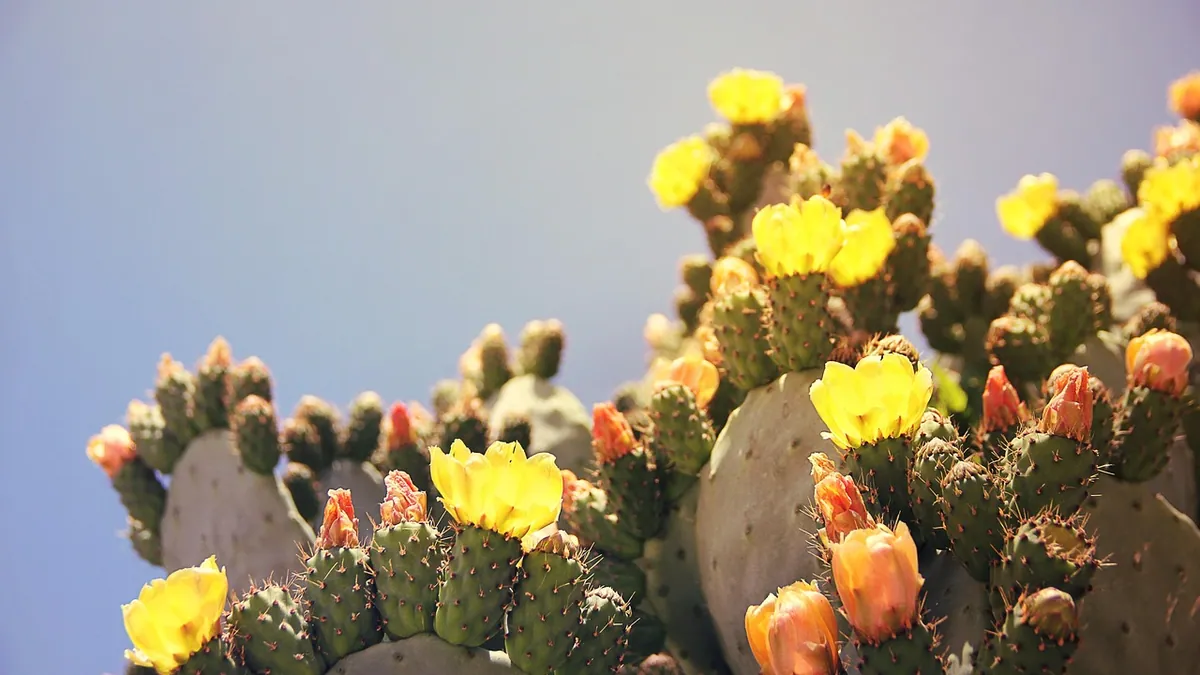
Most cacti in the Cactaceae family are not toxic to dogs, including the holiday cacti people keep on windowsills and the prickly pear growing in the yard [1][2][3]. The real danger is physical, not chemical. Spines, glochids, and irritating sap can injure your dog's mouth, eyes, skin, and gut even when the plant itself is not poisonous.
This article is educational and is not a substitute for veterinary diagnosis or treatment.
Quick Answer
- Christmas cactus, Easter cactus, Thanksgiving cactus, tree cactus, and thimble cactus are listed as non-toxic to dogs by the ASPCA Animal Poison Control Center [1][2][3].
- The main risk from these plants is mechanical injury from spines and tiny barbed glochids, which can embed in the mouth, eyes, and paws [4].
- Sap from holiday cacti can cause drooling, mouth irritation, and mild stomach upset if your dog chews on the plant.
- Euphorbia plants (often sold as "cactus") are a different story. Their milky sap is irritating and can cause serious mouth and stomach problems.
- If your dog has spines in the eye, is pawing at the face, or is vomiting repeatedly, call your veterinarian or a pet poison hotline right away.
Is Cactus Toxic to Dogs? What the Plant Records Show
The short answer is no for most true cacti. The ASPCA Animal Poison Control Center lists Christmas cactus (Schlumbergera bridgesii, also called Easter cactus) as non-toxic to dogs, cats, and horses [1]. Tree cactus (Opuntia species) is also listed as non-toxic to dogs, cats, and horses [2]. Thimble cactus (Mammillaria fragilis) carries the same non-toxic listing [3].
That covers a lot of ground. The holiday cacti on your shelf, the prickly pear in your desert garden, and many small potted cacti sold at garden centers fall into the non-toxic group.
Non-toxic does not mean harmless. A dog that bites a cactus still gets a mouth full of spines. A dog that brushes past a prickly pear can end up with glochids stuck in the nose or paw. Those injuries are real and sometimes serious.
Is Thanksgiving Cactus Toxic to Dogs?
No. Thanksgiving cactus is a Schlumbergera species, the same group the ASPCA lists as non-toxic to dogs [1]. It is often sold under the Christmas cactus name, and the two look almost identical. Either way, the plant is not poisonous.
The concern with Thanksgiving cactus is the same as with Christmas cactus. Dogs that chew the leaves may drool, gag, or have mild stomach upset from the plant material and sap. Spines are small but can still scratch the mouth.
Is Holiday Cactus Toxic to Dogs?
No. "Holiday cactus" is a catch-all term for Christmas, Thanksgiving, and Easter cacti. All three belong to the same non-toxic group [1]. They are popular because they bloom in winter and tolerate indoor conditions.
If your dog eats a leaf or two, you may see drooling or a mild upset stomach. That is usually from the fibrous plant tissue and sap, not from a toxin. Watch for vomiting, diarrhea, or mouth pain that does not settle.
Is Easter Cactus Toxic to Dogs?
No. Easter cactus (also called Christmas cactus in some plant records) is listed as non-toxic to dogs, cats, and horses [1]. It blooms in spring instead of winter, which is where the name comes from.
The same practical rules apply. Keep it out of reach if your dog likes to chew plants, and check the mouth for spines if you suspect a bite.
Which Parts of a Cactus Are Dangerous?
The danger from cacti is mechanical. Spines, glochids, and sap cause the problems, not a poison.
Spines are the obvious hazard. A dog that bites a cactus can get spines lodged in the lips, tongue, gums, and throat. Spines can also pierce the paw pads or the nose.
Glochids are the sneaky hazard. These are tiny barbed spines found on prickly pear and related Opuntia species. A veterinary ophthalmology case series from Texas described three dogs and one cat with cactus-induced keratoconjunctivitis. The glochids were heavily barbed and had penetrated the conjunctiva and cornea [4]. In plain terms, tiny spines got into the eyes and caused painful inflammation and ulcers.
Sap is the third hazard. Cactus sap is sticky and can irritate the mouth and skin. Dogs that chew on a holiday cactus often drool and paw at the mouth. The sap itself is not a poison, but it can make the mouth feel raw.
The Euphorbia Problem
Many plants sold as "cactus" are not cacti at all. Euphorbia species, sometimes called pencil cactus or African milk tree, look cactus-like but belong to a different plant family. Their milky white sap is a strong irritant. If your dog chews a Euphorbia, the sap can burn the mouth, cause heavy drooling, vomiting, and sometimes more serious problems.
This is the look-alike that matters most. If you are not sure whether your plant is a true cactus or a Euphorbia, assume it is the irritating kind and keep it out of reach. Your veterinarian or a poison hotline can help you sort out the plant identity.
What Happens in the Body After a Cactus Injury
There is no cactus toxin that acts on the nervous system or organs in the way that, say, grayanotoxins from Rhododendron plants do [5]. The harm from cacti is direct tissue damage.
When a spine or glochid penetrates tissue, it creates a puncture wound. Barbed glochids are hard to remove because the barbs grip the tissue [4]. In the eye, this leads to ulcerative keratoconjunctivitis, which means inflammation of the cornea and conjunctiva with surface ulcers [4]. That is painful and can worsen quickly without treatment.
In the mouth or throat, spines can cause swelling, bleeding, and difficulty eating or swallowing. If a spine migrates deeper, it can carry bacteria into the tissue. A human case report described a life-threatening Pasteurella multocida infection after a cactus puncture injury on a property with feral cats [6]. That case involved a person with liver disease, but it shows that cactus puncture wounds can become infected and that bacteria from the environment or animals can enter through the wound.
For dogs, the takeaway is simple. A cactus puncture is a wound. Wounds can get infected. Eye wounds are especially urgent.
Signs Your Dog Got Into a Cactus
Signs depend on where the cactus made contact.
Mouth and face signs include drooling, pawing at the mouth, lip smacking, dropping food, refusing to eat, swelling of the lips or muzzle, and visible spines or glochids. Your dog may rub the face on the floor or against furniture.
Eye signs include squinting, tearing, redness, cloudiness, pawing at the eye, and keeping the eye closed. These signs mean the eye needs same-day veterinary care. The Texas case series found ulcerative keratoconjunctivitis in every affected animal, and three of the four needed surgical removal of the foreign material [4].
Skin and paw signs include limping, licking at a paw, small puncture marks, swelling, and tenderness. Check between the toes and on the paw pads.
Stomach signs include vomiting, diarrhea, and not eating. These are more likely if your dog swallowed plant material or sap. Mild stomach upset from a non-toxic holiday cactus often settles in a day, but repeated vomiting is a reason to call your veterinarian.
How Fast Do Signs Appear?
Signs usually appear within minutes to hours of contact. Eye squinting and mouth pawing tend to show up fast because the pain is immediate. Stomach upset may take a few hours to develop. Wounds that become infected can take a day or more to show swelling, redness, or discharge.
What to Do Right Now
First, move your dog away from the plant. Do not let your dog keep chewing.
Second, look at the mouth, eyes, and paws if it is safe to do so. Use a flashlight. Do not dig around in the eye with your fingers or a cotton swab. You can make an eye injury worse.
Third, call for help. Contact your veterinarian, the ASPCA Animal Poison Control Center at (888) 426-4435, or Pet Poison Helpline at (855) 764-7661. Have the plant name or a photo ready if you can.
Do not induce vomiting unless a veterinarian tells you to. Vomiting can push spines back up through the throat and cause more damage. It can also be dangerous if your dog is already struggling to breathe or swallow.
If you see a spine in the eye, do not try to remove it yourself. Keep your dog from pawing at the face, and go to a veterinarian right away.
If your dog has a puncture wound on the paw or body, clean the area gently with warm water and call your veterinarian. Do not squeeze or dig at the wound.
For general guidance on plant exposures, see Dog Ate Toxic Plant. If you are trying to make your home safer, Plants That Aren't Toxic To Cats And Dogs is a useful starting point.
Veterinary Treatment for Cactus Injuries
Treatment depends on where the injury is and how severe it is.
For mouth and skin injuries, your veterinarian will examine the area and remove any visible spines or glochids. They may flush the mouth or wound, give pain medication, and prescribe antibiotics if the wound is deep or infected. They may also recommend a soft diet until the mouth heals.
For eye injuries, treatment is more involved. The Texas case series described surgical extraction of foreign bodies with medical therapy in three cases, and medical therapy alone in one case [4]. Your veterinarian may use magnification or specialized equipment to find tiny glochids. They may also stain the eye to check for ulcers, prescribe antibiotic or anti-inflammatory eye drops, and recheck the eye in a few days.
For stomach upset, treatment is usually supportive. Your veterinarian may recommend a bland diet, fluids, or anti-nausea medication. If your dog swallowed a large amount of plant material, imaging may be needed to check for a blockage.
If infection is suspected, your veterinarian may take samples for culture. Antibiotic choice depends on the bacteria found and your dog's health. Doses are calculated from your dog's weight and condition, so follow your veterinarian's instructions exactly.
Outlook for Dogs Exposed to Cactus
The outlook is good for most dogs with minor mouth or skin injuries. Small spines and sap irritation usually heal within a few days with home care and pain control.
Eye injuries have a good outlook when treated early. The dogs and cat in the Texas case series responded to treatment, though some needed surgery to remove the glochids [4]. Delays in treatment raise the risk of deeper ulcers, infection, and scarring.
Deep puncture wounds or infections can be more serious. A cactus puncture can introduce bacteria, and in rare cases those infections can become systemic [6]. Dogs with weakened immune systems, liver disease, or other chronic conditions need prompt veterinary care.
Prevention and Safer Alternatives
The best prevention is placement. Keep cacti on high shelves, in hanging planters, or in rooms your dog cannot reach. Do not rely on a coffee table or low windowsill if your dog is a chewer.
If you have outdoor cacti, block access with fencing or landscaping. Prickly pear and other Opuntia species are common in warm climates and their glochids spread easily. Glochids can stick to fur, blankets, and paws, so check your dog after time outside.
Train a "leave it" cue and redirect your dog to safe chew toys. Boredom and curiosity drive a lot of plant chewing, especially in puppies.
If you want pet-safe greenery, choose plants listed as non-toxic to dogs and cats. Holiday cacti are a reasonable choice if you keep them out of reach [1]. Spider plants, Boston ferns, and many other common houseplants are also safe options. For a broader list, see Plants Poisonous To Dogs and Common Houseplants Toxic to Cats and Dogs.
Be careful with plants sold as "cactus" that are actually Euphorbia. If you are unsure, keep the plant away from your dog or rehome it. You can also ask your veterinarian or a poison hotline to help identify a plant from a photo.
Limitations and When to Contact a Veterinarian
This article covers general information about cacti and dogs. It cannot tell you how serious your dog's specific injury is. Individual cases need a veterinarian who can examine your dog, look at the eye or mouth, and decide on treatment.
Contact a veterinarian the same day if your dog has:
- A spine or glochid in the eye, or any squinting, redness, or tearing
- A puncture wound on the paw, nose, or body
- Drooling, pawing at the mouth, or refusing to eat
- Vomiting or diarrhea that lasts more than a few hours
- Swelling, redness, or discharge at a wound site
Go to an emergency clinic right away if your dog has:
- A spine embedded in the eye that you cannot see clearly or that is causing severe pain
- Trouble breathing, gagging, or swelling in the throat
- Repeated vomiting with lethargy or a swollen, painful belly
- Collapse, weakness, or pale gums
Call your veterinarian for a routine visit if your dog had a mild mouth irritation that is improving but you want the mouth checked. Also call if you are not sure whether the plant was a true cactus or a Euphorbia.
Frequently Asked Questions
Is Christmas cactus safe for dogs?
Yes, Christmas cactus is listed as non-toxic to dogs by the ASPCA Animal Poison Control Center [1]. Your dog may still drool or have mild stomach upset after chewing it, but the plant is not poisonous. Keep it out of reach if your dog likes to nibble plants.
Can a cactus spine hurt my dog's eye?
Yes, and eye injuries from cacti can be serious. Tiny barbed glochids can penetrate the cornea and conjunctiva, causing painful ulcers and inflammation [4]. If you see a spine in your dog's eye or your dog is squinting, get veterinary care the same day.
What should I do if my dog bites a cactus?
Move your dog away from the plant and check the mouth, eyes, and paws with a flashlight. Call your veterinarian or a pet poison hotline for guidance. Do not induce vomiting unless a veterinarian tells you to, and do not try to remove spines from the eye yourself.
Are all cacti non-toxic to dogs?
Most true cacti in the Cactaceae family are listed as non-toxic to dogs, including Christmas cactus, tree cactus, and thimble cactus [1][2][3]. However, many plants sold as "cactus" are Euphorbia species with irritating milky sap. If you are unsure of the plant's identity, treat it as a hazard and keep it away from your dog.
Can my dog get an infection from a cactus puncture?
Yes. A cactus puncture is a wound, and wounds can become infected. A human case report described a life-threatening Pasteurella multocida infection after a cactus puncture injury [6]. For dogs, watch for swelling, redness, discharge, or lethargy after a puncture, and call your veterinarian if you see these signs.
Related Articles
- Plants Poisonous To Dogs
- Plants That Aren't Toxic To Cats And Dogs
- Dog Ate Toxic Plant
- Common Houseplants Toxic to Cats and Dogs
- Can Dogs Eat Tomatoes? Solanine Toxicity & Ripe vs Green
- Fruits And Vegetables Not Safe For Dogs
- Is Cactus Toxic to Pets? What Dog and Cat Owners Should Know
- Is Orchid Cactus Toxic to Dogs? Christmas Cactus Safety
- Are Succulents Toxic to Dogs? Which Ones to Avoid
References
- Toxic and Non-toxic Plants: Christmas Cactus. ASPCA Animal Poison Control Center.
- Toxic and Non-toxic Plants: Tree Cactus. ASPCA Animal Poison Control Center.
- Toxic and Non-toxic Plants: Thimble Cactus. ASPCA Animal Poison Control Center.
- Cactus-induced keratoconjunctivitis in Texas: A case series of three dogs and one cat. Veterinary ophthalmology, 2020.
- Grayanotoxin poisoning in animals following the ingestion of Ericaceae plants. Veterinary journal (London, England : 1997), 2026.
- Pasteurella multocida Bacteremia and Peritonitis in a Patient With Cirrhosis: A Life-Threatening Case From a Prick of a Cactus. Journal of investigative medicine high impact case reports, 2017.