Is Foxglove Poisonous to Cats? Cardiac Toxicity Signs
By Dr. Zubair Khalid, DVM, MS, PhD ·
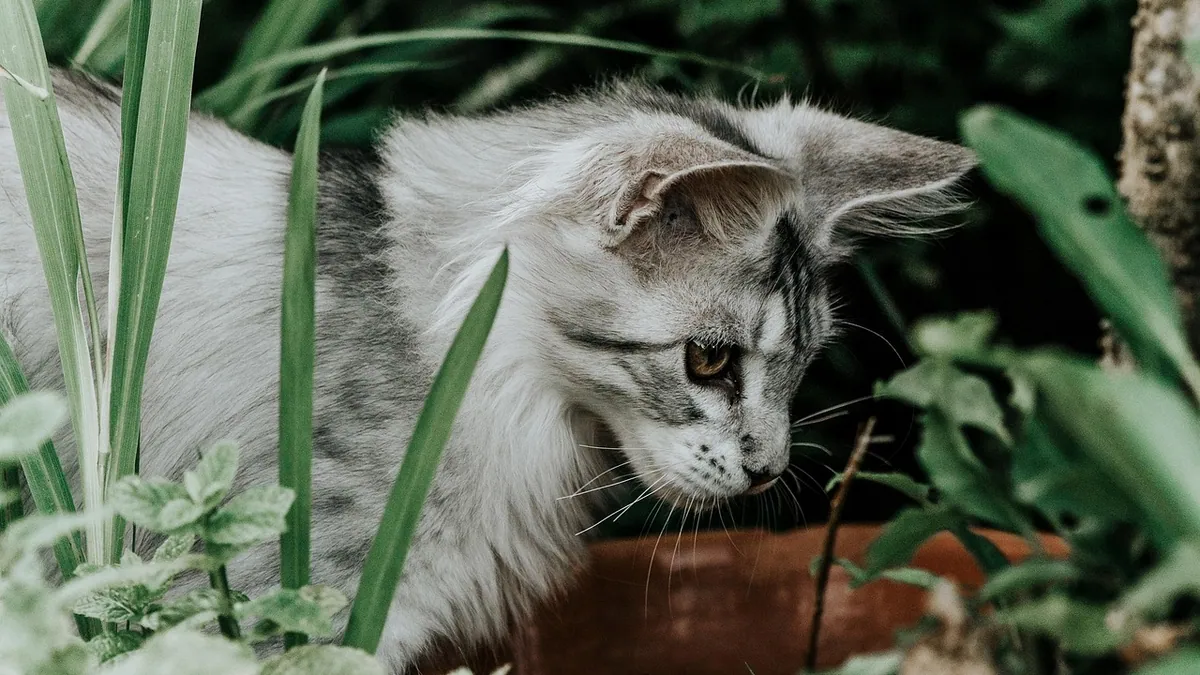
Is foxglove poisonous to cats? Yes. Foxglove is toxic to cats, and every part of the plant contains cardiac glycosides that can disrupt the heart's normal rhythm and, in serious cases, cause death [1]. Even a small amount matters, so any suspected exposure is a medical emergency, not a wait-and-see situation.
This article is educational and is not a substitute for veterinary diagnosis or treatment.
Quick Answer
- Foxglove (Digitalis purpurea) is listed as toxic to cats, dogs, and horses, with cardiac glycosides as the toxic principle [1].
- All parts of the plant are dangerous, including the flowers, leaves, stems, seeds, and roots.
- Common signs include vomiting, diarrhea, weakness, and abnormal heart rhythms, and cardiac failure or death can follow [1].
- Call your veterinarian, the ASPCA Animal Poison Control Center at (888) 426-4435, or Pet Poison Helpline at (855) 764-7661 right away if you think your cat ate any part of a foxglove plant.
- Do not make your cat vomit unless a veterinarian specifically tells you to.
Is Foxglove Poisonous to Cats?
Yes. Foxglove is on the ASPCA Animal Poison Control Center's list of plants toxic to cats, and the toxic principle is a group of compounds called cardiac glycosides [1]. The plant's scientific name is Digitalis purpurea, and it belongs to the family Scrophulariaceae [1].
This is not a plant that causes mild stomach upset and resolves on its own. The toxins in foxglove act directly on the heart, and the ASPCA lists cardiac arrhythmias, vomiting, diarrhea, weakness, cardiac failure, and death among the possible clinical signs [1]. That combination of effects is why foxglove exposures are treated as emergencies even when your cat seems fine at first.
Foxglove is also a common garden ornamental in many parts of the United States, and it grows as a wildflower in some regions. Cats who live indoors can still be exposed if cut foxglove comes into the house in a bouquet, if a potted plant sits on a windowsill or patio, or if a cat nibbles a leaf while supervised outdoor time goes unsupervised for a moment. Indoor plant poisoning is a recognized and serious threat to companion animals, largely because pets spend so much time in the same environment as household and garden plants [2].
If you are trying to make your home safer overall, it helps to learn which plants carry similar risks. Our guide to plants toxic to cats covers the broader list, and flowers that are toxic to cats focuses on bloom arrangements that often end up indoors.
Which Parts of the Foxglove Plant Are Toxic?
All parts of the foxglove plant contain cardiac glycosides, which is why the ASPCA lists the plant itself as toxic instead of singling out one portion [1]. In practice, that means:
- Foxglove flowers. The blooms are toxic, and dried flowers do not become safe. A cat who bats at or chews a cut stem from a vase is still exposed.
- Foxglove leaves. Leaves are toxic, and they are the part cats most often reach on a growing plant. Dried or wilted leaves remain a hazard.
- Stems and seeds. These contain the same toxic principle as the rest of the plant [1].
- Roots. If a cat digs at a potted foxglove or a plant is pulled up in the yard, the roots are also a source of exposure.
- Water in a vase. Water that held cut foxglove can carry leached plant compounds. Do not let your cat drink from a vase.
Foxglove is sometimes confused with other garden plants, and that confusion can cost time. If you are not certain what your cat chewed, treat it as a potential poisoning and call for guidance. You can also compare what you have at home against resources like what flowers are toxic to cats and flowers toxic to cats.
What Do Cardiac Glycosides Do to a Cat?
Cardiac glycosides change how the heart muscle handles electrical signals and calcium. In simple terms, they can push the heart into rhythms that are too fast, too slow, or disorganized. The ASPCA lists cardiac arrhythmias and cardiac failure as clinical signs of foxglove poisoning in cats [1].
Cardiac glycosides are also studied for their powerful effects on cell signaling and calcium movement, which is part of why their impact on the heart is so significant [3]. The same biological activity that makes these compounds pharmacologically potent in a controlled medical setting makes an accidental exposure dangerous.
The result is that a cat can look mildly ill (vomiting, drooling, acting weak) and then deteriorate quickly as the heart rhythm destabilizes. That gap between "she seems a little off" and "this is life threatening" is the main reason veterinarians do not recommend home monitoring for foxglove exposure.
Signs of Foxglove Poisoning in Cats
The ASPCA lists these clinical signs for foxglove toxicity: cardiac arrhythmias, vomiting, diarrhea, weakness, cardiac failure, and death [1].
Early signs you might notice at home
- Vomiting
- Diarrhea
- Drooling or lip smacking
- Weakness, wobbliness, or reluctance to move
- Loss of appetite
- Unusual tiredness or hiding
Signs that mean the heart is involved
- A racing, irregular, or very slow heartbeat
- Collapse or fainting
- Labored breathing
- Pale or bluish gums
- Seizure-like activity
- Sudden unresponsiveness
How fast do signs appear?
Timing varies with how much plant material was eaten, the cat's size, and how much was absorbed. Some cats show vomiting or weakness within hours, while others may not show obvious signs until the heart rhythm is already abnormal. Because cardiac glycoside effects can progress, a cat who looks stable an hour after chewing a leaf can still decline later. That is why same-day veterinary evaluation is the standard for any known or suspected foxglove ingestion.
What to Do Right Now If Your Cat Ate Foxglove
- Move your cat away from the plant. Put the plant out of reach or bag it so no other pet can get to it.
- Call for help immediately. Contact your veterinarian, the ASPCA Animal Poison Control Center at (888) 426-4435, or Pet Poison Helpline at (855) 764-7661. These lines are staffed to advise on plant exposures.
- Do not induce vomiting unless a veterinarian tells you to. Forcing vomiting can worsen some poisonings and can cause aspiration problems in cats.
- Do not give home remedies. Milk, oil, activated charcoal from a store shelf, or "detox" products are not appropriate unless a veterinarian directs them.
- Save the evidence. Take a photo of the plant, keep the chewed pieces, and note the time you think your cat ate it. This helps the veterinarian and the poison control team assess the exposure.
- Go in if told to. If your veterinarian or the poison hotline says to bring your cat in, go right away. Do not wait to see if signs develop.
If your cat is already collapsing, breathing hard, or having a seizure, skip the phone call and drive to the nearest emergency veterinary hospital. Call ahead so the team can prepare.
How Veterinarians Treat Foxglove Poisoning
Treatment depends on how much your cat ate, how long ago it happened, and what signs are present. A veterinarian will typically start with a physical exam, a heart rate and rhythm assessment, and blood work. An electrocardiogram may be used to look for arrhythmias, since the ASPCA lists cardiac arrhythmias as a key sign of foxglove toxicity [1].
Depending on the situation, care may include:
- Decontamination, if it is safe and appropriate for the timing
- Intravenous fluids to support circulation
- Medications to control heart rhythm and blood pressure
- Activated charcoal, if a veterinarian decides it is appropriate
- Oxygen support if breathing is affected
- Monitoring in the hospital, sometimes for more than a day
Any medication dose is calculated by the veterinarian based on your cat's weight, heart rhythm, and overall health. There is no safe at-home dose you can give on your own.
Outlook After Foxglove Exposure
The outlook depends heavily on how quickly treatment starts and how much plant material was eaten. Cats who receive prompt veterinary care have the best chance of recovery. Cats with untreated cardiac arrhythmias or cardiac failure are at risk of death, which the ASPCA lists as a possible outcome of foxglove poisoning [1].
Even cats who recover need follow-up. Heart rhythm problems can recur, and a veterinarian may want to recheck an electrocardiogram or blood work after discharge. If your cat has an underlying heart condition, tell the veterinarian, since that can change how the exposure affects your cat.
Preventing Foxglove Poisoning in Cats
Prevention is straightforward once you know what to look for.
- Remove foxglove from your home and yard if you have cats. This includes potted plants, cut flowers, and dried arrangements.
- Check bouquets before bringing them inside. Foxglove is a popular cut flower, and it can appear in mixed arrangements.
- Keep cut flowers in a room your cat cannot access, and never leave vase water where a cat can drink it.
- Supervise outdoor time. A cat on a harness or in a catio can still reach a garden plant.
- Choose cat-safe plants instead. If you want the tall, spiky look of foxglove, ask a nursery for non-toxic alternatives. Our article on what plants can be toxic to cats can help you build a safer plant list.
- Teach everyone in the household. Guests, house sitters, and family members should know that foxglove is not a safe plant to keep around cats.
Limitations and When to Contact a Veterinarian
This article cannot tell you whether your specific cat was poisoned. Only a veterinarian who examines your cat, reviews the exposure, and runs tests can do that. Individual cases need a veterinarian.
Use these timing guidelines:
- Emergency now: collapse, fainting, seizure, labored breathing, pale or blue gums, a heartbeat that feels very fast or very irregular, or any known ingestion of a large amount of plant material.
- Same day: you saw your cat chew or swallow any part of a foxglove plant, even if your cat seems normal. Call your veterinarian or a poison control line and follow their instructions.
- Routine visit: your cat has a known exposure, was treated, and now needs a recheck of heart rhythm or blood work.
If you are unsure whether the plant in your home is foxglove, treat it as toxic until a veterinarian or poison control professional tells you otherwise.
Frequently Asked Questions
Are foxglove leaves poisonous to cats?
Yes. The leaves contain the same cardiac glycosides found throughout the plant, and the ASPCA lists the whole plant as toxic to cats [1]. Dried or wilted leaves are still dangerous, so do not assume a dead leaf on the floor is safe.
Are foxglove flowers poisonous to cats?
Yes. The flowers are toxic, and so are the stems, seeds, and roots [1]. A cat who chews a single bloom from a vase has still been exposed and should be evaluated.
Can a cat survive foxglove poisoning?
Some cats do survive with prompt veterinary care. The ASPCA lists cardiac failure and death as possible outcomes, so the margin for delay is small [1]. Call for guidance as soon as you suspect exposure.
How much foxglove does it take to hurt a cat?
There is no safe amount you can judge at home. The ASPCA does not publish a threshold dose for cats, and the effect depends on the cat's size, health, and how much was absorbed [1]. Let a veterinarian or poison control professional assess the exposure.
What plants are commonly confused with foxglove?
Foxglove is sometimes mistaken for other tall garden flowers, and some of those plants carry their own toxins. For example, plants in the Ornithogalum group have been linked to serious poisoning in dogs, with cardiac glycoside-like compounds suspected [4]. If you are not sure what your cat ate, treat it as an emergency and call for help.
Related Articles
- Flowers That Are Toxic To Cats
- What Flowers Are Toxic To Cats
- Plants Toxic To Cats
- Flowers Toxic To Cats
- What Plants Can Be Toxic To Cats
- What Plants And Flowers Are Toxic To Cats
- Is Digitalis Toxic to Cats? Foxglove Poisoning Signs
- Is Oleander Poisonous to Cats? Cardiac Toxicity Signs
- Is Oleander Toxic to Dogs and Cats? A Deadly Plant
References
- Toxic and Non-toxic Plants: Foxglove. ASPCA Animal Poison Control Center.
- Indoor Companion Animal Poisoning by Plants in Europe. Frontiers in veterinary science, 2020.
- Dual targets of lethal apoptosis and protective autophagy in liver cancer with periplocymarin elicit a limited therapeutic effect. International journal of oncology, 2023.
- Intoxication with Ornithogalum arabicum is a potential cause of visual impairment and irreversible blindness in dogs. Toxicon: X, 2019.