Is Oleander Poisonous to Cats? Cardiac Toxicity Signs
By Dr. Zubair Khalid, DVM, MS, PhD ·
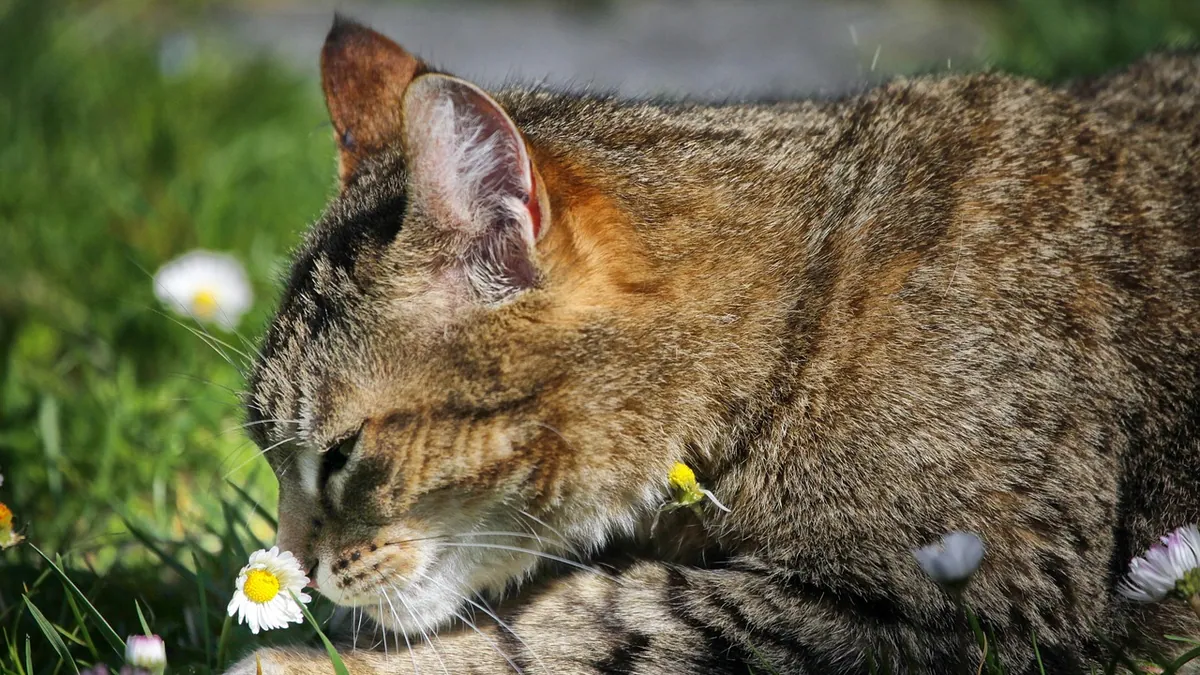
Yes, is oleander poisonous to cats? It is, and every part of the plant is dangerous. A cat can die after eating even a small amount of oleander leaves, flowers, or stems because the plant contains heart-stopping toxins. This article is educational and is not a substitute for veterinary diagnosis or treatment.
Quick Answer
- Oleander (Nerium oleander) is toxic to cats, dogs, and horses, and the toxic principle is cardiac glycosides [1].
- All parts of the plant are poisonous, including leaves, flowers, stems, and any water the cut stems sit in.
- Signs include drooling, abdominal pain, diarrhea, depression, vomiting, and a slow heart rate [1][2].
- There is no safe home remedy. Call your veterinarian, the ASPCA Animal Poison Control Center at (888) 426-4435, or Pet Poison Helpline at (855) 764-7661 right away.
- Do not make your cat vomit unless a veterinarian tells you to.
Is Oleander Toxic to Cats?
Yes. The ASPCA Animal Poison Control Center lists oleander as toxic to cats, along with dogs and horses [1]. The plant's scientific name is Nerium oleander, and it also goes by the common name rose-bay [1]. It belongs to the dogbane family, Apocynaceae, which is packed with plants that produce heart-active poisons [1].
This is not a plant that causes mild stomach upset and passes. Oleander toxicosis is linked to serious illness and death in animals, and in cats the outcome can be fatal even with treatment [3]. The toxins are present throughout the plant, so there is no "safe" leaf, petal, or twig to let your cat chew on.
Is Nerium Oleander Toxic to Cats?
Yes, Nerium oleander is the same plant, and it is toxic to cats [1]. Some people use the full botanical name and others just say oleander. Either way, it is the same risk.
Is Pink Oleander Poisonous to Cats?
Yes. Pink oleander is poisonous to cats, and so are the white, red, and yellow-flowered varieties of Nerium oleander. Flower color does not change the toxicity. The ASPCA lists the toxic principle as cardiac glycosides regardless of bloom color [1].
Are Oleander Flowers Poisonous to Cats?
Yes, oleander flowers are poisonous to cats. The ASPCA lists oleander as toxic without limiting the warning to leaves, and the toxic principles are present in the plant tissue [1]. A cat who bats a fallen blossom off a table and chews it is still exposed to the same cardiac glycosides found in the leaves.
Is Oleander Tree Poisonous to Cats?
Yes. Oleander often grows as a large shrub or small tree, and it is poisonous to cats in any form [1]. It is common in warm parts of the United States and is used in landscaping, highway medians, and yards. If your cat has access to an oleander tree or hedge, treat it as a hazard.
Is Oleander Dangerous to Cats Compared With Other Plants?
Yes, oleander is one of the more dangerous plants a cat can meet. Many toxic plants cause drooling, vomiting, or mouth irritation. Oleander attacks the heart. A 2020 case report described a cat who developed a ventricular arrhythmia (a dangerous abnormal heart rhythm) after possible exposure to Nerium oleander leaves [3]. That cat needed advanced treatment, and the authors noted that oleander toxicosis carries significant illness and death rates [3].
If you are checking your home and garden plant by plant, these guides can help you sort the safe from the unsafe: Plants Toxic To Cats, Flowers That Are Toxic To Cats, and Are Orchids Toxic To Cats.
What About Yellow Oleander?
Yellow oleander is a different plant with a different scientific name, Thevetia peruviana, but it is also in the Apocynaceae family and is also toxic to cats [2]. Its toxic principles are cardenolides, and the listed signs are vomiting, diarrhea, and a slow heart rate [2]. So if you see "yellow oleander" on a plant tag, the warning still applies.
The Toxic Principle and What It Does in the Body
Oleander contains cardiac glycosides, a group of compounds that act on the heart [1]. Oleander holds more than 30 different toxic cardiac glycosides, including oleandrin [4]. Oleandrin is a highly lipid-soluble cardiac glycoside, which means it moves into tissues easily, and it has a narrow therapeutic window, so the gap between a helpful amount and a harmful amount is small [5].
These compounds work by inhibiting the sodium-potassium pump (Na+, K+-ATPase) in cell membranes [6]. That pump keeps the electrical balance of cells stable. When it is blocked, heart muscle cells lose control of their electrical signaling, and the result is abnormal heart rhythms.
Oleandrin also has a long stay in the body. A review of oleandrin noted that its pharmacokinetics suggest enterohepatic circulation, meaning the compound can be recycled from the liver back into the gut and then absorbed again [5]. That helps explain why poisoning can keep causing problems instead of passing quickly.
The toxin does not stay in the stomach. In a cattle case, oleandrin was detected in the lungs, kidneys, liver, ruminal contents, and an intracardiac clot [4]. In rats given oleander leaf extract, researchers found liver necrosis, widening of sinusoidal spaces, and vascular damage along with changes in red and white blood cell counts [6]. The heart and liver take the hardest hits.
Signs of Oleander Poisoning in Cats
Signs can involve the gut, the heart, or both. The ASPCA lists drooling, abdominal pain, diarrhea, colic, depression, and death for oleander [1]. For yellow oleander, the listed signs are vomiting, diarrhea, and a slow heart rate [2].
Early Signs
- Drooling or excessive salivation [1]
- Vomiting and diarrhea [2]
- Abdominal pain or colic [1]
- Depression, weakness, or a cat who just seems "off" [1]
Heart-Related Signs
- Slow heart rate [2]
- Abnormal heart rhythms, including ventricular arrhythmias [3]
- Collapse or fainting
- Difficulty breathing
- Sudden death
In the cat case report, the cat first came in for lethargy and gastrointestinal signs after possible exposure to oleander leaves, then developed a ventricular arrhythmia [3]. That progression matters. Gut signs can show up first and heart signs can follow, so a cat who seems to have simple vomiting may still be in serious danger.
How Fast Do Signs Appear?
Timing depends on how much plant material was eaten and how much was absorbed. In one cattle incident, 76 of 205 animals died within 30 hours after inhaling smoke from burning oleander [4]. That was an extreme exposure, but it shows how quickly this toxin can act. In cats, the case report describes a cat who was already lethargic and having gastrointestinal signs at the time of presentation [3]. Do not wait to see if signs get worse. Treat any suspected exposure as an emergency.
What to Do Right Now
- Move your cat away from the plant. Put the cat in a safe room and close the door.
- Collect information. Note which plant part you think was eaten, how much, and when. Take a photo of the plant if you can do it safely.
- Call for help immediately. Contact your veterinarian, the ASPCA Animal Poison Control Center at (888) 426-4435, or Pet Poison Helpline at (855) 764-7661.
- Do not induce vomiting unless a veterinarian tells you to. Making a cat vomit at home can cause choking, aspiration, or injury, and it may not help with this toxin.
- Do not give food, milk, oil, activated charcoal, or any home remedy. These can interfere with treatment.
- Bring the plant sample or a photo with you to the clinic. Identification helps the veterinarian choose the right treatment.
If your cat is collapsed, struggling to breathe, having a seizure, or has a very slow or irregular heartbeat, go to the nearest emergency veterinary hospital now. Call ahead so the team can prepare.
How Veterinarians Treat Oleander Poisoning
Treatment starts with stabilization. Your veterinarian will check heart rate and rhythm, breathing, and circulation, and will start an intravenous catheter for fluids and medications.
Decontamination may be considered if the exposure was recent, but only by a veterinarian. Inducing vomiting or giving activated charcoal is a medical decision based on timing, the cat's condition, and the risk of aspiration.
Heart support is the center of care. Medications can be used to control arrhythmias and support blood pressure. In the reported cat case, a ventricular arrhythmia responded positively to digoxin-specific antibody fragments, and the treatment appeared to be well tolerated [3]. These antibody fragments bind digoxin-like compounds such as oleandrin. This was the first report of their use in a cat, and the authors noted that the cat also had underlying hypertrophic cardiomyopathy and later developed congestive heart failure [3].
Digoxin-specific antibody fragments are not stocked in every clinic. Your veterinarian may need to contact a poison control service or a referral hospital to arrange them. The dose is calculated by the veterinarian based on your cat's weight, the suspected exposure, and your cat's heart status. There is no home dose and no number you should try to work out yourself.
Supportive care may include oxygen, anti-nausea medication, gastrointestinal protectants, and monitoring for liver injury. Blood work and an ECG (electrocardiogram) are common. Some cats need intensive care for days.
Outlook After Oleander Exposure
The outlook depends on how much was eaten, how fast treatment started, and whether the heart rhythm can be controlled. Oleander toxicosis is associated with significant illness and death, and heart muscle damage can make arrhythmias worse [3]. Early intervention matters, and the cat case report highlights that point directly [3].
Some cats recover with aggressive care. Others do not respond, and humane euthanasia may be discussed if the heart cannot be stabilized [3]. This is a hard conversation, and your veterinary team will guide you through it based on your cat's specific condition.
Prevention and Safer Alternatives
The simplest prevention is to keep oleander out of any space your cat can reach. That includes indoor pots, patios, balconies, and yards. Cats climb, so a plant on a high shelf is not automatically safe.
If you have oleander in your yard, consider removing it or fencing it off. Do not compost the clippings where a cat could dig. Do not burn oleander trimmings near your home. In the cattle case, animals died after inhaling smoke from burning oleander, and oleandrin was found in their lungs [4]. Smoke exposure is a real risk, not a theoretical one.
If you bring cut oleander indoors, keep the vase out of reach and dump the water where no pet can drink it. The water can carry toxins leached from the stems.
For cat-safe greenery, choose plants that are not on toxic lists. If you are not sure about a plant, check it against a reliable toxic plant database before you buy it. You can also review Flowers Toxic To Cats and What Flowers Are Toxic To Cats to build a safer plant list for your home.
Limitations and When to Contact a Veterinarian
This article covers general information. Your cat is an individual, and only a veterinarian who examines your cat can assess exposure, risk, and treatment.
Contact a veterinarian the same day if you saw your cat chew or mouth an oleander plant but the cat seems normal right now. Early decontamination and monitoring may still be needed.
Go to an emergency clinic now if your cat is drooling heavily, vomiting, having diarrhea, seems depressed or weak, has a slow or irregular heartbeat, is breathing hard, or has collapsed. Do not wait for an appointment.
Schedule a routine visit if you are unsure whether a plant in your home is oleander or another toxic species. Bring a photo or a cutting in a sealed bag so the team can help identify it.
Frequently Asked Questions
How much oleander does it take to hurt a cat?
There is no published safe amount for cats. The toxin is a cardiac glycoside with a narrow therapeutic window, meaning small changes in the amount in the body can shift a cat from stable to dangerously affected [5]. Treat any known or suspected ingestion as an emergency and call for guidance.
Can a cat get sick from just licking oleander?
Yes, licking or mouthing plant material can lead to exposure, and the ASPCA lists drooling as a sign of oleander toxicosis [1]. Even if your cat only nibbled, call your veterinarian or a poison control service for advice.
Does oleander cause heart problems in cats?
Yes. Oleander toxicosis can cause abnormal heart rhythms, and one reported cat developed a ventricular arrhythmia after possible exposure to oleander leaves [3]. The toxin blocks the sodium-potassium pump in heart cells, which disrupts normal electrical signaling [6].
Is yellow oleander as dangerous as regular oleander?
Yellow oleander is a different species but is also toxic to cats, with listed signs of vomiting, diarrhea, and a slow heart rate [2]. Both plants contain heart-active compounds, so both should be kept away from cats.
Can oleander smoke or burning clippings hurt my cat?
Yes, inhalation is a documented route of exposure. In one cattle case, animals died after inhaling smoke from burning oleander, and oleandrin was detected in their lung tissue [4]. Never burn oleander trimmings near pets or livestock.
Related Articles
- Flowers That Are Toxic To Cats
- Are Orchids Toxic To Cats
- Flowers Toxic To Cats
- Plants Toxic To Cats
- What Flowers Are Toxic To Cats
- What Plants And Flowers Are Toxic To Cats
- Is Oleander Toxic to Dogs and Cats? A Deadly Plant
- Is Foxglove Poisonous to Cats? Cardiac Toxicity Signs
- Is Amaryllis Toxic to Cats? Leaves, Pollen, and Bulbs
References
- Toxic and Non-toxic Plants: Oleander. ASPCA Animal Poison Control Center.
- Toxic and Non-toxic Plants: Yellow Oleander. ASPCA Animal Poison Control Center.
- Digoxin-specific antibody fragments for the treatment of suspected Nerium oleander toxicosis in a cat. JFMS open reports, 2020.
- Case Report: Oleandrin intoxication by inhalation in beef cattle. Frontiers in veterinary science, 2025.
- Oleandrin: A Systematic Review of its Natural Sources, Structural Properties, Detection Methods, Pharmacokinetics and Toxicology. Frontiers in pharmacology, 2022.
- Clinical and pathological features of Nerium oleander extract toxicosis in wistar rats. BMC research notes, 2014.