Is Fertilizer Poisonous to Cats? Lawn and Plant Risks
By Dr. Zubair Khalid, DVM, MS, PhD ·
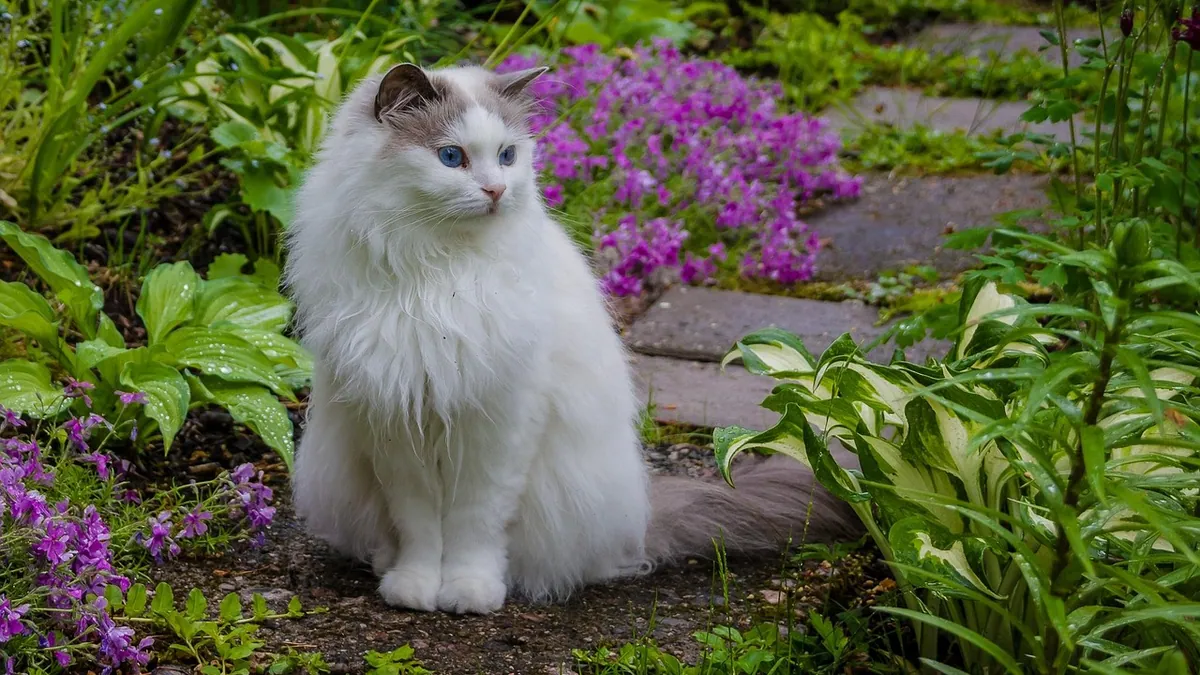
Is fertilizer poisonous to cats? Yes, some fertilizers are poisonous to cats, and the risk ranges from mild stomach upset to serious poisoning depending on the product. Lawn fertilizers, plant fertilizers, and organic blends can all contain ingredients that harm cats, and the amount and type of exposure matter a great deal. This article is educational and is not a substitute for veterinary diagnosis or treatment.
Quick Answer
- Fertilizers can cause vomiting, diarrhea, drooling, and lethargy, and some products cause organ damage or death [1].
- The biggest dangers are nitrate-heavy lawn products, fertilizers that also contain insecticides or herbicides, and any product spilled where a cat walks and then grooms.
- Organic and fish fertilizers are not automatically safe. They can still cause stomach upset and, in some cases, more serious problems.
- If your cat ate fertilizer or walked through it, call your veterinarian, the ASPCA Animal Poison Control Center at (888) 426-4435, or Pet Poison Helpline at (855) 764-7661 right away [1].
- Do not make your cat vomit unless a veterinarian tells you to.
Is Fertilizer Poisonous to Cats?
Many fertilizers are toxic to cats, but the word "fertilizer" covers a wide range of products. Some are simple plant foods. Others are combination products that also kill weeds or insects. The risk depends on what is in the bag, how much your cat swallowed, and whether the product touched your cat's fur or paws.
Potash, a mixture of potassium compounds, shows up in many fertilizers, some cleaning products, and even some foods. When pets are exposed to high levels of fertilizers, they can have gastrointestinal distress, organ damage, and even death [1]. That range is why you should treat any fertilizer exposure as a possible emergency until a veterinarian says otherwise.
Is Lawn Fertilizer Toxic to Cats?
Lawn fertilizer is often the highest-risk type because it is spread over large areas where cats walk, roll, and hunt. Granular lawn products can stick to paws and fur, and cats swallow them while grooming. Lawn fertilizer is also more likely than a houseplant product to contain added pesticides or high nitrate levels.
Nitrate-heavy fertilizers are a special concern. They can affect the blood's ability to carry oxygen, which is a medical emergency. If your cat has been on a freshly treated lawn, or you see granules on the paws or in the litter box area, call for advice.
Is Plant Fertilizer Toxic to Cats?
Plant fertilizer is usually a smaller exposure because indoor cats knock over a bottle or nibble a treated leaf instead of roaming a treated yard. That does not make it harmless. Liquid concentrates, spikes, and slow-release granules can all cause drooling, vomiting, and diarrhea if a cat chews or swallows them.
Household plant care overlaps with other cat hazards. If you are checking your indoor plants, it helps to review which plants are toxic to cats, since a fertilizer problem and a plant problem can look alike. You can read more in Plants Toxic To Cats and What Plants Are Toxic To Cats Houseplants.
Is Organic Fertilizer Toxic to Cats?
Organic fertilizer is not automatically safe for cats. "Organic" describes the source of the nutrients, not the safety of the product. Blood meal, bone meal, manure, and compost blends can cause stomach upset, and some can grow mold or bacteria that make a cat sick.
Organic products can also contain the same added pesticides as conventional ones. Always read the full ingredient panel, not just the front of the bag.
Is Fish Fertilizer Toxic to Cats?
Fish fertilizer is a common question because cats love the smell. Fish emulsion and fish-based liquid fertilizers are attractive to cats, which raises the chance of a real exposure. These products are usually lower risk than nitrate lawn fertilizers, but they can still cause vomiting, diarrhea, and drooling, and a large swallow of concentrate is a problem.
The smell is the trap. A cat may lick a treated pot, a sprayer, or a puddle of concentrate. Keep these products sealed and out of reach.
The Toxic Principle and What It Does in the Body
Fertilizers are not one poison. They are a mix of ingredients, and each one acts differently.
- Nitrogen and nitrates. These are the main nutrients in lawn fertilizers. In large amounts, nitrates can reduce oxygen delivery in the blood and cause weakness, fast breathing, and collapse.
- Potash and potassium salts. High exposure can irritate the gut and, in severe cases, affect the heart and kidneys [1].
- Phosphorus and other minerals. These can cause vomiting and diarrhea, and heavy exposure can affect calcium balance.
- Added insecticides and herbicides. Many "weed and feed" products combine fertilizer with a pesticide. The pesticide may be the more dangerous part.
- Iron, zinc, and other additives. Some specialty products contain metals that are toxic in large amounts.
There is a second path to poisoning that owners often miss. Fertilizer bags, sprayers, and containers can hold other chemicals, including antifreeze. Ethylene glycol is a common cause of fatal poisoning in companion animals, and it damages the kidneys [2]. If a cat drinks from a contaminated container or a puddle near the garage, the fertilizer may not be the real threat.
Signs of Fertilizer Poisoning in Cats and Their Timeline
Signs can start within minutes to a few hours after exposure. Common signs to watch for include gastrointestinal distress, drooling, vomiting, diarrhea, lethargy, and weakness [1]. More serious signs include tremors, trouble breathing, a fast or irregular heartbeat, collapse, and seizures.
The timeline depends on the product and the amount.
- Minutes to 1 hour. Drooling, pawing at the mouth, and vomiting after licking a concentrate or granules.
- 1 to 6 hours. Repeated vomiting, diarrhea, stomach pain, and lethargy.
- 6 to 24 hours. Worsening weakness, breathing changes, or heart rhythm problems with nitrate or potassium exposure.
- Days. Kidney or liver injury can develop slowly, and some cats look better before they get worse.
Skin and eye contact matter too. Fertilizer dust or liquid on the paws, belly, or face can cause redness, irritation, and constant licking. If your cat is grooming a treated area over and over, that is a sign to act.
What to Do Right Now
- Move your cat away from the product. Close the bag, move the pot, or bring your cat inside.
- Check the label. Note the product name, the active ingredients, the percentage of nitrogen, phosphorus, and potassium, and any pesticide listed.
- Call for help. Contact your veterinarian, the ASPCA Animal Poison Control Center at (888) 426-4435, or Pet Poison Helpline at (855) 764-7661 [1]. Have the label and your cat's weight ready.
- Do not induce vomiting unless a veterinarian tells you to. Some fertilizers and added chemicals cause more damage coming back up.
- Wipe, do not scrub. If granules or liquid are on the fur or paws, wipe them off with a damp cloth so your cat does not groom them off. Do not use harsh cleaners on the skin.
- Save the evidence. Keep the bag, the label, or a photo of both. It helps the veterinarian choose the right treatment.
If your cat is having trouble breathing, is collapsed, is having seizures, or is unresponsive, go to an emergency clinic now. Do not wait for a callback.
How Veterinarians Treat Fertilizer Poisoning
Treatment depends on the product and the signs. Your veterinarian will ask what was eaten, how much, and when. They may call a poison control service for guidance on that specific product.
Common steps include:
- Decontamination. If it is safe and recent, a veterinarian may induce vomiting and give activated charcoal to bind the toxins [1]. This is a decision for the veterinarian, not for you at home.
- Fluids. IV fluids treat dehydration and electrolyte imbalances [1]. This is often the mainstay of care.
- Blood work. Tests check kidney values, liver values, blood count, and electrolytes. Repeat testing may be needed over a day or two.
- Supportive care. Medications for vomiting, stomach protectors, and oxygen if breathing is affected.
- Monitoring. Heart rhythm and oxygen levels may be watched closely with nitrate or potassium exposure.
Potassium problems are a good example of why monitoring matters. In cats with high potassium from another cause, treatment with IV fluids and calcium gluconate plus prompt correction of the underlying problem was the core approach, and adding other drugs did not improve the potassium drop at 4 hours [3]. That does not mean every fertilizer case is the same, but it shows that supportive care and fixing the cause do most of the work. In one cat, severe potassium problems followed kidney injury and needed ongoing management [4].
Outlook for a Cat Exposed to Fertilizer
The outlook is good for most mild exposures. A cat that vomits once after licking a houseplant fertilizer often recovers with supportive care. The outlook is more guarded with nitrate lawn fertilizers, large concentrate swallows, or products that also contain pesticides.
Kidney injury is the main concern for severe cases. Cats that develop kidney damage may need days of fluids and repeat blood work, and some have lasting changes. Early treatment gives the best chance of a full recovery. If you are unsure whether your cat actually swallowed anything, call anyway. A phone call is cheap, and waiting is not.
Prevention and Safer Alternatives
Prevention is mostly about storage and timing.
- Store fertilizer in a sealed container in a cabinet or garage a cat cannot enter.
- Keep cats inside during and after lawn treatment. Follow the label's re-entry time, and add extra time if the grass is wet.
- Rinse paws and wipe fur if a cat goes outside after treatment.
- Never leave sprayers, buckets, or measuring cups with fertilizer residue where a cat can reach them.
- Do not use fertilizer as a litter box deodorizer or in any area a cat uses.
- Choose slow-release or lower-nitrogen products when possible, and avoid combination weed-and-feed products if you have cats.
- For indoor plants, use covered reservoirs or slow-release spikes that a cat cannot dig up.
If you garden with cats around, it also helps to know which plants are risky on their own. Two useful reads are Houseplants Toxic To Cats Reddit and What Plants Can Be Toxic To Cats.
Limitations and When to Contact a Veterinarian
This article cannot tell you whether your specific cat is in danger. The product, the amount, your cat's weight, and your cat's health all change the answer. Individual cases need a veterinarian.
Call now or go to an emergency clinic if your cat:
- Is having trouble breathing, is gasping, or has blue gums
- Is collapsed, unresponsive, or having seizures
- Has a very fast, very slow, or irregular heartbeat
- Vomited more than two or three times, or cannot keep water down
- Ate a large amount of concentrate or a full dose of granules
- Was exposed to a product that also contains an insecticide or herbicide
Call the same day if your cat:
- Drooled, vomited once, or had one loose stool after exposure
- Walked through fertilizer and is grooming heavily
- Has red, irritated skin or eyes after contact
- Ate an unknown amount and seems a little quiet
Schedule a routine visit if:
- Signs were mild and have stopped, but you want blood work checked
- Your cat has kidney disease, heart disease, or is on medication
- You are not sure what product was involved and want a records review
Frequently Asked Questions
Can a cat get sick just by walking on fertilized grass?
Yes. Granules and residue stick to paws and fur, and cats swallow them while grooming. Wipe the paws and belly with a damp cloth and keep your cat inside until the lawn is fully dry and past the label's re-entry time.
How long after eating fertilizer would a cat show signs?
Most signs start within minutes to a few hours. Drooling and vomiting often come first. If your cat looks normal 12 hours after a known large exposure, keep watching for a day, since some organ effects develop slowly.
Is fertilizer with insecticide worse than plain fertilizer?
Often, yes. Combination products add a pesticide on top of the fertilizer, and that pesticide can be the more dangerous ingredient. Bring the full label to your veterinarian or read it to the poison control line.
Will my cat be okay if it only licked a little?
Many cats are fine after a tiny lick, but "a little" is hard to judge from the outside. Call your veterinarian or a poison control line with the product name and your cat's weight, and follow their advice.
Are pet-safe fertilizers really safe for cats?
No fertilizer is truly cat-proof. Products marketed as pet safe still cause stomach upset if eaten in quantity, and they can still contain additives. Store them out of reach, keep cats away during application, and call for advice if any exposure happens.
Related Articles
- Plants Toxic To Cats
- Houseplants Toxic To Cats Reddit
- What Plants Are Toxic To Cats Houseplants
- House Plants Toxic To Cat
- What Plants Can Be Toxic To Cats
- House Plants Toxic To Cats Pictures
- Is Weed Killer Harmful to Cats? Roundup and Lawn Safety
- Is Glyphosate Toxic to Cats? Herbicide Safety Guide
- Is Cat Poop Good Fertilizer? Composting Risks for Gardens
References
- Fertilizer Toxicity in Pets. Pet Poison Helpline.
- Ethylene glycol poisoning in a free-roaming cat associated with suspected animal cruelty: a forensic veterinary case report in South Korea. Frontiers in veterinary science, 2026.
- Pharmacological therapy for hyperkalemia in feline urethral obstruction has no additional benefit over intravenous fluid and calcium gluconate therapy and prompt unobstruction. Journal of the American Veterinary Medical Association, 2025.
- Refractory Hyperkalemia With Type 4 Renal Tubular Acidosis Associated With Tubulointerstitial Nephritis and Renal Papillary Necrosis Following Intravenous Lipid Emulsion Therapy in a Cat. Journal of veterinary emergency and critical care (San Antonio, Tex. : 2001), 2025.