Are Essential Oils Toxic to Dogs? Diffuser Safety
By Dr. Zubair Khalid, DVM, MS, PhD ·
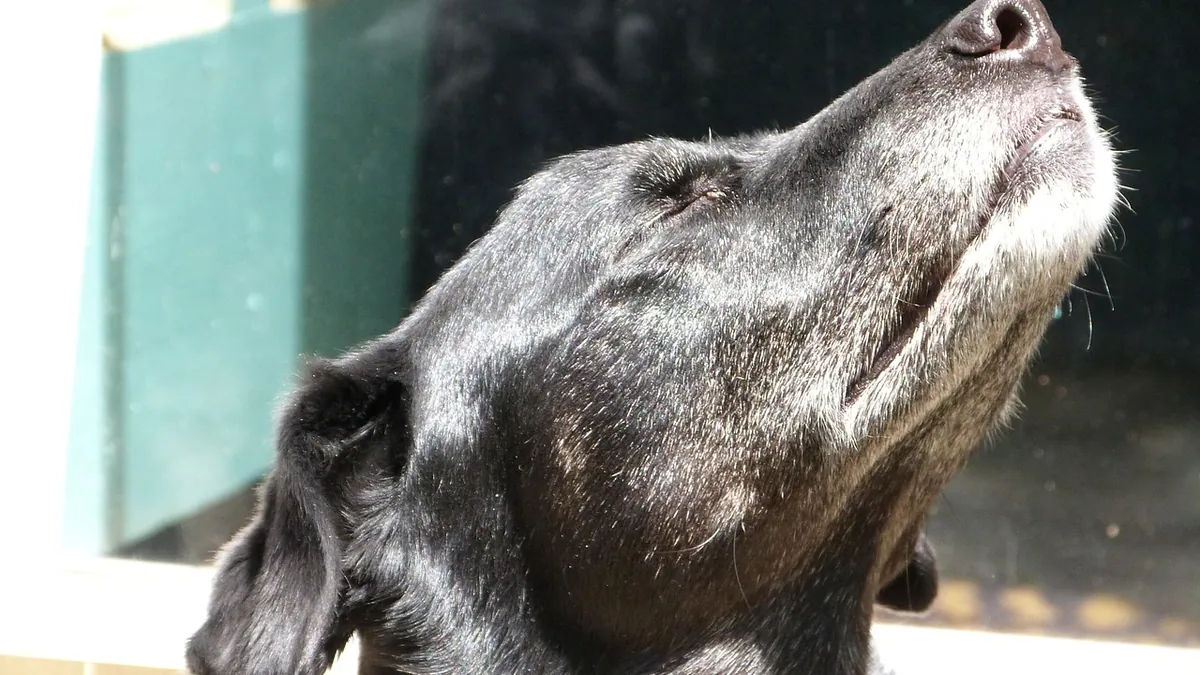
Are essential oils toxic to dogs when diffused? Yes, some are. Diffused oils can irritate a dog's eyes and airways, and oils that land on fur get licked off and swallowed. The risk depends on the oil, the concentration, the room size, and your dog's health.
This article is educational and is not a substitute for veterinary diagnosis or treatment.
Quick Answer
- Some essential oils are genuinely toxic to dogs, and tea tree oil is the most commonly reported essential oil poison in pets [1].
- Diffusing is usually lower risk than applying oil to skin or letting a dog swallow it, but a dog in a small, closed room with a running diffuser can still get sick.
- Citrus oils like orange and pine oils are common irritants, and concentrated oils should never be applied directly to a pet's skin [1].
- If your dog has vomiting, drooling, wobbling, or trouble breathing after oil exposure, call your veterinarian or a poison control line right away.
- Never induce vomiting unless a veterinarian tells you to.
Are Essential Oils Toxic to Dogs When Diffused?
Diffusion puts tiny oil droplets into the air. Your dog breathes them in, and they also settle on the coat, floor, and furniture. A dog then grooms and swallows whatever is on the fur.
Essential oils are absorbed quickly through the gut, skin, lungs, and mucous membranes, so a dog can develop whole-body signs after exposure by more than one route [1]. The higher the concentration, the greater the risk [1].
That does not mean every diffuser is dangerous. It means the oil, the amount, the ventilation, and your dog's size and health all matter. A large, well-ventilated room with a few drops is a different situation from a closed bedroom with a diffuser running for hours next to a small dog's crate.
Some dogs are simply more sensitive. Dogs with asthma, collapsing trachea, or other airway disease can react to airborne irritants even when the oil itself is not highly toxic. Puppies, seniors, and dogs with liver or kidney disease also clear oils more slowly.
If you want the bigger picture on oils and pets in general, see Are Essential Oils Safe for Cats and Dogs?.
Which Essential Oils Are Most Dangerous to Dogs?
The oils seen most often in dog poisonings are tea tree oil (also called melaleuca), pennyroyal, oil of wintergreen, and pine oils [2]. These are the ones to keep out of your home if you have a dog, or at least keep sealed and out of reach.
Tea tree oil stands out. It has been the most commonly reported essential oil intoxicant in pets [1]. It shows up in shampoos, spot treatments, and "natural" flea products, often at concentrations far higher than a dog can tolerate.
Wintergreen oil contains compounds related to aspirin. Pennyroyal is a liver toxin in dogs. Pine oils and other strong aromatic oils irritate the airway and skin.
Is Rosemary Essential Oil Toxic to Dogs?
Rosemary oil is not on the classic high-danger list, but that does not make it harmless. Strong concentrations can irritate a dog's airway and skin, and swallowing undiluted oil can cause stomach upset. Keep it away from your dog's face and never apply it to the coat undiluted.
Is Orange Essential Oil Toxic to Dogs?
Citrus oils like orange are common irritants. The fumes can bother a dog's eyes and breathing, and the oil on the skin can cause redness and itching. If your dog licks orange oil off its fur, expect drooling, vomiting, or mouth irritation. Citrus oils are not in the same danger class as tea tree or pennyroyal, but they are not a safe chew toy either.
Is Vanilla Essential Oil Toxic to Dogs?
Vanilla is not a classic essential oil toxin, and small amounts of vanilla flavoring are generally not a poisoning emergency. The bigger concern is the carrier. Many vanilla products contain alcohol, which is toxic to dogs, and some contain added sweeteners or other ingredients. Read the label, and if your dog drank a bottle of vanilla extract, call poison control.
Are Dogs Allergic to Essential Oils?
Dogs can have allergic skin reactions to oils, and they can also have direct irritant reactions that look similar. Signs include redness, itching, hives, and hair loss where the oil touched the skin. A true allergy can worsen with repeated exposure, so stop using the product and call your veterinarian if the skin does not settle in a day or two.
What Is the Toxic Principle and What Does It Do in the Body?
Essential oils are the volatile, fragrant compounds distilled from plants [1]. They are not gentle because they are natural. Many are concentrated plant chemicals that can damage tissue on contact and cause systemic illness once absorbed.
Once a dog swallows oil, it is absorbed rapidly from the gut. Once it lands on skin, it crosses into the bloodstream. Once it is inhaled, it moves through the lungs. Signs can develop from any of these routes, and they can overlap [1].
Different oils hit different systems. Some cause direct irritation of the mouth, throat, and stomach. Some affect the nervous system, causing wobbling, tremors, or depression. Some stress the liver. Wintergreen-type oils can affect clotting and the stomach lining.
There is also a drug interaction concern. A 2026 laboratory study found that linalool and linalyl acetate, the main compounds in lavender essential oil, are broken down by canine liver enzymes, mainly CYP2B11, and that lavender oil inhibits that same enzyme [3]. That matters because many prescription drugs are processed by the same enzyme system. If your dog takes medication and you diffuse or apply lavender oil, ask your veterinarian before continuing.
What Are the Signs of Essential Oil Poisoning in Dogs?
Signs vary with the oil, the amount, and the route. Watch for:
- Drooling, pawing at the mouth, or lip smacking
- Vomiting or diarrhea
- Redness, itching, or burns on the skin
- Squinting, tearing, or eye redness
- Coughing, sneezing, or noisy breathing
- Wobbling, weakness, or trouble standing
- Tremors, twitching, or seizures
- Sleepiness, confusion, or unresponsiveness
- Loss of appetite or lethargy that lasts more than a day
How Fast Do Signs Appear?
Signs often start within minutes to a few hours of exposure. Inhaled irritation can show up while the diffuser is still running. Skin reactions may take longer, sometimes a day or two, especially with repeated use of a diluted product. If your dog swallowed concentrated oil, signs can appear fast and worsen quickly.
What Should You Do Right Now?
- Move your dog to fresh air right away. Turn off the diffuser and open windows.
- If oil is on the coat, wash it off with a mild pet shampoo and warm water. Wear gloves so you do not absorb the oil too.
- If oil is in the eye, flush with plain lukewarm water or saline for several minutes.
- Call your veterinarian, the ASPCA Animal Poison Control Center at (888) 426-4435, or Pet Poison Helpline at (855) 764-7661.
- Do not induce vomiting unless a veterinarian tells you to. Some oils cause aspiration pneumonia if vomited, and some cause seizures that make vomiting dangerous.
- Save the bottle or label. The exact oil, concentration, and ingredients guide treatment.
If your dog is having a seizure, struggling to breathe, or cannot stand, go to the nearest emergency veterinary hospital now and call on the way.
How Veterinarians Treat Essential Oil Poisoning in Dogs
Treatment depends on the route and the severity. Your veterinarian will start with a full physical exam and a history of what oil was used, how much, and when.
For skin exposure, they will decontaminate the coat with a degreasing shampoo and monitor for burns or allergic reaction. For eye exposure, they will flush the eye and check for corneal damage with a stain.
For swallowed oil, they may give activated charcoal if it is safe and recent, along with medications to control vomiting, tremors, or seizures. Some dogs need intravenous fluids to support circulation and protect the kidneys. Oxygen and airway support help dogs with breathing trouble.
Blood work may be checked to look at liver and kidney values and clotting. The dose of any medication is calculated by the veterinarian based on your dog's weight and health, so there is no home dose to follow.
What Is the Outlook?
Many dogs recover fully with prompt treatment, especially when the exposure was small or mainly airborne. Dogs that swallowed concentrated oil or that developed seizures, breathing difficulty, or liver injury need closer monitoring and a longer recovery.
The most important factor is how fast you act. Early decontamination and early veterinary care make a real difference. If you are unsure whether your dog was exposed, call poison control anyway. It is free advice compared with waiting.
How to Use Essential Oils Safely Around Dogs
You do not have to throw out every oil, but you do need rules.
- Diffuse only in rooms your dog can leave. Never diffuse in a crate, a closed car, or a small bathroom with the door shut.
- Keep sessions short. Run the diffuser for 15 to 30 minutes, then air the room out.
- Use fewer drops. More oil does not mean better results, and concentration drives risk [1].
- Never apply concentrated essential oil to your dog's skin or coat [1].
- Store all bottles in a closed cabinet. Dogs will chew glass and plastic.
- Skip tea tree, pennyroyal, wintergreen, and pine oils entirely if you have a dog [2].
- Wash your hands after handling oils, and do not let your dog lick your skin where you applied oil.
- Tell your veterinarian about every oil, supplement, and topical product your dog gets, because of the drug interaction risk with oils like lavender [3].
Are There Safer Alternatives?
Yes. For fleas and ticks, use a veterinarian-recommended product instead of a homemade oil blend. Some oils do show real pest activity in research, but that does not make them safe to pour on your dog. A 2024 study found that citronella, clove, peppermint, ginger, and Zanthoxylum limonella oils killed tick larvae at concentrations of 2% and up and eliminated fleas at 4%, but the authors also tested dog skin sensitivity to the oils [4]. Another 2024 study used a 6% citronella bath bomb on dogs and checked for skin irritation over 15 days [5]. These are controlled research settings, not a recipe for home use.
Clove oil has been studied for antibacterial activity against Staphylococcus pseudintermedius from dog ear infections, with an average minimum inhibitory concentration of 6.4 mg/mL [6]. It has also been studied as a chemical castration agent injected into the testicle [7]. Neither finding means clove oil is safe to use at home on your dog's ears or skin. Ear infections need a veterinary diagnosis, and injecting oil into tissue is a procedure, not a home remedy.
For calming, try behavior changes, exercise, and a quiet space first. If you are considering a supplement, read CBD Oil for Dogs: Dose Safety and Drug Interaction Warnings before you buy anything.
If your dog chews something scented, the container matters too. See Dog Ate a Candle: Wax, Wicks, and Fragrance Risks Explained and My Dog Ate a Pen: Is It Toxic or Just a Blockage Risk? for how vets think about swallowed objects.
Limitations and When to Contact a Veterinarian
No article can tell you whether your specific dog will get sick from your specific diffuser. The oil, the concentration, the room, your dog's size, and your dog's health all change the answer. Individual cases need a veterinarian.
Contact your veterinarian the same day if your dog has mild drooling, vomiting once or twice, red or itchy skin, or eye redness after oil exposure.
Go to an emergency hospital now if your dog has a seizure, tremors, trouble breathing, collapse, severe vomiting, or is unresponsive.
Book a routine visit if your dog has lingering appetite loss, low energy, or a skin reaction that is not improving after you stopped using the oil.
Frequently Asked Questions
Can I diffuse essential oils in the same room as my dog?
Only if the room is well ventilated and your dog can walk out. Keep sessions short, use a small number of drops, and stop if your dog coughs, squints, or seems restless. Never diffuse in a closed crate or a small space where your dog cannot escape.
Which single oil should I avoid most with dogs?
Tea tree oil is the one to avoid most, since it is the most commonly reported essential oil poison in pets [1]. Pennyroyal, wintergreen, and pine oils are also on the high-risk list [2]. If you keep only one rule, keep these four out of your home.
My dog licked a drop of oil off the floor. Is that an emergency?
It depends on the oil and the amount. A tiny taste of a mild oil may cause only drooling or a stomachache, but tea tree, pennyroyal, wintergreen, or pine oil in any amount deserves a phone call. Call poison control or your veterinarian and describe the oil and the amount.
Do diffusers hurt dogs with asthma or breathing problems?
Yes, they can. Airborne oil droplets irritate the airway, and dogs with existing breathing disease react more strongly. If your dog coughs, wheezes, or breathes harder when a diffuser runs, stop using it and talk to your veterinarian.
Can I use essential oils to treat my dog's ear infection or fleas?
No. Ear infections and parasite infestations need a veterinary diagnosis and a product proven safe for dogs. Some oils show antibacterial or pest-killing activity in laboratory research [4][6], but that is not the same as a safe home treatment, and concentrated oils should never be applied directly to pets [1].
Related Articles
- Are Essential Oils Safe for Cats and Dogs?
- CBD Oil for Dogs: Dose Safety and Drug Interaction Warnings
- My Dog Ate a Pen: Is It Toxic or Just a Blockage Risk?
- Dog Ate a Candle: Wax, Wicks, and Fragrance Risks Explained
- Foods Toxic To Dogs Pdf
- Plants Poisonous To Dogs
- Lavender and Dogs: Diffusers, Oils, and Skin Exposure
- Is Pennyroyal Toxic to Dogs? Essential Oil Danger
- Is Mint Oil Toxic to Dogs? Vet Safety Guidance
References
- Toxicoses From Essential Oils in Animals - Toxicology. Merck Veterinary Manual.
- Essential Oils Are Toxic to Dogs. Pet Poison Helpline.
- Linalool, linalyl acetate, and lavender essential oil: evaluation of metabolism and drug interactions using canine liver microsomes and recombinant enzymes. Xenobiotica; the fate of foreign compounds in biological systems, 2026.
- Essential oil pharmaceuticals for killing ectoparasites on dogs. Journal of veterinary science, 2024.
- In vivo mosquito repellency effect of citronella (Cymbopogon nardus (L.) Rendle) essential oil bath bomb formulation in dogs. Veterinary world, 2024.
- Antibacterial Activity of Clove Essential Oil (Syzygium aromaticum) Against Oxacillin-Resistant Staphylococcus pseudintermedius Isolated from Dogs with Otitis Externa. Pathogens (Basel, Switzerland), 2025.
- A Comparative Analysis of Intratesticular Versus Intra-Epididymal Injections of Clove Essential Oil on Male Dog Sterilization. Veterinary medicine and science, 2026.