Is Pennyroyal Toxic to Dogs? Essential Oil Danger
By Dr. Zubair Khalid, DVM, MS, PhD ·
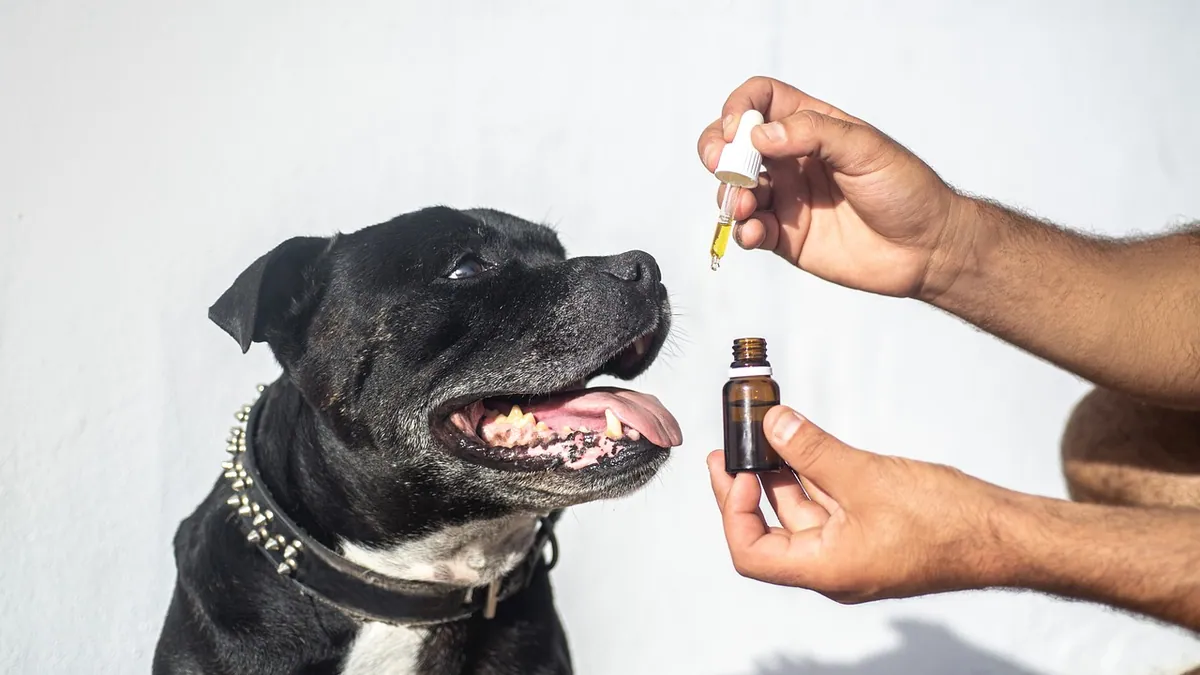
Yes, pennyroyal is toxic to dogs, and the essential oil form is the most dangerous. Dogs have died after owners applied pennyroyal oil to their coats for fleas, and the liver damage can progress even while the dog seems to be improving. If you are asking whether penny royal is toxic to dogs because your dog just licked or wore some, treat this as an emergency.
This article is educational and is not a substitute for veterinary diagnosis or treatment.
Quick Answer
- Pennyroyal oil is a genuine poison for dogs. It is one of the most common essential oil poisonings seen in dogs, along with tea tree oil, oil of wintergreen, and pine oils [1].
- A published case describes a dog treated with pennyroyal oil for fleas that vomited within 2 hours and died within 48 hours despite emergency care [2].
- Never apply pennyroyal oil, pennyroyal leaves, or any pennyroyal product to your dog's skin, and never add it to food or water.
- If your dog swallowed or absorbed pennyroyal, call your veterinarian, the ASPCA Animal Poison Control Center at (888) 426-4435, or Pet Poison Helpline at (855) 764-7661 right away.
- Do not make your dog vomit unless a veterinarian tells you to.
Is Pennyroyal Toxic to Dogs?
Yes. Pennyroyal is toxic to dogs in every form, and the concentrated essential oil is the worst. The plant goes by the botanical name Mentha pulegium, and it also appears in products labeled as pennyroyal, European pennyroyal, or squaw mint. Mentha pulegium toxicity is driven by the oil, not by the dried leaf in small amounts, so the risk depends heavily on the product.
Which Parts and Products Are Dangerous
The essential oil is the main hazard. It is sold in health food stores and online, sometimes with instructions for flea control that are written for humans or for the garden, not for pets. A dog was treated for fleas with pennyroyal oil the owner bought at a health food store, and that exposure was fatal [2].
Dried pennyroyal leaf, pennyroyal tea, and pennyroyal-containing salves and sprays also carry risk, especially if a dog eats the plant material or grooms a treated area. Concentrated essential oils should never be directly applied to pets [3]. That rule applies to pennyroyal with no exceptions.
Why the Flea Treatment Use Is So Risky
Pennyroyal has a long folk history as an insect repellent, and that history is why people still reach for it when fleas show up. The problem is the delivery method. Flea products are applied along the spine and rubbed into the coat, which puts a concentrated oil directly onto skin with a rich blood supply. Essential oils are absorbed readily and rapidly through the skin, so a topical flea remedy becomes a whole-body exposure [3].
There is real research interest in plant oils for tick and flea control, including mint oils, but that work is done in laboratories with measured concentrations and specific formulations, not with a bottle of undiluted oil poured on a pet [4]. A home remedy is not the same thing as a tested product.
What Pennyroyal Does Inside the Body
The toxic principle in pennyroyal is pulegone, a compound that gives the plant its strong mint smell. Pulegone is the major constituent of Mentha pulegium oil and related mint oils, and it has documented biological activity in cells and animals [5]. Pulegone is also on the list of essential oil constituents with known reproductive and maternal toxicity concerns, which is one more reason it does not belong on or in a pet [6].
Once absorbed, pulegone is converted by the liver into a more reactive metabolite that damages liver cells. That is why pennyroyal poisoning is described as a liver toxin. The injury can be severe and can progress over a day or two, which matches the timeline in the fatal dog case [2].
Because essential oils enter the body through the gut, skin, lungs, and mucous membranes, signs can appear from any route of exposure [3]. A dog that licks oil off its coat, breathes in a spray, or eats a treated plant can all end up with the same systemic poisoning.
Signs of Pennyroyal Poisoning in Dogs
Signs usually start within minutes to hours of exposure, whatever the route [3]. The most common early signs after eating or skin contact are vomiting, lethargy, drooling, wobbliness, and loss of appetite [3]. In the reported fatal case, vomiting began within 2 hours of the oil being applied to the dog's skin [2].
More serious signs can follow. These include tremors, low blood pressure, stomach ulcers, a slow heart rate, low body temperature, seizures, rear limb paralysis, skin irritation, liver failure, and kidney failure [3].
Timeline to Watch
- Minutes to a few hours: vomiting, drooling, stumbling, sleepiness [3].
- First 24 hours: worsening lethargy, refusal to eat, possible tremors or collapse [3].
- 24 to 48 hours: in the published fatal case, the dog died within 48 hours of application despite emergency treatment [2].
If your dog ate pennyroyal, the clock starts immediately. Do not wait to see whether signs appear.
What to Do Right Now
Call for help before you do anything else. Contact your veterinarian, the ASPCA Animal Poison Control Center at (888) 426-4435, or Pet Poison Helpline at (855) 764-7661. Both services are staffed for exactly this kind of question, and they can tell you whether your dog needs to be seen.
Do not induce vomiting unless a veterinarian tells you to. Pennyroyal oil is a caustic, fragrant liquid, and forcing vomiting can cause aspiration into the lungs on top of the poisoning. It can also be dangerous if your dog is already wobbly or sleepy.
If the oil is on your dog's skin, ask the poison control team or your veterinarian whether you should wash the area with a mild dish soap and lukewarm water. Do not scrub, and do not use more essential oils or herbal products to "neutralize" it.
Bring the product with you. The bottle, the label, and an estimate of how much was used all help your veterinarian plan treatment. If you do not know how much your dog swallowed, say so. The dose is calculated from your dog's weight and the product concentration, and your veterinarian sets that.
How Veterinarians Treat Pennyroyal Poisoning
Treatment is supportive and depends on how sick your dog is when it arrives. Your veterinarian may give medications to control vomiting, intravenous fluids to support blood pressure and circulation, and treatments for seizures or tremors if they are present. Blood work is used to check liver and kidney values and to track them over time, because liver injury can worsen after the initial signs.
Activated charcoal may be used in some cases of ingestion, but only under veterinary direction and only when it is safe for that patient. It is not something to give at home.
There is no at-home antidote for pennyroyal. Everything that helps has to be delivered and monitored by a veterinarian.
Outlook After Pennyroyal Exposure
The outlook depends on how much oil was involved, how the dog was exposed, and how quickly treatment started. The published case shows how fast this can go wrong. That dog received emergency treatment and still died within 48 hours [2].
Dogs that survive a significant pennyroyal exposure may need follow-up blood work to confirm the liver is recovering. Some liver damage can be permanent. Your veterinarian will tell you how often to recheck based on your dog's lab results, not on how the dog looks at home.
Preventing Pennyroyal Exposure
The simplest prevention is to keep pennyroyal out of your home if you have a dog. Do not buy pennyroyal oil for flea control, do not make pennyroyal tea for your dog, and do not use pennyroyal sprays in rooms where your dog spends time.
If you garden, know what you are planting. Mentha pulegium is a low-growing mint that can spread, and a dog that grazes or digs can reach it. If you already have it, keep your dog away from the patch and ask your veterinarian about safe flea prevention instead.
Safer Flea Control
Use flea and tick products that are labeled for dogs and prescribed or recommended by your veterinarian. These products are dosed by weight and tested for the species on the label. Never use a cat product on a dog or a dog product on a cat.
If you want to reduce chemicals in your home, talk with your veterinarian about options. There are prescription products with different active ingredients, and there are non-drug steps like frequent vacuuming, washing bedding in hot water, and treating the yard. What you should not do is substitute an undiluted essential oil for a real flea product.
If you are interested in how oils and other supplements fit into pet care, our guide to essential oils and pets covers the broader safety picture. Owners who use other oils or supplements should also read about CBD oil dosing and drug interactions in dogs, since mixing products can add risk. And if your dog eats something unexpected, our article on whether a swallowed pen is toxic or a blockage risk explains how to think through a foreign object exposure.
Limitations and When to Contact a Veterinarian
Individual cases need a veterinarian. No article can tell you whether your dog's specific exposure is dangerous, because that depends on the product, the amount, your dog's weight, and your dog's underlying health.
Contact a veterinarian the same day if your dog licked a pennyroyal product, if you are not sure how much was involved, or if you applied pennyroyal to the skin and your dog seems normal so far. Early signs can be subtle.
Go to an emergency clinic now if your dog is vomiting repeatedly, drooling heavily, stumbling, very sleepy, trembling, having seizures, or unable to stand. Do not drive to a regular appointment if your dog is collapsing or seizing. Call the emergency clinic on the way so they can prepare.
Schedule a routine visit if a past exposure happened days ago and your dog seems fine but you want blood work checked. Your veterinarian can decide whether liver values need to be measured.
Frequently Asked Questions
Can I use pennyroyal oil as a natural flea treatment on my dog?
No. Pennyroyal oil is a liver toxin and has killed a dog when used as a flea treatment [2]. Concentrated essential oils should never be applied directly to pets [3]. Use a flea product labeled for dogs and recommended by your veterinarian instead.
How fast do pennyroyal poisoning signs show up in dogs?
Signs usually begin within minutes to hours of exposure, no matter how the dog was exposed [3]. In one fatal case, vomiting started within 2 hours of the oil being applied to the skin [2]. If you suspect exposure, call for guidance right away instead of waiting for signs.
My dog ate pennyroyal leaves from the yard. Is that an emergency?
It can be. The oil is the most toxic part, but plant material still contains pulegone, and the risk rises with how much was eaten and your dog's size [5]. Call your veterinarian or a poison control line and describe the plant, the amount, and your dog's weight.
Does pennyroyal kill fleas well enough to be worth the risk?
No. There is laboratory research into mint oils and other plant oils for tick and flea control, but that work uses measured concentrations and specific formulations, not undiluted oil poured on a pet [4]. The margin between a useful dose and a poisonous one is far too narrow to manage at home.
Can a dog survive pennyroyal poisoning?
Some dogs survive with fast veterinary care, but survival is not guaranteed. A dog in the published case received emergency treatment and still died within 48 hours [2]. The best chance comes from calling poison control or your veterinarian immediately and getting the dog seen without delay.
Related Articles
- Are Essential Oils Safe for Cats and Dogs?
- CBD Oil for Dogs: Dose Safety and Drug Interaction Warnings
- My Dog Ate a Pen: Is It Toxic or Just a Blockage Risk?
- Can Dogs Eat Apricots? Flesh Safety vs Pit Hazards
- Can Dogs Eat Cod Liver Oil? Vitamin A Toxicity Warning
- Dog Diarrhea Home Remedy Coconut Oil
- Are Essential Oils Toxic to Dogs? Diffuser Safety
- Is Mint Oil Toxic to Dogs? Vet Safety Guidance
- Is Tea Tree Oil Safe for Dogs? Toxicity and Allergy
References
- Essential Oils Are Toxic to Dogs. Pet Poison Helpline.
- Pennyroyal oil toxicosis in a dog. Journal of the American Veterinary Medical Association, 1992.
- Toxicoses From Essential Oils in Animals - Toxicology. Merck Veterinary Manual.
- Acaricidal and synergistic activity of essential oils, their binary combinations, and nanoemulsions against larvae and unfed adult stages of brown dog tick Rhipicephalus sanguineus (Acari: Ixodidae). BMC veterinary research, 2026.
- Calamintha nepeta (L.) Savi and its Main Essential Oil Constituent Pulegone: Biological Activities and Chemistry. Molecules (Basel, Switzerland), 2017.
- Maternal Reproductive Toxicity of Some Essential Oils and Their Constituents. International journal of molecular sciences, 2021.