Is DEET Harmful to Cats? Mosquito Repellent Safety
By Dr. Zubair Khalid, DVM, MS, PhD ·
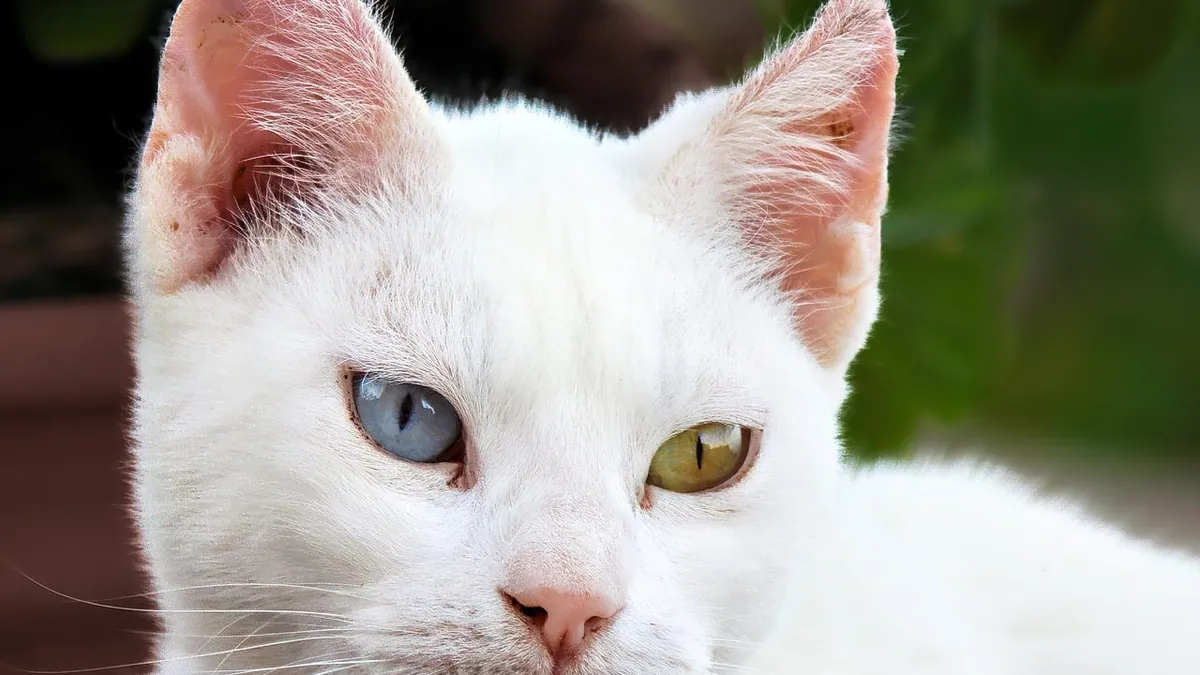
Is DEET harmful to cats? Yes. DEET is toxic to cats, and no DEET product should ever be applied to your cat's skin or coat. Cats are far more sensitive to many insecticides than people or dogs are, and exposure can cause serious neurological signs, including tremors and seizures [1][2].
This article is educational and is not a substitute for veterinary diagnosis or treatment.
Quick Answer
- Never put DEET or any DEET-containing bug spray on your cat. There is no safe way to use it on cats [1][3].
- Cats are usually exposed by grooming DEET off their own coat, or off a person's skin, clothing, or bedding.
- Signs often start within 4 to 6 hours of skin exposure and can include drooling, wobbliness, vomiting, depression, tremors, and seizures [2].
- If you suspect exposure, call your veterinarian, the ASPCA Animal Poison Control Center at (888) 426-4435, or Pet Poison Helpline at (855) 764-7661 right away. Do not wait for signs to appear.
- Do not induce vomiting unless a veterinarian tells you to.
Is DEET Toxic to Cats?
DEET (N,N-diethyl-m-toluamide) is the active ingredient in most mosquito repellents sold for people. It works well on human skin, and it is widely used for good reason. The problem is species. Cats do not process many chemicals the way people and dogs do, and DEET is one of them.
Insecticides in general are a common cause of poisoning in cats, and cats can be harmed by products you use on your lawn, in your home, or on your dog [1]. DEET is no exception. A published report described two cats who developed toxicosis after a pesticide containing DEET and a pyrethroid was applied to their skin. Both cats showed signs within 4 to 6 hours, and both died [2]. That report involved a combination product, but it shows how severe the outcome can be when these chemicals land on a cat.
There is another layer to this. Products intended for cats must carry labeling approved by the Environmental Protection Agency, and a product cannot be labeled for cats unless it has been tested on cats [3]. If a bug spray does not say it is for cats, that is not an oversight. It means there is no data showing the product is safe to use on a cat [3].
So when you ask whether DEET is safe for cats, the honest answer is no. It is not a matter of using less, diluting it, or applying it somewhere the cat cannot lick. The risk is real, and the consequences can be fatal.
Which Products and Which Parts of the Body
The highest-risk products are the ones you rub into your skin, because they stay on you and transfer easily. Think spray-on and lotion mosquito repellents, repellent wipes, and combination sunscreen and bug spray products.
The parts of the body that matter most are the ones a cat can reach with its tongue. A cat's coat, paws, and face are the obvious ones. But a cat can also absorb DEET through intact skin, and it can pick up residue from your forearms, your hands, your pillow, or a blanket you used at the park.
Some flea and tick products for dogs also contain DEET, and applying a dog product to a cat is a well-known way to cause poisoning [2]. If you are sorting out flea products, see Cat Flea Treatment Safety and Cat Flea Treatment Safe For Cats.
What DEET Does in a Cat's Body
DEET is a neurotoxic insecticide. In simple terms, it interferes with normal nerve signaling. When a cat is exposed to enough of it, nerves fire when they should not, and the result shows up as twitching, tremors, and in severe cases, seizures.
The nervous system signs are the ones veterinarians worry about most. In the reported cases of DEET and pyrethroid toxicosis in cats, the signs included tremors, hypersalivation, ataxia (wobbliness), vomiting, depression, and seizures [2]. Those are not mild reactions. They reflect a brain and nervous system under stress.
The timeline matters too. In that report, clinical signs developed within 4 to 6 hours of the product being applied to the cats' skin [2]. That gives you a rough window. If your cat was exposed this morning and seems fine tonight, that is reassuring but not a guarantee. Some cats show signs faster, and some show them later depending on how much was absorbed and how the cat's body handles it.
Signs of DEET Poisoning in Cats
Watch for any of these after a possible exposure:
- Drooling or hypersalivation
- Wobbliness, staggering, or trouble walking
- Vomiting
- Tremors, muscle twitching, or shivering
- Depression, lethargy, or unusual quietness
- Seizures
- Dilated pupils or unusual eye movements
Drooling and wobbliness are often the first things owners notice. A cat that suddenly cannot walk a straight line, or that is drooling heavily with no obvious mouth problem, needs immediate attention.
Keep in mind that cats are also poisoned by other insecticides, and the signs overlap. General signs of insecticide poisoning in cats include a range of neurological and gastrointestinal problems [1]. You do not need to figure out the exact product before you call for help. Tell the veterinarian what you found, what the label says, and when you think exposure happened.
What to Do Right Now
Act first, worry about the details later.
- Move your cat away from the source. If the product is on your cat's coat, do not scrub it with more chemicals. A veterinarian can guide you on whether bathing is appropriate and how to do it safely.
- Call for help. Contact your veterinarian, the ASPCA Animal Poison Control Center at (888) 426-4435, or Pet Poison Helpline at (855) 764-7661. Have the product container with you so you can read the label.
- Do not induce vomiting unless a veterinarian tells you to. This is a common mistake. Vomiting can make some poisonings worse, and it is not the right move for every exposure.
- Do not give human medications, milk, oil, or home remedies. None of these help, and some cause additional harm.
- Keep your cat calm and warm, and watch for worsening signs while you arrange care.
If your cat is having a seizure, is unresponsive, or is struggling to breathe, treat it as an emergency and go to the nearest veterinary hospital now.
How Veterinarians Treat DEET Poisoning
There is no antidote that reverses DEET. Treatment is supportive, and it focuses on controlling the neurological signs and helping the body clear the chemical.
Your veterinarian will likely start with a full physical and neurological exam and ask detailed questions about the product, the amount, and the timing. If the exposure was recent and the product is still on the skin, decontamination may be part of the plan. That can include bathing with a mild degreasing dish soap, but only under veterinary direction.
From there, treatment depends on the signs. Tremors and seizures are managed with medications that calm the nervous system. Vomiting and drooling may be treated with anti-nausea drugs. A cat that is severely affected may need intravenous fluids, oxygen, and monitoring in the hospital. Blood work may be checked to look at organ function and to rule out other causes.
The dose of any medication is calculated by your veterinarian based on your cat's weight, the severity of signs, and overall health. There is no at-home dose you can safely give.
Outlook After Exposure
The outlook depends on how much DEET the cat absorbed, how quickly treatment started, and how severe the neurological signs are. Cats with mild signs who are treated early often recover. Cats with seizures or prolonged tremors have a much more guarded prognosis.
The two cats in the published report developed signs within hours and did not survive [2]. That outcome is not what happens in every case, but it shows why this is not a wait-and-see situation. Early intervention gives your cat the best chance.
If your cat recovers, ask your veterinarian whether any follow-up monitoring is needed. Some cats need a recheck to confirm that the nervous system signs have fully resolved.
Prevention and Safer Alternatives
Prevention is straightforward. Keep DEET off your cat and out of your cat's environment.
- Store bug sprays, lotions, and wipes in a closed cabinet your cat cannot reach.
- Apply repellent outdoors or in a room your cat cannot enter, and let it dry fully before you handle your cat.
- Wash your hands after applying repellent, and change or wash clothing that has residue on it.
- Never apply a dog flea or tick product to a cat. Read the label every time. If it says do not apply to cats, believe it [3].
- If you use a repellent on yourself, cover your skin or shower before cuddling your cat.
For mosquito protection around your cat, there is a genuinely interesting option. Catnip and silver vine produce iridoids, natural compounds that repel mosquitoes. When cats rub against these plants, they transfer the iridoids to their fur, and when they lick and chew the leaves, the plants release even more of these repellent compounds [4]. Research on catnip shows that nepetalactone, its main active compound, activates an irritant receptor in mosquitoes and flies, which is how it drives them away [5]. Catnip extracts have been proposed as a natural alternative to synthetic repellents like DEET [5][6].
That does not mean you should spray catnip oil on your cat. It means catnip plants and catnip toys are a low-risk, cat-friendly part of your mosquito strategy. For tick protection, which is a separate problem with separate products, see Tick Prevention for Cats: What's Safe and Effective? and Ticks on Cats: Safe Removal and Tick-Borne Disease Risk.
If you are considering any supplement or oil for your cat, including CBD, check CBD Oil for Cats: Feline Safety Profile and THC Toxicity before you buy.
Limitations and When to Contact a Veterinarian
This article covers the general picture. Your cat is an individual, and individual cases need a veterinarian who can examine the cat, ask questions, and decide on treatment.
Contact a veterinarian the same day if your cat had possible contact with DEET or another insecticide and seems normal. Early guidance can prevent a mild exposure from becoming a serious one.
Go to an emergency veterinary hospital now if your cat has a seizure, tremors, severe wobbliness, repeated vomiting, heavy drooling, collapse, or trouble breathing. Do not drive to your regular clinic if it is closed. Go where someone can see your cat immediately.
Schedule a routine visit if you want help choosing cat-safe parasite prevention, or if you are unsure whether a product in your home is safe around your cat. Bring the product with you or take a photo of the label.
Frequently Asked Questions
Can I use DEET on my cat if I use a very small amount?
No. There is no safe amount of DEET for a cat. Products cannot be labeled for cats unless they have been tested on cats, and a bug spray that does not carry cat labeling has no safety data for your cat [3].
My cat licked my arm after I applied bug spray. What should I do?
Call your veterinarian or a poison control line right away, even if your cat seems fine. Signs can take several hours to appear, and early advice is far better than waiting to see what happens [2].
How long after exposure would a cat show signs?
In reported cases, signs appeared within 4 to 6 hours of the product being applied to the cats' skin [2]. That is a useful window, but it is not a rule. Some cats react faster, and some react later.
Are dog flea products with DEET dangerous to cats?
Yes. Applying a dog flea or tick product that contains DEET to a cat has been linked to severe toxicosis, including tremors, drooling, wobbliness, vomiting, depression, and seizures [2]. Never use a dog product on a cat.
Is catnip a safe mosquito repellent for my cat?
Catnip plants are safe for cats to rub against, roll on, and chew, and the iridoids they release repel mosquitoes [4]. Nepetalactone from catnip activates an irritant receptor in mosquitoes and flies, which is why it works as a repellent [5]. Do not assume concentrated catnip oils or sprays are safe to apply to your cat without asking your veterinarian first.
Related Articles
- Ticks on Cats: Safe Removal and Tick-Borne Disease Risk
- Tick Prevention for Cats: What's Safe and Effective?
- Cat Flea Treatment Safety
- Cat Flea Treatment Safe For Cats
- CBD Oil for Cats: Feline Safety Profile and THC Toxicity
- Are Lilies Toxic to Cats?
- Is DEET Toxic to Pets? Dog and Cat Safety Guide
- Is DEET Safe for Dogs? Toxicity and Safer Options
- Is Bug Spray Poisonous to Cats? Mosquito and Raid
References
- Is Bug Spray Dangerous for Cats. Pet Poison Helpline.
- Fenvalerate/N,N-diethyl-m-toluamide (Deet) toxicosis in two cats. Journal of the American Veterinary Medical Association, 1990.
- Cats and Pyrethroids. Pet Poison Helpline.
- Domestic cat damage to plant leaves containing iridoids enhances chemical repellency to pests. iScience, 2022.
- The irritant receptor TRPA1 mediates the mosquito repellent effect of catnip. Current biology : CB, 2021.
- A Safer Alternative Bio-Repellent: Targeting Mosquito Odorant-Binding Proteins with Catnip-Derived Nepetalactones from Nepeta cataria Leaves. International journal of molecular sciences, 2026.