Is It Safe for Cats to Chew on Cardboard and Wood?
By Dr. Zubair Khalid, DVM, MS, PhD ·
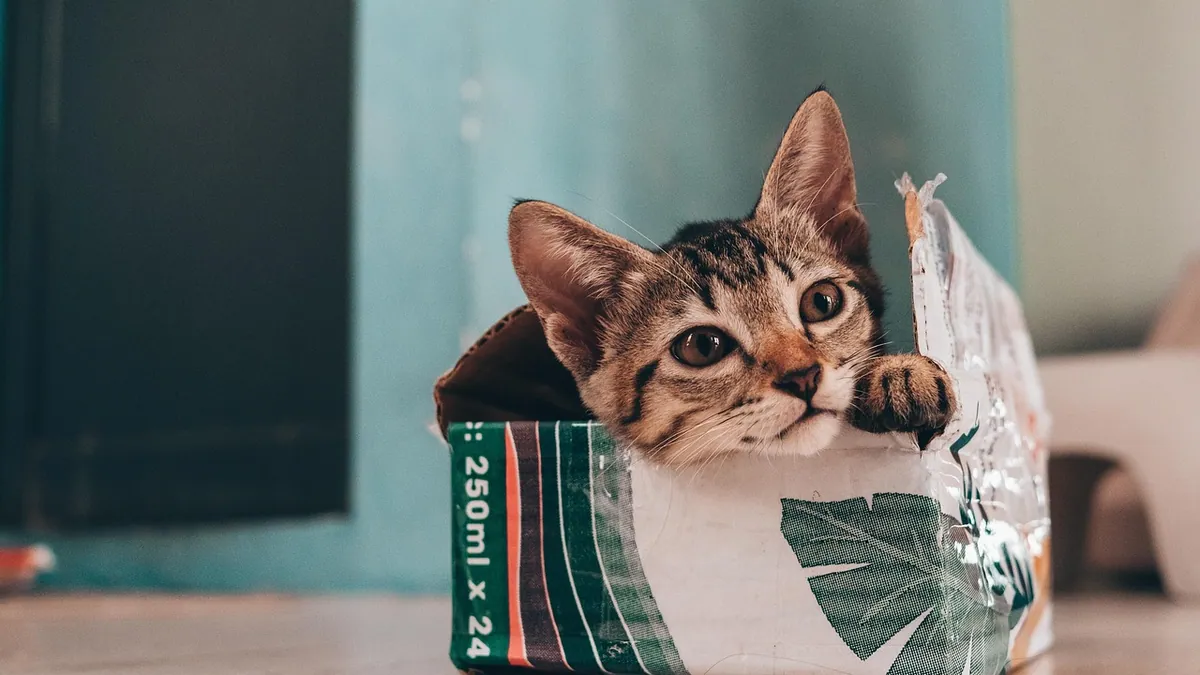
Chewing on cardboard or wood is usually harmless for cats when it happens now and then, especially in young cats who are teething or bored. The question "is it safe for cats to chew on cardboard" gets a cautious yes for small amounts of plain, clean cardboard, with real risks appearing when a cat swallows a lot of material, chews treated or painted wood, or chews constantly because something else is wrong. This article is educational and is not a substitute for veterinary diagnosis or treatment.
Quick Answer
- Occasional nibbling on plain cardboard is common and usually harmless, but eating large amounts can cause vomiting or a blockage.
- Wood is riskier than cardboard because of splinters, paint, stain, and some toxic wood types.
- Sudden or constant chewing in an adult cat can point to pica, dental pain, nausea, or another medical problem.
- Offer safe alternatives like cat grass, dental chews made for cats, and sturdy toys, and rotate them often.
- Call your veterinarian the same day if your cat swallows a piece of wood, gags, drools heavily, or stops eating.
Why Cats Chew on Cardboard and Wood
Normal reasons cats chew
Kittens and young cats explore the world with their mouths. Chewing helps them test textures, relieve the discomfort of erupting teeth, and burn off energy. Many adult cats keep a mild habit of gnawing on boxes, paper bags, or the edges of a cardboard scratcher.
Boredom and understimulation are common triggers. A cat with nothing to hunt, climb, or chase may redirect that energy into chewing. Stress can do the same. A move, a new pet, or a change in schedule may push a cat toward repetitive mouthing behaviors.
Some cats simply enjoy the texture. Corrugated cardboard has a satisfying give, and wood offers resistance that feels good on the teeth and gums. If your cat chews briefly, seems relaxed, and moves on to other activities, this is likely normal.
When chewing is part of a bigger behavior pattern
Chewing can also be one piece of a larger problem, such as scratching furniture or overgrooming. If your cat is destructive in several ways, it helps to look at the whole picture. Our guide on what can I use to stop my cat from scratching my furniture covers enrichment and redirection strategies that often reduce chewing too.
Medical Causes to Rule Out
Pica in cats
Pica is the repeated eating of non-food items. Cardboard, paper, wood, fabric, plastic, and even litter can be targets. Pica is not a personality quirk. It is a behavior that can signal an underlying medical or behavioral condition, and it deserves a veterinary conversation.
Cats with pica may swallow what they chew, which raises the risk of intestinal blockage. They may also chew constantly, seek out specific materials, or eat non-food items even when good food is available.
Dental and oral pain
A cat with a broken tooth, resorptive lesions, or gum disease may chew on hard objects to relieve pressure or because eating hurts. Watch for dropping food, chewing on one side, bad breath, or flinching when you touch the face.
Gastrointestinal upset
Nausea and reflux can drive some cats to chew or eat odd things. Signs include lip licking, vomiting, eating grass, and going off food. A cat with these signs needs a veterinary exam, not a new chew toy.
Nutritional gaps and metabolic disease
Rarely, a cat may chew non-food items because of a dietary deficiency or a metabolic condition. Your veterinarian can sort this out with a physical exam, diet history, and lab work.
Parasites and skin irritation
Itching and skin irritation can make a cat restless and mouthy. Chewing lice are a known concern in cats, and a case in Central America documented the chewing louse Trichodectes canis on a domestic cat that arrived at a clinic in critical condition with lethargy and anorexia [1]. That report is a reminder that skin parasites can affect a cat's overall health, though lice are not a direct cause of cardboard chewing.
Is It Safe for Cats to Chew on Wood?
Wood carries more risk than cardboard. Splinters can cut the mouth, throat, or gut. Painted, stained, or pressure-treated wood may contain chemicals you do not want your cat to ingest. Some woods are also more likely to splinter into sharp pieces.
If your cat chews on a wooden furniture leg, a stick, or a branch, take the object away and offer a safer outlet. If you think your cat swallowed wood, call your veterinarian right away. Do not wait for symptoms.
When Chewing Becomes a Problem
Blockage risk
The biggest danger is a physical obstruction. Cardboard and wood do not digest. A swallowed piece can lodge in the stomach or intestine and cause vomiting, pain, and loss of appetite. A cat with a blockage may need surgery.
Foreign bodies in cats are not limited to the gut. A report described two cats with lead pellets lodged in the urinary bladder that caused chronic painful urination and blood in the urine, and both cats needed video-assisted removal [2]. The point is simple. Objects that do not belong inside a cat can end up in unexpected places and require procedures to remove.
Toxic exposure
If your cat chews on something coated or contaminated, the risk changes. A case report described a cat that developed barium toxicosis after eating black snake fireworks, with signs including heavy drooling, a slow heart rate, and breathing difficulty [3]. The cat's condition worsened quickly and the owner chose humane euthanasia. This case shows how fast an ingested non-food item can become an emergency.
Cats also have unique sensitivities to many chemicals and drugs. Predictive models built on feline toxicity data show that cats respond differently to many bioactive compounds because of their metabolism, which is why human medications and household chemicals are often dangerous to them [4]. Keep chewed items away from cleaners, medications, and pest control products.
Behavior that harms the cat
Chewing becomes a problem when it causes injury, when it is constant, or when it replaces normal eating and play. A cat that chews until the gums bleed, vomits after chewing, or hides to chew needs help.
What to Do: Step by Step
Step 1: Observe before you change anything
Watch when and where the chewing happens. Note what your cat chews, how long it lasts, and whether anything gets swallowed. A short video on your phone helps your veterinarian see the behavior.
Step 2: Remove the highest-risk items
Pick up splintered wood, painted or treated lumber, string, ribbon, and small plastic pieces. Put medications and cleaning products behind closed doors. If your cat chews on a houseplant, move it out of reach until you confirm it is safe.
Step 3: Offer safe alternatives
Cat grass is a popular option for cats who like to graze. Dental chews made for cats, food puzzles, and sturdy rubber toys give the mouth something to do. Rotate toys every few days so they stay interesting.
Step 4: Add enrichment
Cats need daily play that mimics hunting. Two or three short sessions with a wand toy can reduce boredom chewing. Add vertical space, window perches, and scratching posts. If your cat also scratches furniture, the vinegar-based tips in our guide on how to keep cats from scratching furniture with vinegar can help you protect surfaces while you build better habits.
Step 5: Check the diet and daily routine
Feed a complete and balanced cat food. If your cat has diabetes or another condition, treat choices matter. Our article on safe treats for diabetic cats explains how to pick options that will not upset blood sugar.
Step 6: Support dental health
Dental pain is a common hidden cause of odd chewing. Ask your veterinarian about a dental exam. If your cat tolerates it, gentle brushing can help. Our guide on how to brush a cat's teeth safely walks you through the steps.
Step 7: Track progress
Keep a simple log for two to four weeks. Note chewing episodes, what you changed, and whether the behavior improved. Bring the log to your veterinary visit.
What Not to Do
Do not punish your cat
Yelling, spraying water, or tapping your cat's nose does not teach a cat to stop chewing. It teaches your cat to fear you and to chew when you are not looking. Punishment also hides the real problem, which may be medical.
Do not assume it is just a phase
Kitten chewing often fades with age. Adult-onset chewing does not. A new habit in an adult cat deserves a veterinary check.
Do not give human chew toys or bones
Cooked bones splinter. Human gum, hard plastic, and small toy parts can break teeth or block the gut. Choose products made for cats.
Do not rely on home remedies for pica
There is no safe home remedy for pica. Behavior plans and medical treatment need a professional.
Do not ignore a swallowed object
If your cat swallowed wood, string, or a large piece of cardboard, call your veterinarian or a pet poison hotline right away. Do not induce vomiting unless a veterinarian tells you to.
When to Involve a Veterinarian or Behavior Professional
Call your veterinarian if chewing is new, frequent, or directed at unsafe materials. Call sooner if your cat is vomiting, drooling, gagging, coughing, or refusing food. A certified behavior professional can help when medical causes are ruled out and the chewing continues.
Your veterinarian may recommend blood work, dental radiographs, or imaging. Treatment depends on the cause. Some cats need pain control or dental care. Others need a behavior plan with enrichment, scheduled play, and environmental changes.
Limitations and When to Contact a Veterinarian
This article cannot tell you whether your specific cat has pica, a blockage, or a dental problem. Only a veterinarian who examines your cat can do that. Individual cases need a veterinarian.
Call your veterinarian the same day if your cat:
- Swallows a piece of wood, string, or a large amount of cardboard
- Vomits repeatedly or has a swollen, painful belly
- Drools heavily, gags, or paws at the mouth
- Stops eating or drinking
- Has trouble breathing or seems weak
Go to an emergency clinic now if your cat:
- Collapses or cannot stand
- Has a seizure
- Breathes with an open mouth or with obvious effort
- Has a known exposure to a toxin, medication, or chemical
Schedule a routine visit if your cat:
- Chews non-food items most days
- Has bad breath, drools, or chews on one side
- Has lost weight or has a dull coat
- Has new skin itching or hair loss
Frequently Asked Questions
Is it safe for cats to bite cardboard?
Yes, brief biting and nibbling on plain, clean cardboard is usually safe. The risk rises when your cat swallows large amounts, because cardboard can clump in the stomach or intestine. If your cat eats cardboard often, ask your veterinarian to check for pica and dental problems.
Can cardboard cause a blockage in a cat?
It can. Cardboard does not digest, so a large swallowed piece can lodge in the gut and cause vomiting, pain, and appetite loss. A blockage often needs surgery. Call your veterinarian right away if you think your cat swallowed a big piece.
Why does my cat chew on wood?
Cats chew wood for the same reasons they chew cardboard, including boredom, stress, and dental discomfort. Wood adds splinter and chemical risks, so take it away and offer cat grass or a cat-safe chew. If the habit continues, have your cat examined.
Does chewing cardboard mean my cat has pica?
Not always. Many cats chew cardboard without swallowing it, which is not pica. Pica means repeated eating of non-food items. If your cat actually eats cardboard, fabric, or other non-food items, talk to your veterinarian.
Can I stop my cat from chewing cardboard without punishment?
Yes. Remove the riskiest items, add daily play, offer safe chews and cat grass, and rotate toys. Punishment backfires and hides the cause. If the behavior does not improve in a few weeks, ask your veterinarian about a behavior referral.
Related Articles
- Are Jelly Cats Safe for Pets? A Complete Safety Guide
- Safe Treats For Diabetic Cats
- What Can I Use To Stop My Cat From Scratching My Furniture
- How To Keep Cats From Scratching Furniture Vinegar
- How To Brush a Cat's Teeth Safely
- Is Raw Food Safe for Dogs and Cats?
- Why Does My Cat Chew on Plastic? Pica and Safety
- Why Does My Cat Eat Plastic? Risks and What to Do
- Is Silica Gel Harmful to Cats? Packets, Litter, and Sileo
References
- First Record of the Chewing Louse Trichodectes canis (Psocodea: Trichodectidae) on the Domestic Cat (Felis catus) in Central America. Neotropical entomology, 2026.
- Successful video-assisted removal of bullet foreign body from the urinary bladder in 2 cats. The Canadian veterinary journal = La revue veterinaire canadienne, 2025.
- Barium Toxicosis After Ingestion of Snake Fireworks in a Cat. Journal of veterinary emergency and critical care (San Antonio, Tex. : 2001), 2026.
- Predictive q-RASAR modeling of intrinsic toxicity of pharmaceuticals and bioactive compounds in cats. Journal of hazardous materials, 2026.