Can Dogs Chew Coffee Wood? Safety of Coffee Wood Sticks
By Dr. Zubair Khalid, DVM, MS, PhD ·
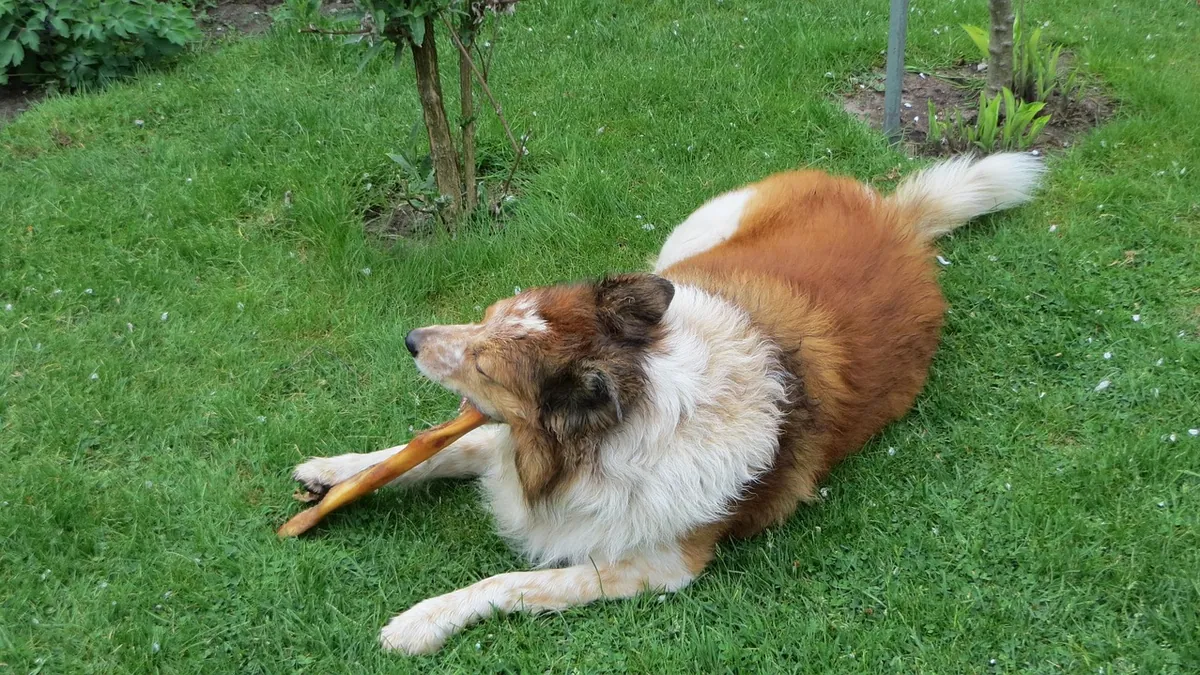
Can dogs eat coffee wood? Yes, in most cases. Coffee wood chews are made from the wood of the coffee plant, not the beans, so they contain no caffeine and are generally considered safe for dogs to gnaw on. The real dangers are mechanical: splinters that can cut the mouth or gut, and large chunks that can cause choking or a blockage.
This article is educational and is not a substitute for veterinary diagnosis or treatment.
Quick Answer
- Coffee wood chews come from the coffee plant's woody stems and branches, not the caffeine-containing beans, so they do not carry caffeine toxicity risk.
- The main hazards are splinters and swallowed pieces, which can injure the mouth, throat, or intestines or cause a blockage.
- Coffee wood is a chew toy, not a food. It has no meaningful nutritional value for your dog.
- Always supervise chewing, throw away any chew that has broken into sharp or small pieces, and match the size of the chew to your dog's size and chewing style.
- If your dog swallows a large chunk, gags, drools heavily, vomits, or seems painful, call your veterinarian right away.
Are Coffee Wood Chews Safe for Dogs?
For most dogs, a coffee wood chew is safe when it is the right size, in good condition, and used under supervision. The wood itself is not toxic to dogs. It does not contain caffeine because caffeine is concentrated in the coffee bean, not the wood of the plant [1]. That distinction matters, since caffeine is poisonous to dogs and can cause serious health effects even in small amounts [1].
Coffee wood has become popular as an alternative to rawhide and other chews. It is dense and hard, so it lasts a while and gives a determined chewer something to work on. Dogs typically scrape and gnaw at the surface instead of biting off big pieces, which is part of why it is marketed as a safer chew.
That said, "generally safe" is not the same as "risk-free." Any chew that a dog can break apart can cause problems. The safety of coffee wood depends far more on how your individual dog chews than on the material itself. A dog who gnaws gently may never have an issue. A dog who aggressively bites off and swallows chunks is a different story.
If your dog has a history of swallowing foreign objects, has had a bowel obstruction before, or has dental disease or a sensitive stomach, talk to your veterinarian before offering any wood chew.
Can Dogs Eat Coffee Wood Sticks and Chews?
Coffee wood sticks and chews are the same basic product in different shapes. Both are safe in the same way and carry the same risks. The stick form is usually a piece of the woody stem, sometimes with the bark still on. The chew form may be cut into blocks, rings, or other shapes.
There is no caffeine in the wood, so you do not need to worry about the stimulant effects that make coffee beans, grounds, and brewed coffee dangerous. If your dog got into actual coffee products instead, that is a different situation. You can read more about what to do in Dog Ate Coffee Grounds: What Should You Do? and My Dog Ate a Coffee Ground or Bean: What Should I Do?.
The bark is not toxic either, but it tends to flake off as your dog chews. Those flakes are usually small and pass through, but they can pile up in the mouth or be swallowed in larger strips. Check your dog's mouth after a chewing session and remove any loose pieces.
Some coffee wood products are sold plain. Others are flavored or coated. Read the label. A chew with added flavoring may contain ingredients you would not want your dog eating, such as salt, garlic, onion powder, or xylitol. Xylitol is highly toxic to dogs and can cause dangerous low blood sugar and liver injury. If you see it on the ingredient list, do not give that chew.
Can Dogs Eat Coffee Tree Wood?
Coffee tree wood is the same material as coffee wood. The coffee plant is a shrub or small tree, and the woody parts are what get cut and sold as chews. So yes, coffee tree wood is safe in the same sense as coffee wood chews, with the same splinter and choking concerns.
One thing to keep in mind is where the wood came from. A chew sold in a pet store has been processed and sized for dogs. A branch your dog finds in the yard has not. Fresh wood can splinter unpredictably, and it may have been treated with pesticides, fertilizer, or paint. Do not let your dog chew on random branches, even from a coffee plant.
If you grow coffee plants at home, keep your dog away from the plant itself. The leaves and stems are not a caffeine concern in the way the beans are, but a dog chewing and swallowing plant material can still end up with stomach upset or a blockage.
Nutritional Content and Any Real Benefit
Coffee wood provides no calories, vitamins, or minerals your dog needs. It is not a food. Its value is behavioral and dental, not nutritional.
Chewing satisfies a natural urge, relieves boredom, and can help redirect a dog who would otherwise chew furniture or shoes. The abrasive texture may also help scrape some soft plaque off the teeth, though it is not a substitute for brushing or professional dental care.
There is one interesting wrinkle from coffee byproducts. Coffee pulp and husks contain plant compounds with antifungal activity, including naringin [2]. That research is about food safety and fungal inhibition, not about dogs chewing wood, so it does not mean a coffee wood chew will treat or prevent anything in your dog. Treat any health claim on the packaging with skepticism.
Risks of Coffee Wood Chews
Splinters and mouth injuries
The biggest day-to-day risk is splintering. As your dog chews, the wood breaks down. Small splinters can lodge in the gums, tongue, or roof of the mouth. Larger, sharper pieces can cut the inside of the mouth or the throat. Check your dog's mouth regularly during and after chewing, and throw the chew away once it starts to fray or crack.
Choking and swallowing chunks
If your dog bites off a piece that is too big to swallow safely, it can get stuck in the throat. Signs include gagging, pawing at the mouth, drooling, and distress. This is an emergency.
Intestinal blockage
Swallowed pieces that make it past the throat can cause a blockage in the stomach or intestines. Symptoms may not show up for hours or days. Watch for vomiting, loss of appetite, abdominal pain, straining to defecate, or lethargy. A blockage often requires surgery. This is the most serious risk with any hard chew.
Digestive upset
Even without a blockage, swallowing wood can irritate the stomach and cause vomiting or diarrhea. Small amounts may pass on their own, but repeated vomiting or a dog who will not eat needs veterinary attention.
Additives and flavorings
Plain coffee wood is the safest choice. Flavored or coated chews can contain xylitol, salt, garlic, or onion, all of which can harm dogs. Xylitol causes a dangerous drop in blood sugar and can damage the liver. Salt can lead to sodium poisoning, and garlic and onion can damage red blood cells. Read every label.
Caffeine contamination
This is unlikely with a commercial coffee wood chew, but it is worth understanding why caffeine matters. Caffeine is a methylxanthine, the same family of compounds found in chocolate. These compounds are toxic to dogs, and the dose relative to body weight is what determines how sick a dog gets [1][3]. Coffee husks have caused poisoning in horses, with signs including excitability, tremors, sweating, and rapid heart and breathing rates [4]. Dogs are more sensitive to methylxanthines than many species, so any product that could carry caffeine residue deserves caution.
| Form | Safe? | Notes |
|---|---|---|
| Plain coffee wood chew or stick | Yes, with supervision | No caffeine. Watch for splinters and swallowed chunks. |
| Coffee tree branch from the yard | No | Untreated wood splinters unpredictably and may carry pesticides. |
| Flavored or coated coffee wood chew | Depends on label | Avoid xylitol, salt, garlic, and onion. |
| Coffee beans, grounds, or brewed coffee | No | Contains caffeine, which is poisonous to dogs [1]. |
| Coffee husks or pulp | No | Linked to poisoning in horses from caffeine content [4]. |
How to Offer Coffee Wood Safely
Pick a chew sized for your dog. A chew that is too small can be swallowed whole. A chew that is too large may be hard for your dog to grip, which can lead to frustration and aggressive biting.
Supervise every chewing session. Do not leave your dog alone with a coffee wood chew, and do not treat it as a pacifier for hours of unsupervised time.
Inspect the chew before and after each use. Throw it away when it gets small enough to swallow, when it develops sharp edges, or when it starts to crack and splinter.
Limit chewing time. Short sessions of ten to twenty minutes are easier on the teeth and jaws than marathon chewing. Hard chews can fracture teeth, especially the large upper premolars. If your dog is a powerful chewer, ask your veterinarian whether a hard wood chew is a good idea at all.
Never give cooked or processed wood. Heat changes the structure of wood and makes it more likely to splinter.
What to Do If Your Dog Ate Too Much Coffee Wood
If your dog swallowed a small sliver or a few flakes, watch them closely for the next 24 to 48 hours. Call your veterinarian for advice, and be ready to describe how much was swallowed and when.
If your dog swallowed a large chunk, is gagging, choking, drooling, or having trouble breathing, this is an emergency. Go to the nearest veterinary emergency hospital now.
If your dog is vomiting repeatedly, refusing food, seems painful in the belly, or is lethargic, call your veterinarian the same day. These can be signs of a blockage, and waiting can make things worse.
Do not try to make your dog vomit at home unless a veterinarian tells you to. Inducing vomiting can cause its own injuries, and it is not always the right move with a hard foreign object. If your dog ate something with caffeine in it, such as coffee beans or grounds, call Pet Poison Helpline right away [1]. You can also read more about caffeine poisoning in Can Dogs Eat Coffee Grounds? Caffeine Toxicity and Seizure.
Safer Alternatives
If your dog is a heavy chewer or has a history of swallowing things they should not, consider softer or more digestible options.
- Rubber puzzle toys and treat-stuffable toys
- Dental chews sized for your dog and approved by your veterinarian
- Bully sticks, with supervision, since they soften as they are chewed
- Carrots, cucumber, or other dog-safe crunchy vegetables
- Frozen dog-safe treats for teething puppies
For a broader look at what dogs can safely eat, see Can Dogs Eat Duck? Fat Content and Rendering Safety and Can Dogs Safely Eat Strawberries.
Limitations and When to Contact a Veterinarian
No article can tell you whether your specific dog will pass a swallowed piece of wood safely. That depends on the size of the piece, your dog's size, their anatomy, and how their gut moves. Individual cases need a veterinarian who can examine your dog.
Contact your veterinarian the same day if your dog swallowed a chunk of coffee wood, is vomiting, has diarrhea that will not stop, is drooling more than usual, or seems uncomfortable.
Go to an emergency clinic now if your dog is choking, struggling to breathe, has a swollen or painful abdomen, is collapsing, or has repeated unproductive vomiting.
Schedule a routine visit if your dog has been chewing coffee wood and you notice worn or broken teeth, bleeding gums, or bad breath that has gotten worse.
Frequently Asked Questions
Is coffee wood toxic to dogs?
No, the wood of the coffee plant is not toxic to dogs. The caffeine that makes coffee beans dangerous is in the bean, not the wood. The risks with coffee wood are physical, mainly splinters and swallowed pieces.
Can puppies chew coffee wood?
Puppies can chew coffee wood, but they need extra supervision. Puppies are more likely to bite off and swallow pieces, and their smaller airways and intestines make a blockage more dangerous. Softer chews are usually a better choice for puppies.
Does coffee wood contain caffeine?
Coffee wood itself does not contain meaningful caffeine. Caffeine is concentrated in the coffee bean, and all forms of coffee, including whole beans, grounds, and brewed coffee, are unsafe for dogs. Plain coffee wood chews are not a caffeine source.
What happens if my dog swallows a piece of coffee wood?
A small piece may pass through without a problem. A larger piece can get stuck in the throat or cause a blockage in the stomach or intestines. Watch for vomiting, loss of appetite, and lethargy, and call your veterinarian if you see them.
Are coffee wood chews better than rawhide?
Coffee wood and rawhide carry different risks, and neither is risk-free. Coffee wood is hard and can splinter or break teeth, while rawhide can swell and cause blockages. Ask your veterinarian which type of chew best fits your dog's size, dental health, and chewing style.
Related Articles
- Can Dogs Eat Duck? Fat Content and Rendering Safety
- Dog Ate Coffee Grounds: What Should You Do?
- My Dog Ate a Coffee Ground or Bean: What Should I Do?
- Can Dogs Eat Coffee Grounds? Caffeine Toxicity and Seizure
- Can Dogs Safely Eat Strawberries
- Can Dogs Eat Apricots? Flesh Safety vs Pit Hazards
- Is It Safe for Dogs to Chew on Sticks?
- Can Dogs Eat Rawhide? Risks, Safety, and Alternatives
- Can Dogs Have Antlers to Chew? Risks and Safe Alternatives
References
- My Dog Ate a Coffee Bean, What Should I Do?. Pet Poison Helpline.
- Naringin from Coffee Inhibits Foodborne Aspergillus fumigatus via the NDK Pathway: Evidence from an In Silico Study. Molecules (Basel, Switzerland), 2023.
- Animal Dietary Exposure to Methylxanthines through the Inclusion of Former Food Products (FFPs) in Feed. ACS agricultural science & technology, 2026.
- Equine poisoning by coffee husk (Coffea arabica L.). BMC veterinary research, 2012.