Cat Pee and Bleach: Why You Should Never Mix Them
By Dr. Zubair Khalid, DVM, MS, PhD ·
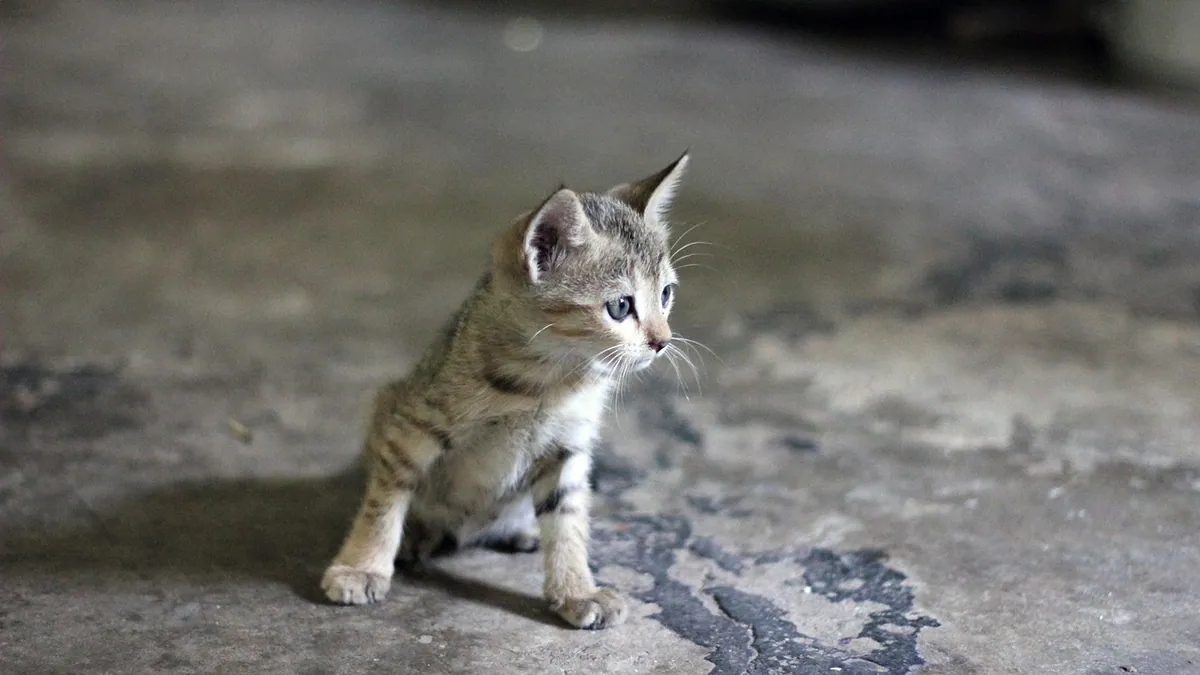
Mixing cat pee and bleach releases toxic chloramine gas, which can cause coughing, burning eyes, and serious breathing problems in both cats and people. Never combine these two cleaners, and if you already have, get everyone into fresh air right away. This article is educational and is not a substitute for veterinary diagnosis or treatment.
Quick Answer
- Cat urine contains ammonia. Bleach contains sodium hypochlorite. When they meet, they form chloramine gases that irritate the eyes, nose, throat, and lungs.
- The danger applies to any bleach product, including splashless bleach, bleach-based bathroom sprays, and chlorine pool shock.
- Symptoms can start within minutes in a small, poorly ventilated space like a bathroom or laundry room.
- If a cat was exposed, move the cat to fresh air immediately and call a veterinarian or poison control.
- For routine cleanup, use an enzymatic pet urine cleaner or a plain soap-and-water wash. Never reach for bleach on urine.
Is Cat Pee and Bleach Actually Toxic?
Yes. The cat pee and bleach reaction produces a family of gases called chloramines, and those gases are toxic to breathe. This is not a mild odor problem. It is a chemical exposure.
The reaction happens because cat urine naturally contains ammonia. Urine ammonia levels vary from cat to cat and change with kidney function and even with whether the cat has recently eaten [1][2]. That variability means you cannot predict how strong the reaction will be. A puddle from one cat might barely fizz. A soaked spot in a closed bathroom could fill the room with gas.
Which Products Are Risky?
Any product that releases chlorine when it contacts ammonia is a risk. That includes household bleach, bleach-based toilet and bathroom cleaners, mildew removers, and chlorinated pool products. One forensic report described a cat death after trichlorocyanuric acid, a common outdoor pool chlorinator, was mixed with rubbing alcohol. The reaction produced chlorine gas and hydrochloric acid, and the investigation confirmed the animal died from chemical exposure, not burns [3]. The lesson holds for bleach and urine too. Chlorine-releasing chemicals plus a nitrogen source equals dangerous gas.
What About Other Pets and People?
Everyone in the room is at risk, not only the cat. Chloramine gas irritates human airways too. Children, older adults, and anyone with asthma or other lung disease can get sick faster. If you can smell a sharp, swimming-pool-like odor indoors, you are already breathing the gas.
The Toxic Principle: What Chloramine Gas Does in the Body
When bleach meets ammonia, the chlorine in the bleach reacts with the nitrogen in the ammonia. The result is chloramine gas, which is heavier than air and lingers near floors and countertops where cats spend their time.
Once inhaled, chloramine gas dissolves in the moisture of the eyes, nose, throat, and airways. It forms an acid-like irritant that damages the surface tissues it touches. The body responds with inflammation, swelling, and excess fluid. In mild cases that means watery eyes and a scratchy throat. In severe cases it means fluid buildup in the lungs and trouble getting enough oxygen.
Cats are especially vulnerable for two reasons. First, they are small, so a given concentration of gas hits them harder. Second, cats hide respiratory distress until it is advanced. A cat who looks "a little off" after a bleach exposure may already be in real trouble.
Signs of Chloramine Exposure and Their Timeline
Signs usually appear within minutes to a few hours of exposure. The timeline depends on how much gas was released, how big the space was, and how long the cat stayed in it.
Signs in Cats
- Squinting, excessive blinking, or pawing at the face
- Watery eyes and nasal discharge
- Drooling or lip smacking
- Coughing, sneezing, or a hoarse meow
- Rapid or noisy breathing
- Open-mouth breathing (always an emergency in cats)
- Lethargy, hiding, or reluctance to move
- Vomiting
Signs in People
- Burning eyes, nose, and throat
- Coughing or wheezing
- Chest tightness
- Headache
- Shortness of breath
If you notice any of these while cleaning, stop and get fresh air immediately. Do not finish the job first.
When Signs Get Worse
Respiratory signs can worsen over the first several hours as inflammation builds. A cat who seems fine right after exposure can decline later the same day. This is why same-day veterinary evaluation matters even when signs look mild at first.
What To Do Right Now
Act first, ask questions second.
- Stop the exposure. Put down whatever you are holding and stop cleaning.
- Ventilate. Open windows and doors. Turn on exhaust fans if you have them.
- Move the cat. Get your cat into fresh air in another room or outside in a carrier, away from the fumes.
- Move yourself and anyone else. Get people out of the room too, especially children.
- Call for help. Contact your veterinarian, the ASPCA Animal Poison Control Center at (888) 426-4435, or Pet Poison Helpline at (855) 764-7661. These lines are staffed around the clock and can tell you whether your cat needs to be seen.
- Do not induce vomiting. This is an inhaled toxin, not a swallowed one. Making your cat vomit will not help and could add stress and aspiration risk. Only induce vomiting if a veterinarian specifically tells you to.
- Do not give human medications. Do not give aspirin, antihistamines, or cough suppressants. A veterinarian will calculate any medication dose from your cat's weight and health status.
If your cat is struggling to breathe, go to the nearest emergency veterinary hospital now. Call ahead so the team can prepare.
How Veterinarians Treat Chloramine Exposure
Treatment depends on how severe the exposure was. Mild cases may need only oxygen, eye flushing, and monitoring. More serious cases need hospital care.
What to Expect at the Clinic
- Oxygen support. Supplemental oxygen is the mainstay for breathing difficulty.
- Eye and skin flushing. If the eyes or skin were exposed, the veterinarian will flush them with saline.
- Airway support. Nebulized medications or bronchodilators may be used to open tightened airways. The veterinarian calculates the dose based on your cat's weight.
- Monitoring. Chest auscultation, respiratory rate, and sometimes imaging help track lung involvement.
- Supportive care. Intravenous fluids, anti-nausea medication, and rest in a quiet, oxygen-rich environment.
What Not to Expect
There is no antidote that reverses chloramine gas damage. The body has to heal the irritated tissue, and veterinary care supports the cat while that happens. This is why prevention matters so much more than treatment.
Outlook After Exposure
The outlook is generally good for mild exposures caught early. Cats with brief exposure and minimal signs often recover fully with oxygen and supportive care.
The outlook is more guarded when exposure was heavy, prolonged, or happened in a closed space. Lung injury can take days to declare itself, and some cats develop lasting respiratory sensitivity. Older cats and cats with pre-existing heart or lung disease tend to do worse.
If your cat has a history of urinary issues and you were cleaning up urine because of frequent accidents, that underlying problem still needs attention. Blood in the urine or straining to urinate are separate emergencies. See Cat Peeing Blood: What Should You Do? and Cat Straining To Pee for guidance on those signs.
Prevention and Safer Cleaning Alternatives
The simplest prevention is a hard rule: never use bleach on cat urine. Not diluted, not "just a little," not in a well-ventilated room. The risk is not worth it.
Safe Ways To Clean Cat Urine
- Enzymatic pet urine cleaners. These products use enzymes to break down the uric acid and proteins in urine. They address the source of the odor instead of masking it.
- Plain dish soap and warm water. Good for fresh spots and general washing of hard surfaces.
- White vinegar and water. A 50/50 mix neutralizes ammonia odors and is safe around cats when used as a cleaner and allowed to dry.
- Baking soda. Sprinkle on carpets, let it sit, then vacuum once dry.
- A black light. Use one to find old spots you missed. Old urine keeps releasing ammonia, which raises the risk if bleach is ever used nearby.
Bleach and Parasite Eggs
Some owners reach for bleach because they worry about parasites. It is true that Toxocara eggs are extremely hardy and can survive in the environment for years. Research on sodium hypochlorite against Toxocara eggs has shown results ranging from ineffective to only limited effectiveness depending on contact time, concentration, and temperature [4]. In other words, bleach is not a reliable dewormer for your floors, and it carries real chemical risk. Steam cleaning and prompt removal of waste are better tools.
Keep the Litter Box Manageable
Most bleach accidents happen during a big cleanup after a cat has been urinating outside the box. Fixing the underlying behavior reduces the mess and the temptation. If your cat is spraying instead of urinating, the approach is different. See Cat Spraying vs. Urinating: How to Tell the Difference and What to Do for help sorting that out.
Store Chemicals Safely
Keep bleach, pool shock, and bathroom cleaners in a closed cabinet your cat cannot access. Never leave a bucket of bleach solution unattended. Cats will drink from buckets. If you suspect your cat swallowed bleach or any cleaner, treat it as an emergency and call poison control right away. Swallowed caustic products are a different problem from inhaled gas and need immediate veterinary care.
Limitations and When to Contact a Veterinarian
No article can tell you how serious your cat's exposure was. Individual cases need a veterinarian who can examine your cat, listen to the lungs, and decide on treatment.
Contact a veterinarian or poison control the same day if:
- Your cat was in the room during or shortly after the bleach and urine mixed
- You see squinting, drooling, sneezing, or mild coughing that has not resolved within an hour of fresh air
- Your cat seems tired or is hiding more than usual
Go to an emergency hospital now if:
- Your cat is breathing with an open mouth
- Breathing is fast, noisy, or labored
- The gums or tongue look blue, gray, or pale
- Your cat collapses or cannot stand
- Signs started within minutes of a heavy exposure in a closed space
Schedule a routine visit if:
- Your cat recovered from a mild exposure but you want the lungs checked
- Your cat has ongoing urinary accidents that led to the cleaning in the first place
- You need help choosing safe cleaning products for a multi-cat home
If your cat has a history of urinary blockage or repeated straining, that is a separate emergency. Cat Straining To Pee explains why those signs cannot wait. Frequent small urination trips can also point to feline idiopathic cystitis, covered in Why Is My Cat peeing in small amounts frequently? Feline Idiopathic Cystitis Protocol.
Frequently Asked Questions
How long after mixing cat pee and bleach do symptoms start?
Symptoms usually begin within minutes to a couple of hours. The faster they start, the heavier the exposure tends to be. If your cat was in the room and shows any signs, treat it as urgent.
Can I use bleach on a litter box if I rinse it well?
No. The gas forms the moment bleach touches urine residue, before you ever get to rinsing. Use hot water, dish soap, and an enzymatic cleaner instead, then let the box dry fully.
Is chloramine gas dangerous to my other pets?
Yes. Any animal in the room breathes the same air. Birds and small mammals are especially sensitive because of their small body size and efficient respiratory systems. Move every pet to fresh air.
What if I only used a little bleach?
Even small amounts can release irritating gas in a closed space. The reaction does not need much bleach to produce a sharp, choking odor. Ventilate, move your cat, and call poison control if there was any chance of exposure.
Will my cat be okay after breathing bleach fumes?
Many cats recover fully after mild, brief exposures with fresh air and supportive care. Cats with heavy exposure or pre-existing lung disease may need oxygen and hospitalization. Only a veterinarian who examines your cat can give you a reliable answer.
Can bleach kill the parasite eggs in cat urine?
Bleach is not a dependable solution for Toxocara eggs, and its effectiveness varies with contact time, concentration, and temperature [4]. It also creates toxic gas when it meets urine. Remove waste promptly and use steam or an appropriate disinfectant instead.
Does vinegar really neutralize cat urine odor?
Vinegar helps with the ammonia smell and is safe to use around cats when allowed to dry. For deep odors in carpet or upholstery, an enzymatic cleaner does a more complete job because it breaks down the urine compounds themselves.
Related Articles
- Cat Peeing Blood: What Should You Do?
- Cat Spraying vs. Urinating: How to Tell the Difference and What to Do
- My Cat Ate String: Why You Must Not Pull It and What to Do
- Cat Straining To Pee
- Why Is My Cat peeing in small amounts frequently? Feline Idiopathic Cystitis Protocol
- Cat Urinating a Lot and Drinking a Lot: Causes and When to Test
- Is Bleach Harmful to Cats? Fumes, Dilution, Safety
- Is Clorox Toxic to Cats? Bleach and Spray Safety
- Is Cat Urine Toxic? Health Risks and Safe Cleanup
References
- Correlation of Urine Ammonia Excretion With Renal Function in Healthy Cats and Cats With Kidney Disease. Journal of veterinary internal medicine, 2025.
- The effect of prandial state on urine ammonia-to-creatinine ratio in cats with and without chronic kidney disease. Journal of veterinary internal medicine, 2026.
- Characterization of the products formed by the reaction of trichlorocyanuric acid with 2-propanol. Journal of forensic sciences, 2009.
- Synergistic effects of using sodium hypochlorite (bleach) and desiccation in surface inactivation for Toxocara spp. Experimental parasitology, 2024.