Is Cat Urine Toxic? Health Risks and Safe Cleanup
By Dr. Zubair Khalid, DVM, MS, PhD ·
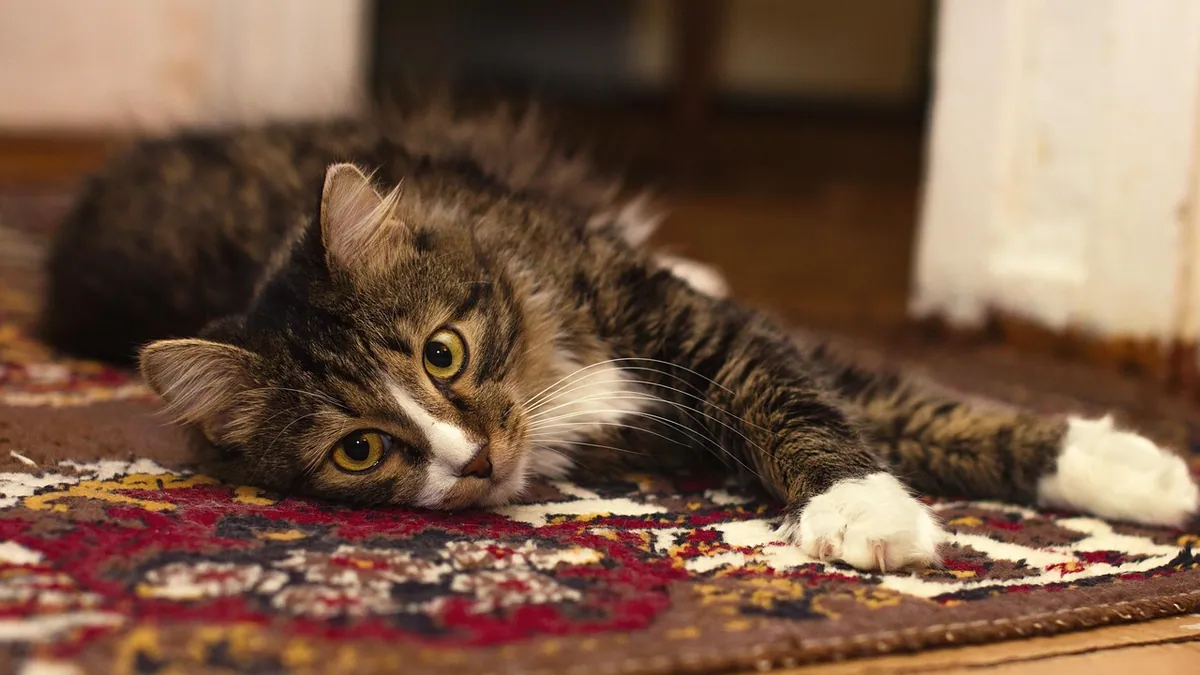
Is cat urine toxic? For most healthy people, the answer is no. Cat urine itself is not a poison, but it can carry germs and give off irritating ammonia fumes, especially when it sits in litter or soaks into carpet. The bigger health concerns come from what is in the urine, not the urine as a chemical toxin.
This article is educational and is not a substitute for veterinary diagnosis or treatment.
Quick Answer
- Fresh cat urine from a healthy indoor cat is not a poison to people, but dried urine and dirty litter can release ammonia that irritates eyes, nose, and lungs.
- The main germ concern is toxoplasmosis, which matters most for pregnant women, young children, and people with weakened immune systems.
- Outdoor access raises the risk that a cat carries zoonotic pathogens, so indoor-only cats pose far less risk to their owners [1].
- Never use ammonia-based cleaners on cat urine, because ammonia is part of what urine contains and the smell can encourage repeat marking.
- If a person or pet swallows a cleaning product used on urine, call for help right away instead of waiting for symptoms.
Is Cat Urine Toxic to People?
Cat urine is not toxic in the way that antifreeze or rat poison is toxic. There is no venom or chemical poison in normal cat urine that harms people on contact. The real issues are three: ammonia fumes, infectious organisms, and the cleaning products you use to remove the mess.
Ammonia is a natural waste product in cat urine. A study of cats with and without chronic kidney disease measured ammonia in urine and found it varies with feeding and kidney function [2]. When urine sits, bacteria break down urea into more ammonia, and that is what creates the sharp smell in a neglected litter box or an old carpet stain. Breathing high levels of ammonia over time can irritate your airways.
Germs are the second concern. Cats can shed bacteria and parasites in urine and feces, and some of these can infect people. Free-roaming cats carry more of these organisms than pets kept strictly indoors [3][4]. A global review found that owned cats with unsupervised outdoor access were 3 to 5 times more likely to carry zoonotic pathogens than indoor-only cats [1]. That does not mean your indoor cat is germ-free, but it does mean keeping your cat inside lowers the risk to your household.
Is Cat Litter Toxic?
Cat litter is not toxic to people in normal use. The dust from clay litters can irritate sensitive airways, and scented litters may bother some people, but the litter itself is not a poison. The health risk comes from what the litter holds: urine, feces, and the ammonia that builds up when the box is not scooped often.
If you are pregnant or have a weakened immune system, have someone else scoop the box, or wear gloves and wash your hands afterward. Do not let a dirty box sit for days. Scoop daily and change the litter on a regular schedule.
Is Dried Cat Urine More Dangerous?
Dried urine is often the bigger problem in a home. As urine dries, the water evaporates and the ammonia and other waste products become more concentrated. Old stains in carpet, mattress foam, or subflooring can keep releasing odors and irritants for a long time. Dried urine is also where parasite eggs and bacteria can linger.
This is why old pet stains sometimes smell worse weeks later, especially on humid days. The fix is thorough cleaning, not just masking the smell with air freshener.
The Toxic Principle and What It Does in the Body
There is no single toxic principle in cat urine. Instead, several components can affect people in different ways.
Ammonia is the main irritant. It is a gas that forms as urine breaks down, and it irritates the eyes, nose, throat, and lungs. In a closed room with a very dirty litter box, the smell alone tells you ammonia levels are high. People with asthma or other lung conditions may notice coughing or wheezing.
Toxoplasma gondii is a parasite that can be shed in cat feces, not urine. Most people who get toxoplasmosis have mild flu-like symptoms or none at all. The serious risk is for a fetus during pregnancy and for people with suppressed immune systems. You are more likely to get toxoplasmosis from undercooked meat or unwashed garden vegetables than from your indoor cat, but litter box hygiene still matters.
Bacteria are the third piece. Studies of free-roaming and stray cats have found opportunistic pathogens in their gut and environment, including E. coli, Klebsiella, and Enterobacter species [3][4]. These are more common in cats that roam outdoors and hunt. Good handwashing after litter duty and cleaning breaks the chain of transmission.
Signs and Their Typical Timeline
Signs in people depend on the exposure. Ammonia irritation usually shows up within minutes to hours of being in a poorly ventilated space with strong urine odor. You might notice burning eyes, a scratchy throat, a headache, or a cough. These symptoms often ease once you get fresh air and clean the source.
Toxoplasmosis symptoms, when they appear at all, typically show up one to three weeks after exposure. They can include swollen lymph nodes, muscle aches, and fever. Many people never feel sick.
If someone swallows a cleaning product used on cat urine, symptoms can start within minutes. That is a poisoning emergency, not a wait-and-see situation. Cleaning products are a separate hazard from the urine itself, and mixing the wrong ones can create dangerous fumes.
What to Do Right Now
If a person has swallowed or inhaled a cleaning product, or if you are unsure whether an exposure is dangerous, call for help immediately. Contact the ASPCA Animal Poison Control Center at (888) 426-4435 or Pet Poison Helpline at (855) 764-7661 for pet exposures. For human exposures, call your local poison control center or 911.
Do not induce vomiting unless a veterinarian or poison control tells you to. Vomiting can cause more damage with some products, especially corrosives.
If your cat has been exposed to a cleaner, keep the product container and move your cat to fresh air. Do not try home remedies. Call one of the numbers above or your veterinarian right away. For more on that situation, see Cat Ate a Cleaning Product: Immediate Steps and Toxicity Risks.
If the issue is a person with eye or throat irritation from ammonia, step outside or open windows, then clean the source. If symptoms do not improve quickly, seek medical care.
Veterinary Treatment for Exposures
When a cat is exposed to a cleaning product or another toxin, your veterinarian will start with a physical exam and a history of what was used and when. Treatment depends on the product. It may include bathing to remove residue, fluids, medications for stomach or airway irritation, or supportive care. The veterinarian calculates any medication dose from your cat's weight and health status.
If your cat has blood in the urine, strains to urinate, or urinates outside the box, that is a separate medical problem. Those signs can point to a urinary tract infection or other urinary disease, which needs its own workup. Read more in Cat Urinary Tract Infection Care.
Urine marking is also worth understanding. It is a communication behavior, not a litter box problem, and it is the most common behavior complaint from cat owners [5]. Cats who mark still use their litter box for normal urination, so finding urine in the box does not rule out marking elsewhere [5]. If your cat is peeing on beds or outside the box, the cause could be medical or behavioral, and a veterinarian can help sort it out. See Cat Peeing on the Bed: Medical or Behavioral? and Cat Peeing Outside the Litter Box: Medical or Behavioral?.
Outlook
For healthy adults, the outlook after contact with cat urine is excellent. Clean the area, wash your hands, and you are done. Ammonia irritation clears once the source is gone and the room is ventilated.
For pregnant women and people with weakened immune systems, the outlook is still good with basic precautions. Avoid scooping if you can, wear gloves if you must, and wash your hands well. Do not handle stray cats or their waste.
For cats, the outlook depends on the underlying problem. A cat with a urinary infection, kidney disease, or marking behavior needs veterinary care, and many of these conditions are manageable with treatment and environmental changes.
Prevention and Safer Alternatives
Prevention starts with the litter box. Scoop at least once a day. Keep the box in a ventilated spot. Replace litter regularly instead of just topping it off. These habits cut ammonia buildup and reduce the germ load in your home.
Keep your cat indoors. The evidence is clear that outdoor access raises the risk of zoonotic pathogen exposure [1]. Indoor-only cats are safer for themselves and for the people who live with them.
Clean urine stains properly. Blot fresh urine with paper towels, then use an enzymatic cleaner made for pet stains. Avoid ammonia-based cleaners, because the smell can trigger more marking. Test any cleaner on a hidden spot first, and follow the label directions.
Wash your hands after every litter box session, even if you wore gloves. Pregnant women should ask someone else to handle the box when possible.
If you have a cat that marks, talk to your veterinarian. Marking is common, and about 10% of cats will eliminate outside the box at some point in their lives [5]. There are behavior and medical options that can help.
Finally, store all cleaning products out of reach of cats and children. Many household cleaners are far more dangerous than cat urine. If you also have plants, check them too, because some common houseplants are a real poisoning risk. See Are Lilies Toxic to Cats?.
Limitations and When to Contact a Veterinarian
This article covers general information. Your individual situation needs a veterinarian, especially if a person or cat has a known exposure.
Contact a veterinarian or poison control the same day if your cat walked through or licked a cleaning product, if a person developed a rash or breathing trouble after cleaning a urine-soaked area, or if you are pregnant and had direct contact with cat feces.
Go to an emergency clinic now if a person or cat swallowed a cleaning product, is vomiting repeatedly, has trouble breathing, or is acting confused or weak. For cats, also seek emergency care for straining to urinate with no urine produced, crying out while urinating, or a hard, painful belly.
Schedule a routine visit if your cat is urinating outside the box, marking walls or furniture, or showing blood in the urine. These signs are not about toxicity, but they do need a diagnosis and a plan.
Frequently Asked Questions
Can I get sick from cleaning my cat's litter box?
Yes, but the risk is low if you take basic precautions. The main germ concern is toxoplasmosis from feces, and it matters most for pregnant women and people with weakened immune systems. Scoop daily, wash your hands afterward, and have someone else handle the box during pregnancy if possible.
Does cat urine cause breathing problems?
It can, mainly through ammonia fumes in poorly ventilated spaces. A neglected litter box or an old carpet stain can release enough ammonia to irritate your eyes, nose, and throat. People with asthma may notice more symptoms, and fresh air plus cleaning the source usually helps.
Is it safe to use bleach on cat urine stains?
Bleach can be used on some surfaces, but never mix it with ammonia-based cleaners, because that combination creates dangerous fumes. Cat urine contains ammonia, so be careful. An enzymatic pet cleaner is a safer first choice for stains, and you should always follow label directions and ventilate the area.
Can my cat get sick from its own urine?
Not from normal contact with its own urine. Problems come from urine sitting on the skin, which can cause irritation, or from an underlying urinary disease that changes urination habits. If your cat is straining, crying, or urinating outside the box, that is a medical sign, not a toxicity issue.
Do I need to throw out a mattress or carpet soaked with cat urine?
Not always. Many items can be saved with repeated enzymatic cleaning and full drying. If the urine reached the padding or subfloor and the odor persists after proper cleaning, replacement may be the practical choice. For heavy contamination, a professional cleaner who handles pet odors can help.
Related Articles
- Cat Ate a Cleaning Product: Immediate Steps and Toxicity Risks
- Cat Urinary Tract Infection Care
- Cat Peeing on the Bed: Medical or Behavioral?
- Are Lilies Toxic to Cats?
- Cat Peeing Outside the Litter Box: Medical or Behavioral?
- How Long Can A Cat Safely Go Without Urinating
- Breathing Cat Urine Fumes: Health Risks for People and Pets
- Cat Urine Smell: Safe Home Remedies and Cleaning Tips
- Is Cat Poop Toxic? Risks to People, Dogs, and Gardens
References
- Outdoor roaming of owned cats elevates risk of zoonotic pathogen exposure: A global synthesis. PLoS pathogens, 2026.
- The effect of prandial state on urine ammonia-to-creatinine ratio in cats with and without chronic kidney disease. Journal of veterinary internal medicine, 2026.
- Gut microbiome disruption in free-roaming cats: Do antibiotics reduce or restructure zoonotic risk?. One health (Amsterdam, Netherlands), 2025.
- Variations in the Gut Microbiota of Stray and Domestic Cats. Animals : an open access journal from MDPI, 2026.
- Urine Marking in Cats. ASPCA Animal Poison Control Center.