Are Bean Plants Toxic to Cats? What to Know
By Dr. Zubair Khalid, DVM, MS, PhD ·
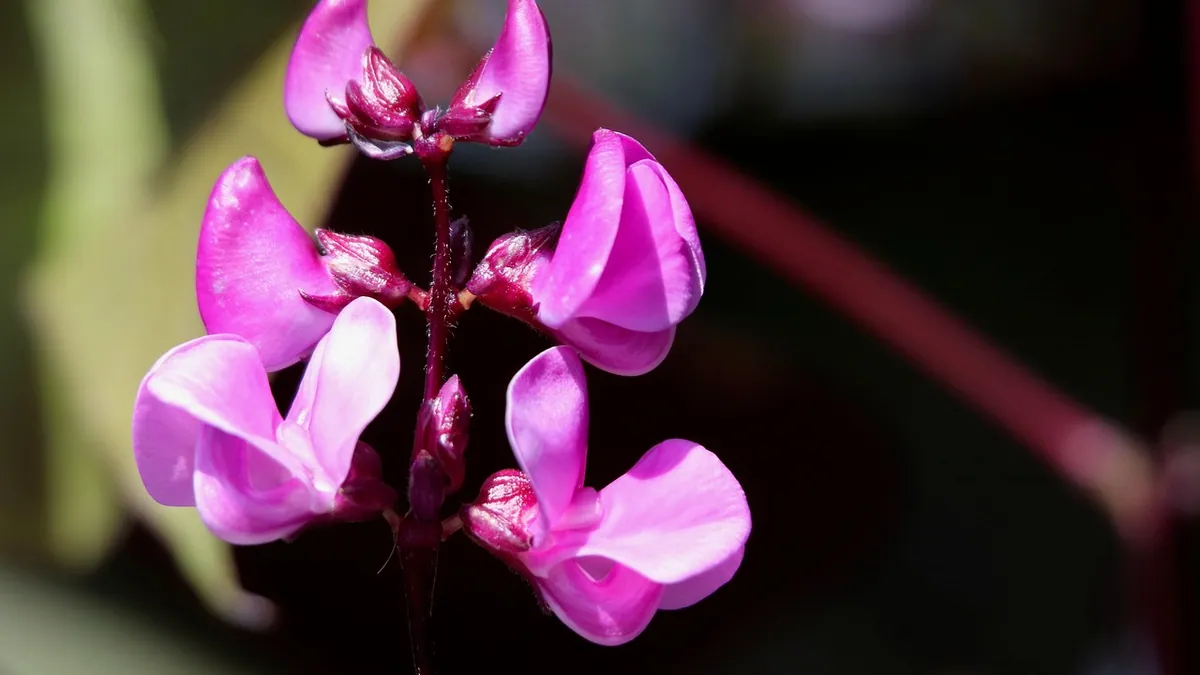
Are bean plants toxic to cats? It depends on the bean. Common garden beans like green beans, kidney beans, and lima beans are generally low risk for cats, while the castor bean plant is extremely toxic and can be fatal [1]. The plant part matters too, since seeds and mature pods carry far more risk than a single leaf.
This article is educational and is not a substitute for veterinary diagnosis or treatment.
Quick Answer
- Most edible beans (green, kidney, lima, pinto) are not a major poisoning threat to cats, though raw beans can cause stomach upset.
- The castor bean plant (Ricinus communis) is a different story. It contains ricin, and eating as little as one ounce of its seeds can be lethal [1].
- Signs of castor bean poisoning usually appear 12 to 48 hours after ingestion and include loss of appetite, excessive thirst, weakness, trembling, loss of coordination, and difficulty breathing [1].
- If you think your cat ate any part of a castor bean plant, call the ASPCA Animal Poison Control Center at (888) 426-4435 or Pet Poison Helpline at (855) 764-7661 right away.
- Do not make your cat vomit unless a veterinarian tells you to.
Are Bean Plants Toxic to Cats? It Depends on the Bean
The word "bean" covers a huge range of plants, and they are not equally dangerous. When owners ask whether bean plants are toxic to cats, the honest answer is that it varies by species.
Common Garden and Food Beans
Green beans, kidney beans, pinto beans, black beans, and lima beans come from plants in the legume family. These are not listed among the plants most commonly tied to pet poisoning. A large European review of indoor plant poisoning in companion animals focused on houseplants and ornamentals, and edible beans were not a leading concern [2]. An Italian survey of plant poisonings in domestic animals found that the plants most often involved were ornamentals like cycads, poinsettia, hydrangea, oleander, and rhododendron, not food legumes [3].
That does not mean a cat can eat a bowl of raw beans with no effect. Raw legumes contain compounds that can cause digestive upset in animals, and a cat that eats a lot of any unfamiliar plant may vomit or have diarrhea. A nibble of a green bean plant is usually not an emergency, but it is not a meal either.
Castor Beans (Mole Bean Plant)
This is the bean plant that matters most. The castor bean plant, also called the mole bean plant, has the scientific name Ricinus communis. The ASPCA classifies it as toxic to dogs, cats, and horses, and its toxic principle is ricin, described as highly toxic [1].
Ricin is one of the most dangerous plant toxins known. It works by blocking protein synthesis inside cells, which means cells cannot build the proteins they need to survive [1]. The result is rapid, widespread cell damage.
The seeds are the most dangerous part. According to the ASPCA, eating as little as one ounce of castor bean seeds can be lethal [1]. For a cat, that is a very small amount of plant material.
Other Plants Called "Beans"
Some plants carry "bean" in their name but are not true beans. The castor bean is the classic example. Others, like the "mole bean," are the same plant under a different common name [1]. If you are unsure what plant you have, identify it before you assume it is safe. A good starting point is our guide to plants toxic to cats.
Which Parts of Bean Plants Are Risky?
For common food beans, the risk is low across the whole plant. Leaves, stems, and pods are unlikely to cause serious poisoning in a cat. The main concern is stomach upset from eating plant material a cat cannot digest well.
For castor beans, the risk is not evenly spread. The seeds contain the highest concentration of ricin, and they are the part most often linked to fatal poisoning [1]. The ASPCA notes that access to ornamental plants or pruned foliage is a common route of exposure in poisonings [1]. That means a cat chewing on a fallen leaf or a trimmed branch from a castor bean plant could still be at risk, even if the seeds are not involved.
If you keep a castor bean plant indoors or in a garden your cat can reach, treat every part of it as dangerous.
The Toxic Principle and What It Does in the Body
Ricin is the toxin in castor beans. It inhibits protein synthesis, which is the process cells use to make the proteins they need to function and repair themselves [1]. When protein synthesis stops, cells begin to fail.
The gut is often hit first because that is where the toxin lands after a cat eats the plant. That is why vomiting, loss of appetite, and abdominal pain show up early. As the toxin moves through the body, weakness, trembling, loss of coordination, and difficulty breathing can develop [1].
Not every plant toxin works this way. Some plants contain glycosides, alkaloids, oxalates, or other compounds that cause different problems [3]. Ricin's mechanism is what makes castor bean poisoning so serious and so fast.
Signs of Bean Plant Poisoning in Cats and Their Timeline
The timeline is one of the most useful things to know. With castor bean poisoning, signs typically develop 12 to 48 hours after ingestion [1]. That delay can be deceptive. A cat may seem fine right after eating the plant and then get worse a day or two later.
Watch for these signs:
- Loss of appetite
- Excessive thirst
- Weakness
- Colic (abdominal pain)
- Trembling
- Sweating
- Loss of coordination
- Difficulty breathing
- Progressive decline [1]
If you see any of these signs and you know or suspect your cat had access to a castor bean plant, treat it as an emergency. Do not wait for more signs to appear.
For common garden beans, the signs are usually milder and more vague. A cat might vomit once, have soft stool, or seem a little off for a day. If your cat is bright, eating, and acting normally after nibbling a green bean leaf, the risk is low. If your cat is vomiting repeatedly, drooling, or seems painful, call your veterinarian.
What to Do Right Now
If you suspect your cat ate a castor bean plant, act immediately.
- Move your cat away from the plant.
- Collect any plant material your cat may have chewed, plus a photo of the plant if you have one.
- Call the ASPCA Animal Poison Control Center at (888) 426-4435 or Pet Poison Helpline at (855) 764-7661. You can also call your own veterinarian or an emergency clinic.
- Follow their instructions exactly.
Do not induce vomiting unless a veterinarian tells you to. Making a cat vomit at home can cause choking, aspiration, or other harm, and it may not remove the toxin in time to help.
If your cat only nibbled a common green bean plant and seems normal, you can call your veterinarian for advice. Many clinics will tell you to monitor at home, but that decision belongs to a veterinarian who knows your cat.
How Veterinarians Treat Bean Plant Poisoning
There is no home antidote for ricin poisoning. Treatment is supportive and depends on how much plant material was eaten and how sick the cat is.
Your veterinarian will likely start with a physical exam and questions about what was eaten and when. If the exposure was recent and the cat is stable, they may use a specific protocol to empty the stomach safely. They may also give activated charcoal to bind toxin still in the gut. These steps are done in a clinic, not at home.
From there, treatment focuses on keeping the cat stable. That can include intravenous fluids, medications to control vomiting and pain, oxygen if breathing is difficult, and close monitoring of heart rate, breathing, and blood work. The exact drugs and doses are set by your veterinarian based on your cat's weight and condition.
If you want to understand how plant poisonings are handled more broadly, our article on what plants can be toxic to cats walks through the general approach.
Outlook for a Cat That Ate a Bean Plant
The outlook depends almost entirely on which plant was eaten and how much.
For common garden beans, the outlook is generally good. Most cats that nibble a leaf or a pod have mild stomach upset or no signs at all.
For castor beans, the outlook is serious. Ricin is highly toxic, and eating as little as one ounce of seeds can be lethal [1]. The 12 to 48 hour delay before signs appear means the toxin has time to do damage before anyone realizes something is wrong [1]. Cats that receive fast veterinary care have the best chance, but this is a poisoning that can be fatal even with treatment.
Across plant poisonings in general, outcomes vary widely. In one 12 year survey of plant poisonings in domestic animals, most exposures caused mild to moderate signs, but among cases with a known outcome, about 10.6 percent were fatal [3]. That number covers all plants, not just beans, but it shows that plant poisoning is not always minor.
Prevention and Safer Alternatives
The simplest prevention is to know what you are growing. If you have a castor bean plant, remove it from any area your cat can reach, or do not keep one at all. This plant is not worth the risk in a home with cats.
For common garden beans, the risk is low, but you can still reduce it:
- Keep potted bean plants out of reach or behind a barrier.
- Pick up fallen leaves, pods, and pruned branches promptly.
- Offer cat safe plants instead, such as spider plants.
- Give your cat a pot of cat grass or a safe chew toy to redirect plant chewing.
If you are choosing new houseplants, check each one before you bring it home. Our guides to are snake plants toxic to cats and are spider plants toxic to cats can help you sort safe options from risky ones. You can also review what kind of plants are harmful to cats for a broader list.
Limitations and When to Contact a Veterinarian
This article cannot tell you whether your specific cat is in danger. That requires a veterinarian who can examine your cat, ask about the exposure, and run tests if needed.
Call your veterinarian or a poison control hotline the same day if:
- You are not sure what plant your cat ate.
- Your cat ate any part of a castor bean plant.
- Your cat is vomiting, drooling, or refusing food.
- Your cat seems weak, wobbly, or unusually quiet.
Go to an emergency clinic now if:
- Your cat is having trouble breathing.
- Your cat is trembling, collapsing, or cannot stand.
- Your cat's gums look pale or abnormal.
- Signs started 12 to 48 hours after a known castor bean exposure [1].
Schedule a routine visit if your cat nibbled a common bean plant, seems normal, but you want peace of mind. Bring a photo of the plant and a note of when the nibble happened.
Frequently Asked Questions
Can cats eat green beans?
Cats can eat a small piece of cooked, plain green bean as a treat, though it is not a needed part of their diet. The plant itself is not a major poisoning risk. Raw beans and large amounts of plant material can cause stomach upset, so keep portions tiny.
Are kidney beans toxic to cats?
Raw kidney beans contain compounds that can cause digestive upset, but they are not a classic cat poison. Cooked kidney beans in small amounts are not dangerous, though cats do not need them. If your cat ate a lot of raw beans or the plant, call your veterinarian.
What happens if a cat eats a castor bean?
Castor beans contain ricin, a highly toxic compound that blocks protein production in cells [1]. Signs usually start 12 to 48 hours later and include loss of appetite, thirst, weakness, trembling, and breathing trouble [1]. This is an emergency, so call a poison control hotline or emergency clinic right away.
Do bean plants attract cats?
Cats sometimes chew on leaves out of boredom or curiosity, and bean plants are no exception. The bigger issue is access. A castor bean plant within reach is a serious hazard, while a green bean plant is a minor one.
Should I make my cat vomit after eating a bean plant?
No. Do not induce vomiting unless a veterinarian tells you to. Home vomiting can cause choking or other problems, and it may not remove the toxin in time. Call the ASPCA Animal Poison Control Center at (888) 426-4435 or Pet Poison Helpline at (855) 764-7661 and follow their guidance.
Related Articles
- Plants Toxic To Cats
- What Plants Can Be Toxic To Cats
- Are Snake Plants Toxic To Cats
- Are Spider Plants Toxic To Cats
- What Kind Of Plants Are Harmful To Cats
- What Plants Are Toxic To Cats With Pictures
- Is Castor Bean Plant Toxic to Cats? Ricin Risk
- Can Cats Eat Coffee Beans or Grounds? Caffeine Toxicity
- Are Hops Plants Toxic to Cats?
References
- Toxic and Non-toxic Plants: Mole Bean Plant. ASPCA Animal Poison Control Center.
- Indoor Companion Animal Poisoning by Plants in Europe. Frontiers in veterinary science, 2020.
- Plant poisoning in domestic animals: epidemiological data from an Italian survey (2000-2011). The Veterinary record, 2013.