Can Kittens Eat Lunch Meat? Sodium and Nitrate Risks
By Dr. Zubair Khalid, DVM, MS, PhD ·
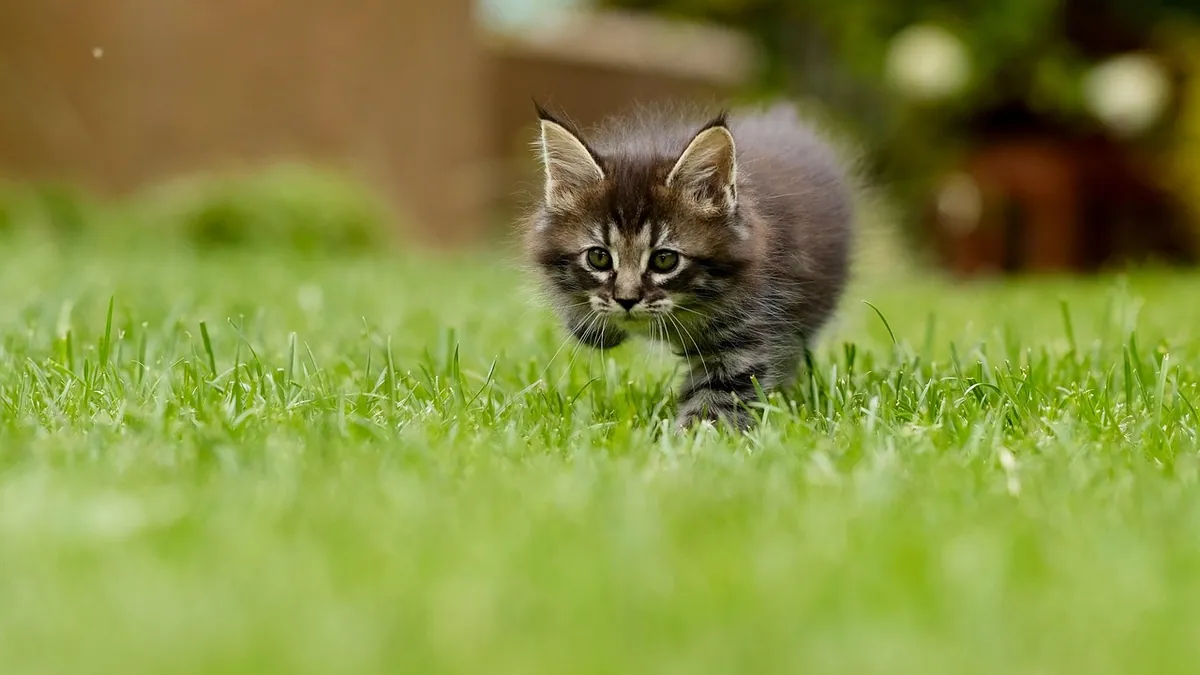
Can kittens eat lunch meat? No. Lunch meat is not a safe food for kittens because it is high in sodium, nitrates, and preservatives, and it offers no nutritional benefit over a complete kitten diet. Even a small piece can upset a young cat's stomach, and a large amount can cause serious sodium poisoning. This article is educational and is not a substitute for veterinary diagnosis or treatment.
Quick Answer
- Do not feed lunch meat to kittens. Deli meats such as ham, turkey, bologna, and salami are processed for human palates, not feline nutrition.
- Sodium is the biggest concern. Excess salt pulls water out of the body and can cause dehydration, vomiting, diarrhea, and kidney failure in cats [1][2].
- Nitrates, nitrites, and preservatives add risk. These additives are not part of a kitten's diet and can trigger digestive upset.
- Some lunch meats contain garlic or onion powder, which damage cat red blood cells. Xylitol is a risk in some sweetened or flavored meats.
- If your kitten ate a small piece, offer fresh water and watch for symptoms. If it ate a large amount or a meat with garlic or onion, call your veterinarian or Pet Poison Helpline at (855) 764-7661 right away [1].
Are Lunch Meats Safe for Cats and Kittens?
No. Lunch meat is unsafe for cats and kittens in any regular amount. The occasional tiny sliver of plain, low-sodium turkey is unlikely to cause harm in a healthy adult cat, but it still is not recommended, and it is never a good choice for a kitten.
Kittens have small bodies and immature organs. Their kidneys and digestive tracts are still developing, so they handle excess sodium and additives far less efficiently than adult cats. A piece of ham that seems tiny to you can deliver a meaningful sodium load to a two-pound kitten.
The related searches people ask most often all point to the same answer. Can cats eat ham lunch meat? No, ham is one of the saltiest deli options. Can cats eat lunch meat? No, it is a processed human food. Do cats eat lunch meat? Some will if offered, but that does not make it safe. Can cats have lunch meat? Only in rare, tiny, plain amounts for adult cats, and never as a meal.
What Is Actually in Lunch Meat?
Deli meats are formulated for human taste. That means added salt, curing agents, and flavorings.
Sodium. A single slice of deli ham or turkey can contain several hundred milligrams of sodium. Cats need only a small amount of salt for normal body function, and the amount they need is already built into a complete cat food [2]. Extra salt from lunch meat is surplus the body must get rid of.
Nitrates and nitrites. These curing agents give deli meat its pink color and extend shelf life. They are not nutrients for cats and serve no purpose in feline health.
Preservatives and binders. Many lunch meats contain phosphates, dextrose, carrageenan, and other additives. These can cause stomach upset in sensitive cats.
Hidden garlic and onion. Seasoned deli meats, especially roast beef, ham, and some turkey brands, often contain onion or garlic powder. Both damage red blood cells in cats.
Xylitol. Some sweetened or flavored meat products contain xylitol, a sugar alcohol that is toxic to pets. Check labels if you are ever unsure.
Do Lunch Meats Offer Any Nutritional Benefit?
No. There is no nutritional benefit to feeding lunch meat to a kitten. A quality commercial kitten food is designed to meet all of a growing cat's needs, including protein, fat, vitamins, and minerals in the right ratios. If you want to understand what a kitten actually needs, see our guide to Kitten Food.
Lunch meat is high in protein, but so is cat food, and cat food is balanced. Deli meat is also high in fat and salt, which can lead to weight gain and other problems over time. It does not replace a meal, and it does not add anything a kitten is missing.
Risks of Feeding Lunch Meat to Kittens
Sodium Poisoning
Salt is the most serious risk. Cats need some salt for hydration and electrolyte balance, but too much causes real harm [1]. When a cat takes in excess sodium, water is pulled out of the body, leading to dehydration. Symptoms can progress to vomiting, diarrhea, and kidney failure, and organ damage can occur with both too much and too little salt [1][2].
Sodium poisoning signs include vomiting, diarrhea, lethargy, excessive thirst, tremors, and in severe cases, seizures or death [3]. A kitten is at higher risk than an adult cat because of its small size.
Digestive Upset
Rich, fatty, salty foods often cause stomach upset in cats. Vomiting and diarrhea are common after a kitten eats something it should not. Diarrhea in a kitten can quickly lead to dehydration, which is dangerous on its own.
Choking and Blockage
Lunch meat is usually soft, so choking is less likely than with bones. However, large chunks or rolled slices can be swallowed too quickly and cause gagging. If the meat has a casing, string, or plastic wrap attached, that is a choking and blockage hazard.
Additive Toxicity
Garlic and onion in seasoned meats damage red blood cells and can cause anemia. Xylitol causes dangerous blood sugar drops and liver damage in pets. Nitrates and preservatives add to the overall burden on a kitten's system.
Long-Term Health Concerns
Repeated feeding of high-sodium human foods can contribute to high blood pressure and kidney strain over time. A high sodium intake is a known risk factor for raised blood pressure in other species [4], and cats with existing kidney disease are especially vulnerable. If your cat already has kidney issues, any salty treat is a poor choice.
How to Offer Lunch Meat Safely (If You Must)
The safest answer is do not offer it at all. If you are determined to give a taste to an adult cat, follow these rules. Never do this with a kitten.
| Form | Safe? | Notes |
|---|---|---|
| Plain, low-sodium deli turkey | Rarely, tiny piece | Only for healthy adult cats, no seasoning, no garlic or onion |
| Deli ham | No | Very high in sodium |
| Bologna, salami, pepperoni | No | High fat, high sodium, nitrates, spices |
| Roast beef with seasoning | No | Often contains onion or garlic powder |
| Canned lunch meat spreads | No | High sodium, preservatives, possible xylitol |
| Any meat with visible mold or spoilage | No | Food poisoning risk |
If you do offer a piece, keep it to a pea-sized amount, no more than once, and only plain meat with no seasoning. Watch your cat for the next 24 hours. For comparison, plain cooked proteins from other sources carry their own rules. Our article on Can Cats Eat Rabbit Meat? Novel Protein and Bone Safety explains how to think about novel proteins, and Can Cats Eat Crab? Shell Hazards and Sodium covers seafood sodium concerns.
What to Do If Your Kitten Ate Lunch Meat
Stay calm and assess how much was eaten and what kind.
Small amount of plain meat. If your kitten ate a small piece of plain turkey or chicken with no seasoning, offer fresh water and monitor for 24 hours. Most small exposures cause nothing more than a mild stomach ache, if anything.
Large amount or salty meat. If your kitten ate a lot of ham, bologna, or another salty meat, call your veterinarian or Pet Poison Helpline at (855) 764-7661 right away [1]. Do not wait for symptoms. The main treatment for salt poisoning is to quickly reduce the amount of salt in the body, which usually means IV fluids to dilute the sodium and restore electrolyte balance [1]. Your veterinarian may also use antacids or antibiotics for gastrointestinal distress, and severe cases may need hospitalization [1].
Meat with garlic, onion, or xylitol. Call poison control or your vet immediately. These ingredients are toxic and symptoms may not appear for hours.
Choking or difficulty breathing. Go to an emergency clinic now.
Never try to make your kitten vomit unless a veterinarian tells you to. Do not give human medications.
Safer Protein Sources for Kittens
The best protein for a kitten is a complete and balanced kitten food. If you want to offer a treat, choose plain, unseasoned, cooked meat in small amounts.
- Plain cooked chicken breast, no salt, no seasoning
- Plain cooked turkey, no salt, no seasoning
- Commercial kitten treats formulated for cats
- A small spoon of plain canned kitten food as a topper
For more on safe seafood proteins and their sodium limits, see Can Cats Eat Sardines? Omega 3 Benefits & Sodium Limits and Can Cats Eat Anchovies? Sodium Overload and Omega-3. Even these should be occasional, not daily.
Limitations and When to Contact a Veterinarian
This article gives general guidance. Every kitten is different, and individual cases need a veterinarian who can examine your pet.
Call your veterinarian the same day if:
- Your kitten ate more than a tiny piece of lunch meat
- The meat contained garlic, onion, or xylitol
- Your kitten is vomiting, has diarrhea, or seems lethargic
- Your kitten is drinking far more water than usual
Go to an emergency clinic now if:
- Your kitten is having seizures, tremors, or trouble walking
- Your kitten is struggling to breathe or choking
- Your kitten is unresponsive or collapsing
- Your kitten has not urinated or is showing signs of severe dehydration
Schedule a routine visit if:
- Your kitten has had repeated small exposures to salty human foods
- You are unsure what a safe diet looks like for your growing cat
Frequently Asked Questions
Can cats eat lunch meat every day?
No. Daily lunch meat would deliver far more sodium and preservatives than a cat's body can handle. Over time, that can strain the kidneys and contribute to high blood pressure. A complete cat food should make up the bulk of every meal.
Can cats eat ham lunch meat?
No. Ham is one of the highest-sodium deli options, and many hams are glazed or seasoned with ingredients that are unsafe for cats. Even a small slice can push a kitten past a safe salt intake.
Do cats eat lunch meat on their own?
Some cats will eat lunch meat if it is left within reach because it is fatty and salty, which appeals to them. That does not mean it is good for them. Keep deli meat sealed and out of reach, especially around kittens.
Can kittens eat meat in general?
Yes, kittens are obligate carnivores and need meat-based protein. The key is that the meat must be part of a balanced kitten diet, not a processed human product. Plain cooked meat can be a treat, but it should not replace kitten food.
What if my kitten only ate a tiny piece of turkey?
A tiny piece of plain, unseasoned turkey is unlikely to cause serious harm in most kittens. Offer fresh water and watch for vomiting, diarrhea, or unusual tiredness over the next day. If anything seems off, call your veterinarian.
Related Articles
- Can Cats Eat Crab? Shell Hazards and Sodium
- Can Cats Eat Rabbit Meat? Novel Protein and Bone Safety
- Can Cats Eat Sardines? Omega 3 Benefits & Sodium Limits
- Can Cats Eat Anchovies? Sodium Overload and Omega-3
- Kitten Food
- Cat Not Eating for 24 Hours: Why Cats Are at Higher Risk
- Can Cats Eat Deli Meat? Sodium and Nitrite Risks
- Can Cats Eat Salami? Sodium, Fat, and Safety
- Is Salt Toxic to Cats? Garlic Salt and Sodium Risks
References
- Can Cats Eat Salt. Pet Poison Helpline.
- Is Salt Bad for Cats. Pet Poison Helpline.
- Sodium Poisoning Symptoms in Dogs and. Pet Poison Helpline.
- Increased sodium content after saltwater washing did not compromise the attenuation of blood pressure increase by cod backbone proteins in obese Zucker fa/fa rats. Journal of nutritional science, 2026.