Can Kittens Eat Chicken? Raw, Cooked, and Bone Safety
By Dr. Zubair Khalid, DVM, MS, PhD ·
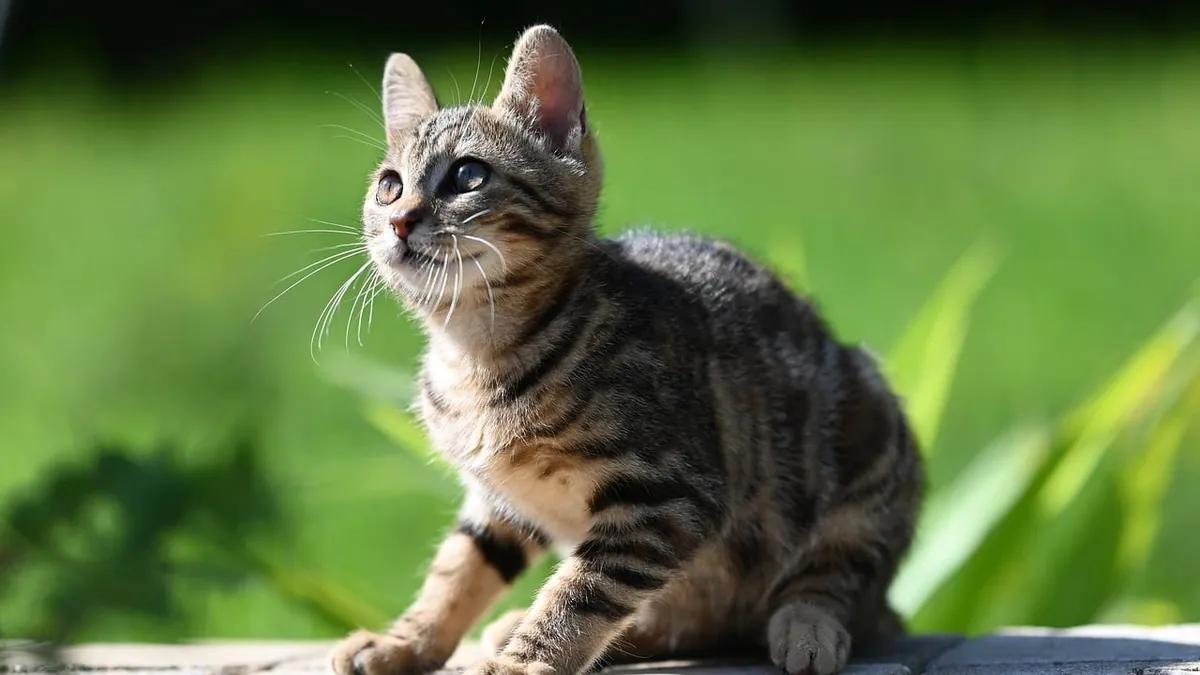
Yes, kittens can eat chicken. Plain, fully cooked chicken with no bones, skin, salt, or seasoning is a safe protein source for most kittens once they are eating solid food. Raw chicken and cooked bones are not safe. This article is educational and is not a substitute for veterinary diagnosis or treatment.
Quick Answer
- Plain, unseasoned, fully cooked chicken is safe for kittens in small amounts as a treat or topper.
- Raw chicken carries real bacterial and viral risks, including avian influenza, and is not recommended [1].
- Never give cooked bones. They splinter and can cause choking or internal injury.
- Skip all seasoning, salt, garlic, onion, and sugar-free sauces.
- Chicken should be a small extra, not a replacement for a complete kitten food.
Can Kittens Eat Chicken? The Short Answer
Yes, with rules. Chicken is a common protein in commercial cat foods, and most kittens tolerate it well. The safe version is plain, fully cooked, boneless meat with no skin and no seasoning.
The unsafe versions are raw chicken, any chicken with bones, and chicken prepared with salt, garlic, onion, or sauces. Those are the cases where a treat turns into a veterinary visit.
Kittens have small stomachs and high nutritional needs. A piece of chicken the size of a pea is a reasonable taste for a young kitten. Anything larger can crowd out the balanced food they actually need to grow.
Is Chicken Good for Kittens?
Chicken provides high-quality animal protein, which fits a cat's carnivorous biology. Kittens need protein for muscle growth, immune function, and healthy development. That is why chicken appears in so many kitten formulas.
The benefit of chicken as a treat is mostly palatability and a little extra protein. It is not a complete meal on its own. A plain piece of chicken lacks the calcium, taurine, vitamins, and balanced minerals that a commercial kitten diet provides.
If you want to use chicken as a topper for a picky eater, keep it to a small spoonful mixed into their regular food. That way the balanced diet still does the heavy lifting.
Can Kittens Eat Raw Chicken?
No. Raw chicken is the riskiest form you can offer, and veterinary nutrition specialists and public health groups question the practice of feeding raw meat diets [2].
Raw meat-based diets have no heat treatment to kill pathogens. A 2025 study tested 62 commercial raw meat diets for dogs and cats in South Korea and isolated live avian influenza virus from two of them, confirmed as low pathogenic H9N2 [1]. That means a raw chicken product can carry a live virus, not just bacteria.
Bacterial contamination is the other concern. Raw meat diets carry well-documented risks of pathogenic bacteria that can cause severe illness in pets [3]. A case report described a fatal botulism infection in a dog fed a raw meat-based diet, with the toxin confirmed in the dog's serum [3].
There is also a household risk. You handle the same raw meat, and the bacteria can spread to counters, sinks, and your hands. Kittens are small and get sick faster than adult cats.
Many owners believe raw diets are healthier because cats are carnivores. Most of those claims lack scientific support, while the documented risks are real [2]. If you want to feed raw, talk to your veterinarian first. For most homes, cooking the chicken is the safer choice. You can read more about the broader debate in Is Raw Food Safe for Dogs and Cats?.
Can Kittens Eat Boiled Chicken?
Yes, boiled chicken is one of the safest ways to prepare it. Boiling cooks the meat through without adding fat, and you control everything that goes in the pot.
Use plain water only. No bouillon cubes, no onion powder, no garlic, no salt. Those add sodium and, in the case of onion and garlic, compounds that damage red blood cells in cats.
Boil until the meat is fully cooked with no pink in the center. Let it cool completely. Cut it into tiny, kitten-sized pieces, and remove every trace of bone, skin, and gristle.
If your kitten has digestive upset, some veterinarians suggest a short period of plain boiled chicken and rice. That is a temporary measure, not a long-term diet, and you should confirm the plan with your veterinarian first.
Can Kittens Eat Chicken Broth?
Usually no, not the broth from a store-bought carton or can. Most commercial broths contain salt, onion, garlic, or yeast extract. Onion and garlic are toxic to cats even in small repeated amounts.
If you boil plain chicken in plain water at home, the resulting liquid is basically flavored water with some fat. A teaspoon poured over food can tempt a fussy kitten. It adds almost no nutrition, so treat it as a flavoring, not a meal.
Never use broth that lists onion, garlic, or "natural flavors" you cannot identify. When in doubt, skip it.
Can Kittens Eat Grilled Chicken?
It depends entirely on what went on the grill. Plain grilled chicken with no marinade, no rub, and no sauce is fine once it is fully cooked and cooled.
Most grilled chicken is not plain. Marinades often contain soy sauce, which is high in salt. Barbecue sauce contains sugar, onion, and garlic. Some rubs contain onion powder or garlic powder, both of which are toxic to cats.
Charred, blackened edges are also a problem. Burnt meat is harder to digest and offers no benefit. If you grill chicken for yourself, set aside a plain piece before you season anything, cook it separately, and give your kitten a small bite of that.
Risks of Feeding Chicken to Kittens
Bones
Cooked bones are the biggest physical hazard. Heat makes bone brittle, so cooked chicken bones splinter into sharp shards. Those shards can lodge in the mouth, throat, or esophagus, or perforate the stomach and intestines.
Never give your kitten a cooked bone, and never let them chew on a leftover drumstick. Raw bones carry their own risks, including fractures and bacterial contamination, so they are not a safe alternative for kittens.
Choking and Blockage
Any piece of chicken that is too large can be a choking hazard for a kitten. Cut pieces small, about the size of a pea, and watch your kitten eat. If they gulp without chewing, make the pieces smaller.
Digestive Upset
New foods can cause vomiting or diarrhea in kittens, even safe ones. Their gut is still developing. Introduce chicken in a very small amount and wait a day to see how they handle it.
Seasoning and Additives
Salt, garlic, onion, and onion powder are the main offenders. Garlic and onion damage red blood cells and can cause anemia. Salt can cause dehydration and, in large amounts, sodium toxicity.
Sugar-free products deserve special mention. Xylitol is a well-known dog poison that causes dangerous low blood sugar and liver failure in dogs. A controlled study in cats did not find the same effects, so xylitol is not considered highly toxic to cats. Even so, sugar-free sauces and gums do not belong in a cat's diet.
Contaminants in Commercial Chicken Products
Chicken-based commercial pet foods are not risk-free either. A study of 29 chicken-based cat kibbles detected antibiotic residues in some samples, including chlortetracycline in one sample and doxycycline in four [4]. Another study of 300 dry cat foods found that copper and iron concentrations were higher in poultry-based diets than in fish or red meat diets, though all measured metals stayed below regulatory limits [5].
These findings are about commercial diets, not about a piece of chicken you cook at home. They are a reminder that "chicken" covers a wide range of products with different quality controls.
Form | Safe? | Notes
| Form | Safe? | Notes |
|---|---|---|
| Plain boiled chicken, no bone or skin | Yes | Best option. Cool fully, cut into pea-sized pieces. |
| Plain grilled chicken, no seasoning | Yes | Set aside before marinating. Avoid charred edges. |
| Plain baked or roasted chicken | Yes | Remove skin, bones, and drippings. |
| Raw chicken | No | Risk of bacteria and live avian influenza virus [1][3]. |
| Cooked chicken bones | No | Splinter and can perforate the gut. |
| Chicken with salt, garlic, or onion | No | Garlic and onion are toxic to cats. Salt causes dehydration. |
| Store-bought chicken broth | Usually no | Often contains onion, garlic, or high sodium. |
| Breaded or fried chicken | No | Fat, breading, and seasoning cause GI upset. |
| Chicken with sugar-free sauce | No | Xylitol is a dog poison, and sugar-free additives do not belong in cat food. |
How to Offer Chicken Safely
Start with a single small piece, about the size of a pea, for a kitten over eight weeks old who is already eating solid food. Offer it plain and at room temperature, never hot.
Watch your kitten for a day. If there is no vomiting, diarrhea, or itching, you can offer a small piece again. Keep the total treat amount under about ten percent of daily calories, with the rest coming from a complete kitten food.
Remove all bones, skin, and visible fat. Fat can trigger pancreatitis in sensitive cats, and kittens are no exception. Cut against the grain into small, soft pieces.
Never leave chicken sitting out. Cooked meat left at room temperature grows bacteria fast. Refrigerate leftovers within two hours and use them within a few days, or freeze small portions.
If you want more guidance on cooked chicken in general, see Can Cats Eat Cooked chicken? Bones & Protein Guidelines. If you are considering other meats, Can Cats Eat Rabbit Meat? Novel Protein and Bone Safety covers a similar set of rules.
What to Do If Your Kitten Ate Too Much or the Wrong Form
If your kitten ate a large amount of plain cooked chicken, they may just have an upset stomach. Withhold other treats for the day, keep water available, and watch for vomiting or diarrhea. A single large meal of plain chicken is unlikely to be dangerous, but it can cause GI upset.
If your kitten ate a cooked bone, call your veterinarian right away, even if your kitten seems fine. Bone fragments can cause damage hours later. Do not induce vomiting unless a veterinarian tells you to.
If your kitten ate chicken with garlic, onion, or a large amount of salt, call your veterinarian or a pet poison control hotline. Signs of onion or garlic toxicity include weakness, pale gums, and dark urine, and they may not appear for a day or more.
If your kitten ate raw chicken, watch for vomiting, diarrhea, lethargy, or fever. Call your veterinarian if any of those appear. You can also read Can Cats Eat Uncooked Hot Dogs? Risks and Safer Options for a similar risk profile with processed raw meat.
Safer Alternatives
Your kitten's main food should be a complete and balanced kitten diet, either commercial wet or dry food formulated for growth. That food already contains chicken or another protein in the right proportions.
If you want a treat, plain cooked chicken is one of the better options. Plain cooked turkey works the same way. Some kittens enjoy a small piece of plain cooked egg or a bite of plain cooked fish, though fish should be occasional.
Freeze-dried single-ingredient chicken treats made for cats are convenient and shelf-stable. Check the label for added salt, onion, or garlic.
Avoid deli meat, hot dogs, sausage, and any processed chicken product. They are high in sodium and often contain onion or garlic powder. For a closer look at processed meats, see the hot dog article linked above.
Limitations and When to Contact a Veterinarian
This article covers general guidance. Your kitten's age, weight, health conditions, and current diet all affect what is safe for them. Individual cases need a veterinarian who can examine your pet.
Call your veterinarian the same day if your kitten ate a cooked bone, a large amount of garlic or onion, or a significant amount of raw chicken. Also call if your kitten vomits more than once, has diarrhea for more than a day, or seems tired and off their food.
Go to an emergency clinic right away if your kitten is choking, gagging, drooling heavily, having trouble breathing, has pale or white gums, collapses, or has a swollen, painful belly. These signs can point to a blockage, internal bleeding, or serious toxicity.
For a routine visit, ask your veterinarian about treats and portion sizes at your kitten's next wellness exam. Bring a list of everything your kitten eats, including treats and table food. That makes the conversation faster and more useful.
Frequently Asked Questions
Can kittens eat chicken every day?
Yes, a small amount of plain cooked chicken every day is fine for most kittens as long as it stays a small part of the diet. The bulk of their calories should come from a complete kitten food. Too much chicken can unbalance their nutrition over time.
Is chicken a common allergen for kittens?
Chicken is one of the more common proteins linked to food allergies in cats, though food allergies overall are not the most frequent cause of itching in kittens. If your kitten develops itching, hair loss, or digestive problems after eating chicken, stop offering it and talk to your veterinarian.
Can kittens eat chicken skin?
No, it is best to remove the skin. Chicken skin is high in fat, and fatty foods can trigger digestive upset or pancreatitis in sensitive cats. The meat itself is the part you want to offer.
How much chicken can I give my kitten?
A piece about the size of a pea is a good starting point for a young kitten. Keep treats to a small fraction of daily calories and adjust based on your kitten's size and age. Your veterinarian can give you a specific amount for your kitten.
Can kittens eat chicken from a can meant for people?
No, canned chicken for people usually contains added salt and sometimes onion or garlic. Those additives are not safe for cats. Stick with chicken you cook yourself with no seasoning, or a treat made specifically for cats.
Related Articles
- Can Cats Eat Cooked chicken? Bones & Protein Guidelines
- Can Cats Eat Rabbit Meat? Novel Protein and Bone Safety
- Is Raw Food Safe for Dogs and Cats?
- Can Cats Eat Uncooked Hot Dogs? Risks and Safer Options
- Dog Ate A Cooked Chicken Bone
- Can Dogs Eat Raw Chicken? Salmonella and Campylobacter Risk
- Can Cats Eat Raw Chicken? Skin, Bones, and Bacteria
- Can Cats Eat Chicken Breast? Canned, Raw, and Daily Limits
- Can Cats Eat Bones? Fish, Chicken and Safety
References
- Detection of H9N2 Avian Influenza Virus in commercial raw meat-based diets for dogs and cats in South Korea. Veterinary microbiology, 2025.
- Current Evidence on Raw Meat Diets in Pets: A Natural Symbol, but a Nutritional Controversy. Animals : an open access journal from MDPI, 2025.
- Botulism in a Dog Fed a Raw Meat-Based Diet: A Case Report. Microorganisms, 2026.
- Multiple contaminant detection in commercially available chicken-based cat kibbles in Italy. Frontiers in veterinary science, 2026.
- Comparison of As, Cd, Cu, Fe, and Pb levels in dry cat foods containing different protein sources (poultry, fish, red meat) and in cats consuming these diets. Veterinary research communications, 2026.