Can Dogs Eat Rosemary? Seasoning, Extract, and Garlic
By Dr. Zubair Khalid, DVM, MS, PhD ·
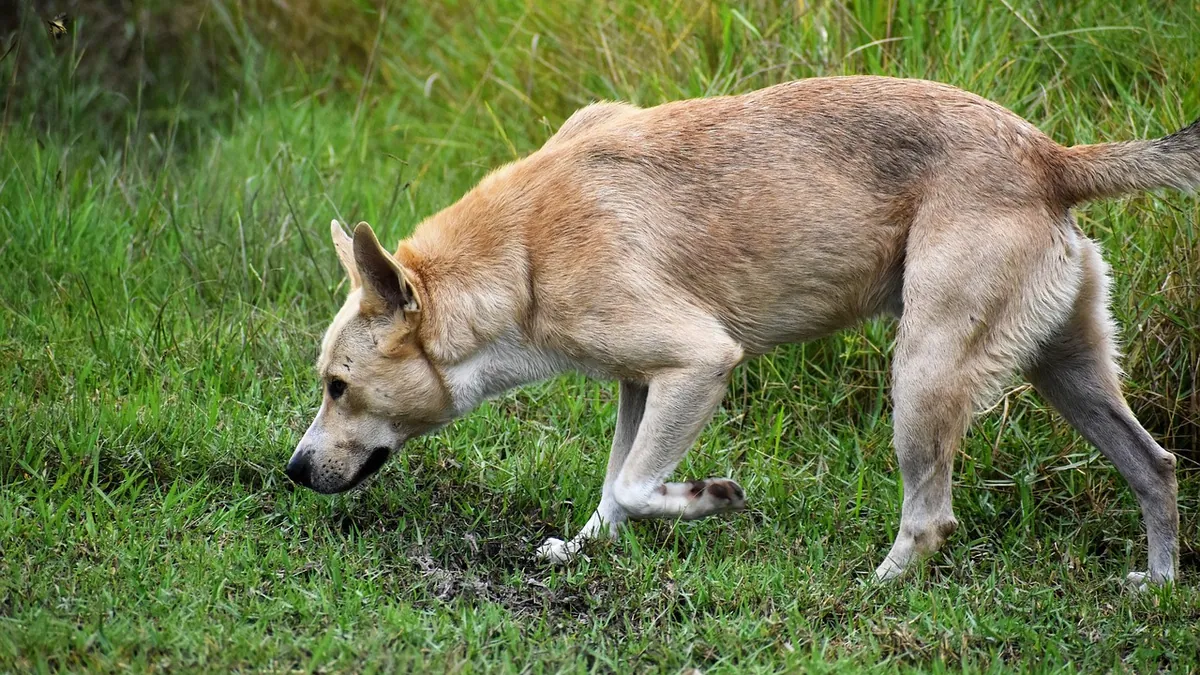
Can dogs eat rosemary? Yes, plain rosemary is considered non-toxic to dogs [1]. The catch is that most rosemary your dog will actually encounter comes in seasoned dishes, and those often contain garlic, onion, or heavy salt. This article is educational and is not a substitute for veterinary diagnosis or treatment.
Quick Answer
- Plain fresh or dried rosemary leaves are non-toxic to dogs, so a small taste is not a poisoning emergency [1].
- Rosemary extracts and oils used in commercial pet food have established safe levels in feed, but that does not mean you should dose your dog at home [2][3][4].
- Rosemary seasoning blends, rosemary chicken, and rosemary bread usually contain garlic, onion, salt, or fat that are the real problem, not the herb.
- Garlic can damage canine red blood cells, and the form matters, with dried and granulated garlic showing stronger effects in laboratory testing [5].
- If your dog ate a rosemary dish with garlic or onion, call your veterinarian or a pet poison hotline right away instead of waiting for symptoms.
Is Rosemary Safe for Dogs?
Rosemary (Rosmarinus officinalis, also listed as Salvia rosmarinus) is classified as non-toxic to dogs, cats, and horses by the ASPCA Animal Poison Control Center [1]. That classification covers the plant itself, meaning the leaves and the herb you would use in cooking. If your dog sniffs a sprig of rosemary or eats a leaf off a garden plant, you are not looking at a poisoning emergency.
That said, "non-toxic" is not the same as "good to eat in any amount." Rosemary is a woody, needle-like herb with a strong flavor and a tough texture. A dog who eats a handful of stems is more likely to vomit or have loose stool from the plant material itself than to suffer any toxic effect. Think of it the way you would think about your dog eating grass. It is not poison, but it is also not food.
The bigger issue is context. When owners ask whether dogs can eat rosemary, they usually mean a specific food. Rosemary chicken. Rosemary roasted potatoes. Rosemary focaccia. Rosemary-seasoned steak. In nearly every one of those cases, the rosemary is the safest ingredient on the plate.
Rosemary Extract and Rosemary Oil
Rosemary extract is a concentrated form of the herb, usually made with solvents like acetone or ethanol, and it is used commercially as an antioxidant to keep pet food from going rancid. A safety review of two rosemary extracts set maximum safe concentrations in feed at 300 mg/kg for dogs and 50 mg/kg for cats [2]. A separate review of rosemary tinctures found them safe for dogs at a maximum proposed use level of 500 mg/kg of complete feed [3]. Rosemary essential oil has also been reviewed for use as a flavoring additive in animal feed [4].
What this means for you: rosemary extract in your dog's commercial food is there on purpose, at a level a manufacturer calculated, and it is not a reason to worry. It does not mean you should buy a bottle of rosemary extract or essential oil and add it to your dog's bowl. Concentrated extracts and oils are far stronger than a pinch of dried herb, and the safe amounts are based on total daily intake, not on a spoonful you guess at. Essential oils in particular can irritate skin and eyes, and the review noted skin irritation concerns for the extract additives [2]. Keep bottles of rosemary oil out of reach.
Can Dogs Eat Rosemary and Thyme?
Rosemary and thyme are both culinary herbs, and thyme is also generally regarded as safe in small culinary amounts. The combination shows up constantly in roasted chicken, soups, and stuffing. The herbs are not the hazard. The hazard is everything else in those dishes, which typically includes onion, garlic, butter, and salt. If you want to give your dog a taste of herb flavor, a tiny pinch of plain dried rosemary or thyme stirred into their regular food is a reasonable way to do it. A spoonful of stuffing is not.
Does Rosemary Have Any Real Benefit for Dogs?
Rosemary does contain compounds with antioxidant activity, which is exactly why it is added to pet food as a preservative [2]. That is a food-quality benefit, not a health benefit you can measure in your dog.
There is one small study worth mentioning because owners often hear about it. Researchers fed Rottweiler dogs a diet fortified with rosemary leaf powder at 0.05 percent, basil leaf powder at 0.05 percent, or a combination of both at 0.025 percent each. Dogs in the rosemary, basil, and combined groups showed significant decreases in serum glucose compared with the control groups [6]. This is interesting, but it is a single study in one breed, using a specific fortified diet, and it does not mean rosemary is a treatment for diabetes in dogs. If your dog has diabetes or any blood sugar condition, that is a conversation for your veterinarian, who will manage it with proper monitoring and prescribed treatment.
There is no evidence that sprinkling rosemary on your dog's dinner improves digestion, freshens breath, repels fleas, or prevents disease. If you like the idea of adding a little herb for flavor, that is fine. Just do not expect a therapeutic effect.
The Real Risks: What Is Usually in Rosemary Seasoning
This is where most actual problems come from. Rosemary seasoning is rarely just rosemary.
Garlic and Onion
Garlic and onion belong to the Allium family, and both can damage a dog's red blood cells. A 2025 laboratory study incubated healthy dog blood with extracts of fresh, dried, and granulated garlic. All forms caused hemolysis, meaning red blood cell rupture, and the strongest effect came from granulated garlic at the higher concentration tested. Blood smears showed more Heinz bodies and eccentrocytes in the dried and granulated garlic samples, which are markers of oxidative damage to red blood cells [5]. The study authors concluded that the form and concentration of garlic strongly influence how much damage it causes, and that processing methods like drying and granulation may increase the risk [5].
That last point matters for real kitchens. Garlic powder and garlic salt, the kinds that live in rosemary seasoning blends and rubs, are dried and granulated forms. A rosemary garlic rub is not a mild exposure. For more on this, see Can Dogs Eat Onions or Garlic? and My Dog Ate Onions or Garlic: What Should I Do?.
Salt, Fat, and Other Additives
Seasoning blends and seasoned meats bring salt, butter, oil, and sometimes sugar. A dog who eats a rosemary-seasoned roast can end up with vomiting, diarrhea, or pancreatitis from the fat load. Processed meats like pepperoni and sausage carry their own seasoning and fat hazards, which you can read about in Can Dogs Eat Pepperoni? Garlic Onion and Fat Content and Can Dogs Eat Sausages? Seasoning Hazards and Fat Content. Some commercial seasoning blends also contain xylitol, an artificial sweetener that is highly toxic to dogs. Always read the label before sharing anything from a shaker.
Choking and GI Upset
Rosemary stems are stiff and splintery. A dog who gulps a whole sprig can choke or end up with a piece lodged in the mouth or throat. Large amounts of any fibrous herb can cause stomach upset, vomiting, or diarrhea. These are mechanical and digestive problems, not toxicity, but they are still unpleasant for your dog and messy for you.
How to Offer Rosemary Safely
If you want to share rosemary, keep it simple and small.
| Form | Safe? | Notes |
|---|---|---|
| Fresh rosemary leaf, plain | Yes, in small amounts | Wash it, remove the woody stem, offer one or two small leaves |
| Dried rosemary, plain | Yes, in small amounts | A small pinch mixed into regular food is plenty |
| Rosemary extract in commercial dog food | Yes | Added by the manufacturer at a calculated level [2][3] |
| Rosemary essential oil | No, do not give orally | Concentrated, can irritate skin and eyes [2] |
| Rosemary seasoning blend or rub | Usually no | Check for garlic, onion, salt, xylitol |
| Rosemary chicken or roasted dish | Usually no | Garlic, onion, butter, and salt are the concern |
| Rosemary bread or focaccia | No | Salt, oil, and sometimes garlic or onion |
A few practical rules:
- Use only plain rosemary. No salt, no garlic, no onion, no oil, no butter.
- Strip the leaves off the woody stem. The stem is the choking risk.
- Keep the amount tiny. One or two small leaves or a pinch of dried herb is a taste, not a serving.
- Introduce it on a day when your dog is otherwise eating normally, so you can tell if it upsets their stomach.
- Do not use rosemary to flavor a large portion of your dog's meal. Their regular balanced diet should stay the base.
What to Do If Your Dog Ate Too Much Rosemary or a Dangerous Form
If your dog ate a large amount of plain rosemary, expect some stomach upset. Watch for vomiting, diarrhea, or drooling, and offer water. Call your veterinarian if symptoms are severe or last more than a day.
If your dog ate rosemary chicken, a rosemary garlic rub, rosemary bread, or anything from a seasoning shaker, treat it as a possible Allium exposure. Call your veterinarian or a pet poison hotline right away. Do not wait for symptoms, because red blood cell damage from garlic and onion can develop over hours to days [5]. Have the following ready: your dog's weight, what they ate, how much, and when.
If your dog is vomiting repeatedly, has pale gums, seems weak or wobbly, is breathing fast, or collapses, go to an emergency clinic now. Those signs can point to serious anemia or another emergency.
Safer Alternatives
If you want to give your dog a flavorful treat, skip the seasoning blends and reach for these instead:
- Plain cooked chicken, no skin, no seasoning
- Plain cooked carrots or green beans
- A small piece of plain cooked pumpkin
- A pinch of plain dried parsley or plain dried basil
- A commercial dog treat or dog food topper made for dogs
If you are looking for a warm, aromatic treat, cinnamon is another herb owners ask about. You can read more in Can Dogs Have Cinnamon. The same rule applies there. Plain and small is fine, seasoned and sugary is not.
Limitations and When to Contact a Veterinarian
No article can tell you whether your specific dog is safe after a specific meal. Your dog's weight, health history, and the exact amount and form of what they ate all change the picture. A veterinarian who examines your dog, or at least talks with you about the details, is the only one who can give you a real answer.
Contact your veterinarian the same day if your dog ate a rosemary dish that contained garlic, onion, or a seasoning blend, even if they seem fine right now. Call an emergency clinic immediately if you see repeated vomiting, pale or white gums, weakness, collapse, fast breathing, a racing heart, or blood in the stool or vomit. Schedule a routine visit if your dog has had mild stomach upset for more than a day, or if you have been adding rosemary or other herbs to their food and want to review their overall diet.
Frequently Asked Questions
Can dogs eat rosemary raw?
Yes, a small amount of plain raw rosemary is not toxic to dogs. Strip the leaves from the woody stem first, since the stem is a choking hazard. Keep the portion to a leaf or two and watch for stomach upset.
Is rosemary powder the same as rosemary seasoning?
No. Rosemary powder is usually just ground dried rosemary, while rosemary seasoning blends often include garlic powder, onion powder, salt, and sometimes sugar or xylitol. Read the ingredient list before sharing anything from a jar.
Can rosemary hurt my dog's liver or kidneys?
There is no evidence that plain culinary rosemary damages the liver or kidneys in dogs. The bigger concerns are stomach upset from eating too much plant material and the garlic, onion, or salt that come along with seasoned dishes.
Can I give my dog rosemary oil for fleas?
No. Do not give rosemary essential oil to your dog by mouth, and do not apply it to their skin without veterinary guidance. Concentrated oils are far stronger than the herb, and skin and eye irritation is a known concern with rosemary extracts.
How long after eating garlic or onion would my dog get sick?
Signs of red blood cell damage can appear within hours but may take a few days to show up. That delay is exactly why you should call your veterinarian right away after a suspected exposure instead of waiting to see what happens.
Related Articles
- Can Dogs Eat Onions or Garlic?
- Can Dogs Have Cinnamon
- Can Dogs Eat Pepperoni? Garlic Onion and Fat Content
- My Dog Ate Onions or Garlic: What Should I Do?
- Can Dogs Eat Sausages? Seasoning Hazards and Fat Content
- Can Dogs Eat Corn
- Can Dogs Eat Oregano? Leaves, Oil, and Seasoning
- Can Dogs Eat Basil? Leaves, Pesto, and Safety
- Can Dogs Eat Parsley? Leaves, Stems, and Daily Limits
References
- Toxic and Non-toxic Plants: Rosemary. ASPCA Animal Poison Control Center.
- Safety and efficacy of two solvent extracts of rosemary (Rosmarinus officinalis L.) when used as feed additive for cats and dogs (Kemin Nutrisurance Europe SRL). EFSA journal. European Food Safety Authority, 2022.
- Safety and efficacy of feed additives consisting of rosemary tinctures obtained from the leaves of Salvia rosmarinus Spenn. for use in all animal species (FEFANA asbl). EFSA journal. European Food Safety Authority, 2025.
- Safety and efficacy of a feed additive consisting of an essential oil derived from the flowering aerial parts of Salvia rosmarinus Spenn. (rosemary oil) for use in all animal species (FEFANA asbl). EFSA journal. European Food Safety Authority, 2025.
- The Effect of the Type and Concentration of Garlic (Allium sativum) on Heinz Body Concentrations in Canine Erythrocytes-An In Vitro Study. Animals : an open access journal from MDPI, 2025.
- Hypoglycemic efficacy of Rosmarinus officinalis and/or Ocimum basilicum leaves powder as a promising clinico-nutritional management tool for diabetes mellitus in Rottweiler dogs. Veterinary world, 2020.