Can Dogs Eat Gravy and Mashed Potatoes? Safety Guide
By Dr. Zubair Khalid, DVM, MS, PhD ·
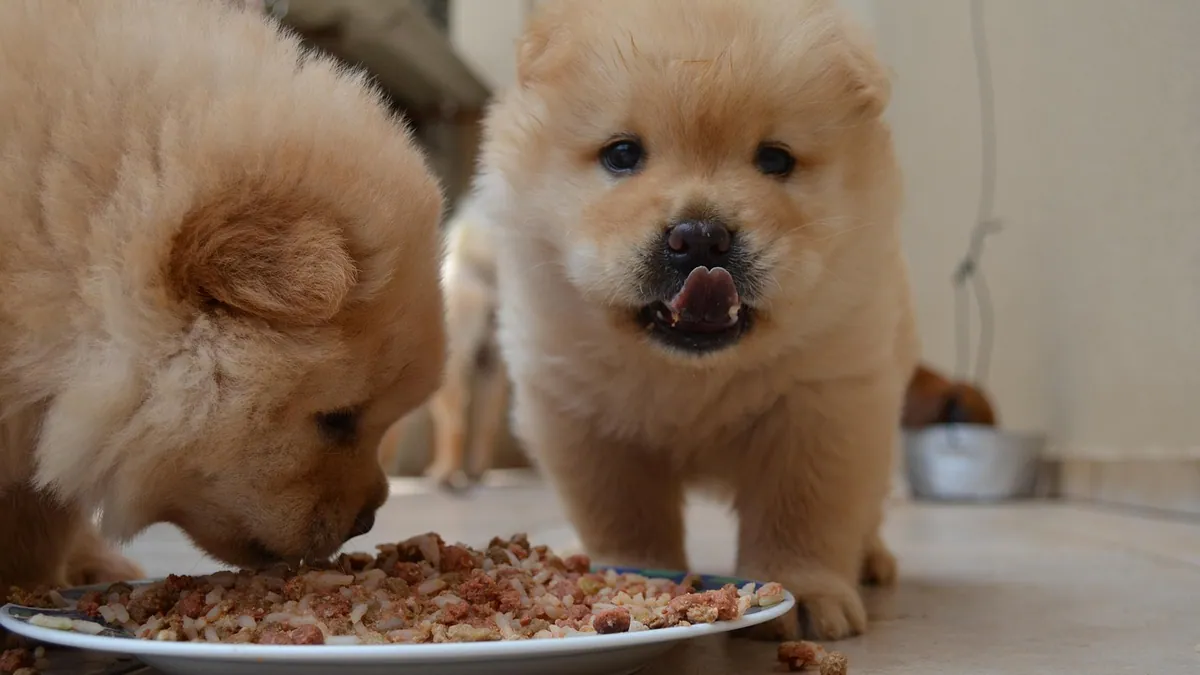
Can dogs eat gravy and mashed potatoes? Sometimes, but only if both are plain and free of onion, garlic, and heavy fat. Most gravies served at holiday meals fail that test, and mashed potatoes usually carry butter, cream, and salt. This article is educational and is not a substitute for veterinary diagnosis or treatment.
Quick Answer
- Plain mashed potatoes with no butter, cream, milk, salt, or seasoning are safe in small amounts as an occasional treat.
- Most gravies are unsafe because they often contain onion or garlic powder, which are toxic to dogs.
- High-fat gravies and buttery potatoes can trigger vomiting, diarrhea, or pancreatitis in sensitive dogs.
- Treats should stay a small part of your dog's daily calories, since treats already make up a meaningful share of many dogs' diets [1].
- If your dog ate gravy with onion or garlic, call your veterinarian or a pet poison hotline right away.
Can Dogs Eat Gravy and Mashed Potatoes? The Short Verdict
Plain mashed potatoes: yes, in small amounts. Gravy: usually no.
The potato itself is not the problem. Cooked white potato is a digestible carbohydrate that many dogs tolerate well. The trouble comes from what gets added during cooking. Butter, cream, whole milk, pan drippings, and salt turn a simple potato into a rich, fatty dish. Onion and garlic, fresh or powdered, turn it into a toxic one.
Gravy is riskier than potatoes for three reasons. First, onion and garlic powder are common in both homemade and jarred gravies. Second, gravy is concentrated fat, often made from meat drippings. Third, it is salty. Any one of these can cause problems, and together they raise the odds of a bad reaction.
If you want to share a holiday bite, a teaspoon or two of plain mashed potato is the safer choice. Skip the gravy entirely unless you made it yourself and know every ingredient.
Are Mashed Potatoes Safe for Dogs?
Yes, if they are plain. A boiled, unseasoned potato mashed with nothing added is a safe occasional treat for most healthy adult dogs. It offers carbohydrates and a little potassium, and it is soft enough for most dogs to eat without choking.
The safety question is really about the add-ins:
- Butter and cream: High fat, high calorie, and a common trigger for stomach upset.
- Whole milk: Many adult dogs are lactose intolerant, so milk can cause gas and diarrhea.
- Salt: Too much sodium is hard on dogs, especially those with heart or kidney disease.
- Garlic and onion powder: Toxic to dogs even in small amounts.
- Cheese, sour cream, chives, and gravy mixes: All add fat, salt, or toxicity risk.
Instant potato flakes are a poor choice because they usually contain salt, milk solids, and preservatives. Boxed or restaurant mashed potatoes often hide butter and seasoning you cannot see.
Can Puppies Eat Mashed Potatoes?
A small taste of plain mashed potato is generally fine for puppies, but it should not replace any part of their balanced growth diet. Puppies have tight nutritional needs, and filling them up with table food can crowd out the calories and nutrients they actually need. Keep any taste tiny, plain, and occasional. If your puppy has a sensitive stomach or is on a prescription diet, ask your veterinarian first.
Is Gravy Safe for Dogs?
Usually not. Gravy is one of the most common holiday foods that sends dogs to the vet, and the reason is almost always the ingredients instead of the gravy itself.
Onion and garlic are the biggest concern. Both belong to the allium family and are toxic to dogs. Powdered forms are more concentrated than fresh, so a small spoonful of onion powder can deliver a meaningful dose. Signs of allium poisoning include vomiting, diarrhea, drooling, abdominal pain, and weakness. Serious cases can cause damage to red blood cells, which may not show up for a day or two after eating.
Fat is the second concern. Gravy made from pan drippings is very high in fat. In dogs, a high-fat diet has been shown to raise body weight, body fat, insulin levels, and blood lipids, and to reduce insulin sensitivity [2]. For a dog with a history of pancreatitis, a fatty meal can trigger a painful flare.
Salt is the third concern. Gravy is seasoned for human taste, and a dog's sodium needs are far lower. A salty meal can cause excessive thirst, vomiting, and in severe cases, sodium poisoning.
Can Dogs Eat Gravy Beef?
Beef gravy is not automatically safe just because the word "beef" is on the label. What matters is what else is in it. Beef drippings are fatty, and most beef gravies also contain onion or garlic powder, salt, and sometimes flour or cornstarch. If you made a beef gravy at home with no onion, no garlic, no added salt, and you skimmed the fat, a tiny taste is low risk for a healthy dog. Store-bought and restaurant beef gravies are a different story and should be avoided.
Can Dogs Eat Gravy with Onion?
No. Gravy that contains onion, onion powder, or onion soup mix is not safe for dogs. Onion is toxic to dogs, and cooking does not remove the toxin. The same applies to garlic, leeks, shallots, and chives. If your dog ate gravy with onion, treat it as a possible poisoning and contact your veterinarian or a pet poison hotline right away. Do not wait for symptoms, because allium toxicity can take a day or more to show.
Can Dogs Eat Milk Gravy?
Milk gravy, sometimes called white gravy or country gravy, is made with milk or cream plus fat and flour. It is not toxic on its own, but it combines two common digestive triggers: lactose and fat. Many adult dogs cannot digest milk sugar well, and the fat content can cause vomiting or diarrhea. A dog with pancreatitis risk should not eat it at all. Plain milk gravy without onion or garlic is still a poor choice for most dogs.
Can Dogs Eat Gravy and Rice?
Plain cooked rice is a gentle, easily digested food that veterinarians often recommend for a bland diet. Gravy is the problem in this pairing, not the rice. If the gravy contains onion, garlic, or heavy fat, the whole dish becomes unsafe. If you want to add moisture to plain rice for your dog, use a little warm water or low-sodium broth that you have checked for onion and garlic. Never assume a gravy is safe because it is served over rice.
Nutrition: What Is Actually in These Foods?
Mashed potatoes are mostly water and carbohydrate, with small amounts of potassium and vitamin C. They are not a complete food, and they do not replace a balanced diet. Homemade-style dog foods sold as complete meals have been found to fall short on several minerals, including selenium, copper, and zinc, in a majority of products tested [3]. That finding is a reminder that human table food is not built to meet a dog's nutritional needs, even when it looks wholesome.
Gravy adds fat, sodium, and flavor, with very little nutritional value for a dog. A high-fat diet has been linked to metabolic changes in dogs that resemble natural aging, including higher cholesterol, higher triglycerides, and insulin resistance [2]. Fat content in the diet also matters for dogs recovering from pancreatitis, though the ideal level remains debated among veterinarians [4].
The bottom line: neither food offers a real benefit to your dog. If you share them, you are sharing a treat, not nutrition.
Risks of Sharing Gravy and Mashed Potatoes
| Form | Safe? | Notes |
|---|---|---|
| Plain boiled mashed potato, no additives | Yes, small amount | Occasional treat only |
| Mashed potato with butter, cream, or milk | No | High fat, possible lactose upset |
| Mashed potato with salt or seasoning | No | Excess sodium |
| Instant or boxed mashed potatoes | No | Often contain salt, milk solids, additives |
| Homemade gravy, no onion or garlic, fat skimmed | Caution | Tiny taste only for healthy dogs |
| Gravy with onion or garlic | No | Toxic, call your vet |
| Store-bought or restaurant gravy | No | Usually contains onion, garlic, salt, fat |
| Gravy with xylitol or artificial sweetener | No | Xylitol is dangerous for dogs |
The main risks break down like this:
- Toxicity: Onion and garlic, in any form, are the top danger. Xylitol, sometimes found in sugar-free products, is another serious toxin.
- Pancreatitis: A single fatty meal can trigger inflammation of the pancreas, especially in dogs that are overweight or have had it before.
- GI upset: Vomiting, diarrhea, gas, and stomach pain are common after rich or dairy-heavy foods.
- Choking and blockages: Large chunks of potato or lumps of congealed fat can be a choking hazard, and some dogs gulp food without chewing.
- Salt poisoning: Excessive sodium can cause thirst, vomiting, tremors, and in severe cases, neurological signs.
If your dog has a history of pancreatitis, diabetes, kidney disease, or food allergies, skip these foods entirely.
How to Offer These Foods Safely
If you decide to share, follow these steps:
- Check every ingredient. No onion, no garlic, no onion or garlic powder, no chives, no xylitol.
- Keep it plain. Boiled potato mashed with water only. No butter, cream, milk, salt, or gravy.
- Keep the portion tiny. A teaspoon or two for a small dog, a tablespoon for a large dog. Treats should be a small fraction of daily calories, since they already make up a notable share of many dogs' diets [1].
- Cool it first. Hot food can burn your dog's mouth.
- Cut or mash it well. Smooth texture lowers choking risk.
- Watch for reactions. Note any vomiting, diarrhea, or lethargy in the next 24 to 48 hours.
- Do not mix it into the main meal. Serve it separately so you can see how your dog responds.
Avoid anything from a buffet line, a restaurant takeout container, or a jar of gravy. You cannot verify what is in it.
If you are looking for safer vegetable-based treats, cooked sweet potato is a better option than white potato for many dogs. You can read more about preparation and fiber in our guide to Can Dogs Eat Sweet potatoes? Fiber & Cooked Preparation. Raw potato is a different story entirely, and our article on Can Dogs Eat Raw Potatoes? Solanine and Green Skin Warning explains why.
What to Do If Your Dog Ate Too Much or a Dangerous Form
Act based on what your dog ate, not just how much.
- Ate gravy with onion or garlic: Call your veterinarian or a pet poison hotline now. Do not wait for symptoms.
- Ate a large fatty meal: Call your vet the same day. Watch for vomiting, a hunched posture, belly pain, or refusing food, which can signal pancreatitis.
- Ate a small amount of plain mashed potato: No action needed beyond watching for mild stomach upset.
- Ate something with xylitol: This is an emergency. Go to a veterinary hospital immediately.
- Ate a large amount of salty food: Call your vet the same day and make sure fresh water is available.
Do not try to make your dog vomit unless a veterinarian tells you to. Some foods cause more harm coming back up.
Safer Alternatives
If you want to include your dog in the holiday meal, try these instead:
- Plain cooked green beans, no salt or butter
- Plain cooked carrot pieces
- A small piece of plain cooked sweet potato
- Plain cooked white rice
- A few plain blueberries or raspberries, which are dog-safe fruits
For more fruit options, see our guides to Can Dogs Eat Raspberries and Can Dogs Eat Berries Safely. If you are wondering about other fruits, Can Dogs Eat Strawberries And Grapes covers which ones are safe and which are not.
Keep in mind that any treat adds calories. If your dog is overweight, talk to your veterinarian about how to fit treats into a weight management plan.
Limitations and When to Contact a Veterinarian
This guidance covers general cases. Your dog's age, weight, health conditions, and medications all change the picture. Individual cases need a veterinarian who can examine your dog and take a full history.
Contact your veterinarian the same day if your dog:
- Ate gravy that may have contained onion or garlic
- Ate a large fatty meal and now seems uncomfortable
- Has vomited more than once or has diarrhea
- Is drooling, pacing, or has a painful or tense belly
- Refuses food or seems unusually tired
Go to an emergency hospital now if your dog:
- Collapses, has a seizure, or has trouble breathing
- Has repeated vomiting with no letup
- Shows weakness, pale gums, or dark urine
- Ate a product containing xylitol
Schedule a routine visit if your dog has had repeated stomach upset after table food, or if you want help building a safe treat plan for a dog with a chronic condition.
Frequently Asked Questions
Can dogs eat mashed potatoes with butter?
No, butter adds fat and calories that most dogs do not need, and it can trigger vomiting or diarrhea in sensitive dogs. A plain boiled potato is the safer choice. If your dog has pancreatitis risk, avoid butter entirely.
Is a small amount of gravy ever okay?
Only if you made it yourself and know it has no onion, garlic, xylitol, or added salt, and you skimmed the fat. Even then, keep it to a taste. Store-bought and restaurant gravies are too unpredictable to be safe.
What are the signs of onion or garlic poisoning in dogs?
Vomiting, diarrhea, drooling, belly pain, weakness, and pale gums are common signs. Symptoms may not appear for a day or more after eating. Call your veterinarian or a pet poison hotline right away if you suspect your dog ate either one.
Can dogs eat potatoes every day?
No, potatoes should be an occasional treat, not a daily staple. A complete and balanced dog food should make up the bulk of your dog's diet. If you want to add potatoes regularly, ask your veterinarian how to do it without unbalancing the diet.
Should I give my dog gravy to hide medication?
No, do not use gravy for this. The ingredients are unpredictable and could interact with your dog's condition or medication. Ask your veterinarian for a safe way to give the pill, such as a plain pill pocket or a small piece of plain cooked food.
Related Articles
- Can Dogs Eat Raw Potatoes? Solanine and Green Skin Warning
- Can Dogs Eat Raspberries
- Can Dogs Eat Sweet potatoes? Fiber & Cooked Preparation
- Can Dogs Eat Berries Safely
- Can Dogs Eat Strawberries And Grapes
- Can Dogs Eat Strawberries And Raspberries
- Can Dogs Eat Gravy Made With Flour or Cornstarch?
- Can Dogs Eat Chicken or Beef Broth? Sodium and Onion Risks
- Can Dogs Eat French Fries? Fast-Food Risks and Safer Options
References
- Dog caregivers' perceptions, motivations, and behaviours for feeding treats: A cross sectional study. Preventive veterinary medicine, 2023.
- Feeding dogs a high-fat diet induces metabolic changes similar to natural aging, including dyslipidemia, hyperinsulinemia, and peripheral insulin resistance. American journal of veterinary research, 2024.
- Nutritional evaluation of new alternative types of dog foods including raw and cooked homemade-style diets. Journal of veterinary science, 2023.
- Effects of low vs high fat diet in dogs with Cerulein-induced acute pancreatitis. Research in veterinary science, 2025.