Can Dogs Eat French Fries? Fast-Food Risks and Safer Options
By Dr. Zubair Khalid, DVM, MS, PhD ·
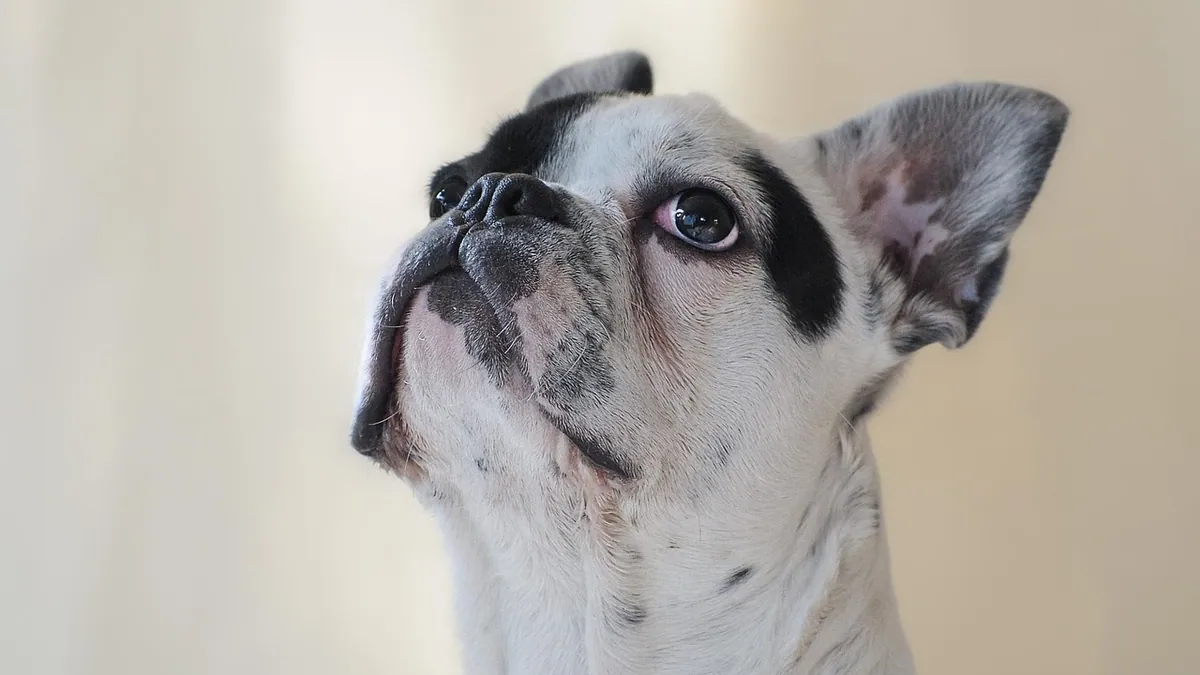
Can dogs eat french fries from McDonald's? A single plain fry usually will not hurt a healthy dog. A whole order is a different story, because the salt, oil, and toppings add up fast. This article is educational and is not a substitute for veterinary diagnosis or treatment.
Quick Answer
- One plain, unsalted fry is low risk for most healthy adult dogs. A full order is not.
- Salt is the most common problem. Fast-food fries are heavily salted, and too much salt can cause vomiting, diarrhea, tremors, or worse.
- The oil and fat content can trigger stomach upset and, in some dogs, pancreatitis.
- Never share fries cooked in onion rings, and never let your dog eat onions, garlic, or xylitol-sweetened foods.
- If your dog ate a large amount, a topping with onion or garlic, or anything with xylitol, call your veterinarian or a pet poison hotline right away.
Can Dogs Eat French Fries From McDonald's? The Direct Verdict
A single french fry is not toxic to dogs. Potatoes are safe for dogs when cooked plainly, and one fry will not poison a healthy adult dog. That is the honest answer to the question most owners are really asking.
The trouble starts with quantity and preparation. Fast-food fries are salted, fried in oil, and often seasoned or topped. Each of those adds a separate risk. One fry is a treat. A whole order is a fat and sodium load that many dogs cannot handle well.
There is also a size factor. A 10-pound dog and an 80-pound dog do not respond the same way to the same handful of fries. Small dogs reach a dangerous salt dose with far fewer fries.
What Is Actually in a Fast-Food Fry?
A typical fast-food fry is mostly potato, oil, and salt. Potato itself offers some carbohydrate and a little potassium, but frying strips away most of the nutritional value you would want a dog to get from food. There is no real health benefit to giving your dog a fry.
The fat and salt are the parts that matter. A high-fat diet fed over time caused weight gain, increased body fat, higher insulin levels, and insulin resistance in dogs in a controlled study [1]. That study looked at weeks of feeding, not one fry, so it does not prove a single fry causes harm. It does show that fat-heavy food is not neutral for dogs.
Risks of Feeding French Fries to Dogs
Salt
Salt is the biggest everyday danger with fries. Fast-food fries are salted during cooking and often salted again. A dog that eats a lot of salt can develop vomiting, diarrhea, lethargy, tremors, and in severe cases seizures or organ problems. The exact toxic dose depends on the dog's weight and health, so your veterinarian calculates it from your dog's specific situation.
Fat and Pancreatitis
Pancreatitis is inflammation of the pancreas, and it is the most frequently diagnosed disorder of the exocrine pancreas in dogs [2]. The link between dietary fat and pancreatitis is not as simple as once believed. A 2026 review found that early studies suggesting a strong fat link were limited by small sample sizes, experimental models, and inconsistent methods, and newer work has not confirmed a consistent relationship between dietary fat and disease onset [2]. A 2025 study in dogs with mild, experimentally induced pancreatitis found that a higher-fat feeding tube diet did not produce significantly different clinical, laboratory, ultrasound, or tissue results compared with a low-fat diet [3].
That does not mean you should feed fries freely. It means the picture is more complicated than "fat always causes pancreatitis." Some dogs are sensitive to fatty foods and will vomit or develop diarrhea after a greasy meal. If your dog has a history of pancreatitis, ask your veterinarian what fat level is appropriate before sharing any table food.
Choking and Blockage
Fries are soft, so choking is uncommon, but it is not impossible. A dog that gulps a whole order can vomit or bloat. Large quantities of any new food can cause stomach upset.
Dangerous Additives and Toppings
This is where real emergencies happen.
- Onions and onion rings. Onions and garlic damage red blood cells in dogs and can cause anemia. Fries cooked in the same oil as onion rings carry some onion residue. Never share those.
- Xylitol. Some sauces, desserts, and sugar-free products contain xylitol, which is highly toxic to dogs and can cause dangerous low blood sugar and liver failure. Check labels if any sauce is involved.
- Garlic. Garlic powder is common in seasoned fries and has the same blood-damaging effect as onion.
- Salt-heavy seasoning blends. These push sodium intake even higher.
If you want a broader look at how fatty table foods and processed meats affect dogs, see Can Dogs Eat Hot Dogs? Preservatives and Choking Hazards and Can Dogs Eat Duck? Fat Content and Rendering Safety.
Toppings and Sides: What Is Safe and What Is Not
| Form | Safe? | Notes |
|---|---|---|
| Plain fry, no salt | Usually, in tiny amounts | One small fry for a medium dog is low risk |
| Salted fry | Risky | Salt adds up fast, especially for small dogs |
| Ketchup | Avoid | Often contains onion powder, garlic powder, and added salt |
| Cheese | Avoid | Adds fat and sodium, and many dogs are lactose intolerant |
| Onion rings | Dangerous | Onion is toxic to dogs and can cause anemia |
| Fries cooked with onion rings | Dangerous | Shared oil can carry onion residue |
| Fries with gravy or sauce | Avoid | High fat, high salt, possible garlic or onion |
| Any fry with xylitol | Emergency | Xylitol is highly toxic to dogs |
Can Dogs Eat French Fries With Salt?
Salted fries are the version most people actually have on hand, and they are the riskiest common form. A few grains of salt will not hurt most dogs, but a whole salted order can push a small dog into sodium toxicity. If your dog is small, older, or has heart or kidney disease, skip salted fries entirely.
Can Dogs Eat French Fries With Ketchup?
No, and ketchup is a bigger problem than most owners expect. Ketchup often contains onion powder, garlic powder, and sugar, and some brands add salt. Onion and garlic are toxic to dogs even in small repeated amounts. Keep ketchup away from your dog.
Can Dogs Eat French Fries With Cheese?
No. Cheese adds fat and sodium on top of an already fatty, salty food. Many dogs are lactose intolerant and will develop gas or diarrhea after cheese. If your dog has pancreatitis risk factors, cheese-topped fries are a poor choice.
Can Dogs Eat French Fries Once?
Yes, one plain fry once is generally fine for a healthy adult dog. The word "once" matters. A single fry on a single occasion is very different from a weekly habit or a shared order. If your dog has a sensitive stomach, diabetes, heart disease, kidney disease, or a pancreatitis history, ask your veterinarian first.
How to Offer a Fry Safely
If you decide to share, follow these steps.
- Choose a plain fry with no salt, no seasoning, and no toppings.
- Give one small piece, not a whole fry, for a small dog.
- Avoid fries from a shared fryer used for onion rings.
- Never give fries with ketchup, cheese, gravy, or sauce.
- Watch your dog for vomiting, diarrhea, or lethargy for the next few hours.
- Do not make it a routine. Treats should stay under about 10 percent of daily calories, which is standard veterinary guidance.
For a comparison of how other human foods carry fat and toxin risks, see Can Dogs Eat Avocado? Persin Poisoning & Fat Risks.
What to Do If Your Dog Ate Too Many Fries
If your dog ate a few plain fries, offer water and watch for stomach upset. Most mild cases resolve on their own within a day.
Call your veterinarian or a pet poison hotline right away if your dog ate:
- A large quantity of salted fries
- Fries cooked with onion rings or topped with onion
- Anything containing xylitol
- Ketchup or a sauce with onion or garlic powder
- Fries plus other fatty foods at the same time
Signs that need urgent care include repeated vomiting, diarrhea, a painful or bloated belly, restlessness, tremors, weakness, or collapse. Do not wait to see if it passes. Bring the packaging or a photo of the label if you can, because it helps your veterinarian identify what was eaten.
Safer Alternatives to French Fries
If your dog wants a crunchy treat, these options carry less risk.
- Plain cooked sweet potato, no salt or butter
- Plain baked potato wedges, cooled and unsalted
- Carrot sticks, raw or cooked
- Green beans, plain and unsalted
- Apple slices without seeds or core
- Plain cooked chicken, no seasoning
For omega-3 rich options that are safer than fried food, see Can Dogs Eat Mackerel? Omega-3 vs Mercury Balance. For fruit treats, see Can Dogs Eat Mulberries? Safe Portions Guide.
Limitations and When to Contact a Veterinarian
This article gives general guidance. Your dog's weight, age, health conditions, and medications change the risk of any food. Individual cases need a veterinarian who can examine your dog and review the full picture.
Contact your veterinarian the same day if your dog ate a moderate amount of salted fries or a fatty meal and now has mild vomiting or diarrhea.
Go to an emergency clinic now if your dog has repeated vomiting, a swollen or painful abdomen, tremors, weakness, collapse, or any known exposure to xylitol, onion, or garlic.
Schedule a routine visit if your dog has had repeated fatty food exposures and you want to review diet, weight, and pancreatitis risk.
Frequently Asked Questions
Can one french fry hurt my dog?
One plain fry is very unlikely to hurt a healthy adult dog. The risk rises with salt, oil, toppings, and the size of your dog. If your dog is small or has a health condition, skip it.
Are McDonald's fries worse than homemade fries?
Fast-food fries tend to be saltier and are often cooked in shared oil. Homemade fries can be safer if you bake them plain with no salt and no onion contact. Either way, keep the amount tiny.
Can fries cause pancreatitis in dogs?
The relationship between dietary fat and pancreatitis is not straightforward. A 2026 review found that newer studies have not confirmed a consistent link between dietary fat content and disease onset [2]. Some dogs still react badly to greasy food, so use caution.
What if my dog ate a whole order of fries?
Watch for vomiting, diarrhea, and belly pain. Call your veterinarian or a pet poison hotline if the fries were salted heavily, cooked with onion rings, or served with ketchup or cheese. Small dogs and dogs with health conditions need faster attention.
Are there any fries that are safe for dogs?
Plain, unsalted fries with no toppings are the least risky form. Even then, keep it to a small piece on a rare occasion. Safer crunchy treats include plain sweet potato, carrot, and green beans.
Related Articles
- Can Dogs Eat Duck? Fat Content and Rendering Safety
- Can Dogs Eat Hot Dogs? Preservatives and Choking Hazards
- Can Dogs Eat Mulberries? Safe Portions Guide
- Can Dogs Eat Mackerel? Omega-3 vs Mercury Balance
- Can Dogs Eat Avocado? Persin Poisoning & Fat Risks
- Can Dogs Eat Macadamia Nuts?
- Can Dogs Eat Hamburgers? Patty, Bun, and Topping Safety
- Can Dogs Eat Mayonnaise? Fat, Sodium, and Safety
- Can Dogs Eat Gravy and Mashed Potatoes? Safety Guide
References
- Feeding dogs a high-fat diet induces metabolic changes similar to natural aging, including dyslipidemia, hyperinsulinemia, and peripheral insulin resistance. American journal of veterinary research, 2024.
- High fat, high risk? Evaluating the strength of evidence linking dietary fat and pancreatitis in dogs. Journal of the American Veterinary Medical Association, 2026.
- Effects of low vs high fat diet in dogs with Cerulein-induced acute pancreatitis. Research in veterinary science, 2025.