Can Dogs Eat Eggshells? Calcium, Salmonella, and Safe Amounts
By Dr. Zubair Khalid, DVM, MS, PhD ·
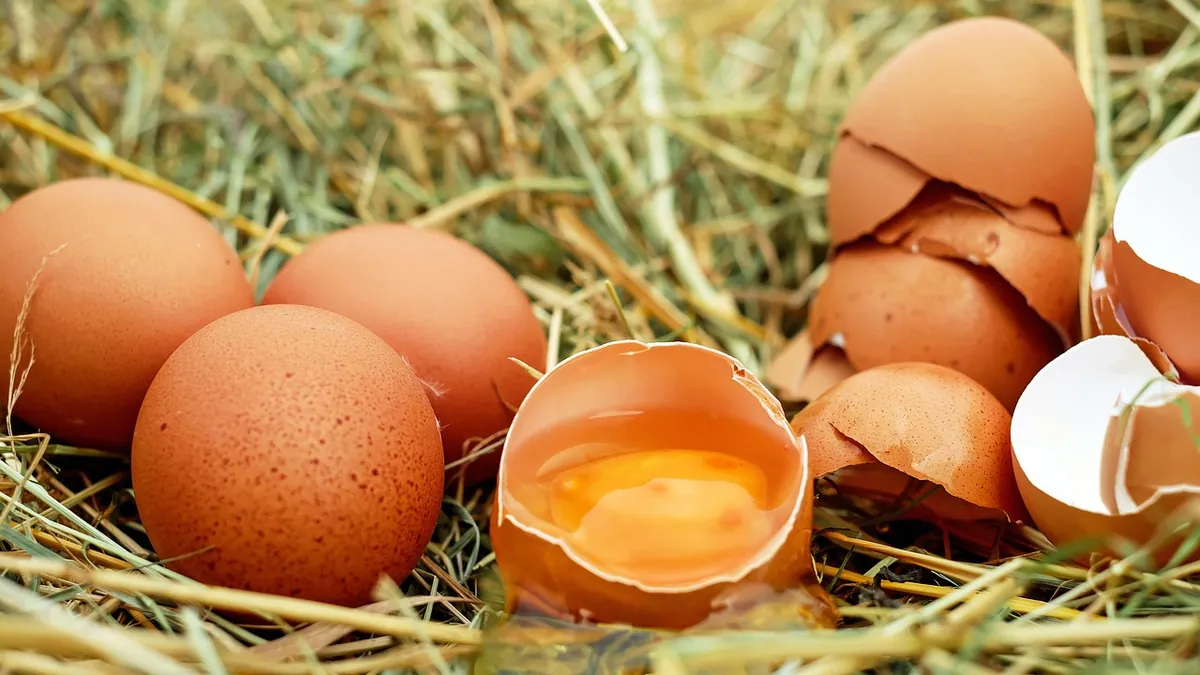
Can dogs eat eggshells? Yes, in most cases, if the shells are cooked and ground into a fine powder. Raw shells can carry Salmonella, and too much calcium can cause real harm, so the amount and the preparation both matter.
This article is educational and is not a substitute for veterinary diagnosis or treatment.
Quick Answer
- Plain, raw eggshells are not a good choice for dogs because of bacterial risk, including Salmonella [1].
- Baked, dried, and finely ground eggshell powder is a usable calcium source, and heat treatment reduces spoilage and pathogenic microorganisms [2].
- Calcium is a nutrient with a narrow safe range. Too little and too much both cause problems, so the dose should come from your veterinarian based on your dog's weight, diet, and health.
- Never feed shells from eggs cooked with salt, butter, garlic, onion, xylitol, or other seasonings.
- If your dog ate a large amount of shells or seasoned shells, call your veterinarian or a pet poison hotline right away.
The Short Verdict: Safe or Unsafe?
Eggshells are safe for most dogs only when they are cooked, dried, and ground into a powder, and only in an amount your veterinarian approves. The shell itself is mostly calcium carbonate, which is the same mineral form used in many calcium supplements. That makes it a genuine calcium source, not a myth.
The problem is the raw shell. Salmonella and other bacteria can live on the outside of an egg, and raw animal products are a known source of Salmonella in dogs [1]. A dog that licks or crunches a raw shell can pick up that bacteria, and so can the people in the house who handle the bowl or the dog's saliva.
There is also a dose problem. Calcium is not a "more is better" nutrient. Feeding extra calcium on top of a complete dog food can unbalance the diet, interfere with absorption of other minerals, and cause digestive upset. For growing puppies, excess calcium is especially risky because it can affect bone development.
So the honest answer is: yes, but only the right form, in the right amount, for the right dog.
What Is Actually in an Eggshell?
An eggshell is a calcium carbonate structure. A 2023 study that analyzed eggshell powder found a clear calcium carbonate crystal pattern, with crystallinity between 90.20 and 91.05 percent [2]. In plain terms, the shell is a concentrated mineral package.
That study also measured how much calcium the powder released into liquid. The untreated control released 205.17 to 208.40 mg/L, and heat treatment raised that release. Hot air treatment for 10 to 20 minutes pushed boiled and steamed shell powders to 219.95 to 225.50 mg/L and 230.35 to 305.20 mg/L, respectively [2]. This is why preparation matters. How you treat the shell changes how available the calcium is.
The thin membrane on the inside of the shell is a different story. That membrane is not a calcium supplement. It is a source of proteins, peptides, and antioxidants, and laboratory work on canine cartilage cells showed that eggshell membrane improved chondrocyte viability after oxidative stress, which suggests a possible reparative role [3]. A separate clinical trial in dogs with osteoarthritis tested a joint supplement that contained eggshell membrane along with krill meal, astaxanthin, hyaluronic acid, and Boswellia serrata extract, and evaluated mobility over 90 days [4]. That trial used a combination product, so it does not prove that eggshell membrane alone treats arthritis. It does show that the membrane is an ingredient researchers are taking seriously.
For a pet owner, the practical point is simple. The shell is calcium. The membrane is a protein and antioxidant material. Neither one is a treat, and neither one replaces a balanced diet.
Can Dogs Eat Raw Eggshells?
No, raw eggshells are not a safe everyday choice. The main concern is bacteria. Salmonella surveillance data from Great Britain found that Salmonella isolations from raw meat pet food rose from 4 isolates of 4 serovars in 2013 to 606 isolates of 39 serovars in 2022, and the authors noted considerable overlap in serovar distributions between raw pet food and dogs [1]. Raw eggs and raw shells sit in the same category of risk.
There is a second reason to skip raw shells. A raw shell is brittle and sharp. Pieces can crack into shards that irritate the mouth, throat, or stomach, and a dog that gulps can choke.
If you want to use eggshells as calcium, cook them first. Boiling in water for 60 minutes inhibited spoilage and pathogenic microorganisms, equivalent to steaming at 121 °C for 15 minutes [2]. That is the safety step that turns a raw waste product into something you can work with.
Risks of Feeding Eggshells to Dogs
Salmonella and Other Bacteria
Raw shells can carry Salmonella, and dogs can shed it in their stool and saliva. That means the risk is not only to your dog. It is also to you, your children, and anyone who handles the food bowl. This is the same reason raw chicken and raw egg diets get close veterinary attention. If you feed any raw animal product, read Can Dogs Eat Raw Chicken? Salmonella and Campylobacter Risk and Can Dogs Eat Eggs? Raw Salmonella vs Scrambled.
Too Much Calcium
Calcium excess is a real problem, especially in puppies. Extra calcium can interfere with the absorption of other minerals, cause loose stool or constipation, and in growing dogs it can affect skeletal development. A shell is concentrated calcium, so a small amount goes a long way. Never add eggshell powder to a complete and balanced commercial diet without veterinary guidance, because that diet is already balanced.
Choking and Gut Irritation
Large shell fragments can lodge in the mouth or throat. Sharp edges can scrape the lining of the digestive tract. Ground powder avoids this problem. Whole or cracked shells do not.
Seasonings and Additives
This is where many eggshell accidents happen. Shells left over from a breakfast plate may carry salt, butter, oil, garlic, onion, or cheese sauce. Garlic and onion are toxic to dogs. Xylitol, a sweetener found in some sugar-free products, is dangerous even in small amounts. Salt can cause sodium poisoning. Never feed shells from a seasoned dish.
Eggshell Membrane Supplements
Commercial eggshell membrane products are not the same as kitchen shells. They are processed, dosed, and often combined with other ingredients [4]. Do not substitute ground kitchen shells for a joint supplement, and do not give a human supplement to your dog without asking your veterinarian.
How to Prepare Eggshells Safely
If your veterinarian has approved eggshell powder as part of your dog's diet, here is the safe method.
- Use shells from eggs you have already cooked and eaten, or boil raw shells in water for 60 minutes, which inhibited spoilage and pathogenic microorganisms in testing [2].
- Rinse the shells and remove any visible membrane if you wish. The membrane is not harmful, but it does not grind as finely.
- Dry the shells completely. A low oven or a food dehydrator works. Heat treatment also changed the physical structure of the powder and increased calcium release [2].
- Grind the dry shells in a clean coffee grinder or blender until they are a fine powder with no sharp pieces.
- Store the powder in a sealed container in the refrigerator and use it within a reasonable time.
- Measure the amount your veterinarian calculated. Do not eyeball it.
| Form | Safe? | Notes |
|---|---|---|
| Raw whole shell | No | Salmonella risk and choking hazard [1] |
| Raw cracked shell | No | Same bacterial risk, sharp edges |
| Boiled shell, whole | No | Cooked but still a choking risk |
| Baked and finely ground powder | Yes, if dosed | Heat treatment reduces bacteria and changes calcium release [2] |
| Shells from seasoned or buttery eggs | No | Garlic, onion, salt, xylitol, and fat are risks |
| Commercial eggshell membrane supplement | Only with veterinary advice | Studied as part of a combination joint product [4] |
How Much Calcium Does a Dog Actually Need?
This is the question that matters most, and it is the one you cannot answer from a chart online. Calcium needs depend on your dog's weight, age, life stage, and the rest of the diet. Puppies, adults, and seniors have different requirements. A dog eating a complete commercial food is already getting calcium, so added powder can push the total too high.
Your veterinarian calculates the dose from your dog's weight and health, and from how much calcium the rest of the diet already provides. If you want to understand how calcium fits into a dog's overall nutrition, see Calcium Foods For Dogs. Do not guess, and do not copy a dose from a forum or a human supplement label.
What to Do If Your Dog Ate Eggshells
If your dog ate a small piece of a plain, cooked shell, watch for vomiting, diarrhea, drooling, or gagging. Call your veterinarian if any of those appear.
If your dog ate raw shells, a large amount of shells, or shells from a seasoned dish, call your veterinarian or a pet poison hotline right away. Do not wait for symptoms. Salmonella illness can take time to show up, and seasoning toxicity can progress quickly.
If your dog is choking, has trouble breathing, or is retching without producing anything, this is an emergency. Go to the nearest veterinary emergency hospital now.
Bring the shell container or a photo of the dish if you can. It helps your veterinarian know what else was on the shells.
Safer Alternatives for Calcium and Joint Support
If your goal is calcium, the safest source is a complete and balanced commercial diet that already meets your dog's needs. If your dog is on a home-cooked diet, work with a veterinarian or a board-certified veterinary nutritionist to build the recipe correctly. Adding a random calcium source to a homemade diet is how deficiencies and excesses happen.
If your goal is joint support, talk to your veterinarian about proven options. The osteoarthritis trial used a combination supplement, not plain eggshell powder, and it was given under study conditions [4]. Weight management, activity adjustment, and veterinary-prescribed joint support are the standard approach for dogs with osteoarthritis [4].
If you want to feed eggs themselves, cooked eggs are the safer choice. For cheese and other human foods, see Can Dogs Eat Cheese. And never give cooked bones of any kind, which splinter and cause serious injury, as explained in Can Dogs Eat Cooked Bones?.
Limitations and When to Contact a Veterinarian
This article gives general guidance. Individual cases need a veterinarian who can examine your dog, review the diet, and calculate a safe calcium amount.
Call your veterinarian the same day if your dog ate raw shells, a large amount of shells, or shells with seasoning, or if your dog has vomiting, diarrhea, drooling, or a poor appetite after eating shells.
Go to an emergency hospital now if your dog is choking, struggling to breathe, retching repeatedly, collapsing, or showing tremors or weakness.
Schedule a routine visit if you are considering adding eggshell powder to your dog's diet, if your dog is a puppy, or if your dog has kidney disease, heart disease, or a history of urinary stones. These conditions change how calcium should be handled.
Frequently Asked Questions
Can dogs eat egg shells every day?
Only if your veterinarian has calculated a specific amount for your dog and confirmed the rest of the diet is balanced. Daily extra calcium on top of a complete food can tip the diet out of balance. For most dogs eating commercial food, the answer is no.
Are eggshells a good calcium supplement for dogs?
They are a real calcium source, and heat-treated powder releases calcium well in testing [2]. That does not make them the best choice for every dog. A complete diet or a veterinary-formulated recipe is usually safer and easier to control.
Can puppies have eggshell powder?
Not without veterinary guidance. Growing puppies are the group most sensitive to calcium imbalance, and both too little and too much can affect bone development. Ask your veterinarian before adding any calcium source to a puppy's food.
Does eggshell membrane help dog arthritis?
The evidence is early. Laboratory work showed eggshell membrane proteins improved canine cartilage cell viability under oxidative stress [3], and one clinical trial tested a combination joint supplement that included eggshell membrane in dogs with osteoarthritis [4]. That trial does not prove eggshell membrane alone treats arthritis, so discuss joint support with your veterinarian.
What if my dog ate a raw eggshell?
Call your veterinarian or a pet poison hotline and watch for vomiting, diarrhea, or lethargy. Raw shells can carry Salmonella, and raw pet food has been linked to overlapping Salmonella serovars in dogs [1]. Do not induce vomiting unless a veterinarian tells you to.
Related Articles
- Can Dogs Eat Eggs? Raw Salmonella vs Scrambled
- Can Dogs Eat Cheese
- Calcium Foods For Dogs
- Can Dogs Eat Raw Chicken? Salmonella and Campylobacter Risk
- Can Dogs Eat Cooked Bones?
- Safe Human Foods For Dogs To Eat
- Can Dogs Eat Quail Eggs? Raw and Shell Safety
- Can Dogs Eat Eggs Every Day? How Often Is Safe
- Can Puppies Eat Eggs? Safety and Serving Tips
References
- Salmonella surveillance in raw pet food and dogs in Great Britain, 2013-2022. Frontiers in veterinary science, 2026.
- Modified eggshell powder using thermal treatment and its application in Ca-fortified dog biscuits. Heliyon, 2023.
- Impact of eggshell membrane on metabolism and cell adhesion in oxidatively stressed canine chondrocytes. Frontiers in veterinary science, 2024.
- Efficacy of a joint supplement containing eggshell membrane among other ingredients to improve the mobility of dogs with osteoarthritis: a multicenter double-blind randomized placebo-controlled study. Frontiers in veterinary science, 2025.