Can Dogs Eat Donuts? Glazed, Cake, and Sugar Risks
By Dr. Zubair Khalid, DVM, MS, PhD ·
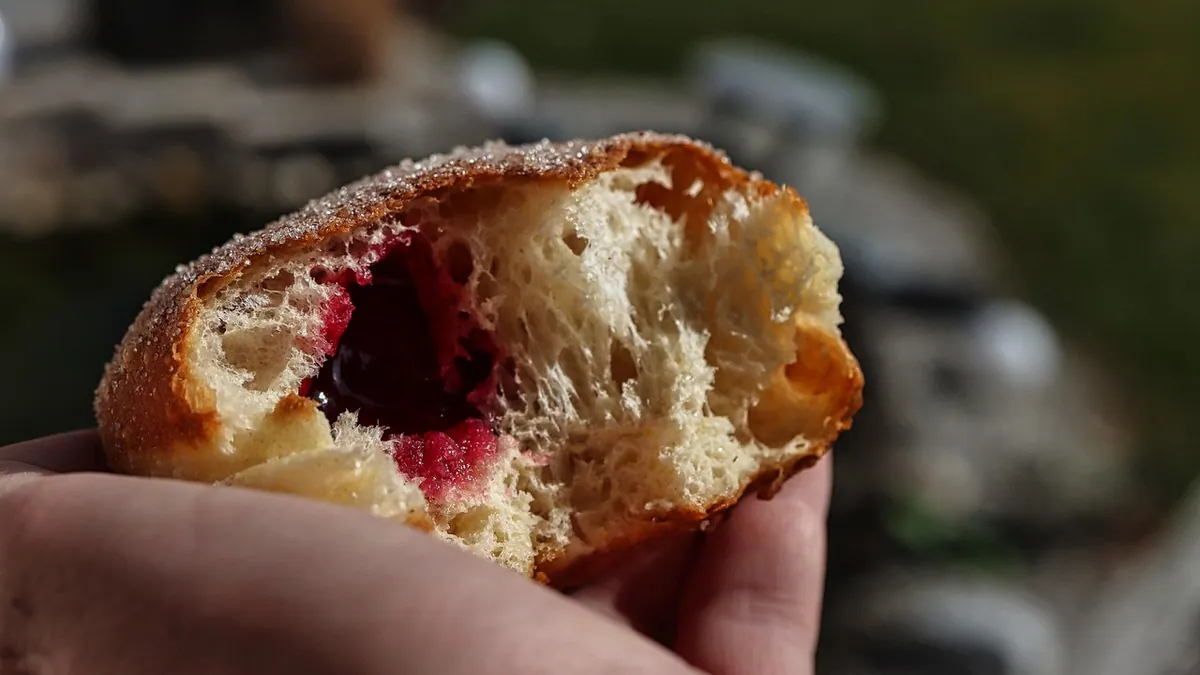
Can dogs eat donuts? No. Donuts are not a safe treat for dogs because they are loaded with sugar and fat, and some contain chocolate, xylitol, or other ingredients that are toxic to dogs. Even a small piece can cause stomach upset, and a whole donut can lead to serious problems.
This article is educational and is not a substitute for veterinary diagnosis or treatment.
Quick Answer
- Skip the donut. Plain, glazed, cake, and filled donuts all contain too much sugar and fat for dogs.
- Xylitol is an emergency. Sugar-free donuts and gum can cause severe neurologic signs, and a dog in one report became stuporous after eating more than 50 pieces of xylitol gum [1].
- Chocolate frosting is a separate danger. Chocolate is toxic to dogs, and the darker the chocolate, the higher the risk.
- One bite is unlikely to be fatal for a healthy medium or large dog, but it can still cause vomiting or diarrhea. A whole donut, especially with chocolate or xylitol, needs a call to your vet or poison control right away.
- Never give donuts as a treat. Use dog-safe alternatives like plain cooked chicken, carrots, or a small piece of apple instead.
Can Dogs Eat Donuts? The Short Answer
No. Donuts are a poor choice for any dog, at any age, in any amount. The main problems are sugar, fat, and added ingredients that range from unhealthy to toxic.
A donut is essentially fried dough coated in sugar. That combination hits a dog's body hard. Dogs do not need sugar in their diet at all, and their bodies handle fat differently than humans do. A single donut can deliver a large dose of both in one bite.
Some owners ask about specific types. Glazed donuts, cake donuts, donut holes, and frosted donuts all carry the same basic risks. The size changes how much your dog eats, not whether it is safe. A donut hole is smaller, but it is still fried dough with sugar, and small dogs can be affected by even a small amount.
Puppies are at higher risk than adult dogs. Their bodies are smaller, their digestive systems are more sensitive, and they have less reserve to handle a sugar and fat load. Puppies also explore the world with their mouths, so a dropped donut is more likely to be swallowed before you can stop it.
What Is Actually in a Donut?
A typical glazed donut contains roughly 200 to 300 calories, most of it from refined flour, sugar, and oil. For a 20-pound dog, that can be a significant portion of the day's calorie needs. For a 10-pound dog, it can be more than a full meal's worth of energy with almost no nutritional value.
Donuts offer dogs no real benefit. They provide no essential nutrients that a dog cannot get from a complete and balanced diet. The fat and sugar are the opposite of what most dogs need. If your dog is overweight, has diabetes, or has a history of pancreatitis, a donut is especially risky.
The fat content matters because high-fat foods are often blamed for triggering pancreatitis in dogs. The evidence is not as clear as once thought. A 2026 review in the Journal of the American Veterinary Medical Association found that early studies linking dietary fat to pancreatitis were limited by small sample sizes, experimental models, and inconsistent diagnostic methods, and that more recent work has generally failed to confirm a consistent link between dietary fat content and disease onset [2]. That does not make a donut safe. It means the exact role of a single high-fat meal is still being studied, and a fatty treat is still a poor choice for a dog with a sensitive pancreas.
Pancreatitis is the most frequently diagnosed disorder of the exocrine pancreas in dogs, and it can be serious [2]. A dog that has had pancreatitis before may be more vulnerable to a flare after a fatty meal, even if the science on fat as the sole cause is unsettled.
Risks of Feeding Donuts to Dogs
Sugar and Blood Glucose
Dogs do not process a sugar load the way humans do. A large sugar hit can cause a spike in blood glucose, followed by a crash. In a healthy dog, this may pass. In a dog with diabetes or insulin resistance, it can be dangerous.
Blood glucose problems in dogs are real and can be triggered by many things, including stress and illness. A 2026 study of 400 nondiabetic dogs found that about 15 percent developed high blood glucose during anesthesia, and the risk was higher in dogs with a higher fasting glucose before the procedure [3]. That study was about anesthesia, not donuts, but it shows that blood sugar in dogs is not something to treat casually.
Fat and Pancreatitis
A donut is a high-fat food. For a dog with a history of pancreatitis, a fatty treat can set off vomiting, abdominal pain, and lethargy. A 2026 case report described a dog that developed diabetes after acute pancreatitis and later went into diabetic remission, which shows how serious pancreatic disease can be and how unpredictable its course is [4]. If your dog has ever had pancreatitis, do not give donuts.
Xylitol Toxicity
This is the biggest emergency risk. Xylitol is a sugar alcohol used in sugar-free gum, candy, and some baked goods. In dogs, xylitol can cause a dangerous drop in blood sugar and liver damage. A 2025 case report described a dog that became stuporous after eating more than 50 pieces of xylitol-containing gum, with a minimum dose of more than 3 mg/kg [1]. The dog's neurologic signs were severe, and hypoglycemia was never documented during hospitalization, which suggests xylitol may harm the brain even at low doses [1].
If your dog ate a sugar-free donut, assume xylitol may be present and call for help right away. Do not wait for symptoms.
Chocolate
Chocolate frosting, chocolate glaze, and chocolate-filled donuts are all dangerous. Chocolate contains theobromine and caffeine, which dogs cannot metabolize well. Dark chocolate and baking chocolate are the most toxic. If your dog ate a chocolate donut, treat it as a possible poisoning and contact your veterinarian or a pet poison hotline.
Choking and Blockages
Donut holes are a choking hazard, especially for small dogs. A whole donut can also cause a blockage if swallowed in large pieces. Signs of choking include pawing at the mouth, gagging, and difficulty breathing. Signs of a blockage include repeated vomiting, drooling, and a painful belly.
Other Additives
Some donuts contain raisins, macadamia nuts, garlic, onion powder, or salt in large amounts. Raisins and macadamia nuts are toxic to dogs. Garlic and onion damage red blood cells. Salt in high amounts can cause sodium poisoning. Read the ingredient list if you are unsure what your dog ate.
Donut Types at a Glance
| Form | Safe? | Notes |
|---|---|---|
| Plain glazed donut | No | High sugar and fat, no nutritional value |
| Cake donut | No | Often denser and higher in fat and sugar |
| Donut holes | No | Choking risk, especially for small dogs |
| Chocolate frosted | No | Chocolate is toxic to dogs |
| Sugar-free donut | No | May contain xylitol, which is an emergency [1] |
| Filled donut (cream, jelly) | No | Extra sugar, fat, and possible chocolate or xylitol |
| Plain cooked chicken | Yes | Dog-safe treat in small amounts |
| Carrot sticks | Yes | Low calorie, dog-safe |
Can Dogs Eat Donuts With Sugar?
No. Sugar is one of the main reasons donuts are unsafe. A dog's body is not built for a concentrated sugar load. Even a small amount can cause a spike in blood glucose, and repeated sugary treats can contribute to obesity and dental problems.
If your dog has diabetes, sugar is even more dangerous. Blood glucose control in diabetic dogs depends on a consistent diet and careful monitoring. A sugary treat can throw off that balance. If your dog is diabetic and ate a donut, call your veterinarian the same day.
Can Puppies Eat Donuts?
No. Puppies are at higher risk than adult dogs for several reasons. Their bodies are smaller, so a small amount of sugar or fat is a larger dose relative to their size. Their digestive systems are still developing, so vomiting and diarrhea are more likely. And their livers and kidneys are less able to process toxins like chocolate or xylitol.
If a puppy ate a donut, call your veterinarian right away. Do not wait for symptoms. Puppies can decline faster than adult dogs.
What to Do If Your Dog Ate a Donut
If It Was a Small Piece of a Plain Donut
A small bite of a plain glazed or cake donut is unlikely to be fatal for a healthy medium or large dog. Watch for vomiting, diarrhea, and lethargy over the next 12 to 24 hours. Call your veterinarian if symptoms appear or if your dog has a history of pancreatitis or diabetes.
If It Was a Whole Donut
Call your veterinarian or a pet poison hotline. A whole donut is a large sugar and fat load. Your vet may recommend monitoring at home or bringing your dog in, depending on size, health history, and what was in the donut.
If It Was a Chocolate Donut
Treat this as a poisoning. Call your veterinarian or a pet poison hotline immediately. Have the following ready: your dog's weight, the type of chocolate, and how much was eaten. For more on chocolate, see What To Do If Dog Eats Chocolate Candy.
If It Was a Sugar-Free Donut
Assume xylitol may be present. Call your veterinarian or a pet poison hotline right away. Do not wait for symptoms. For more on xylitol, see Dog Ate Sugar-Free Gum: What Should You Do?.
If Your Dog Is Choking
If your dog is pawing at the mouth, gagging, or struggling to breathe, go to an emergency clinic now. Do not try to pull a piece of donut out of the throat if you cannot see it clearly. You could push it further down.
If Your Dog Ate Raw Dough
Raw bread dough is a different emergency. It can expand in the stomach and produce alcohol as it ferments. See Dog Ate Raw Bread Dough: Is It an Emergency?.
Safer Alternatives to Donuts
If you want to give your dog a treat, choose something that is safe and low in sugar and fat. Good options include:
- Small pieces of plain cooked chicken or turkey (no seasoning, no onion, no garlic)
- Carrot sticks or baby carrots
- A few slices of cucumber
- A small piece of apple (no seeds, no core)
- Plain cooked green beans
- A small piece of banana
For more on fruit treats and sugar, see Can Dogs Eat Cantaloupe? Vitamin A & Sugar Rules. For nuts and fat, see Can Dogs Eat Cashews? Fat Content & Pancreatitis Risks.
Keep treats to less than 10 percent of your dog's daily calories. If your dog is overweight or has a health condition, ask your veterinarian what treats are safe.
Limitations and When to Contact a Veterinarian
This article gives general guidance. Every dog is different. Your dog's size, age, health history, and the exact donut matter. A veterinarian who knows your dog can give you the best advice.
Call your veterinarian or a pet poison hotline right away if:
- Your dog ate a sugar-free donut or any product that may contain xylitol
- Your dog ate a chocolate donut, especially dark chocolate or baking chocolate
- Your dog is vomiting, has diarrhea, or seems lethargic
- Your dog is pacing, restless, or has a painful belly
- Your dog is having a seizure or seems disoriented
- Your dog is choking or having trouble breathing
- Your puppy ate any amount of donut
Call the same day if:
- Your dog ate a whole donut and seems fine
- Your dog has diabetes or a history of pancreatitis
- Your dog is small (under 20 pounds) and ate more than a bite
Call at your next routine visit if:
- Your dog ate a small piece of a plain donut and has no symptoms
- You want to review your dog's diet and treat plan
If you are unsure, call. It is always better to ask than to wait.
Frequently Asked Questions
Can dogs eat donuts glazed?
No. A glazed donut is fried dough coated in sugar, which means it is high in both fat and sugar. It offers no nutritional benefit and can cause stomach upset or a blood sugar spike. A small bite is unlikely to be fatal for a healthy large dog, but it is still not a safe treat.
Can dogs eat donuts with sugar?
No. Sugar is one of the main reasons donuts are unsafe for dogs. Dogs do not need sugar in their diet, and a concentrated sugar load can cause digestive upset and blood glucose swings. If your dog has diabetes, a sugary treat can be especially dangerous.
Can dogs eat donut holes?
No. Donut holes are still fried dough with sugar, and their small size makes them a choking hazard, especially for small dogs. A dog may swallow one whole without chewing, which can lead to choking or a blockage. Keep donut holes away from your dog.
Can puppies eat donuts?
No. Puppies are at higher risk because of their small size and developing bodies. Even a small amount of sugar or fat can cause vomiting or diarrhea, and toxins like chocolate or xylitol are more dangerous for a puppy. If a puppy ate a donut, call your veterinarian right away.
Can dogs eat cake donuts?
No. Cake donuts are often denser and higher in fat and sugar than yeast donuts. They may also contain chocolate, xylitol, or other unsafe ingredients. There is no safe type of donut for a dog, so choose a dog-safe treat instead.
Related Articles
- Can Dogs Eat Cashews? Fat Content & Pancreatitis Risks
- Can Dogs Eat Cantaloupe? Vitamin A & Sugar Rules
- What To Do If Dog Eats Chocolate Candy
- Dog Ate Raw Bread Dough: Is It an Emergency?
- Dog Ate Sugar-Free Gum: What Should You Do?
- Can Dogs Eat Venison? Wild Game Parasite Concerns
- Can Dogs Eat Cake or Frosting? Sugar, Xylitol, and Chocolate Risks
- Can Dogs Eat Marshmallows? Sugar and Xylitol Risks
- Can Dogs Eat Vanilla Ice Cream? Lactose, Sugar, and Xylitol
References
- Stuporous State in a Dog Following Ingestion of Chewing Gum Containing Xylitol Without Documented Hypoglycemia. Clinical case reports, 2025.
- High fat, high risk? Evaluating the strength of evidence linking dietary fat and pancreatitis in dogs. Journal of the American Veterinary Medical Association, 2026.
- Incidence and risk factors for intra-anesthetic hyperglycemia in 400 nondiabetic dogs: a retrospective cohort study. Veterinary anaesthesia and analgesia, 2026.
- Spontaneous diabetic remission after acute pancreatitis in a dog. Journal of veterinary internal medicine, 2026.