Can Cats Eat Tomatoes? Seeds, Leaves and Safe Amounts
By Dr. Zubair Khalid, DVM, MS, PhD ·
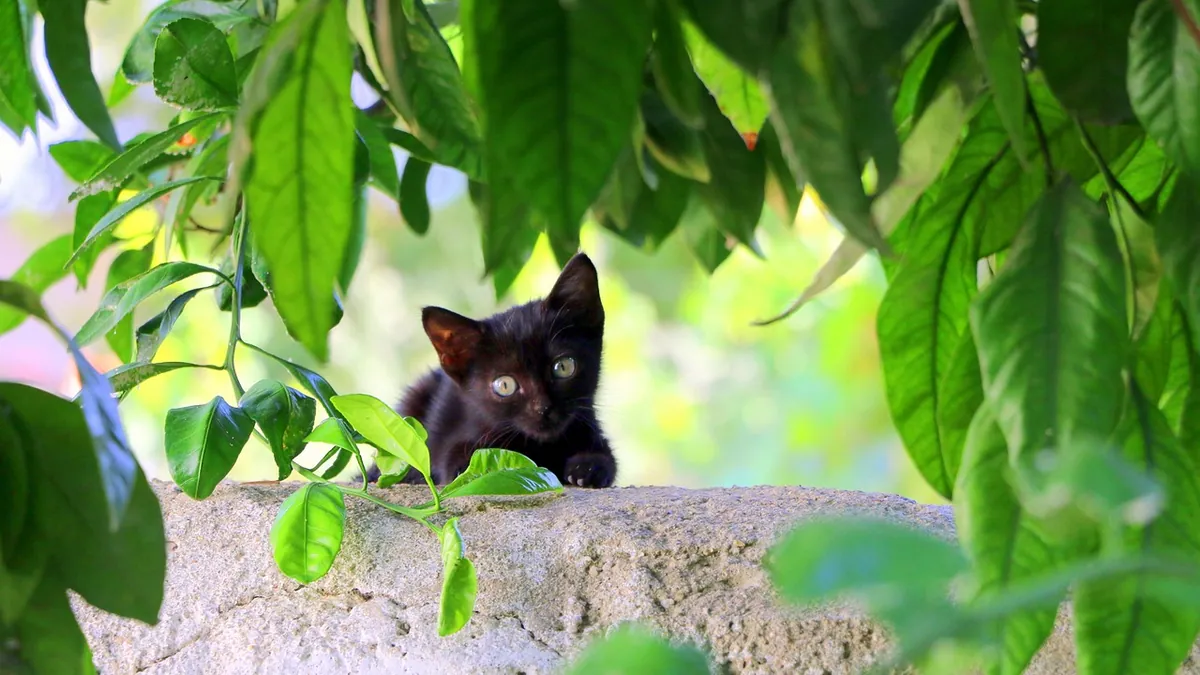
Ripe tomato flesh is generally safe for cats in very small amounts, but the leaves, stems, and unripe fruit contain solanine and can make your cat sick. Most cats do not need tomatoes at all, and seasoned or canned tomato products often carry bigger risks than the tomato itself. This article is educational and is not a substitute for veterinary diagnosis or treatment.
Quick Answer
- Plain, ripe tomato flesh is non-toxic to cats, but it is not a needed part of their diet [1].
- Tomato leaves, stems, and unripe green tomatoes are toxic because they contain solanine [1].
- Signs of solanine poisoning include drooling, loss of appetite, severe stomach upset, depression, weakness, dilated pupils, and a slow heart rate [1].
- Canned, jarred, or seasoned tomato products can contain salt, garlic, onion, or xylitol, so skip them.
- If your cat ate a leaf, a stem, or an unripe tomato, call your veterinarian or a pet poison hotline right away.
Can Cats Eat Tomatoes Safely?
The short answer is yes, with limits. A small piece of ripe, plain tomato flesh is not toxic to cats [1]. The ASPCA lists the tomato plant as toxic to cats, dogs, and horses, and names solanine as the toxic principle, while noting that the ripe fruit itself is non-toxic [1].
That distinction matters. The plant and the fruit are not the same thing when it comes to risk. A ripe red tomato from your garden or the grocery store is the safe part. The green parts around it are not.
Cats are obligate carnivores. They get their nutrition from animal tissue, and they have no dietary requirement for tomatoes or any other fruit. So even a safe piece of tomato is a treat, not a food group. Think of it as a tiny taste, not a serving.
If you want to offer a taste, keep it small. A piece about the size of a pea is plenty for most adult cats. Kittens have smaller bodies and less margin for error, so it is often simplest to skip tomatoes for kittens entirely.
Can Kittens Eat Tomatoes?
Kittens can eat a tiny piece of ripe tomato flesh in theory, but there is little reason to offer it. Their digestive systems are still developing, and a new food can trigger loose stool or vomiting that is hard to tell apart from a more serious problem.
Kittens also explore with their mouths. A kitten is more likely than an adult cat to chew on a tomato plant on a windowsill or a green tomato left on the counter. That is the real danger, not the fruit itself.
If your kitten ate a leaf or an unripe tomato, treat it as an exposure and call your veterinarian. Do not wait for symptoms to appear.
Can Cats Have Tomatoes in Canned or Seasoned Form?
Usually no. The tomato is rarely the problem in these products. The problem is everything added to it.
Canned tomatoes, tomato sauce, salsa, ketchup, and tomato soup often contain salt, sugar, garlic, onion, and sometimes xylitol. Garlic and onion damage red blood cells in cats and can cause anemia. Xylitol is a sweetener that is dangerous to pets. Salt in larger amounts can cause thirst, vomiting, and in severe cases, neurologic signs.
There is also a practical issue. Many cats are sensitive to new foods, and a rich, salty, or spiced product is more likely to cause vomiting or diarrhea than a plain piece of fruit.
If you are wondering about a specific prepared dish, like fish packed in tomato sauce, that combination brings its own set of questions. You can read more about Can Cats Eat Tuna In Tomato Sauce for a closer look at that scenario.
Can Cats Eat Beans and Tomatoes Together?
This is a common question because beans and tomatoes show up together in chili, soups, and casseroles. The tomato part follows the same rules as above. The bean part depends on the bean and the preparation.
Plain, cooked, unsalted beans are not toxic to cats, but they are high in fiber and can cause gas and stomach upset. More importantly, dishes that combine beans and tomatoes usually contain onion, garlic, and a lot of salt. Those are the ingredients that send cats to the clinic.
If you want to share a plain, cooked bean, a single mashed bean is enough. Do not share the chili.
What Is in a Tomato?
Tomatoes are mostly water. They also contain vitamin C, vitamin K, potassium, and lycopene, which is the pigment that makes them red. These nutrients are meaningful in a human diet.
They are not meaningful in a cat's diet. Cats cannot make their own vitamin C in the way humans do, but they make what they need internally, and commercial cat food is already balanced for them. A pea-sized piece of tomato adds no measurable nutritional benefit.
The plant itself is a different story. Tomato belongs to the Solanaceae family, and the green parts contain solanine, a glycoalkaloid [1]. Glycoalkaloids are the same class of compounds found in potatoes, and they are the reason green potatoes and potato sprouts are a concern [2]. In humans, acute exposure to potato glycoalkaloids causes nausea, vomiting, and diarrhea, with a lowest-observed-adverse-effect level of 1 mg total potato glycoalkaloids per kg body weight per day used as a reference point for acute risk [2].
That number comes from potato data in people, not from tomatoes in cats. It is not a dose you should apply at home. It does show why the green parts of these plants deserve respect.
Risks of Feeding Tomatoes to Cats
Solanine Toxicity
Solanine is the main concern. It is present in the leaves, stems, and unripe fruit of the tomato plant [1]. The ASPCA lists the toxic principle as solanine and describes the clinical signs in cats as hypersalivation, inappetence, severe gastrointestinal upset, depression, weakness, dilated pupils, and a slow heart rate [1].
These signs can appear after a cat chews on a tomato plant or eats a green tomato. The amount needed to cause illness varies with the size of the cat and how much plant material was eaten. There is no safe home dose to calculate, so any known exposure to the green parts warrants a call to your veterinarian.
Choking and Blockage
Tomato flesh is soft, so choking is uncommon. The bigger risk is a stem, a chunk of unripe fruit, or a piece of packaging. Cats who gulp food can swallow pieces that are too large, and a firm piece can lodge in the throat or cause a blockage further down.
Cherry tomatoes are a special case. They are the perfect size for a cat to bat around and then swallow whole. If your cat swallows a whole cherry tomato, watch for gagging, retching, or repeated swallowing.
Stomach Upset
Any new food can cause vomiting or diarrhea in a cat. Tomatoes are acidic, and some cats react to that with an upset stomach even when the tomato itself is ripe and plain.
If your cat has a sensitive stomach, inflammatory bowel disease, or a history of pancreatitis, skip tomatoes. The risk of a flare is not worth a taste.
Additives and Other Ingredients
This is where most real-world poisonings happen. Canned and jarred tomato products often contain onion and garlic, both of which are toxic to cats. Xylitol may appear in some reduced-sugar or specialty products. Salt, sugar, and spices round out the list.
Read the label before you share anything. If the ingredient list is longer than "tomatoes," it is not a cat treat.
Other Foods in the Bowl
If you are building a plate of human food for your cat, the tomato is rarely the only item. Eggs and cheese are common additions, and each has its own rules. For a plain, cooked egg, see Can Cats Eat Eggs. For cheese, see Can Cats Eat Cheese. Both can be fine in small amounts for many cats, but neither should become a staple.
How to Offer Tomato Safely
If you decide to let your cat try tomato, follow these steps.
- Choose a fully ripe red tomato. Green, pink, or partially ripe fruit is off limits.
- Wash it well.
- Remove the stem, leaves, and any green or white core.
- Cut a piece no larger than a pea.
- Offer it plain, with nothing added.
- Watch your cat for the next few hours.
Do not offer tomato every day. A taste once in a while is plenty, and many cats will ignore it anyway.
Parts and Preparations to Avoid
| Form | Safe? | Notes |
|---|---|---|
| Ripe red tomato flesh | Yes, in tiny amounts | Plain, washed, no stem or leaves [1] |
| Tomato leaves and stems | No | Contain solanine, toxic to cats [1] |
| Unripe green tomato | No | Contains solanine, toxic to cats [1] |
| Cherry tomato, whole | No | Choking and blockage risk |
| Canned tomatoes | No | Often high in salt, may contain onion or garlic |
| Tomato sauce, salsa, ketchup | No | Usually contains onion, garlic, salt, or sugar |
| Tomato soup | No | Often contains onion, garlic, and dairy |
| Sun-dried tomatoes | No | Often packed in oil, salt, or garlic |
| Tomato plant in the home | No | Keep out of reach of cats [1] |
Keep the Plant Out of Reach
If you grow tomatoes indoors or on a patio your cat can access, treat the plant like any other toxic houseplant. The ASPCA lists the tomato plant as toxic to cats [1]. That means leaves, stems, and unripe fruit should never be within reach.
Cats who nibble on plants often do it out of boredom. Offer cat grass or a safe chew toy instead.
What to Do If Your Cat Ate Tomato
What you do next depends on what your cat ate.
If Your Cat Ate Ripe Tomato Flesh
A small piece of ripe flesh is unlikely to cause a problem [1]. Watch for vomiting, diarrhea, or drooling over the next few hours. If your cat seems normal, no treatment is usually needed.
If your cat ate a large amount, call your veterinarian. A big serving can cause stomach upset even when the tomato is ripe.
If Your Cat Ate Leaves, Stems, or Unripe Fruit
Call your veterinarian or a pet poison hotline right away. Do not wait for symptoms. Signs of solanine toxicity include drooling, loss of appetite, severe stomach upset, depression, weakness, dilated pupils, and a slow heart rate [1].
Bring the plant or a photo of it with you if you go to the clinic. Tell the veterinarian how much you think your cat ate and when.
If Your Cat Ate a Seasoned or Canned Product
Call your veterinarian or a pet poison hotline. Onion, garlic, and xylitol are the main concerns, and signs may not appear for hours or days. Do not try to make your cat vomit at home unless a veterinarian tells you to.
Safer Alternatives
If you want to give your cat a treat, there are better options than tomato.
Plain, cooked meat is the closest thing to a natural treat for a cat. A small piece of unseasoned chicken, turkey, or beef is usually well received.
Some cats enjoy a bit of cooked egg. Others like a small piece of cheese. Both have their own rules, and the links above cover them.
For a fruit treat, watermelon is mostly water and is generally well tolerated in small amounts. The seeds are the main hazard. You can read more in Can Cats Eat Watermelon? Hydration & Seed Hazards.
Strawberries are another option some cats will accept. They are low in calories and can be offered in tiny pieces. See Can Cats Eat Strawberries? Nutritional Benefits and Risks for details.
Whatever you choose, keep treats under about 10 percent of your cat's daily calories. The rest should come from a complete and balanced cat food.
Limitations and When to Contact a Veterinarian
This article covers general information. It cannot tell you what is happening with your individual cat. Every case needs a veterinarian who can examine the cat, ask about the exposure, and decide on treatment.
Call your veterinarian the same day if your cat ate tomato leaves, stems, or unripe fruit, even if the cat seems fine right now [1]. Signs can take time to appear.
Go to an emergency clinic now if your cat is drooling heavily, vomiting repeatedly, weak, depressed, having trouble breathing, or has a very slow heart rate [1]. These are signs of serious solanine toxicity.
Call your veterinarian or a pet poison hotline if your cat ate a canned or seasoned tomato product that may have contained onion, garlic, or xylitol. Do not wait for symptoms.
Schedule a routine visit if your cat has had mild stomach upset after eating tomato and it is not improving within a day. Bring the label or a photo of what your cat ate.
Frequently Asked Questions
Can cats eat tomatoes safely every day?
No. Even ripe tomato flesh is a treat, not a daily food. Cats need a complete and balanced diet, and tomatoes add nothing they require. A tiny piece once in a while is enough.
Are cherry tomatoes more dangerous than large tomatoes?
Yes, mainly because of their size. A whole cherry tomato can be swallowed and cause choking or a blockage. The flesh itself is the same as any other ripe tomato, so the risk is about the shape and size.
Can cats eat tomato seeds?
Ripe tomato seeds are not the toxic part of the plant. The solanine is concentrated in the leaves, stems, and unripe fruit [1]. Seeds are usually swallowed with the flesh and pass through, though there is no benefit to feeding them.
What happens if a cat eats a tomato leaf?
Tomato leaves contain solanine and are toxic to cats [1]. Signs include drooling, loss of appetite, severe stomach upset, depression, weakness, dilated pupils, and a slow heart rate. Call your veterinarian or a pet poison hotline right away.
Can cats eat beans and tomatoes together?
Only if both are plain and unseasoned, and even then it is not a good meal for a cat. Most bean and tomato dishes contain onion, garlic, and salt, which are the real dangers. A single plain bean is a safer taste than a spoonful of chili.
Related Articles
- Can Cats Eat Eggs
- Can Cats Eat Cheese
- Can Cats Eat Watermelon? Hydration & Seed Hazards
- Can Cats Eat Tuna In Tomato Sauce
- Can Cats Eat Strawberries? Nutritional Benefits and Risks
- Can Cats Safely Eat Tuna
- Can Cats Eat Lettuce? Raw Leaves, Cabbage, Tomato
- Can Cats Eat Cabbage? Raw, Cooked, and Leaf Safety
- Is Grass Safe for Cats to Eat? Cat Grass and Seeds
References
- Toxic and Non-toxic Plants: Tomato Plant. ASPCA Animal Poison Control Center.
- Risk assessment of glycoalkaloids in feed and food, in particular in potatoes and potato-derived products. EFSA journal. European Food Safety Authority, 2020.