Can Cats Eat Oregano? Leaves, Oil, and Spice
By Dr. Zubair Khalid, DVM, MS, PhD ·
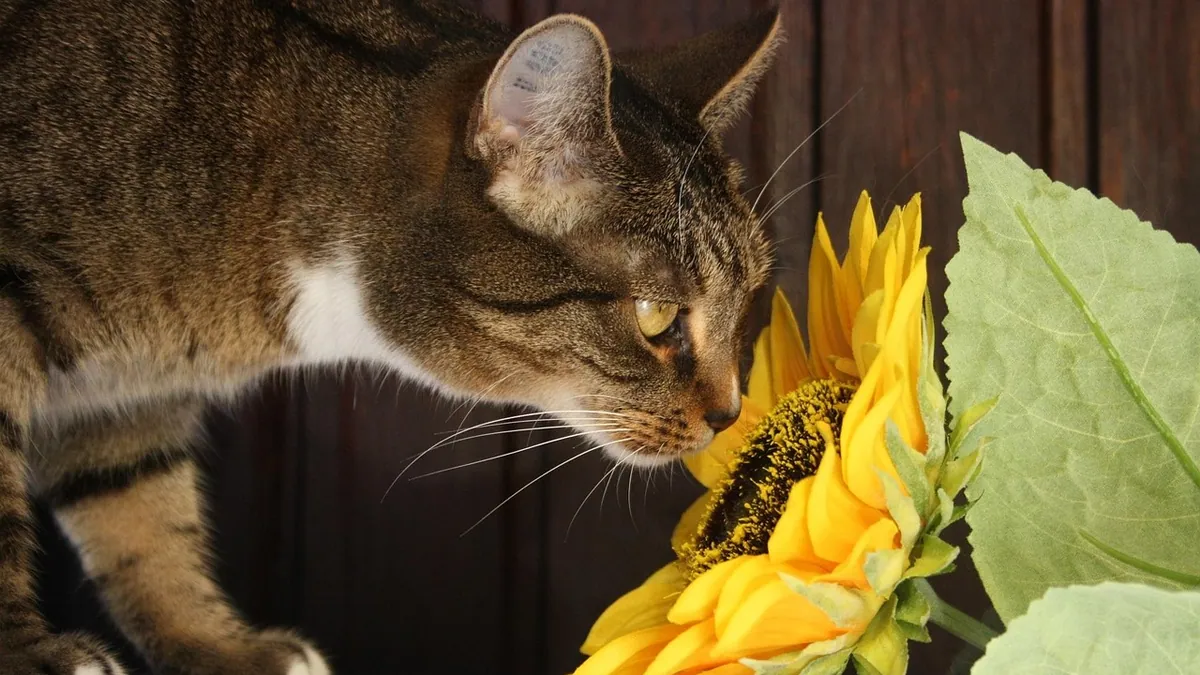
A pinch of dried oregano sprinkled on your cat's food is not dangerous, but concentrated oregano oil and essential oils can be toxic to cats. The difference comes down to form and dose. Cats lack the liver enzymes needed to break down the phenolic compounds in concentrated plant oils, so what is a harmless kitchen herb can become a real poison in a dropper bottle.
This article is educational and is not a substitute for veterinary diagnosis or treatment.
Quick Answer
- Dried or fresh oregano leaves in tiny culinary amounts are generally harmless to adult cats, though they offer no nutritional benefit.
- Oregano essential oil and oregano oil supplements are dangerous for cats and should never be given.
- The ASPCA lists the oregano plant as toxic to cats, with gastrointestinal irritants as the toxic principle and mild vomiting and diarrhea as expected signs [1].
- Cats are far more sensitive to essential oils than dogs. The safe concentration of oregano essential oil in complete feed is 106 mg/kg for dogs but only 18 mg/kg for cats [2].
- If your cat licked a small amount of dried oregano off a plate, watch for stomach upset. If it ingested oregano oil, call poison control or your vet right away.
Can Cats Eat Oregano? The Short Answer
Oregano sits in an odd middle ground. The plant itself is listed as toxic to cats by the ASPCA, with mild vomiting and diarrhea as the expected clinical signs [1]. At the same time, a stray leaf or a dusting of dried spice on a bite of food is unlikely to cause more than a passing upset stomach in most cats.
The real danger is concentration. A fresh oregano leaf contains a small amount of volatile oils. A bottle of oregano essential oil contains those same compounds at hundreds of times the strength. That gap is why two products with the same name carry very different risks.
Can Cats Eat Oregano Leaves?
A single leaf is not a poisoning emergency. Your cat might drool, spit it out, or vomit once. Oregano leaves are not a food source for cats and provide no nutritional value. Cats are obligate carnivores, meaning they need nutrients from animal tissue, not herbs.
If your cat nibbles a leaf off a windowsill plant, wipe its mouth and offer water. Watch for vomiting or diarrhea over the next few hours. Those signs match what the ASPCA lists for oregano plant exposure [1].
Can Cats Eat Oregano Plant?
The oregano plant, including Greek oregano (Origanum vulgare hirtum), is listed as toxic to cats [1]. That does not mean a single bite is fatal. It means the plant can irritate the stomach and intestines and cause mild vomiting and diarrhea [1].
Some cats chew houseplants out of boredom. If yours does, move the oregano pot out of reach. If you want a cat-safe herb garden, ask your veterinarian for a list of nontoxic plants for your home.
Can Cats Eat Oregano Spice?
Dried oregano from your spice rack is usually just dried leaves. In a pinch-sized amount, it is unlikely to harm an adult cat. The bigger concern is what the spice is mixed into.
Taco seasoning, pasta sauce, and seasoned meat often contain garlic, onion, salt, and sometimes xylitol. Garlic and onion damage red blood cells in cats. Salt can cause dehydration and sodium poisoning in large amounts. Xylitol, a sugar alcohol used in some human foods, can cause dangerous hypoglycemia in pets. Plain dried oregano is the least of the worries in a seasoned dish.
Can Kittens Eat Oregano?
Kittens should not eat oregano in any form. Their bodies are smaller, their livers are less developed, and their tolerance for plant compounds is lower than an adult cat's. A dose that causes mild diarrhea in an adult could cause serious dehydration in a kitten.
If a kitten ate oregano, call your veterinarian. Do not wait for symptoms. Kittens can decline quickly.
Oregano Oil and Essential Oil: The Real Danger
Oregano essential oil is not a food. It is a concentrated extract used in manufacturing, cleaning products, and some supplements. The main active compound is carvacrol, which makes up about 78% of the oil in Origanum vulgare ssp. hirtum [2].
Cats cannot metabolize phenols and related compounds efficiently. Their livers lack certain glucuronyl transferase enzymes, so these chemicals stay in the body longer and at higher levels. That is why the calculated maximum safe concentration of oregano essential oil in complete feed is 18 mg/kg for cats, compared with 106 mg/kg for dogs [2]. Cats are roughly six times more sensitive by that measure.
What About Oregano Oil in Pet Food?
Oregano essential oil does appear in some commercial pet products, usually blended with other ingredients at very low levels. A study in dogs fed a blend of yeast cell wall and oregano essential oil found reduced food intake and, at the higher inclusion level, reduced digestibility of dry matter [3]. That study was in dogs, not cats, and the oil was part of a formulated diet, not a supplement you would add at home.
The takeaway for owners is simple. Do not add oregano oil to your cat's food. Do not give oregano oil capsules. Do not rub oregano oil on your cat's skin.
Why Essential Oils Are Risky for Cats
Essential oils can enter a cat's body through the mouth, the skin, and the lungs. Cats groom themselves constantly, so anything on the coat ends up in the stomach. Diffusers and topical products add inhalation and skin exposure.
Signs of essential oil toxicity in cats include vomiting, drooling, wobbliness, low energy, and tremors. Severe cases can involve liver damage or breathing trouble. If you use a diffuser, keep the door open and give your cat a way to leave the room.
Form-by-Form Safety Table
| Form | Safe? | Notes |
|---|---|---|
| Fresh oregano leaf | Small amount only | Not nutritious. Can cause mild vomiting or diarrhea [1]. |
| Dried oregano spice | Small amount only | Check for garlic, onion, salt, or xylitol in the mix. |
| Oregano plant | No | Listed as toxic to cats [1]. Keep out of reach. |
| Oregano essential oil | No | Cats tolerate far less than dogs [2]. Never apply or feed. |
| Oregano oil capsules | No | Concentrated dose. Do not give to cats. |
| Oregano in pet food | Depends on product | Only if formulated for cats. Do not add your own. |
| Oregano tea or infusion | No | Concentrated plant compounds. Not for cats. |
Does Oregano Have Any Benefit for Cats?
You may have read that oregano has antibacterial or antifungal properties. Some of that research exists, but it does not translate into a home remedy for cats.
One study looked at oregano extracts and essential oil against dermatophyte fungi, including strains resistant to itraconazole, from cats, dogs, cattle, and humans [4]. The oil showed activity against all isolates in the lab. That is a laboratory finding, not a treatment protocol. It does not tell you what dose is safe for a cat, how to apply it, or whether it works in a living animal.
Another study examined oregano essential oil as a feed additive to reduce Salmonella in broiler chickens [5]. Again, this is agricultural research, not feline medicine.
No source supports giving oregano to cats for any health reason. If your cat has a skin infection, digestive issue, or parasite problem, your veterinarian has safer, proven treatments.
Risks of Feeding Oregano to Cats
Gastrointestinal Upset
The ASPCA lists mild vomiting and diarrhea as the expected signs of oregano plant exposure in cats [1]. A sensitive cat may react to even a small amount of the spice.
Choking and Blockage
Dried oregano is fine and powdery, so choking is unlikely. Fresh stems and large leaf clumps are a different story. A cat that swallows a stem can choke or develop an intestinal blockage. Stringy plant material can also wrap around the base of the tongue.
Hidden Additives
This is where most real poisonings happen. Oregano shows up in seasoned dishes, salad dressings, and supplements that also contain garlic, onion, salt, or xylitol. Garlic and onion cause oxidative damage to red blood cells. Salt causes sodium toxicity. Xylitol causes hypoglycemia. The oregano is not the problem. The company it keeps is.
Essential Oil Toxicity
Concentrated oregano oil can cause oral burns, vomiting, drooling, weakness, and liver injury. Cats are especially vulnerable because they clear these compounds slowly. Never use oregano oil on a cat's skin, even diluted.
Skin and Eye Irritation
If your cat walks through spilled oregano oil or you apply it topically, the oil can irritate the skin and eyes. Cats that lick it off ingest it. Wash the area with mild soap and water and call your vet.
How to Offer Oregano Safely (If You Really Want To)
Most cats do not like the taste of oregano. If yours is curious, you can offer one small piece of a fresh leaf or a tiny pinch of plain dried oregano with no other ingredients. Place it on a plate, not in your cat's regular food.
Do not mix oregano into your cat's meal. Cats can develop food aversions quickly, and a bad experience with a seasoned meal may make them refuse their regular food.
Avoid these forms completely:
- Oregano essential oil, undiluted or diluted
- Oregano oil capsules or softgels
- Oregano tea, tinctures, or infusions
- Oregano-containing supplements marketed for people
- Seasoned blends with garlic, onion, salt, or xylitol
- Topical oregano products
If you want to give your cat a safe treat, plain cooked meat or a commercial cat treat is a better choice. For more on safe people foods, see Can Cats Eat Eggs and Can Cats Eat Tuna In Oil.
What to Do If Your Cat Ate Oregano
Ate a Leaf or a Pinch of Dried Spice
Remove the rest of the oregano. Offer fresh water. Watch for vomiting, diarrhea, drooling, or loss of appetite over the next 12 to 24 hours. If your cat is an adult and acting normal, you can usually monitor at home and call your vet if signs appear.
Ate Oregano Oil or Essential Oil
Treat this as an emergency. Call your veterinarian or a pet poison control hotline immediately. Do not induce vomiting unless a veterinarian tells you to. Bring the bottle or label with you so the vet knows the concentration and ingredients.
Ate a Seasoned Dish With Garlic, Onion, or Xylitol
Call your veterinarian or poison control right away, even if your cat seems fine. Garlic and onion toxicity can take a day or more to show up. Xylitol can cause a rapid drop in blood sugar. Early treatment matters.
Ate the Oregano Plant
If your cat chewed a few leaves, expect possible mild vomiting or diarrhea [1]. If it ate a large amount of the plant or the stems, call your vet. Watch for repeated vomiting, lethargy, or refusal to eat.
Safer Alternatives for Cats
If you want to give your cat a plant-based treat or enrichment, choose options with a better safety record.
Catnip is a well-known option. It contains nepetalactone, which many cats find stimulating or calming. Learn more in Can Cats Eat Catnip? Nepetalactone and Safe Use Guide.
Valerian root is another plant some cats respond to. It can have a sedative effect, and dosing matters. See Can Cats Eat Valerian Root? Sedative Effect and Dosing.
For treats, plain cooked meat without seasoning is a safer choice than any herb. If you are considering tuna or oil-based foods, read Can Cats Eat Tuna And Vegetable Oil first.
Limitations and When to Contact a Veterinarian
This article covers general information. Your cat's age, weight, health conditions, and medications change the picture. Individual cases need a veterinarian who can examine your cat and take a full history.
Call your veterinarian the same day if your cat:
- Vomited more than once after eating oregano
- Has diarrhea that lasts more than a few hours
- Is drooling, pawing at the mouth, or refusing food
- Ate a seasoned dish containing garlic, onion, salt, or xylitol
- Ate oregano essential oil or any concentrated oil product
Go to an emergency clinic now if your cat:
- Is weak, wobbly, or collapsing
- Has tremors, seizures, or trouble breathing
- Has a swollen tongue, face, or throat
- Is vomiting repeatedly and cannot keep water down
- Is a kitten with any of the above signs
If you are unsure whether your cat ate something dangerous, call your veterinarian or a pet poison control hotline. Have the product label, the amount eaten, and your cat's weight ready. Do not wait for symptoms to decide.
Frequently Asked Questions
Can cats eat oregano leaves without getting sick?
Most adult cats can eat one small leaf without serious problems, but mild vomiting or diarrhea is possible. The ASPCA lists oregano as toxic to cats, with gastrointestinal irritation as the main concern [1]. If your cat eats a leaf and seems fine, monitor for a day.
Is oregano oil toxic to cats?
Yes, oregano oil and oregano essential oil are dangerous for cats. Cats clear the phenolic compounds in these oils much more slowly than dogs do, and the safe feed concentration for cats is far lower than for dogs [2]. Never give oregano oil to a cat in any form.
Can kittens eat oregano?
No, kittens should not eat oregano. Their smaller size and immature liver function make them more vulnerable to plant compounds. If a kitten ate oregano, call your veterinarian instead of waiting for signs to appear.
What should I do if my cat ate oregano spice?
If it was a plain pinch of dried oregano, remove the rest and watch for vomiting or diarrhea. If the spice was part of a seasoned dish, check the ingredients for garlic, onion, salt, or xylitol and call your vet if any are present. Bring the label if you go in.
Does oregano repel fleas or ticks on cats?
No evidence in these sources supports using oregano for flea or tick control on cats. Oregano essential oil is not a safe topical product for cats, and applying it can cause skin irritation and poisoning if your cat licks it off. Ask your veterinarian for cat-safe parasite prevention instead.
Related Articles
- Can Cats Eat Tuna And Vegetable Oil
- Can Cats Eat Eggs
- Can Cats Eat Tuna In Oil
- Can Cats Eat Valerian Root? Sedative Effect and Dosing
- Can Cats Eat Catnip? Nepetalactone and Safe Use Guide
- Can Cats Eat Cheese
- Can Cats Eat Peppermint? Leaves, Candy and Oils
- Can Cats Eat Rosemary and Basil? Safety and Risks
- Can Cats Eat Ginger? Root, Leaves, and Garlic Risks
References
- Toxic and Non-toxic Plants: Oregano. ASPCA Animal Poison Control Center.
- Safety and efficacy of an essential oil from Origanum vulgare ssp. hirtum (Link) Ietsw. for all animal species. EFSA journal. European Food Safety Authority, 2019.
- Digestibility and Palatability of the Diet and Intestinal Functionality of Dogs Fed a Blend of Yeast Cell Wall and Oregano Essential Oil. Animals : an open access journal from MDPI, 2023.
- Are polar extracts and essential oil from Origanum vulgare Linn. (oregano) an alternative against itraconazole-resistant dermatophytes from veterinary cases?. Journal de mycologie medicale, 2023.
- Oregano essential oil: a pre-harvest tool to reduce Salmonella enterica serovar Enteritidis in market-age broilers. Poultry science, 2026.