Can Cats Eat Pecans or Walnuts? Nut Safety
By Dr. Zubair Khalid, DVM, MS, PhD ·
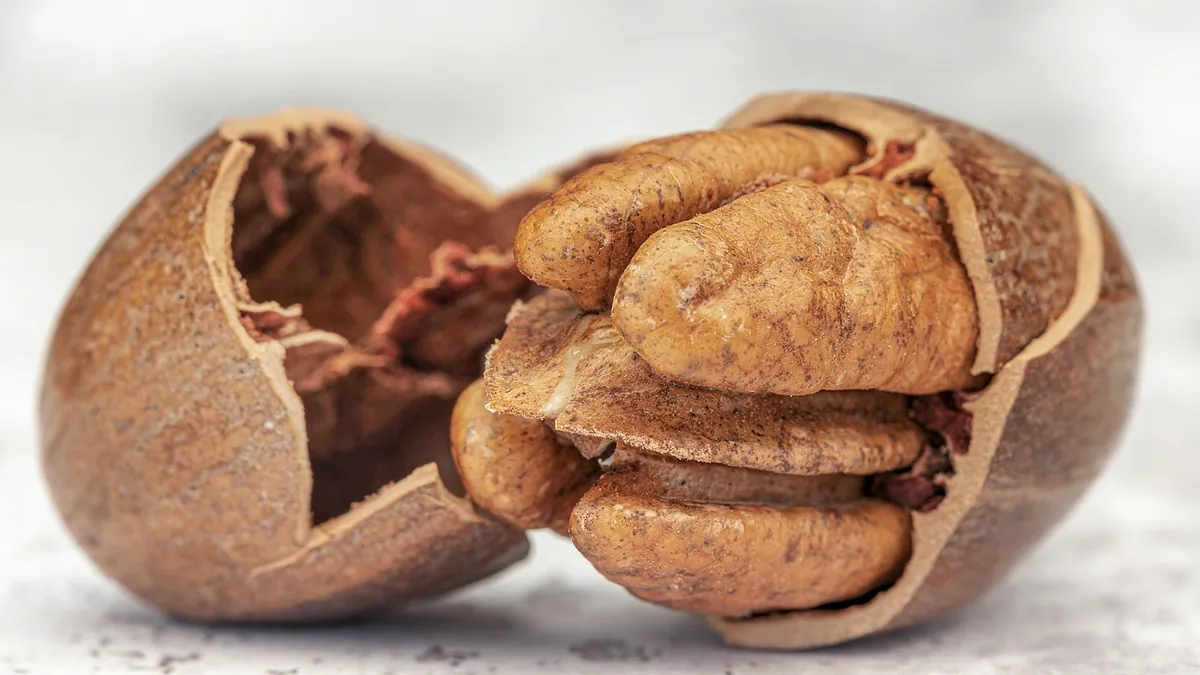
Can cats eat pecans safely? In small amounts, a plain pecan is not toxic to cats, but it is not a healthy treat and it can cause stomach upset. Walnuts are similar, with one extra concern: moldy walnuts can carry a toxin that affects the nervous system. Nuts should stay out of your cat's bowl.
This article is educational and is not a substitute for veterinary diagnosis or treatment.
Quick Answer
- A plain, unsalted pecan or walnut is not classically poisonous to cats, but it offers no nutritional benefit and can cause vomiting or diarrhea.
- Never feed nuts that are moldy, salted, sugared, coated in chocolate, or mixed into baked goods.
- Walnuts are the bigger concern because mold on them can produce tremorgenic toxins that cause tremors and wobbliness.
- A single small piece is unlikely to harm an adult cat, but kittens, seniors, and cats with health problems should get none.
- If your cat ate a large amount, a chocolate-covered nut, or anything containing xylitol, call your veterinarian or a pet poison hotline right away.
Can Cats Eat Pecans Safely? The Short Answer
Pecans are not on the list of foods that are classically toxic to cats. That means a cat who sneaks one plain pecan off the floor is usually fine. The bigger issue is that pecans are high in fat and calories, and a cat's digestive system is built for meat, not nuts.
Cats are obligate carnivores. They need animal-based protein and specific nutrients that plant foods do not provide in the right form. Nuts do not fill any nutritional gap in a cat's diet, and they can crowd out the balanced commercial food your cat actually needs.
So the honest verdict is this: a plain pecan is not poison, but it is also not a treat. If you want to give your cat something special, a small piece of cooked plain chicken or a commercial cat treat is a better choice.
Do Cats Eat Pecans on Their Own?
Most cats ignore nuts. The smell and texture are not appealing to them, and they lack the sweet tooth that drives dogs to raid the pantry. Some cats will bat a pecan around like a toy, and a few will chew it out of curiosity.
If your cat does eat a pecan, it is usually because it was left on a counter, dropped on the floor, or baked into something. That last part matters, because pecan pie, pecan bread, and candied pecans contain far more than just the nut.
Can Cats Eat Pecans Raw?
Raw, plain, unsalted pecans are the least risky form, but "least risky" is not the same as "good for your cat." Raw nuts can still be a choking hazard and can cause stomach upset. Raw or roasted does not change the basic verdict: keep them out of your cat's diet.
Can Cats Eat Walnuts or Pecans? Comparing the Two
Both nuts are non-toxic in their plain form, but walnuts carry an extra risk that pecans do not. Walnuts are prone to mold growth, especially if they are old, stored in damp conditions, or cracked open and left out. That mold can produce tremorgenic mycotoxins, compounds that cause tremors, wobbliness, and in serious cases seizures.
This is the same family of mold toxins that veterinarians warn about with moldy garbage and compost. A single fresh walnut is unlikely to cause a problem, but a moldy one is a genuine emergency. If you are not certain the walnut was fresh, do not let your cat near it.
Pecans can also grow mold, but the tremorgenic risk is more strongly associated with walnuts. Either way, the rule is simple: if a nut looks or smells off, throw it away where your cat cannot reach it.
Can Kittens Eat Pecans?
Kittens should not eat pecans or any other nut. Their digestive systems are still developing, and their bodies are small, so even a tiny amount of a high-fat food can cause diarrhea or vomiting. A kitten who eats a nut should be watched closely, and you should call your veterinarian if any symptoms appear.
Research on fiber blends that include ground pecan shells has shown benefits for gastrointestinal health in kittens, including support for normal fecal parameters during growth [1]. That is a very different situation from feeding a whole nut. The pecan shell fiber in that study was processed into a measured blend, not handed to a kitten as a snack.
Nutritional Content and Whether Nuts Help Cats at All
Pecans and walnuts are mostly fat. They also contain some protein, fiber, and plant compounds, but none of that is designed for a cat's nutritional needs. A cat's diet should be complete and balanced, and nuts are not part of that picture.
There is one interesting research angle. A fiber bundle that included pecan shells, flax seed, and powders of cranberry, citrus, and beet was fed to healthy adult cats at 0%, 1%, 2%, or 4% of the diet for 31 days. Cats that ate the 4% level had lower levels of ammonium and fecal branched-chain fatty acids compared with the other groups, and all levels increased beneficial polyphenol metabolites [2]. That study looked at a manufactured fiber ingredient, not whole pecans, and it does not mean you should feed your cat nuts.
If you are curious about how other plant foods fit into a cat's diet, our articles on Can Cats Eat Peas? Fiber & Commercial Cat Food and Can Cats Eat Oatmeal? Sensitive Stomach Digestibility cover similar questions.
Risks of Feeding Pecans and Walnuts to Cats
The risks fall into a few clear groups. Knowing them helps you decide how urgent a situation is.
Choking and Blockage
Nuts are hard and small, which makes them a choking hazard. A cat who swallows a whole nut can get it stuck in the throat. Larger pieces can also cause a blockage in the stomach or intestine, which may require surgery. Signs of a blockage include repeated vomiting, drooling, refusing food, and a painful belly.
Stomach Upset and Pancreatitis
High-fat foods are a common trigger for vomiting and diarrhea in cats. In some cats, a fatty meal can set off pancreatitis, a painful inflammation of the pancreas. Cats with a history of pancreatitis or digestive problems are at higher risk.
Mold and Tremorgenic Toxins
Moldy nuts are the most dangerous form. Tremorgenic mycotoxins cause fine tremors that can progress to whole-body shaking, unsteady walking, and seizures. This is a same-day emergency, not a wait-and-see situation.
Additives That Are Far Worse Than the Nut
The nut itself is rarely the problem. The coating usually is.
- Chocolate: contains theobromine and caffeine, both of which are toxic to cats.
- Xylitol: a well-known dog poison that causes dangerous low blood sugar and liver failure in dogs. A controlled study in cats did not find the same effects, so it is not considered highly toxic to cats. Even so, sugar-free products do not belong in a cat's diet.
- Salt: large amounts can cause sodium poisoning, with vomiting, tremors, and seizures.
- Garlic and onion powders: damage red blood cells and can cause anemia.
- Raisins and currants: linked to kidney injury in pets.
- Macadamia nuts: cause weakness and tremors, mostly reported in dogs.
If your cat ate a nut from a trail mix, cookie, or candy, assume the coating is the real problem and call for advice.
A Note on Food Allergy
Tree nut allergy is a serious issue in people, and peanuts and tree nuts are among the most common triggers of severe allergic reactions in humans [3]. Food allergy in cats is usually directed at proteins like chicken, beef, or fish, and nut allergy in cats is not well established in veterinary research. If your cat has ever reacted to a food, talk to your veterinarian before offering anything new.
How to Offer Nuts Safely (and What to Avoid)
The safest approach is not to offer nuts at all. If you still want to let your cat taste a tiny piece, follow these rules.
- Choose plain, raw or dry-roasted, unsalted nuts only.
- Break it into a piece no bigger than a pencil eraser.
- Offer it once, then watch your cat for 24 hours.
- Never feed more than one small piece, and never make it a habit.
- Skip nuts entirely for kittens, senior cats, and cats with pancreatitis, kidney disease, diabetes, or obesity.
Forms and Preparations to Avoid
| Form | Safe? | Notes |
|---|---|---|
| Plain raw pecan | Not recommended | Not toxic, but high fat and a choking risk |
| Plain raw walnut | Not recommended | Mold risk raises the danger level |
| Salted nuts | No | Sodium poisoning risk |
| Chocolate-covered nuts | No | Chocolate is toxic to cats |
| Sugar-free nuts with xylitol | No | Xylitol is a known dog poison and does not belong in cat food |
| Pecan pie or pecan bread | No | Sugar, butter, eggs, and possible raisins or chocolate |
| Nut butters | No | High fat, often salted or sweetened, and can contain xylitol |
| Moldy nuts | No, emergency | Tremorgenic toxin risk |
Can Cats Eat Pecan Bread?
No. Pecan bread is a baked good, not a nut. It usually contains butter, sugar, eggs, and sometimes raisins or chocolate. Butter is high in fat and can cause digestive upset in cats, which we cover in Can Cats Eat Butter? Fat Content and Lactose. Raisins are linked to kidney injury. The pecan is the least of the concerns in that slice.
What to Do If Your Cat Ate Too Much or a Dangerous Form
Act based on what your cat ate, not just how much.
- Ate one plain pecan or walnut: watch for vomiting, diarrhea, drooling, or wobbliness for 24 hours. Call your veterinarian if anything appears.
- Ate a moldy nut: treat it as an emergency. Call your veterinarian or a pet poison hotline now. Tremors can start within hours.
- Ate a chocolate-covered nut: call right away. Your veterinarian will calculate whether the amount is dangerous based on your cat's weight and the type of chocolate.
- Ate a sugar-free nut or candy: call right away. Xylitol is a serious poison in dogs, and even though cats appear less sensitive, your veterinarian should decide whether treatment is needed.
- Ate a large handful: call your veterinarian. A large fatty meal can trigger pancreatitis, and a large volume of nuts can cause a blockage.
- Showing tremors, seizures, collapse, or trouble breathing: go to an emergency clinic immediately.
Do not try to make your cat vomit at home. Never give hydrogen peroxide or any home remedy. Your veterinarian will decide if vomiting should be induced and will calculate any medication dose from your cat's weight and health.
Safer Alternatives to Nuts
If you want to give your cat a treat, stick with options designed for cats.
- Commercial cat treats that meet AAFCO nutrient profiles.
- A small piece of plain, cooked, unseasoned chicken or turkey.
- A teaspoon of plain cooked pumpkin or a commercial hairball gel.
- A small piece of freeze-dried meat treat made for cats.
- A new toy or a few minutes of play, which many cats value more than food.
If you are comparing plant-based extras, our article on Can Cats Eat Almond Milk? Xylitol and Nut Concerns explains why nut-based products are usually a poor fit for cats.
Limitations and When to Contact a Veterinarian
This article covers general information, not your cat's specific situation. Individual cases need a veterinarian who can examine your cat, ask about weight and health history, and decide on treatment.
Contact your veterinarian the same day if your cat ate a moldy nut, a chocolate-covered nut, a sugar-free product, or a large amount of nuts, even if your cat seems fine right now.
Go to an emergency clinic now if you see tremors, shaking, unsteady walking, seizures, collapse, difficulty breathing, repeated vomiting, or a swollen, painful belly.
Schedule a routine visit if your cat has mild vomiting or diarrhea that lasts more than a day, or if your cat stops eating. Bring the packaging or a photo of what your cat ate, if you have it. That helps your veterinarian assess the risk quickly.
Frequently Asked Questions
Are pecans poisonous to cats?
No, plain pecans are not classically poisonous to cats. The real dangers come from mold, salt, chocolate coatings, and the high fat content, which can cause stomach upset or pancreatitis.
Can my cat eat a walnut without getting sick?
A single fresh walnut is unlikely to cause serious harm, but walnuts are prone to mold that can produce tremorgenic toxins. If you are not sure the walnut was fresh, keep it away from your cat and call your veterinarian if it was eaten.
What happens if a cat eats chocolate-covered pecans?
Chocolate is toxic to cats because of theobromine and caffeine. Call your veterinarian or a pet poison hotline right away, and have the package ready so they can estimate the dose.
Should I feed my cat nuts for the fiber?
No. The fiber research in cats used a processed blend that included ground pecan shells, not whole nuts. Your cat gets all the fiber it needs from a complete and balanced cat food.
How long after eating a bad nut would symptoms show?
Tremors from mold toxins can appear within a few hours, while stomach upset often shows up within 24 hours. If your cat ate a moldy nut or a chocolate-coated one, do not wait for symptoms before calling for advice.
Related Articles
- Can Cats Eat Almond Milk? Xylitol and Nut Concerns
- Can Cats Eat Peas? Fiber & Commercial Cat Food
- Can Cats Eat Peas? Fiber and Lectin Content
- Can Cats Eat Butter? Fat Content and Lactose
- Can Cats Eat Oatmeal? Sensitive Stomach Digestibility
- Can Cats Eat Crab? Shell Hazards and Sodium
- Can Cats Eat Nuts? Almonds, Walnuts and Peanuts Explained
- Can Cats Eat Cashews or Almonds? Nut Safety
- Is Walnut Toxic to Cats? Black Walnut and Mold Risk
References
- Food supplemented with a novel fiber blend containing soluble and insoluble fiber supported growth and fecal parameters indicative of gastrointestinal health in kittens. Journal of animal science, 2025.
- Feeding Fiber-Bound Polyphenol Ingredients at Different Levels Modulates Colonic Postbiotics to Improve Gut Health in Cats. Animals : an open access journal from MDPI, 2022.
- Tolerance induction through non-avoidance to prevent persistent food allergy (TINA) in children and adults with peanut or tree nut allergy: rationale, study design and methods of a randomized controlled trial and observational cohort study. Trials, 2022.