Is Walnut Toxic to Cats? Black Walnut and Mold Risk
By Dr. Zubair Khalid, DVM, MS, PhD ·
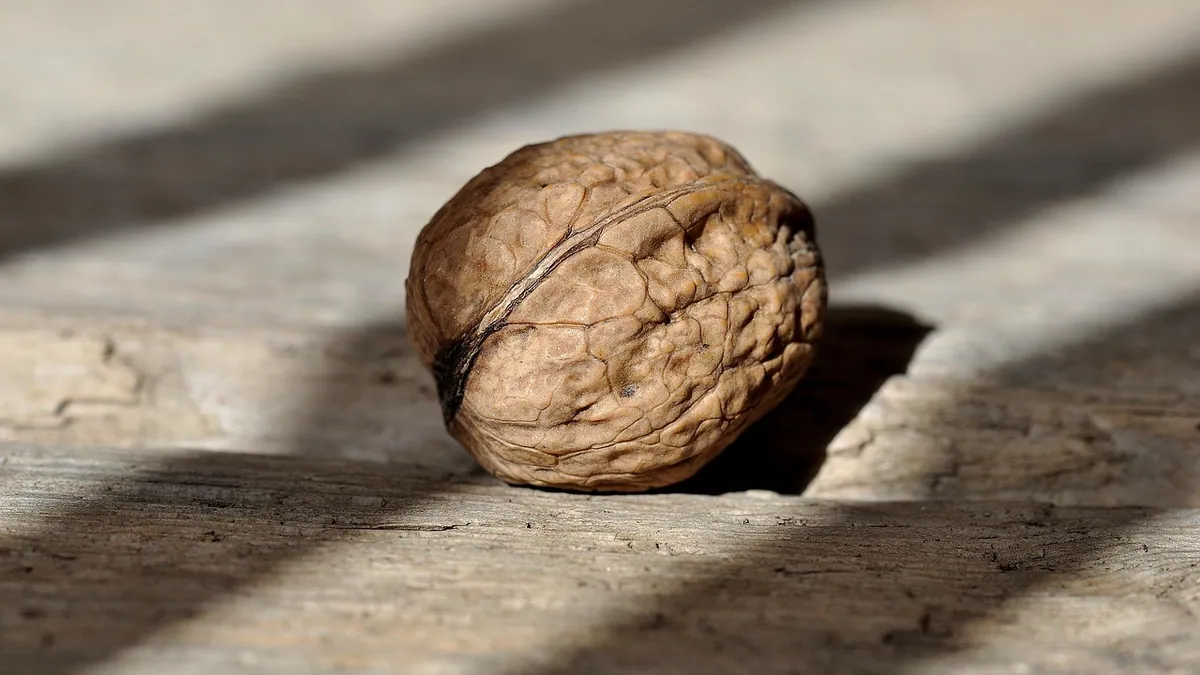
Is walnut toxic to cats? The short answer is no for the plain nut itself. The ASPCA lists black walnut (Juglans nigra) as non-toxic to cats, though it is listed as toxic to dogs and horses [1]. The real dangers for cats are moldy nuts and hulls, plus the physical risk of eating wood, shells, or mulch.
This article is educational and is not a substitute for veterinary diagnosis or treatment.
Quick Answer
- Plain walnut meat is not listed as toxic to cats, but it is not a safe treat. Nuts are high in fat and can cause stomach upset or pancreatitis.
- Moldy black walnuts and hulls are the main concern. Mold growing on fallen nuts can produce tremorgenic mycotoxins, which cause tremors, wobbliness, and seizures [1][2].
- Black walnut wood, shavings, and mulch are not listed as cat toxins, but eating them can block the gut or irritate the mouth and stomach.
- If your cat ate moldy nuts, compost, or outdoor mulch, call your veterinarian or the ASPCA Animal Poison Control Center at (888) 426-4435 right away. Do not wait for symptoms.
- Never induce vomiting unless a veterinarian tells you to.
Is Walnut Toxic to Cats? What the Evidence Says
The ASPCA Animal Poison Control Center lists black walnut as non-toxic to cats [1]. That listing covers the plant itself. It does not mean a cat can safely eat any part of a walnut tree or any walnut product.
The same ASPCA record lists black walnut as toxic to dogs and horses [1]. For dogs, the concern is moldy nuts and hulls, which can cause tremors and seizures, and ingestion of shavings, which can cause incoordination [1]. Horses can develop laminitis and colic [1].
Cats are a different species with different metabolism. The toxic principle in black walnut is listed as unknown [1]. Because the ASPCA does not flag cats as toxic, most veterinary toxicologists treat plain walnut exposure in cats as a low-risk event. The bigger risks come from mold and from foreign material in the gut.
If you are sorting out which plants in your home or yard are safe, our guide to plants toxic to cats covers the common ones.
Are Black Walnut Trees Toxic to Cats?
The tree itself is not listed as toxic to cats [1]. Fallen nuts, hulls, leaves, and branches are the parts cats actually contact.
The risk from a black walnut tree is indirect. Fallen nuts rot and grow mold. A cat that bats at, licks, or eats a moldy nut or hull can swallow mycotoxins. The ASPCA specifically ties moldy black walnut nuts and hulls to tremors and seizures in dogs [1], and the same mold hazard applies to any animal that eats spoiled nuts.
Leaves are not listed as toxic to cats [1]. A cat that chews a leaf may drool or vomit from the taste and texture, but that is irritation, not poisoning.
Is Black Walnut Wood Toxic to Cats?
Black walnut wood is not listed as toxic to cats [1]. The ASPCA record mentions shavings causing incoordination in dogs, not cats [1]. For cats, the practical concern is mechanical.
Kittens and bored cats chew on furniture, baseboards, and wood scraps. Swallowed splinters can pierce the mouth, throat, or gut. Larger pieces can cause a blockage. Walnut is a hard wood, so splinters tend to be sharp.
Walnut sawdust and shavings can also irritate eyes and airways. If you keep a cat in a workshop or garage, clean up shavings and keep the cat out of the area.
Is Black Walnut Extract Toxic to Cats?
Black walnut extract is sold as a supplement and as a natural wormer. There is no reliable safety data for cats, and the ASPCA listing does not cover extracts or tinctures [1].
Supplements often contain alcohol, glycerin, or other carriers. Some herbal products also contain compounds that cats cannot metabolize well. Cats have limited ability to process many plant chemicals and drugs compared with dogs. A case report of a Maine Coon cat with a P-glycoprotein gene variant showed severe neurotoxicity after a routine parasite product, which shows how differently individual cats can handle the same substance [3].
Do not give your cat black walnut extract, and do not use it as a dewormer. If your cat needs parasite treatment, your veterinarian can prescribe a product that is tested and dosed for cats.
Are Black Walnut Leaves Toxic to Cats?
Black walnut leaves are not listed as toxic to cats [1]. The bigger issue is what is on the leaves.
Leaves that sit on damp ground collect mold, bacteria, and pesticide residue. A cat that walks through them and then grooms can swallow those contaminants. Fallen leaves also hide slugs, which can carry parasites.
Rake and bag black walnut leaves if your cat spends time in the yard. Keep compost piles fenced off, since compost is a known source of tremorgenic mycotoxins [2].
The Toxic Principle and What It Does in the Body
The toxic principle in black walnut is listed as unknown [1]. That means the plant record does not identify a single chemical that causes the reported signs in dogs and horses.
The better understood hazard is mold. When nuts, hulls, or compost grow certain molds, they can produce tremorgenic mycotoxins. A case report of a dog with sudden whole-body seizures found paxilline, penitrem A, and roquefortine C in the vomit and in compost the dog had eaten [2]. These toxins overstimulate the nervous system, which produces tremors, wobbliness, and seizures.
Mycotoxins are a real concern in pet food as well. A screening of commercial dog and cat foods found that feline immune cells were more sensitive than canine cells to certain mycotoxins, especially deoxynivalenol and zearalenone [4]. That finding is about cells in a lab, not about cats eating walnuts, but it supports taking mold exposure seriously in cats.
For wood and shells, the harm is physical. Foreign material in the stomach can cause vomiting, loss of appetite, and pain. If it moves into the intestine, it can block the gut. A blockage is a surgical emergency.
Signs to Watch For and Typical Timeline
Signs depend on what your cat ate.
Moldy nuts, hulls, or compost
- Tremors or shaking
- Wobbling, staggering, or trouble walking
- Drooling, vomiting
- Twitching, stiffness, or a seizure
- Confusion or unusual behavior
In the reported dog case, seizures started within hours of eating compost and the dog recovered fully within 24 hours of intensive care [2]. Timing varies with how much was eaten and how much toxin was in the material.
Wood, shells, or mulch
- Vomiting, especially repeated vomiting
- Drooling or pawing at the mouth
- Not eating
- Diarrhea or no stool
- Lethargy or hiding
- Pain when the belly is touched
Plain walnut meat
- Mild stomach upset
- Soft stool
- Vomiting if a large amount was eaten
Fatty foods can trigger pancreatitis in cats. Signs include vomiting, belly pain, and lethargy, and they may start a day or two after the meal.
What to Do Right Now
If you saw your cat eat moldy walnuts, compost, or a large amount of wood or shells, act right away.
- Move your cat away from the material and pick up anything left in the mouth.
- Call your veterinarian, the ASPCA Animal Poison Control Center at (888) 426-4435, or Pet Poison Helpline at (855) 764-7661.
- Tell them what your cat ate, how much, and when.
- Do not induce vomiting unless a veterinarian tells you to. Making a cat vomit can cause choking, aspiration, or damage if the material is sharp.
- Save a sample of the nut, hull, or mulch for identification.
- Watch for tremors, wobbling, or seizures. If a seizure lasts more than a minute or repeats, go to an emergency clinic now.
If your cat only sniffed a walnut or chewed a leaf and seems normal, call your veterinarian for advice. They may tell you to monitor at home.
How Veterinarians Treat Walnut and Mold Exposure
Treatment depends on the exposure.
For recent moldy nut ingestion, a veterinarian may decontaminate if it is safe and early enough. In the reported dog case, the dog was decontaminated and given supportive care, and recovered within 24 hours [2]. Supportive care can include intravenous fluids, anti-nausea drugs, and medications to control tremors or seizures.
For wood or shell ingestion, your veterinarian will examine the mouth and belly. X-rays or ultrasound can show where the material is and whether the gut is blocked. Some objects pass on their own with fluids and monitoring. Others need surgery.
For suspected pancreatitis from fatty food, treatment usually means fluids, pain control, anti-nausea medication, and a low-fat diet once eating resumes.
Blood work helps assess organ function and hydration. If your cat is having tremors or seizures, your veterinarian may give medication to stop them and keep your cat hospitalized for observation.
Outlook
The outlook is good for most cats that eat a small amount of plain walnut. Stomach upset usually settles with supportive care.
Mold toxin exposure has a good outlook when treatment starts early. The dog in the reported case recovered fully within 24 hours of intensive care [2]. Delays raise the risk of prolonged seizures and brain injury.
Wood and shell ingestion has a good outlook if the material passes or is removed before the gut is damaged. A blockage that is treated late has a much higher risk of complications.
Cats with underlying heart, kidney, or pancreatic disease may have a harder time recovering from any of these events.
Prevention and Safer Alternatives
Keep walnuts and walnut products out of your cat's reach.
- Pick up fallen black walnuts daily during the season. Do not leave them in piles.
- Bag and discard moldy nuts and hulls. Do not add them to compost your cat can reach.
- Fence off compost piles. Compost is a known source of tremorgenic mycotoxins [2].
- Store walnuts, walnut oil, and walnut baked goods in sealed containers in closed cabinets.
- Skip walnut shells as a craft or decor item if you have a cat that chews.
- Choose cat-safe chew toys instead of wood scraps.
- Keep your cat out of the workshop when you cut or sand walnut.
- Do not give black walnut extract or any herbal wormer to your cat.
For safe plant choices, see our guides to house plants toxic to cat and what plants are toxic to cats indoor.
If you want a nut-free treat, use a commercial cat treat made for cats. Plain cooked meat in small amounts is safer than any nut. Nuts are not part of a cat's natural diet and offer no nutritional benefit.
Limitations and When to Contact a Veterinarian
No article can tell you what is happening inside your cat. Individual cases need a veterinarian who can examine your cat, ask about the exposure, and run tests if needed.
Call now or go to an emergency clinic if your cat:
- Has a seizure, tremors, or twitching
- Is wobbly, staggering, or cannot stand
- Is vomiting repeatedly or cannot keep water down
- Has a swollen, painful belly
- Is drooling heavily or pawing at the mouth
- Is struggling to breathe
- Collapsed or is unresponsive
Call your veterinarian the same day if your cat:
- Ate moldy nuts, hulls, or compost
- Ate wood, shells, or mulch
- Ate a large amount of walnut meat
- Has vomiting, diarrhea, or no appetite
- Seems painful or is hiding more than usual
Schedule a routine visit if your cat:
- Chewed a walnut or leaf and seems normal
- Has mild soft stool after stealing food
- Needs a parasite prevention plan that is safe for cats
If you are unsure whether your cat ate something, call anyway. Poison control lines are staffed to help you decide.
Frequently Asked Questions
Can a cat die from eating a walnut?
A plain walnut is very unlikely to kill a cat. The ASPCA lists black walnut as non-toxic to cats [1]. Death would most likely come from a mold toxin causing prolonged seizures or from a gut blockage caused by wood or shells, and both are treatable when caught early.
What should I do if my cat ate a moldy walnut?
Call your veterinarian or a poison control line right away, even if your cat seems fine. Moldy nuts and hulls can cause tremors and seizures [1]. Do not wait for symptoms to start, because treatment works best when it begins early.
Are walnut shells safe for cats to play with?
No. Walnut shells are hard and can splinter. A cat that chews or swallows a piece can cut the mouth or gut, or develop a blockage. Choose a soft cat toy or a dental chew made for cats instead.
Does black walnut mulch hurt cats?
Black walnut mulch is not listed as toxic to cats [1]. The risks are mold growth in damp mulch and eating the mulch itself. Keep mulch beds away from your cat's outdoor area and refresh mulch so it does not stay wet and moldy.
Can I use black walnut extract to deworm my cat?
No. There is no safe, tested dose of black walnut extract for cats, and the ASPCA listing does not cover extracts [1]. Cats also handle many plant chemicals and drugs differently than dogs do [3]. Ask your veterinarian for a cat-safe dewormer.
Related Articles
- Plants Toxic To Cats
- House Plants Toxic To Cat
- What Plants Can Be Toxic To Cats
- What Plants Are Toxic To Cats Indoor
- Flowers Toxic To Cats
- House Plants Toxic To Cats Pictures
- Are Walnut Trees Toxic to Pets? Black Walnut Risks
- Can Cats Eat Pecans or Walnuts? Nut Safety
- Can Cats Eat Nuts? Almonds, Walnuts and Peanuts Explained
References
- Toxic and Non-toxic Plants: Black Walnut. ASPCA Animal Poison Control Center.
- Tremorgenic mycotoxin poisoning in a dog: A case report. Veterinarni medicina, 2023.
- Inherent P-glycoprotein deficiency and macrocyclic lactone toxicity in an Australian Maine Coon cat homozygous for ABCB11930_1931del TC. JFMS open reports, 2026.
- In vitro immunotoxicity of important mycotoxins detected in commercial dry dog and cat food in relation to internal exposure. Mycotoxin research, 2026.