Can Cats Eat Rawhide? Choking and Blockage Risks
By Dr. Zubair Khalid, DVM, MS, PhD ·
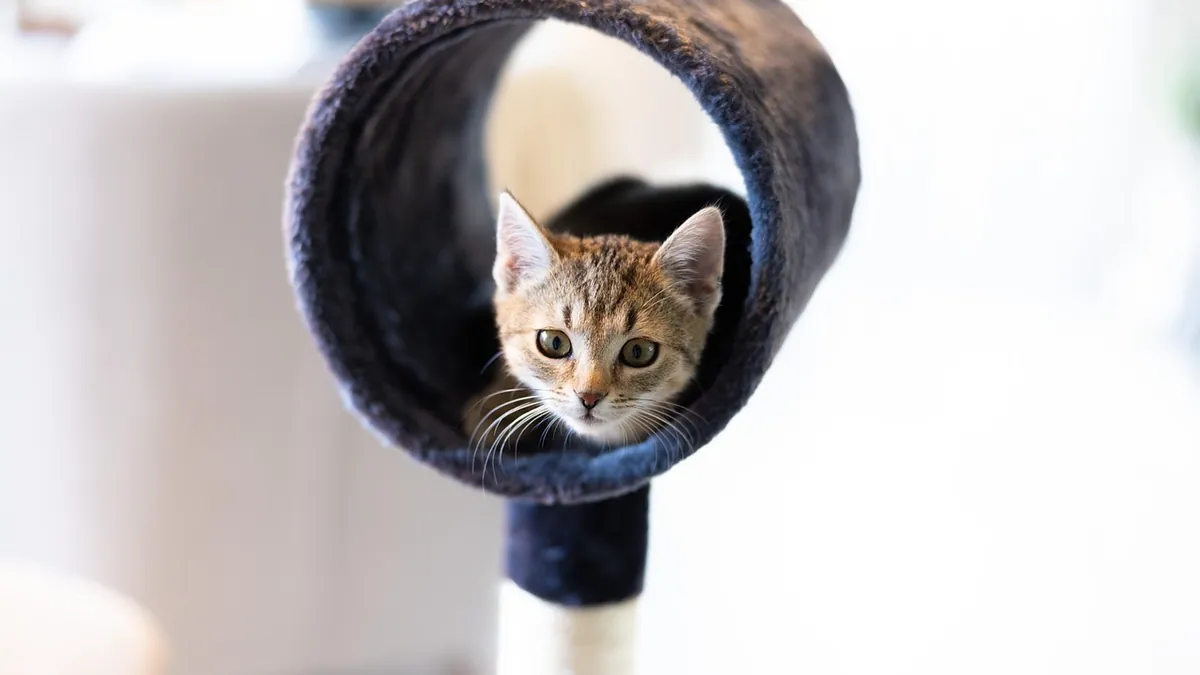
No, cats should not eat rawhide. Rawhide is a dried animal skin product made for dogs, and it is not food for cats. If a cat swallows rawhide, the material can swell in the throat or stomach, choke the cat, or cause a life-threatening intestinal blockage that may need surgery.
This article is educational and is not a substitute for veterinary diagnosis or treatment.
Quick Answer
- Rawhide is unsafe for cats. It is not digestible in any meaningful way and offers no nutritional benefit.
- A swallowed piece can swell and lodge in the esophagus, stomach, or intestine, causing choking or an obstruction.
- Cats are obligate carnivores. They need meat-based protein, not leather-like chews designed for dogs.
- If your cat ate rawhide, call your veterinarian or a pet poison control line right away, even if your cat seems fine.
- Safer options include cat-specific dental treats, soft food, and veterinary-approved chew toys that cannot be swallowed.
Can Cats Eat Rawhide Bones? The Short Answer Is No
Cats should never be given rawhide bones, chews, or treats. Rawhide is not a food. It is processed hide, usually from cattle, that has been cleaned, split, and dried into a leathery sheet or shaped chew. It is sold for dogs to gnaw on, not for cats to eat.
Cats have small mouths, sharp teeth, and a digestive tract built for meat. They do not gnaw bones the way dogs do. When a cat bites rawhide, it tends to rip off chunks instead of grinding the material down. Those chunks are the problem. A cat can swallow a piece that is too big to pass, and that piece can swell after it gets wet with saliva or stomach fluid.
Rawhide also has essentially no nutritional value for a cat. It is mostly collagen and connective tissue, not the amino acids, fats, and vitamins a cat needs. Feeding it fills the stomach without feeding the body.
Do Cats Eat Rawhide? Why the Question Comes Up
Some cats are curious chewers. They may bat a dog's rawhide across the floor, lick it, or carry it in their mouth. A few cats will actually chew and swallow pieces, especially if the rawhide is small, soft, or flavored.
Flavored rawhide is a bigger concern. Many products are coated or soaked with beef, chicken, or liver flavoring to make them appealing. That smell can attract a cat that would otherwise ignore a plain chew. If your cat has ever stolen a dog chew, treat every rawhide in the house as a hazard.
Cats also chew for reasons that have nothing to do with hunger. Dental discomfort, boredom, stress, and play behavior can all lead a cat to mouth and chew objects. If your cat is chewing a lot, that is a sign to talk with your veterinarian about the underlying cause, not a reason to hand over a dog chew.
Can Cats Have Rawhide Chews? Nutrition and Any Real Benefit
There is no real benefit to giving a cat rawhide. It does not clean teeth in a way that has been shown to help cats, and it does not provide balanced nutrition. A treat study that measured how well different commercial pet treats broke down during simulated digestion found wide variation across treat categories, including rawhide, with some products showing very poor breakdown in the digestive phases tested [1]. In plain terms, some treats are far harder for the body to process than others, and rawhide sits at the difficult end of that range.
If you want to support your cat's dental health, ask your veterinarian about dental diets, veterinary oral health chews made for cats, or a toothbrushing routine. Those approaches are designed around a cat's mouth and swallowing behavior. Rawhide is designed around a dog's.
Nutritionally, a cat needs animal-based protein, taurine, fat, and a set of vitamins and minerals. A chew that is mostly hide contributes none of that in a useful amount. If your cat is overweight, adding high-calorie flavored chews works against weight control. Obesity in cats is linked to metabolic changes, including altered blood chemistry, which is one reason veterinarians track body condition closely [2].
Risks of Rawhide for Cats
Choking
Rawhide softens and swells when it gets wet. A piece that starts small can grow in the throat or at the back of the mouth. Cats have narrow airways. A swollen piece can partially or fully block breathing. Choking can happen within minutes and is an emergency.
Intestinal Blockage
This is the most serious risk. A swallowed chunk can travel into the stomach or intestine and get stuck. Once lodged, it can block the passage of food and fluid. A published case report describes a cat with a foreign body in the duodenum that caused a bile duct obstruction, with vomiting, anorexia, and jaundice, and the cat needed surgery to remove the object [3]. That case involved a different object, but it shows how a single swallowed item can cause a serious surgical problem in a cat. Gastrointestinal foreign body surgery is a major procedure, and cats undergoing GI surgery can develop complications such as surgical site infections [4].
Digestive Upset
Even without a full blockage, rawhide can cause vomiting, diarrhea, drooling, loss of appetite, and abdominal discomfort. Pieces that do pass can irritate the stomach and intestinal lining on the way through.
Additives and Coatings
Flavored rawhide may carry ingredients that are risky for cats. Watch for:
- Xylitol, a sweetener that is highly toxic to dogs and should never be given to cats either.
- Added salt, which can cause sodium poisoning in large amounts.
- Garlic and onion powder, which damage red blood cells in cats.
- Smoke flavoring and preservatives that can upset the stomach.
If a rawhide product lists any of these, that is another reason to keep it away from your cat.
Bacterial Contamination
Raw animal products can carry bacteria such as Salmonella and E. coli. Handling rawhide and then touching your cat, its food, or your own face spreads those germs. This is the same concern that applies to other raw animal items, and it is covered in more detail in our article on whether raw food is safe for dogs and cats.
How to Offer Rawhide Safely (Spoiler: You Do Not)
There is no safe way to offer rawhide to a cat. The safest plan is simple: do not give it, and keep it out of reach.
If you have a dog in the home that chews rawhide, manage it carefully:
- Give the dog rawhide only in a separate room or behind a gate.
- Pick up every piece when the dog is done, including small nubs.
- Store rawhide in a closed container your cat cannot open.
- Never leave rawhide on the floor overnight.
Parts and preparations to avoid completely for cats:
- Rawhide bones of any size
- Rawhide chews, twists, chips, and sticks
- Flavored or coated rawhide
- Rawhide mixed with other animal parts
- Any chew that is small enough to swallow whole
What to Do If Your Cat Ate Rawhide
Act right away. Do not wait to see what happens.
Call your veterinarian or an emergency veterinary hospital and describe what your cat ate, how much, and when. If your regular clinic is closed, go to an emergency hospital. You can also call a pet poison control hotline for guidance while you arrange care.
Do not try to make your cat vomit at home. Do not pull a piece out of your cat's mouth or throat with your fingers, because you can push it deeper or get bitten. Do not give food, oil, or home remedies to try to move the object along.
Bring the packaging with you if you have it. The label tells the veterinarian what else your cat may have swallowed, including flavorings and preservatives.
Watch for these signs and report them immediately:
- Gagging, retching, or pawing at the mouth
- Choking sounds or trouble breathing
- Repeated vomiting, especially after drinking
- Drooling more than usual
- Refusing food or water
- Pain when you touch the belly
- No bowel movement for a day or more
- Weakness, collapse, or pale gums
Safer Alternatives to Rawhide for Cats
| Form | Safe? | Notes |
|---|---|---|
| Rawhide bones or chews | No | Can swell, choke, or block the intestine |
| Flavored rawhide | No | Adds xylitol, salt, garlic, or onion risk |
| Cat dental treats (veterinary approved) | Yes | Made for cats, sized for cats |
| Soft commercial cat treats | Yes | Check calories if your cat is overweight |
| Cooked plain meat (no seasoning) | Yes, in small amounts | Plain chicken or turkey, no onion or garlic |
| Raw fish or shellfish | No | Bacterial and parasite risk, see our article on raw shrimp and shellfish hazards |
| Cooked salmon | Yes, in small amounts | Never raw, see cooked vs raw salmon risks |
| Hard chew toys | Sometimes | Must be too large to swallow and not break into chunks |
| Bones | No | Can splinter and perforate the mouth or gut |
If your cat likes to chew, redirect that behavior. Offer a sturdy cat toy, a food puzzle, or a veterinary dental chew made for cats. Rotate toys so they stay interesting. For cats that chew because of stress, talk with your veterinarian about behavior support.
Limitations and When to Contact a Veterinarian
Every cat is different. The size of the piece swallowed, the cat's body size, and how long ago it happened all change the plan. A veterinarian who examines your cat can decide whether imaging, bloodwork, or surgery is needed. This article cannot replace that exam.
Contact your veterinarian the same day if your cat ate a small amount of rawhide and is acting normal. A same-day visit lets your vet decide whether to monitor at home or bring the cat in for an exam.
Go to an emergency hospital now if your cat is choking, struggling to breathe, vomiting repeatedly, drooling heavily, collapsing, or showing severe belly pain. These signs can mean a blockage or a perforation, and minutes matter.
Schedule a routine visit if your cat keeps trying to chew non-food items, has bad breath, drools during meals, or seems to have mouth pain. Dental disease and behavior issues are common reasons cats chew, and both have better solutions than a dog chew.
Frequently Asked Questions
Can cats eat rawhide treats?
No, cats should not eat rawhide treats. These products are made for dogs and can swell or lodge in a cat's throat or intestine. Give cat-specific treats instead.
Can cats have rawhide chews if they only chew and do not swallow?
No, that is still risky. Chewing softens rawhide and small pieces break off, and a cat can swallow one without you noticing. There is no way to guarantee your cat will not swallow a piece.
What happens if a cat swallows rawhide?
The piece can swell and get stuck in the esophagus, stomach, or intestine. Signs include vomiting, drooling, gagging, refusing food, and belly pain. Some cats need surgery to remove the object.
Is flavored rawhide worse for cats?
Yes, flavored rawhide adds extra risk. Coatings may contain xylitol, salt, garlic, or onion powder, all of which can harm a cat. Plain rawhide is already unsafe, so flavored versions are even less suitable.
What should I give my cat instead of rawhide?
Choose cat dental treats, soft cat treats, or a veterinary-approved chew made for cats. Plain cooked meat in small amounts is fine as an occasional treat. Ask your veterinarian what fits your cat's dental and weight needs.
Related Articles
- Can Cats Eat Salmon? Cooked vs Raw Thiaminase Risks
- Can Cats Eat Uncooked Hot Dogs? Risks and Safer Options
- Is Raw Food Safe for Dogs and Cats?
- Can Cats Eat Raw Tuna Reddit
- Can Cats Eat Shrimp? Raw Shellfish Bacteria Hazards
- Can Cats Eat Tuna Raw
- Can Cats Eat Rib Bones? Cooked Bones and Blockage Risk
- Can Cats Eat Bones? Fish, Chicken and Safety
- Can Cats Eat Shrimp Tails or Shells? Choking Risk
References
- Evaluation of selected categories of pet treats using in vitro assay and texture analysis. Translational animal science, 2020.
- Association of obesity-related blood chemistry alterations with animal welfare outcomes in sterilized cats: A case-control study in Indonesia. Veterinary world, 2026.
- Rare case of extrahepatic biliary obstruction caused by a duodenal foreign body in a cat. JFMS open reports, 2025.
- Use of liposomal bupivacaine in dogs and cats undergoing gastrointestinal surgery is not associated with a higher rate of surgical site infections or multidrug-resistant infections. Journal of the American Veterinary Medical Association, 2024.