Can Cats Eat Jicama? Raw Sticks and Portion Limits
By Dr. Zubair Khalid, DVM, MS, PhD ·
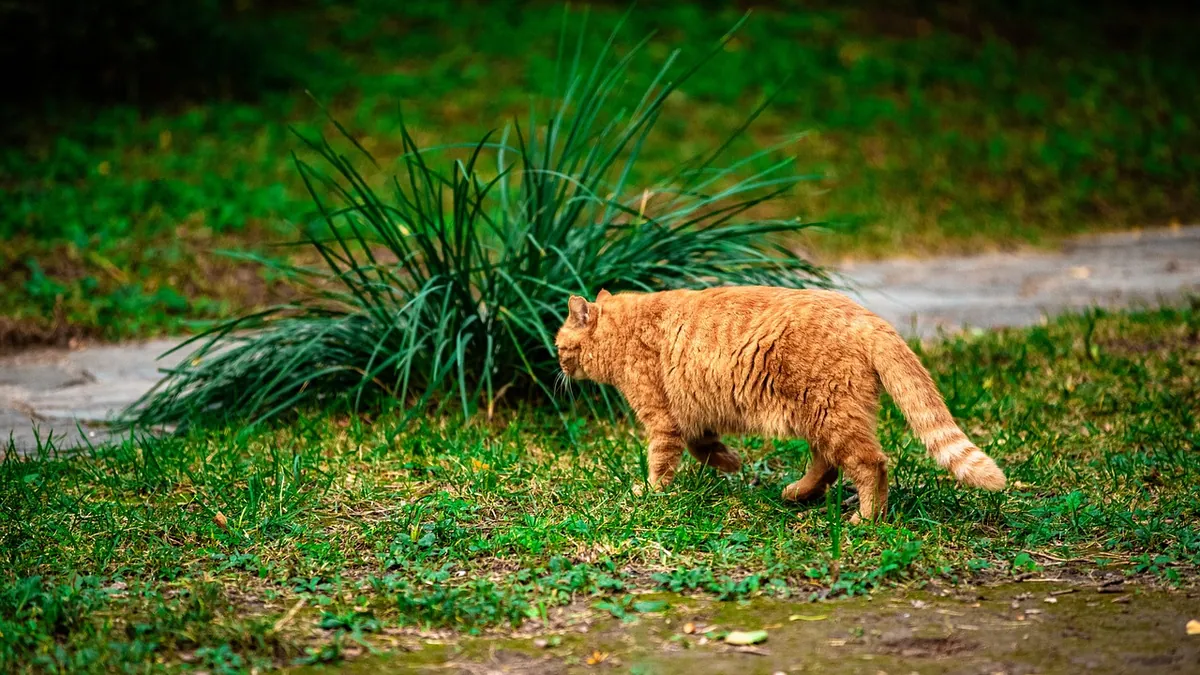
Can cats eat jicama? Yes, a small piece of peeled, raw jicama is not toxic to cats, but it does nothing good for them either. Cats are obligate carnivores, so a root vegetable is a treat at best and a stomach ache at worst. This article is educational and is not a substitute for veterinary diagnosis or treatment.
Quick Answer
- Plain, peeled jicama is not toxic to cats, but it has no nutritional value for them.
- Keep any taste tiny, about a pea-sized piece, and only as an occasional extra.
- Never feed the skin, seeds, stems, or leaves. Those parts are the real concern.
- Skip jicama that has been seasoned, salted, or mixed into dips or salads.
- If your cat steals a large amount or eats a seasoned version, call your veterinarian or a poison control line right away.
Can Cats Eat Jicama? The Short Verdict
Jicama is a crunchy root vegetable, sometimes called a Mexican turnip or yam bean. The part people eat is the starchy root, and it is not on any standard list of toxic foods for cats. A cat that nibbles a bit of plain, peeled jicama is unlikely to be poisoned by the vegetable itself.
That said, "not toxic" is not the same as "good for cats." Cats evolved to eat meat, and their bodies are built to pull nutrients from animal tissue. Plant foods like jicama do not fill any gap in a cat's diet. If your cat is eating a complete and balanced commercial food, they already have everything they need.
So the honest answer is this. A tiny piece of peeled jicama probably will not hurt your cat. It also will not help them. Think of it as a curiosity, not a snack.
Is Jicama Good for Cats? Nutrition and Real Benefit
No, jicama is not good for cats in any meaningful way. It is mostly water and carbohydrate, with a little fiber and some vitamin C. Cats do not need extra carbohydrate in their diet, and they make their own vitamin C, so the vitamin C in jicama is wasted on them.
Jicama is low in calories, which is why it shows up in human weight-loss snacks. That low calorie count is not a selling point for cats either. A healthy cat should get their calories from protein and fat, not from a watery root vegetable.
There is also a fiber angle to consider. Fiber does affect the gut bacteria in cats, and different diets shift the mix of microbes in the stool [1]. But that finding came from complete prescription diets, not from table scraps. Handing your cat a piece of jicama is not a fiber strategy. It is just a bite of plant that their digestive system did not ask for.
If you are rethinking your cat's overall diet, that is a bigger conversation than jicama. Owners who move away from conventional commercial diets tend to have particular personality profiles, and the choice is often driven by beliefs about health [2]. Whatever you decide, a board-certified veterinary nutritionist is the right person to help you build a balanced plan. A root vegetable will not do that job.
Risks of Feeding Jicama to Cats
Choking and Dental Trouble
Jicama is hard and crunchy. Cats do not chew like people do, and they often swallow small pieces whole. A firm chunk can lodge in the throat or cause a choking episode. Cut pieces small, or better yet, skip them.
Stomach Upset
Cats have short digestive tracts built for meat. A new plant food can trigger vomiting, diarrhea, gas, or a few hours of obvious discomfort. Some cats handle a nibble fine. Others do not. You will not know which cat you have until you try, and that is a good reason to keep the amount tiny.
The Skin, Seeds, and Other Plant Parts
The root flesh is the only part with any safety margin. The skin is tough and hard to digest. The seeds and the rest of the plant contain compounds that are not meant for eating, and they should never end up in your cat's bowl. Peel everything, and throw the peelings where your cat cannot reach them.
Seasonings and Additives Are the Bigger Danger
Plain jicama is one thing. Jicama the way people usually eat it is another. Watch for these:
- Xylitol. Some low-sugar or "keto" jicama products and dips are sweetened with xylitol, which is dangerous to pets. Read labels.
- Salt. Salted jicama sticks or seasoned blends can push a small cat toward salt toxicity.
- Garlic and onion. These are common in jicama salads, salsas, and slaws, and both are toxic to cats. They damage red blood cells.
- Chili, lime, and acidic dressings. These can irritate a cat's mouth and stomach.
- Oil and heavy dips. High-fat dips can trigger pancreatitis in sensitive cats.
If your cat licks a seasoned jicama dish, the seasoning matters far more than the vegetable.
Can Cats Eat Raw Jicama or Jicama Sticks?
Raw is the only form worth discussing, and even then, the answer is a very small amount. Cooking jicama does not make it better for cats. It just changes the texture.
Store-bought jicama sticks are usually the problem, not the solution. Those sticks are often cut with the skin still on, or they come in trays with dip, salt, or chili powder. If you want to offer a taste, buy a whole jicama, peel it yourself, and cut a piece no bigger than a pea.
Here is a quick reference.
| Form | Safe? | Notes |
|---|---|---|
| Plain peeled raw jicama | Small amount only | Not toxic, no benefit, choking and upset risk |
| Jicama with skin on | No | Tough, hard to digest, not meant for cats |
| Jicama seeds, stems, leaves | No | Plant parts other than the root should be avoided |
| Store-bought jicama sticks | Usually no | Often salted, seasoned, or paired with dip |
| Jicama salad or slaw | No | Garlic, onion, dressing, and salt are the real hazards |
| Jicama with xylitol sweetener | No | Xylitol is dangerous to pets |
| Cooked jicama | Small amount only | Cooking does not add any benefit |
How to Offer Jicama Safely
If you still want to let your cat try it, follow these steps.
- Peel it fully. Remove all skin and any fibrous outer layer.
- Cut it tiny. A piece about the size of a pea is plenty for most cats. For a kitten, go smaller or skip it.
- Serve it plain. No salt, no oil, no seasoning, no dip.
- Offer it once. Watch your cat for a few hours afterward.
- Keep it rare. This should not become a routine part of the day.
A treat should never take up more than a small fraction of your cat's daily calories. Since jicama has almost no calories, the limit here is about physical risk, not energy balance. The real rule is simple. If in doubt, do not feed it.
If you enjoy sharing safe human foods with your cat, stick to items with actual nutritional logic behind them. Cooked salmon is a better conversation than jicama, though it comes with its own rules about thiaminase and preparation Can Cats Eat Salmon? Cooked vs Raw Thiaminase Risks. Raw fish is a different story entirely, and it carries parasite and thiamine risks worth understanding before you offer it Can Cats Eat Tuna Raw.
Can Kittens Eat Jicama?
Kittens should not eat jicama. Their digestive systems are still developing, and their nutritional needs are much higher than an adult cat's. Every bite of plant food is a bite that could have been protein, calcium, or another nutrient a growing kitten needs.
Kittens also have smaller throats, so the choking risk from a firm chunk is higher. If a kitten eats jicama by accident, a small plain piece is unlikely to cause poisoning, but watch for vomiting, drooling, or trouble breathing. Call your veterinarian if anything seems off.
What to Do If Your Cat Ate Too Much Jicama
First, figure out what they actually ate. Plain peeled jicama is a low concern. Jicama with garlic, onion, xylitol, or a lot of salt is a real concern.
If your cat ate a large amount of plain jicama, expect some stomach upset. Withhold other treats, keep fresh water available, and watch for vomiting or diarrhea. Call your veterinarian if symptoms last more than a day or if your cat seems painful or lethargic.
If your cat ate a seasoned dish, a xylitol-sweetened product, or any amount of garlic or onion, call your veterinarian or an animal poison control hotline right away. Do not wait for symptoms. Bring the packaging or the recipe with you so the veterinarian knows exactly what was in it.
Never make your cat vomit unless a veterinarian tells you to. Some foods cause more damage coming back up.
Safer Alternatives to Jicama
If you want to give your cat a treat, choose something built for cats.
- Freeze-dried meat treats. Single-ingredient chicken, turkey, or salmon treats are easy and safe in moderation.
- A small piece of cooked plain meat. No seasoning, no oil, no bone.
- Commercial cat treats. These are formulated with cats in mind.
- A new toy or a play session. Many cats value interaction more than food.
If you want to explore plant foods that are sometimes fed to cats, do it with guidance. Bananas come up often, and the answer there is also "a tiny bit, no real benefit" Can Cats Eat Bananas. Quinoa raises its own questions about saponins and whether it can ever be part of a complete diet Can Cats Eat Quinoa? Saponins and Completeness. Neither one replaces meat.
Limitations and When to Contact a Veterinarian
This article covers general information only. Every cat is different, and individual cases need a veterinarian who can examine your cat and ask the right questions.
Call your veterinarian the same day if your cat:
- Vomited more than once after eating jicama
- Has diarrhea that lasts more than a few hours
- Is drooling, pawing at the mouth, or having trouble swallowing
- Ate jicama with garlic, onion, or xylitol
Go to an emergency clinic now if your cat:
- Is having trouble breathing or is choking
- Collapsed, is weak, or cannot stand
- Has a swollen or painful belly
- Is gagging or retching without bringing anything up
For milder cases, a routine visit is reasonable if your cat seems a little off for more than a day. Bring the food label or recipe with you. It speeds up the whole visit.
Frequently Asked Questions
Can cats eat raw jicama?
Yes, a small piece of peeled raw jicama is not toxic to cats. It still is not a good treat, because cats cannot use plant carbohydrates well and the firm texture can cause choking. Keep any piece pea-sized or smaller, and skip it entirely if your cat has a sensitive stomach.
Can cats eat jicama sticks?
Usually no, because the sticks sold in stores often come with skin, salt, chili, or dip. Those extras are the danger, not the jicama itself. If you want to offer a taste, peel a whole jicama at home and cut one small plain piece.
Is jicama good for cats?
No, jicama has no real benefit for cats. It is mostly water and carbohydrate, and cats do not need either one from a vegetable. A complete commercial diet already covers their nutritional needs, so jicama is at best a neutral bite and at worst a stomach ache.
Can kittens eat jicama?
No, kittens should not eat jicama. They need dense nutrition for growth, and plant foods take up space without adding value. The choking risk is also higher for a kitten because of their smaller throat.
What happens if my cat eats too much jicama?
Plain jicama usually causes nothing worse than vomiting or diarrhea. The bigger problem is seasoned jicama, which can contain garlic, onion, salt, or xylitol. If your cat ate a seasoned version, call your veterinarian or a poison control hotline right away instead of waiting for symptoms.
Related Articles
- Can Cats Eat Bananas
- Can Cats Eat Quinoa? Saponins and Completeness
- Can Cats Eat Raw Tuna Reddit
- Can Cats Eat Salmon? Cooked vs Raw Thiaminase Risks
- Can Cats Eat Tuna Raw
- Can Cats Eat Catnip? Nepetalactone and Safe Use Guide
- Can Cats Eat Chickpeas? Raw, Cooked, and Canned
- Can Cats Eat Celery? Raw, Cooked, and Leaf Safety
- Can Cats Eat Green Beans? Raw, Cooked, and Canned
References
- Comparison of the effects of four commercially available prescription diet regimens on the fecal microbiome in healthy cats. The Journal of veterinary medical science, 2026.
- Owner personality traits associated with non-conventional feeding practices in domestic cats. Journal of feline medicine and surgery, 2026.