Can Cats Eat Imitation Crab? Sodium and Fillers
By Dr. Zubair Khalid, DVM, MS, PhD ·
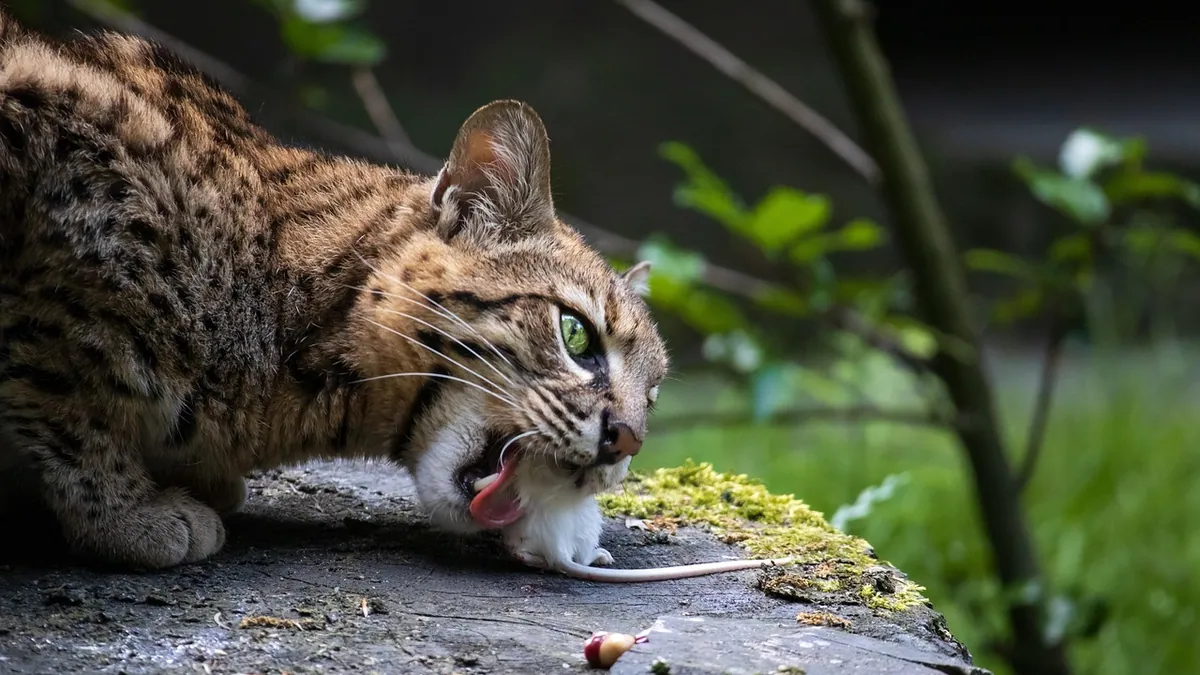
Can cats eat imitation crab? No, they should not. Imitation crab is processed fish paste loaded with starch, sugar, and salt, and none of those belong in a cat's diet. A tiny lick is unlikely to be an emergency, but it offers no nutritional benefit and the sodium load can cause real problems.
This article is educational and is not a substitute for veterinary diagnosis or treatment.
Quick Answer
- Skip it. Imitation crab (surimi) is not a safe treat for cats.
- The main problem is sodium. Too much salt can cause dehydration, vomiting, diarrhea, and kidney failure [1][2].
- Starch, sugar, and binders in surimi can trigger stomach upset in cats.
- If your cat ate a small piece, watch for vomiting, diarrhea, and lethargy, and call your vet if symptoms appear.
- Plain, cooked, unseasoned real crab meat in a very small amount is a safer option than imitation crab.
Can Cats Have Imitation Crab? The Short Answer Is No
Imitation crab is not crab at all. It is surimi, a processed seafood product made from white fish paste that is shaped, colored, and flavored to look like crab. The ingredients usually include fish, wheat or potato starch, sugar, salt, egg white, soybean oil, and artificial crab flavoring.
Cats are obligate carnivores. They need animal protein, fat, and a small set of nutrients, and they have no biological requirement for the starches and sugars that make up a large share of surimi. Feeding imitation crab means feeding your cat a processed human snack with additives its body is not designed to handle.
The answer to "can cats have imitation crab" is the same as the answer to "can cats eat imitation crab meat." No. It is not a cat food, and it is not a safe substitute for real meat.
What Is Actually in Imitation Crab?
Surimi is mostly water, fish protein, and starch. The starch is what gives it that rubbery, crab-like texture. Sugar is added for flavor and to help the product hold together during freezing and thawing. Salt is added for flavor and preservation.
That combination is fine for most people. It is not fine for cats.
Cats have a low tolerance for added salt in their food. Salt is necessary for normal hydration and electrolyte balance, but the margin between "enough" and "too much" is narrow [1][2]. A food designed for humans can easily push a small cat past that margin, especially if the cat eats more than a crumb.
Is There Any Nutritional Benefit for Cats?
No. There is no nutritional benefit to feeding your cat imitation crab.
Real fish and shellfish provide high-quality protein, omega-3 fatty acids, and some vitamins and minerals. Surimi provides some fish protein, but it is diluted with starch and sugar, and the processing strips away much of what made the original fish valuable. What you are left with is a salty, starchy snack.
If you want to give your cat a seafood-based treat, the goal should be plain, minimally processed protein, not a formed and flavored product built for human palates.
Risks of Feeding Imitation Crab to Cats
Sodium and Salt Poisoning
This is the biggest concern. Imitation crab is salty by design, and cats are small. A piece that seems tiny to you can deliver a meaningful sodium load to a ten-pound cat.
Excessive salt pulls water out of the body and causes dehydration. From there, cats can develop vomiting, diarrhea, and in serious cases kidney failure [1][2]. Organ damage can happen with both too much and too little salt, which is why the amount matters so much [1].
If salt poisoning is suspected, treatment focuses on reducing the salt in the body. A veterinarian typically gives IV fluids to dilute the sodium in the blood and rebalance electrolytes, and may add antacids or antibiotics for gastrointestinal distress. Severe cases may need hospitalization and intensive care [1].
Stomach Upset From Fillers
Cats do not digest wheat starch, potato starch, and added sugar well. These ingredients can cause gas, loose stool, vomiting, or a general upset stomach. A cat with a sensitive digestive tract may react to even a small amount.
Choking and Blockage
Imitation crab comes in flakes, chunks, and sticks. Larger pieces can be a choking hazard, especially for cats that gulp food. Stringy or tough pieces can also be difficult to chew and swallow.
Added Ingredients That Are Toxic to Cats
Some imitation crab products include ingredients that are dangerous for cats. Read labels carefully for:
- Xylitol. A sugar alcohol that is highly toxic to dogs and should never be given to cats either. If you see it on a label, keep the product away from your cat entirely.
- Garlic and onion powder. Both can damage red blood cells and cause anemia in cats. They show up in some seasoned seafood products.
- Excess salt. Even without other additives, the sodium level alone is a problem [1][2].
Hidden Contaminants in Processed Foods
Processed pet and human foods can carry contaminants. One study of commercially available chicken-based cat kibbles detected antibiotic residues, PFAS, toxic metals, bisphenol A, and microplastics in the products tested [3]. That study looked at cat kibble, not imitation crab, but it is a reminder that processed food chains can carry things you did not intend to feed your cat.
Can Kittens Eat Imitation Crab?
No. Kittens should never eat imitation crab.
Kittens are smaller than adult cats, so the same piece of surimi delivers a much larger sodium dose relative to their body weight. Their digestive systems are also still developing, and starchy, sugary, salty human food is more likely to cause diarrhea or vomiting.
Kittens need a complete and balanced kitten diet. Treats should be minimal and should come from cat-specific products. If your kitten ate imitation crab, call your veterinarian for guidance based on your kitten's weight and how much was eaten.
How Much Imitation Crab Is Too Much?
Any amount is too much for a cat. There is no safe serving size of imitation crab for cats.
If your cat stole a single small flake, the risk is low but not zero. If your cat ate a whole stick, several pieces, or a portion meant for a person, that is a bigger sodium load and a bigger concern.
Do not try to calculate a safe amount yourself. Sodium tolerance depends on your cat's weight, kidney function, heart health, and other medical conditions. A veterinarian calculates what is safe based on the individual cat.
Form | Safe? | Notes
| Form | Safe? | Notes |
|---|---|---|
| Imitation crab (surimi) | No | High sodium, starch, sugar, possible xylitol, garlic, or onion |
| Real crab, plain and cooked | Small amount only | Remove all shell, no butter, no seasoning, no lemon |
| Real crab with garlic butter | No | Garlic and onion are toxic to cats, butter adds fat |
| Crab cakes or crab salad | No | Breadcrumbs, mayo, onion, celery, seasoning |
| Canned crab in brine | No | Added salt pushes sodium too high |
| Raw crab | No | Risk of bacteria and parasites |
| Crab shell pieces | No | Choking and intestinal blockage risk |
If you are comparing seafood options, our guide on Can Cats Eat Crab? Shell Hazards and Sodium covers the real thing in more detail. Shellfish in general deserves caution, and Can Cats Eat Lobster? Shellfish Allergy and Cholesterol explains why.
How to Offer Seafood Safely to Your Cat
If you want to share a seafood treat, follow these rules.
Choose plain, cooked, unseasoned protein. Real crab, plain cooked shrimp, or plain cooked white fish can be offered in very small amounts. No butter, no oil, no lemon, no garlic, no onion, no salt.
Remove every piece of shell. Shell fragments can cut the mouth, lodge in the throat, or cause a blockage.
Keep the portion tiny. A piece about the size of a pea is plenty for most adult cats. Treats should make up only a small fraction of daily calories.
Introduce one new food at a time. Give a small amount, then watch for vomiting, diarrhea, or itching over the next 24 hours.
Never feed from your plate during a meal. Human meals are seasoned for human tastes, and cats are quick learners. Once they expect table food, it is hard to stop.
Avoid all preparations with sauces, breading, or seasoning. Crab cakes, crab salad, crab dip, and seasoned crab legs are all off the table.
What to Do If Your Cat Ate Imitation Crab
Stay calm and assess the situation.
If your cat ate a tiny crumb and seems normal: Remove the rest of the food, offer fresh water, and watch for vomiting, diarrhea, lethargy, or changes in drinking and urination over the next 24 hours.
If your cat ate a larger amount: Call your veterinarian or Pet Poison Helpline at (855) 764-7661 right away. Do not wait for symptoms. Salt poisoning can progress quickly, and early treatment is much easier than late treatment [1].
If your cat ate imitation crab containing xylitol, garlic, or onion: Treat this as an emergency. Call Pet Poison Helpline at (855) 764-7661 and your veterinarian immediately.
If your cat is vomiting, having diarrhea, seems weak, is drooling, or is breathing oddly: Go to a veterinary emergency clinic now.
Do not induce vomiting unless a veterinarian tells you to. Do not give home remedies, milk, oil, or anything else to "flush out" the salt. Those can make things worse.
Safer Alternatives to Imitation Crab
If your cat enjoys seafood flavors, there are better options.
- Plain cooked white fish. Cod, tilapia, or pollock with no seasoning, in a small amount.
- Plain cooked shrimp. Peeled, deveined, no tail, no seasoning.
- Real crab meat. A tiny amount, fully shelled and plain.
- Commercial cat treats. Choose treats formulated for cats, which are portioned and balanced for feline nutrition.
- Your cat's regular food. For many cats, a few extra kibbles of their own food is the safest "treat" of all.
If you are considering other salty seafood, read Can Cats Eat Anchovies? Sodium Overload and Omega-3 and Can Cats Eat Tuna With Salt before you offer a bite. Sardines are another common question, and Can Cats Eat Sardines? Omega 3 Benefits & Sodium Limits breaks down the tradeoffs.
Limitations and When to Contact a Veterinarian
This article gives general guidance, not a diagnosis or a treatment plan. Your cat's weight, age, kidney function, heart health, and medications all change what is safe. Individual cases need a veterinarian who can examine your cat and run tests if needed.
Call your veterinarian the same day if:
- Your cat ate more than a crumb of imitation crab
- Your cat has vomited once or twice
- Your cat has soft stool or diarrhea
- Your cat seems quieter than usual
Go to an emergency clinic now if:
- Your cat is vomiting repeatedly
- Your cat is weak, wobbly, or collapsing
- Your cat is drooling heavily or having tremors
- Your cat is breathing fast or panting
- Your cat has not urinated normally
- You know or suspect your cat ate xylitol, garlic, or onion
Schedule a routine visit if:
- Your cat has had repeated small exposures to salty human food
- Your cat has a history of kidney or heart disease and you want diet guidance
- You want help choosing safe treats for your cat
You can also call Pet Poison Helpline at (855) 764-7661 for guidance on salt poisoning and other toxic exposures [1].
Frequently Asked Questions
Can cats eat imitation crab meat without getting sick?
Some cats may eat a tiny piece and show no signs, but that does not make it safe. The sodium, starch, and sugar are still working against your cat's system, and reactions can vary from one cat to the next. The safest choice is to avoid it completely.
Is surimi safe for cats?
No. Surimi is the base ingredient in imitation crab, and it is made with added salt, sugar, and starch. Cats do not need any of those ingredients, and the salt content is the main concern.
Can cats eat imitation crab if I rinse it first?
Rinsing removes some surface salt, but it does not remove the salt that is mixed into the product during processing. It also does not remove the starch, sugar, or any garlic, onion, or xylitol in the recipe. Rinsing does not make imitation crab safe.
What happens if a cat eats too much salt?
Too much salt pulls water out of the body and causes dehydration. That can lead to vomiting, diarrhea, and in serious cases kidney failure [1][2]. Treatment usually involves IV fluids to dilute the sodium and restore electrolyte balance, and severe cases may need hospitalization [1].
Are there any seafood treats that are safe for cats?
Plain, cooked, unseasoned seafood in very small amounts can be an occasional treat. Real crab meat with all shell removed, plain cooked shrimp, and plain white fish are reasonable options. Always keep portions tiny and watch for stomach upset afterward.
Related Articles
- Can Cats Eat Crab? Shell Hazards and Sodium
- Can Cats Eat Lobster? Shellfish Allergy and Cholesterol
- Can Cats Eat Anchovies? Sodium Overload and Omega-3
- Can Cats Eat Tuna With Salt
- Can Cats Eat Sardines? Omega 3 Benefits & Sodium Limits
- Can Cats Eat Tuna And Salmon
- Can Cats Eat Spam? Sodium, Fat, and Safety
- Can Cats Eat Deli Meat? Sodium and Nitrite Risks
- Can Cats Eat Salami? Sodium, Fat, and Safety
References
- Can Cats Eat Salt. Pet Poison Helpline.
- Is Salt Bad for Cats. Pet Poison Helpline.
- Multiple contaminant detection in commercially available chicken-based cat kibbles in Italy. Frontiers in veterinary science, 2026.