Can Cats Eat Jelly? Sugar, Xylitol and Sweets
By Dr. Zubair Khalid, DVM, MS, PhD ·
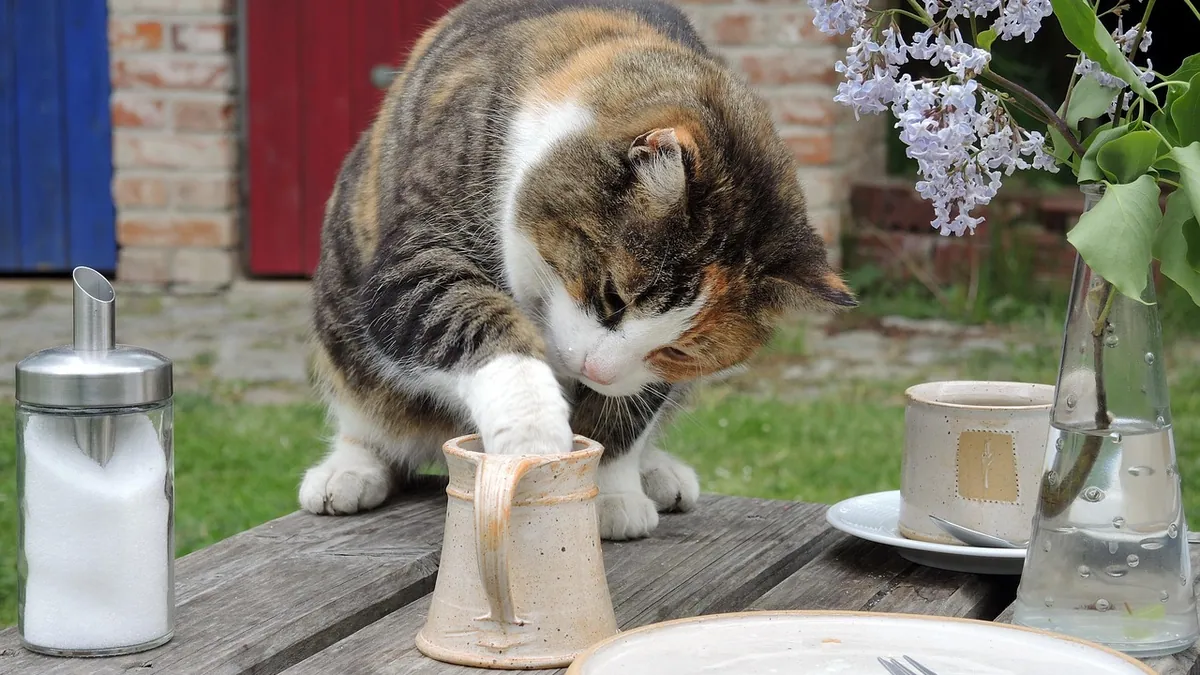
Can cats eat jelly? A lick of plain fruit jelly or jam is not poisonous to most cats, but it offers no nutrition and can cause stomach upset. The real dangers are sugar-free products, which may contain xylitol, and jelly candies, which can be a choking hazard. This article is educational and is not a substitute for veterinary diagnosis or treatment.
Quick Answer
- Plain jelly and jam are not toxic to cats, but they are mostly sugar and provide no nutritional value.
- Sugar-free jelly, jelly sweets, and sugar-free gum may contain xylitol, a well-known dog poison. Cats appear less sensitive to xylitol, but these products still do not belong in a cat's diet.
- Jelly beans and gummy candies can stick in the mouth or throat and cause choking, especially in small cats.
- A single small lick of plain jelly is unlikely to harm a healthy adult cat. More than that often causes vomiting or diarrhea.
- Never give jelly that contains chocolate, raisins, grapes, macadamia nuts, garlic, onion, or xylitol. Call your veterinarian or a pet poison hotline right away if your cat ate any of these.
Can Cats Eat Jelly? The Short Answer
No, cats should not eat jelly as part of their diet. A tiny taste of plain fruit jelly is not likely to poison your cat, but it also does nothing good for them. Cats are obligate carnivores, which means their bodies are built to run on animal protein and fat, not sugar and fruit pectin.
Jelly is essentially sugar, water, fruit flavoring, and a gelling agent. None of that meets a cat's nutritional needs. If your cat sneaks a lick off a spoon, you probably do not need to panic. If your cat eats a whole jar or a handful of jelly candies, that is a different story.
The word "jelly" also causes confusion. In the United States, jelly is a fruit spread. In the United Kingdom and Australia, "jelly" often means gelatin dessert, and "jelly sweets" means gummy candy. Jelly beans, jelly donuts, and jelly candies all fall under the same sweet family, and each one carries its own risks for cats.
What Is Actually in Jelly?
A typical fruit jelly contains sugar, fruit juice or fruit puree, pectin, citric acid, and preservatives. Some brands add high-fructose corn syrup or artificial colors. Jam is similar but contains crushed fruit and seeds.
From a cat's point of view, this is a bowl of simple carbohydrates. Cats have a limited ability to taste sweetness, so most cats are not even drawn to jelly the way dogs are. A cat who licks jelly is usually curious about the texture or the fat and protein in what the jelly is sitting on, such as toast with butter or a peanut butter sandwich.
There is no established nutritional benefit of jelly for cats. The fiber in fruit spreads is not the kind of fiber used in veterinary diets, and the amounts are tiny. If you want to support your cat's digestion, your veterinarian can recommend a complete diet with the right fiber profile. Diet does shape the gut microbiome in cats, and different nutrient mixes produce different bacterial populations [1], but jelly is not a tool for that job.
Can Cats Eat Jelly Beans, Jelly Sweets, and Gummy Candy?
No. Jelly beans and gummy candies are among the worst sweets to leave within a cat's reach. They are small, chewy, and shaped to lodge in the throat.
The main risks are choking and intestinal blockage. A jelly bean can be inhaled or swallowed whole, and gummy candy can clump into a sticky mass. Cats have small airways, and a candy stuck at the back of the mouth is an emergency.
Sugar-free jelly beans and sugar-free gummy candies are even more concerning because they often contain xylitol. Xylitol causes dangerous low blood sugar and liver failure in dogs. A controlled study in cats did not find the same effects, so xylitol is not considered highly toxic to cats the way it is to dogs. Even so, sugar-free candy offers a cat nothing and can still cause vomiting or diarrhea from the sugar alcohols.
Some jelly candies also contain chocolate, which is toxic to cats, or are coated in powdered sugar that can be inhaled. Keep all candy bowls out of reach, especially around holidays.
Can Cats Eat Jelly Donuts?
No, and this is one of the riskier jelly foods. A jelly donut combines three problems: sugar, fried dough, and a filling that may contain chocolate, cream, or fruit preserves.
The bigger issue is fat. Fried dough is high in fat, and a cat's pancreas can react badly to a sudden fatty meal. That reaction, called pancreatitis, causes vomiting, abdominal pain, and lethargy, and it can become serious. A cat who eats part of a donut needs a call to your veterinarian, even if they seem fine at first.
Donuts may also contain raisins, which are toxic to cats, or chocolate icing. If your cat ate a donut with raisins or chocolate, treat it as an emergency.
Can Cats Eat Jelly and Jam?
Plain fruit jelly or jam is not toxic, but it is still not a cat food. The sugar load can pull water into the gut and cause loose stools. Some jams contain seeds, which are a choking risk, and some contain artificial sweeteners.
Read the label before you let your cat near any spread. If the ingredient list includes xylitol, sometimes listed as birch sugar, do not offer it. If it includes chocolate hazelnut spread, raisins, or added garlic or onion (rare in jams but common in savory spreads), keep it away.
A single lick of plain strawberry or grape jelly is generally not dangerous for a healthy adult cat. Grape jelly is a special case because grapes and raisins are toxic to cats, but the amount of grape in a lick of jelly is very small. Do not make a habit of it, and call your veterinarian if your cat eats a large amount of grape jelly or any whole grapes or raisins.
Can Cats Eat Jelly and Peanut Butter?
This combination is popular with people and dangerous for cats for two reasons. First, peanut butter is high in fat and can trigger stomach upset or pancreatitis in sensitive cats. Second, many peanut butters now contain xylitol, which is a serious poison for dogs and should never be given to cats either.
If you want to give your cat a taste of peanut butter, choose a brand with only peanuts and salt, and offer no more than a tiny smear. Even then, most cats do not need it. If the label lists xylitol, keep it away from every pet in the house.
For more on sweet and dairy treats, see Can Cats Eat Ice Cream? Xylitol Sugar and Lactose and Can Cats Eat Butter? Fat Content and Lactose.
The Real Risks of Jelly and Sweets for Cats
Sugar and Stomach Upset
Cats do not digest large amounts of sugar well. A big spoonful of jelly can cause vomiting, diarrhea, gas, and stomach discomfort. Repeated sugary treats can also add empty calories and push your cat toward obesity, which is already common in American cats. Feeding instructions on pet food labels are not always a reliable guide to how much a cat should eat, and many labels recommend more energy than an average adult cat needs [2]. That makes every extra sweet treat count against your cat's daily calorie budget.
Xylitol
Xylitol is a sugar alcohol used in sugar-free gum, candy, jelly, and some peanut butters. It is a well-known dog poison that causes low blood sugar and liver failure. A controlled study in cats did not find the same effects, so xylitol is not classified as highly toxic to cats. That does not make it safe or appropriate. Sugar-free products can still cause digestive upset, and the safest choice is to keep them away from your cat entirely.
Chocolate, Raisins, and Other Additives
Jelly candies and spreads may contain chocolate, raisins, grapes, macadamia nuts, or alcohol. All of these are toxic or dangerous to cats. Savory jellies, such as mint jelly served with lamb, may contain onion or garlic, which damage red blood cells in cats.
Choking and Blockage
Round, chewy candies are a choking hazard. A jelly bean or gummy can block the airway or lodge in the esophagus. Signs include pawing at the mouth, drooling, gagging, and distress. This is an emergency.
Salt
Some jellies and preserves are made with added salt, and savory jellies can be quite salty. A large amount of salt can cause vomiting, tremors, and worse. Small licks are unlikely to matter, but a whole jar is a problem.
Form-by-Form Safety Table
| Form | Safe? | Notes |
|---|---|---|
| Plain fruit jelly or jam | Not recommended | Not toxic in tiny amounts, but high in sugar and can cause stomach upset |
| Sugar-free jelly | No | May contain xylitol, a dog poison, and sugar alcohols can cause digestive upset |
| Jelly beans | No | Choking hazard, high sugar, may contain xylitol |
| Gummy or jelly sweets | No | Sticky, chewy, choking and blockage risk |
| Jelly donut | No | High fat, possible chocolate or raisins, pancreatitis risk |
| Jelly with peanut butter | No | High fat, and many peanut butters contain xylitol |
| Mint or savory jelly | No | May contain onion, garlic, or high salt |
How to Offer Jelly Safely, If You Insist
The safest amount of jelly for a cat is none. If you still want to let your cat taste it, follow these rules.
- Offer no more than a tiny dab, about the size of a grain of rice, of plain fruit jelly with no xylitol, chocolate, raisins, or seeds.
- Never give jelly as a meal replacement or a regular treat.
- Keep the total treat calories under 10 percent of your cat's daily intake, and count every lick.
- Watch your cat for 24 hours for vomiting, diarrhea, or lethargy.
- Keep all candy, gum, and sugar-free products in closed containers.
If you want to reward your cat, use a treat made for cats. Cooked plain chicken, a small piece of freeze-dried meat, or a commercial cat treat is a better choice. For dairy-based questions, Can Cats Eat Cheese covers what is safe and what is not.
What to Do If Your Cat Ate Jelly or Sweets
If your cat ate a small lick of plain jelly, offer fresh water and watch for stomach upset. Most cats will be fine.
If your cat ate a large amount of jelly, a jelly donut, or a handful of candy, call your veterinarian or a pet poison hotline. Have the label ready so you can read the ingredients. If the product contains xylitol, chocolate, raisins, grapes, macadamia nuts, garlic, onion, or alcohol, treat it as an emergency and go to a veterinary hospital right away.
If your cat is choking, pawing at the mouth, drooling heavily, or having trouble breathing, go to an emergency clinic now. Do not wait for symptoms to improve.
If your cat ate sugar-free gum or candy, call your veterinarian even if you think cats are not sensitive to xylitol. Your veterinarian will decide whether monitoring or treatment is needed based on your cat's weight and health.
Safer Alternatives to Jelly and Sweets
Cats do not need sweets. They need animal protein, fat, and a complete and balanced diet. Good treat options include:
- Small pieces of cooked, unseasoned chicken or turkey
- Freeze-dried meat treats made for cats
- A few pieces of commercial cat treats
- A teaspoon of plain cooked pumpkin, if your veterinarian approves it for digestion
If your cat loves the texture of jelly, try a small amount of plain meat broth with no onion or garlic, or a lick of a cat-safe pate. Keep the portion tiny and the ingredients simple.
For toy safety around jelly-themed items, see Are Jelly Cats Safe for Pets? A Complete Safety Guide.
Limitations and When to Contact a Veterinarian
This article cannot tell you whether your specific cat will be fine after eating jelly. Individual cases need a veterinarian who can examine your cat, ask about weight and health history, and decide on treatment.
Call your veterinarian the same day if your cat ate a large amount of jelly, a jelly donut, or several candies, or if your cat has vomiting, diarrhea, or seems tired.
Go to an emergency clinic now if your cat is choking, having trouble breathing, collapsing, having tremors or seizures, or if the sweet contained chocolate, raisins, grapes, xylitol, garlic, onion, macadamia nuts, or alcohol.
Schedule a routine visit if your cat has had repeated sugary treats and you are worried about weight gain or dental health.
Frequently Asked Questions
Can cats eat jelly beans?
No. Jelly beans are a choking hazard and are high in sugar. Sugar-free jelly beans may contain xylitol, which is a well-known dog poison, so keep all jelly beans away from your cat.
Can cats eat jelly sweets?
No. Jelly sweets and gummy candies are sticky and chewy, and they can lodge in the throat or form a blockage in the gut. They also offer no nutrition and may contain xylitol or chocolate.
Can cats eat jelly donuts?
No. Jelly donuts are fried and high in fat, which can trigger pancreatitis in cats. They may also contain chocolate, raisins, or cream that can make your cat sick.
Can cats eat jelly and jam?
Plain fruit jelly and jam are not toxic in tiny amounts, but they are mostly sugar and can cause stomach upset. Do not offer them as treats, and never give a spread that contains xylitol or chocolate.
Can cats eat jelly and peanut butter?
No. Peanut butter is high in fat, and many brands contain xylitol. If your cat ate peanut butter with xylitol, call your veterinarian or a pet poison hotline right away.
Related Articles
- Can Cats Eat Ice Cream? Xylitol Sugar and Lactose
- Can Cats Eat Almond Milk? Xylitol and Nut Concerns
- Are Jelly Cats Safe for Pets? A Complete Safety Guide
- Can Cats Eat Cheese
- Can Cats Eat Butter? Fat Content and Lactose
- Can Dogs Eat Xylitol Gum? Hypoglycemia and Liver Failure
- Can Cats Eat Jello? Gelatin, Sugar, and Xylitol
- Can Cats Have Maple Syrup? Sugar and Xylitol Risks
- Is Sugar-Free Gum Bad for Cats? Xylitol Poisoning Risk
References
- Comparison of the effects of four commercially available prescription diet regimens on the fecal microbiome in healthy cats. The Journal of veterinary medical science, 2026.
- An investigation of feeding instructions on cat food labels in Belgium and comparison with European industry energy intake recommendations. The Veterinary record, 2026.