Can Cats Eat Flies? Risks and What to Do
By Dr. Zubair Khalid, DVM, MS, PhD ·
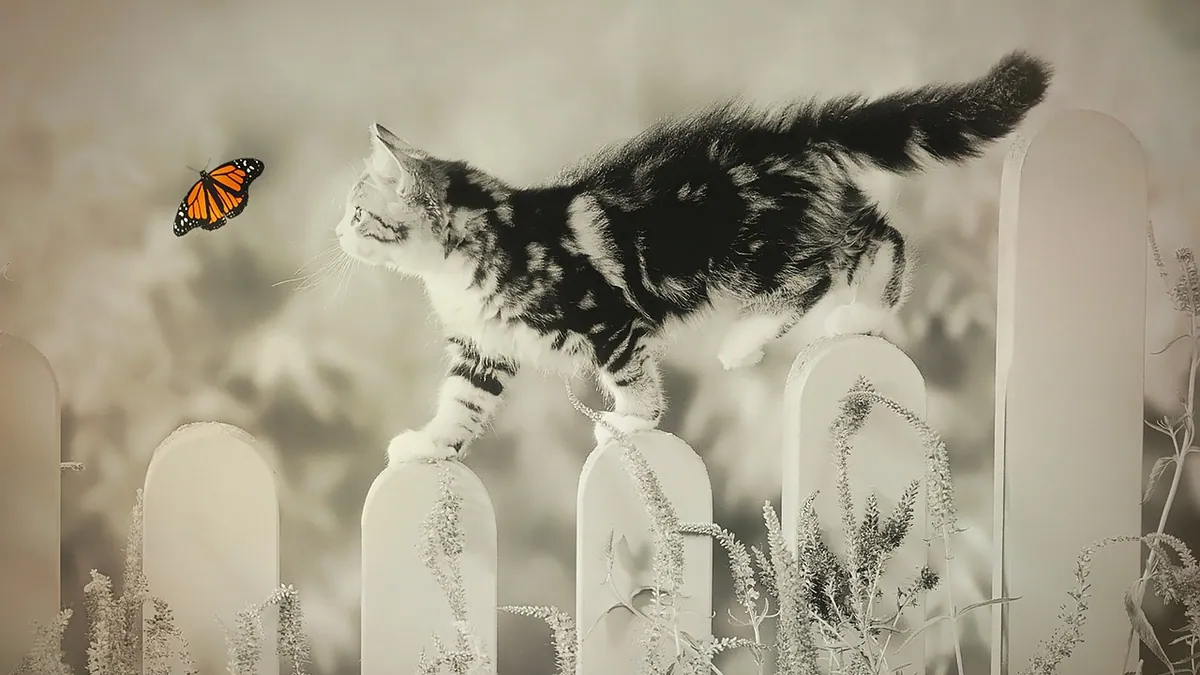
Is it safe for cats to eat flies? In most cases, yes. A single fly that your cat swats and swallows is unlikely to cause harm. The bigger concerns are what the fly was sitting on before your cat caught it, and whether your cat is eating flies constantly. This article is educational and is not a substitute for veterinary diagnosis or treatment.
Quick Answer
- One or two flies are usually not dangerous, but flies can carry bacteria, viruses, and parasites on their bodies [1].
- Flies that land on feces, dead animals, or garbage are the highest risk because that is where they feed and lay eggs [1].
- A cat that eats flies occasionally is showing normal hunting behavior, not a medical problem.
- The real danger is pesticide exposure. A fly that died near a bug zapper, trap, or sprayed surface may carry toxins.
- Call your vet the same day if your cat eats many flies, seems sick afterward, or you suspect poison exposure.
Is It Normal for Cats to Eat Flies?
Yes, it is normal. Cats are predators, and insects are small, fast-moving prey that trigger their chase instinct. A fly buzzing across the room is basically a toy that moves on its own.
Hunting insects is common in indoor and outdoor cats alike. Most cats will bat at a fly, catch it, and either eat it or leave it on the floor. This behavior alone is not a sign of a health problem or a nutritional deficiency.
That said, the amount matters. An occasional fly is very different from a cat that hunts and eats flies all day long. If your cat is obsessed with eating insects, mention it at your next routine visit.
Can Cats Eat Flies? The Short Answer
A single fly is generally safe for a healthy adult cat to eat. The fly itself is not toxic, and a cat's digestive system can handle a small insect without trouble.
The risk comes from what the fly carries. Flies feed on blood, saliva, tears, and mucus, and they spread bacteria, viruses, and parasites as they move from one food source to another [1]. A fly that just walked across a countertop is different from a fly that just crawled out of animal waste.
There is also the pesticide problem. Many flies die because of sprays, baits, and traps. If your cat eats a fly that absorbed insecticide, your cat absorbs some of that insecticide too. That is the scenario most likely to cause real illness.
Do Flies Have Any Nutritional Value for Cats?
No, not in any meaningful way. A fly is mostly water, protein, and a small amount of fat. It is not a meal, and it does not replace cat food.
Cats are obligate carnivores. They need complete protein, taurine, and other nutrients from animal tissue. A fly provides a tiny amount of protein and nothing else your cat needs. Think of it as a snack your cat caught by accident, not a supplement.
If your cat is eating flies because it seems hungry, check that it is getting enough of its regular food. If your cat is eating flies because it is bored, add playtime with a wand toy. For other human foods owners ask about, see Can Cats Eat Eggs.
Risks of Cats Eating Flies
Parasites and Bacteria
Flies are mechanical vectors. They pick up pathogens on their legs and mouthparts and drop them on the next surface they touch [1]. When a cat eats a fly, it swallows whatever the fly was carrying.
The list of things flies can spread is long. It includes bacteria, viruses, and parasites [1]. Most of the time a cat's stomach acid and immune system handle the exposure. Problems are more likely in kittens, senior cats, and cats with weakened immune systems.
Pesticide and Insecticide Exposure
This is the biggest practical risk for pet owners. Fly sprays, baits, and sticky traps are common in homes, garages, and barns. A fly that dies from insecticide is a small package of poison.
Symptoms of insecticide poisoning in cats include drooling, vomiting, tremors, wobbling, and seizures. If you see any of these after your cat ate a fly, treat it as an emergency.
Choking and Mouth Injuries
Flies are small, so choking is rare. Larger flies, such as horse flies and deer flies, have sturdier bodies and can bite. A bite on the tongue, lip, or inside of the mouth can cause swelling and pain.
Watch for pawing at the mouth, drooling, or refusing to eat after your cat catches a large fly.
Flies From Unsafe Places
A fly from your kitchen is low risk. A fly from a barn, a compost pile, or near dead animals is much higher risk. Flies lay their eggs in decaying flesh, animal waste, and standing water because maggots need food to grow [1].
Flies reproduce fast. Depending on weather, a fly can go from egg to adult in as little as 12 to 14 days [1]. That means a fly problem can grow quickly, and so can your cat's exposure.
Flies and Disease in the Environment
Flies are not just a nuisance. They can carry pathogens that matter to animals and people. House flies and blow flies collected from farms with H5N1 avian influenza had viral RNA on their bodies, which shows that flies can pick up viruses from their surroundings [2].
Black flies are blood-feeding insects that can carry viral, bacterial, and parasitic pathogens to animals and humans [3]. Sand flies transmit Leishmania parasites, which cause disease in dogs and can affect other mammals [4]. These fly groups are different from the common house fly, but they show how important flies are as disease carriers.
Flies and Fur Color
One study looked at how quickly blow flies colonized cats after death and found that fur color affected fly activity. Cats with dark fur had more fly eggs laid on them than cats with light fur [5]. This study was about decomposition, not about live cats eating flies, but it does show that flies are drawn to cats and that coat color can influence how many flies gather.
Form and Safety Table
| Form | Safe? | Notes |
|---|---|---|
| Live fly, caught by your cat | Usually | Low risk if it came from a clean indoor space |
| Dead fly from a trap or spray | No | May carry insecticide residue |
| Fly from feces, garbage, or a dead animal | No | High risk for bacteria and parasites [1] |
| Large flies (horse fly, deer fly) | Caution | Can bite and cause mouth swelling |
| Fly larvae (maggots) | No | Found in decaying material and waste [1] |
| Fly covered in bait or powder | No | Bait often contains toxins |
| Cooked or prepared fly | Not applicable | No safe preparation exists for flies |
Can Kittens Eat Flies?
Kittens should not eat flies if you can prevent it. A kitten's immune system is still developing, and its small body weight means even a small amount of toxin or bacteria can cause a bigger reaction.
Kittens are also more likely to swallow things they should not. If your kitten eats a fly, watch it closely for vomiting, diarrhea, or lethargy. Call your vet if any of those appear.
The same caution applies to senior cats and cats with chronic illness.
How to Keep Your Cat From Eating Flies
You cannot stop every fly, but you can lower the risk.
- Keep windows screened and doors closed.
- Clean up food waste and pet waste promptly.
- Use fly control that does not leave toxic residue where your cat can reach it.
- Avoid sprays and baits in rooms your cat uses.
- Never use a bug zapper or trap that leaves dead insects on the floor.
If your cat is hunting flies constantly, give it more structured play. A wand toy, a laser pointer, or a puzzle feeder can redirect that energy. For other safe enrichment ideas, see Can Cats Eat Catnip? Nepetalactone and Safe Use Guide.
What to Do If Your Cat Ate a Fly
If your cat ate one fly and seems fine, you do not need to do anything. Watch it for a few hours for vomiting, diarrhea, drooling, or unusual behavior.
If your cat ate a fly that was near a trap, spray, or bait, call your veterinarian or a pet poison control hotline right away. Do not wait for symptoms.
If your cat ate several flies, or if the flies came from a barn, compost pile, or area with animal waste, call your vet for advice. Bring the cat in if it starts acting sick.
If your cat is drooling, trembling, vomiting repeatedly, or having trouble breathing, go to an emergency clinic immediately.
Safer Alternatives to Flies
Your cat does not need flies. If your cat seems to enjoy chasing and catching small prey, offer safe options instead.
- Commercially made cat treats
- Freeze-dried single-ingredient treats
- Cooked plain meat with no seasoning
- Interactive toys that mimic prey movement
For more on safe foods, see Can Cats Eat Strawberries? Nutritional Benefits and Risks and Can Cats Eat Crab? Shell Hazards and Sodium. If you hunt or feed wild game, read Can Cats Eat Venison? Wild Game Parasite Testing first.
Limitations and When to Contact a Veterinarian
This article cannot tell you whether your specific cat is safe. Every cat is different, and the risk depends on the fly, the environment, and your cat's health. Individual cases need a veterinarian.
Call your veterinarian the same day if:
- Your cat ate a fly from a trap, spray, or bait
- Your cat ate several flies at once
- Your cat is vomiting, drooling, or has diarrhea
- Your cat seems tired, weak, or off its food
- Your kitten or senior cat ate a fly
Go to an emergency clinic now if:
- Your cat is trembling, twitching, or having seizures
- Your cat is having trouble breathing
- Your cat is collapsing or cannot stand
- Your cat's gums look pale, blue, or yellow
For a routine visit, mention fly-eating at your cat's next checkup. Your vet can check for parasites and talk about prevention.
Frequently Asked Questions
Is it okay for cats to eat flies every day?
No, daily fly eating is not ideal. One fly now and then is normal, but a cat that eats flies every day is getting repeated exposure to whatever those flies carry. It also suggests your cat may be bored or hungry. Talk to your vet if the behavior is constant.
Can cats get sick from eating a fly?
Yes, but it is uncommon from a single fly. The risk goes up if the fly came from waste, a dead animal, or a sprayed surface. Watch for vomiting, diarrhea, drooling, or lethargy, and call your vet if any appear.
Do flies give cats worms?
Flies can carry parasite stages on their bodies, and eating an infected fly is one possible route of exposure. Routine deworming and fecal testing help catch parasites early. Ask your vet how often your cat should be tested.
Should I stop my cat from catching flies?
You do not need to panic, but it is reasonable to redirect your cat. Offer a toy or treat instead. Remove dead flies from traps and avoid sprays in areas your cat can reach.
What if my cat eats a fly that was near a bug zapper?
Call your vet or a pet poison control hotline right away. A fly that died near a zapper or trap may carry insecticide or bait residue. Do not wait for symptoms before you call.
Related Articles
- Can Cats Eat Eggs
- Can Cats Eat Catnip? Nepetalactone and Safe Use Guide
- Can Cats Eat Strawberries? Nutritional Benefits and Risks
- Can Cats Eat Venison? Wild Game Parasite Testing
- Can Cats Eat Crab? Shell Hazards and Sodium
- Can Cats Safely Eat Tuna
- Why Does My Cat Eat Flies and Bugs?
- My Kitten Ate a Fly: Should I Worry?
- Can Cats Eat Bugs? Crickets, Grasshoppers and Risk
References
- Flies and Mosquitoes of Cats - Cat Owners. Merck Veterinary Manual.
- Detection of H5N1 highly pathogenic avian influenza virus RNA in filth flies collected from California farms in 2024. Scientific reports, 2025.
- Molecular Screening of Black Flies (Diptera: Simuliidae) for Vector-Borne Zoonotic Pathogens, South Moravia, Czech Republic. Zoonoses and public health, 2026.
- Development of new screening tools to evaluate dog exposure to Phlebotomus tobbi and Phlebotomus papatasi sand flies. Parasites & vectors, 2026.
- Initial blow fly (Diptera: Calliphoridae) colonization of cats (Felis catus) in Indiana. Journal of medical entomology, 2024.