Why Do Cats Kill Birds? Instinct and Safety
By Dr. Zubair Khalid, DVM, MS, PhD ·
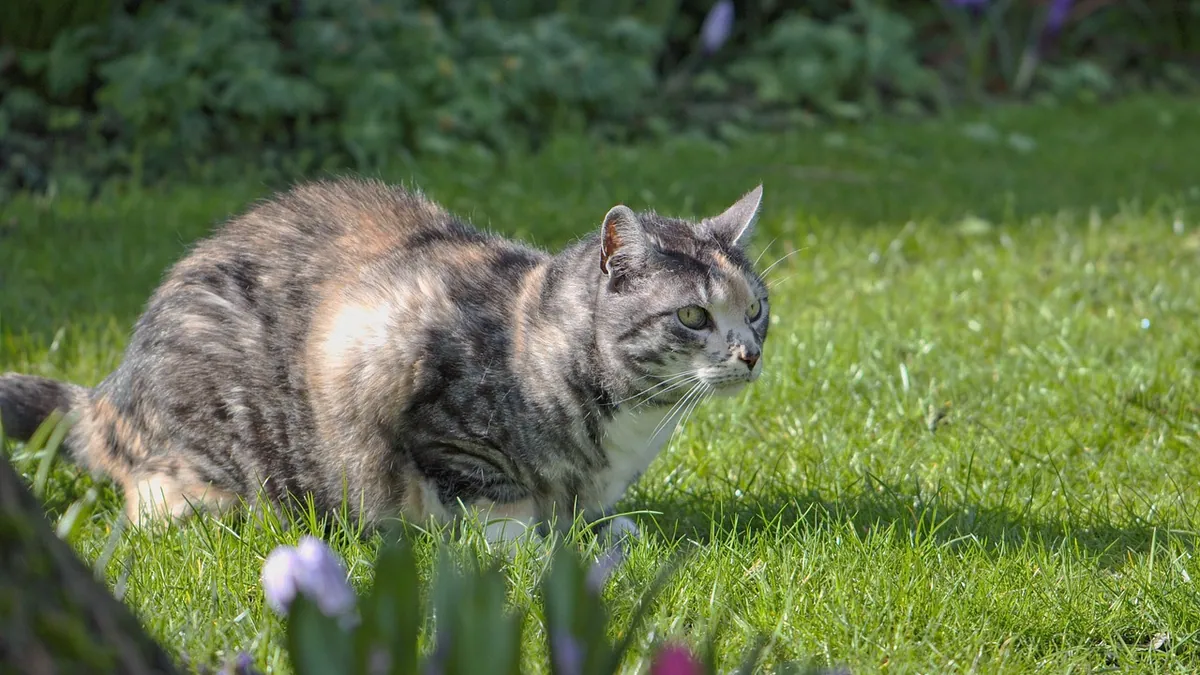
Yes, it is normal for cats to kill birds. Hunting is a natural feline instinct, and free-ranging pet cats are recognized as significant predators of wildlife [1]. Killing prey does not mean your cat is aggressive or poorly cared for, but it does raise real questions about your cat's health and the safety of local birds.
This article is educational and is not a substitute for veterinary diagnosis or treatment.
Quick Answer
- Hunting and killing birds is normal, instinctive cat behavior, even in well-fed cats [1].
- Most cats hunt for the chase, not because they are hungry, so a full food bowl does not stop the behavior.
- Eating prey can expose your cat to parasites, bacteria, and toxins, so tell your veterinarian about any known kills.
- Keeping your cat indoors or supervising outdoor time is the most reliable way to reduce kills.
- Never punish a cat for hunting. Punishment does not remove the instinct and can damage your bond with your cat.
Why Do Cats Kill Birds?
The Hunting Instinct Is Hardwired
Cats are predators by design. The sequence of stalking, crouching, pouncing, and grabbing is instinctive, and it appears in kittens before they have ever seen real prey. Free-ranging domestic cats are efficient predators on birds, mammals, reptiles, and amphibians around the world [2]. This does not depend on how much you feed your cat. Hunger and hunting drive are separate systems in the feline brain.
Why Cats Kill and Eat Birds
Some cats eat what they catch, and some do not. A DNA study of cat scat found that consumption and owner-reported capture are poorly correlated [3]. In other words, you may see your cat bring home an intact bird with no bite taken, or you may find no evidence at all while your cat is quietly eating prey outdoors. Owners who reported prey returns often found no prey DNA in the stool, likely because the cat never ate the bird [3].
Why Some Cats Hunt More Than Others
Hunting behavior varies between individual cats. Research using cat-borne cameras and GPS trackers found that personality traits and roaming patterns influence predation behavior, and cats that roam farther tend to hunt more [4]. Owners with stronger relationships with their cats reported more harassment incidents by their cats, though the cat-owner relationship did not directly predict hunting or exploratory behavior [1]. Age, sex, and how much freedom a cat has all play a role too [1][5].
Is It Normal for Cats to Kill Birds?
Yes. Killing birds is normal predatory behavior for a cat with outdoor access. One UK study of 553 cats estimated that the pet cat population there returns between 37.25 million and 140.4 million prey items per year [5]. That number reflects normal cat behavior at a population scale, not abnormal cats. If your cat kills a bird, your cat is behaving like a cat.
Medical Causes to Rule Out
Hunting is normal, but a sudden increase in hunting or prey eating can sometimes have a medical layer. A cat with intestinal parasites may have a poor appetite or weight loss, and a cat that suddenly eats unusual items may have a nutritional gap or an underlying illness. If your cat's appetite, weight, or energy has changed, schedule a veterinary visit. A cat that stops eating entirely needs prompt attention, and you can read more in Why Is My Cat Not Eating? A Vet-Reviewed Guide for Pet Owners.
Prey eating also carries direct medical risk. Birds and rodents can carry intestinal parasites, and some prey animals have ingested rodenticides or other toxins that can poison the cat that eats them. Your veterinarian can recommend a parasite prevention plan based on your cat's lifestyle and your local risk.
When Does Killing Birds Become a Problem?
For Your Cat
Occasional hunting is normal. Problems arise when hunting leads to injury, parasite exposure, or toxin ingestion. A cat that hunts frequently has more chances to eat a poisoned rodent or pick up internal parasites. Cats that roam widely also face traffic, fights with other cats, and exposure to infectious disease.
For Wildlife
Even well-loved pet cats can affect local wildlife. A global analysis of 8,933 documented predation events found that free-roaming cats and dogs exert predatory pressure on wild mammals, birds, reptiles, and amphibians, and populations of critically endangered species in some regions face especially high pressure [2]. Your individual cat's impact may seem small, but the collective effect of owned cats with outdoor access is measurable [5][2].
For Your Household
Some owners find dead or dying birds brought inside upsetting, and children or other pets may try to handle the carcass. If your cat brings live prey indoors, that pattern deserves a closer look. See Why Is My Cat bringing live prey inside? Normal Hunting vs Obsessive Behavior for help telling normal hunting apart from a compulsive pattern.
What to Do: Step by Step
Step 1: Manage Outdoor Access
The most effective way to reduce kills is to control when and whether your cat goes outside. Research shows that the strength of the cat-owner relationship does not directly change hunting behavior, and owners ultimately control their cat's movement [1]. Options include:
- Keeping your cat indoors full time, with screened windows and catios for fresh air.
- Supervised outdoor time on a harness and leash.
- A secure outdoor enclosure.
- If your cat goes out, bringing it in at dawn and dusk, when birds are most active.
Step 2: Add Enrichment Indoors
A bored cat hunts more. Redirect the instinct with daily interactive play using wand toys that mimic bird and rodent movement. Aim for two or three short sessions a day. Rotate toys so they stay interesting. Food puzzles and scatter feeding also give your cat a chance to work for food, which channels predatory energy into a safe outlet.
Step 3: Use a Bell or Cat Bib
A bell on the collar can reduce catch rates for some cats, though clever cats learn to stalk silently. A cat bib or similar collar attachment can interfere with the pounce. These tools help but do not eliminate hunting. Use breakaway collars only, so your cat can escape if the collar snags.
Step 4: Make Your Yard Less Attractive to Birds
Move bird feeders and birdbaths away from areas your cat can reach, or stop feeding birds if your cat hunts in the yard. Keep bushes near feeders trimmed so birds have less cover to be ambushed from. This reduces the number of birds your cat encounters without harming your cat.
Step 5: Handle Prey Safely
If your cat brings prey inside, wear gloves to remove it and wash your hands afterward. Do not let your cat eat the carcass. If you know your cat ate a bird or rodent, call your veterinarian and ask about parasite testing and prevention.
Step 6: Track What Your Cat Catches
Keep a simple log of kills and any prey your cat eats. This helps your veterinarian assess parasite and toxin risk. It also helps you see whether your changes are working.
What Not to Do
Do Not Punish Your Cat
Punishment does not remove a hunting instinct. Scolding, spraying, or startling your cat after a kill teaches fear, not a new behavior. Your cat cannot connect punishment to a hunt that happened minutes or hours earlier. Punishment can also make your cat avoid you, which makes it harder to supervise outdoor time and manage the behavior.
Do Not Rely on Myths
- "A well-fed cat will not hunt." False. Hunting and hunger are separate drives, and fed cats still hunt.
- "My cat only kills sick birds." There is no evidence your cat selects sick prey. Cats take whatever they can catch.
- "Bells stop all hunting." Bells reduce some kills but do not stop a determined hunter.
- "It is cruel to keep a cat indoors." Indoor cats live safely and can thrive with enrichment, play, and window perches. Indoor life also protects birds and your cat.
Do Not Assume Eating Prey Is Harmless
Prey can carry parasites and toxins. If your cat hunts often, talk with your veterinarian about a parasite prevention plan. Never give your cat a medication dose on your own. Your veterinarian calculates the dose from your cat's weight and health.
When to Involve a Veterinarian or Behavior Professional
Contact your veterinarian if your cat shows vomiting, diarrhea, weight loss, or lethargy after eating prey. These signs can point to parasites or toxin exposure. If your cat's hunting has become constant, frantic, or directed at household pets or people, ask about a referral to a veterinary behaviorist. A certified behavior professional can assess whether the behavior is normal predation or a compulsive pattern that needs treatment.
Limitations and When to Contact a Veterinarian
This article covers general patterns, and every cat is different. Individual cases need a veterinarian who can examine your cat and review its history.
Contact a veterinarian the same day if your cat:
- Vomits or has diarrhea after eating prey.
- Becomes lethargic or refuses food.
- Shows tremors, drooling, or unsteady walking, which can suggest toxin exposure.
Go to an emergency clinic now if your cat:
- Has trouble breathing.
- Collapses or has a seizure.
- Bleeds from the mouth or has a suspected internal injury from a fight.
Schedule a routine visit if your cat hunts often and has not had a recent parasite check, or if you want help building an indoor enrichment plan. If you are unsure whether a plant or other item your cat contacted is toxic, call your veterinarian or a pet poison hotline right away. You can also review What Kind Of Plants Are Harmful To Cats for common household hazards.
Frequently Asked Questions
Is it normal for cats to kill and eat birds?
Yes, both killing and eating prey are normal feline behaviors. Hunting is instinctive, and some cats eat what they catch while others leave the carcass untouched [3]. If your cat eats prey regularly, tell your veterinarian so parasite prevention can be adjusted.
Do cats kill birds because they are hungry?
No, hunger is not the main driver. Hunting and appetite are separate systems, so a cat with a full bowl will still stalk and pounce. Owners who want to reduce kills should focus on access and enrichment, not extra food.
Can I stop my cat from killing birds without keeping it inside?
You can reduce kills, but stopping them completely is hard. Supervised outdoor time, a catio, bells, and dawn and dusk curfews all lower the odds. Keeping your cat indoors remains the most reliable option.
Will a bell on my cat's collar stop the hunting?
A bell can reduce catch rates for some cats, but it is not a guarantee. Many cats learn to move without ringing it. Use a breakaway collar for safety, and pair the bell with other changes like supervised outdoor time.
Is it safe for my cat to eat a bird it caught?
It is not risk-free. Prey can carry parasites and may have eaten toxins such as rodenticides. Watch for vomiting, diarrhea, lethargy, or tremors, and contact your veterinarian if any appear. If your cat hunts often, ask about a parasite prevention plan.
Related Articles
- What Does Catnip Do To Cats
- What Kind Of Plants Are Harmful To Cats
- Why Is My Cat bringing live prey inside? Normal Hunting vs Obsessive Behavior
- Can Cats Eat Eggs
- Why Is My Cat Not Eating? A Vet-Reviewed Guide for Pet Owners
- Chicken For Cats Benefits
- How to Stop Your Cat From Killing Birds and Other Wildlife
- Is It Safe for Cats to Kill and Eat Mice?
- How Cats Hunt Mice: Instinct, Skills, and Safety
References
- Is the Cat-Owner Relationship Related to Cat-Wildlife Conflicts?. Animals : an open access journal from MDPI, 2026.
- Predation impacts of free-roaming animals on terrestrial wildlife species. Conservation biology : the journal of the Society for Conservation Biology, 2026.
- Using DNA Metabarcoding and Citizen Science to Assess the Diet of Owned Domestic Cats. Ecology and evolution, 2026.
- Personality Matters: Owner-Ascribed Personality Predicts Range Size Tendencies and Predation Behavior in Domestic Cats. Ecology and evolution, 2026.
- What the Cat Dragged in: Quantifying Prey Return Rates of Pet Cats (Felis catus) With Outdoor Access in the UK. Ecology and evolution, 2025.