Cat Losing Sense of Smell: Causes and What It Means
By Dr. Zubair Khalid, DVM, MS, PhD ·
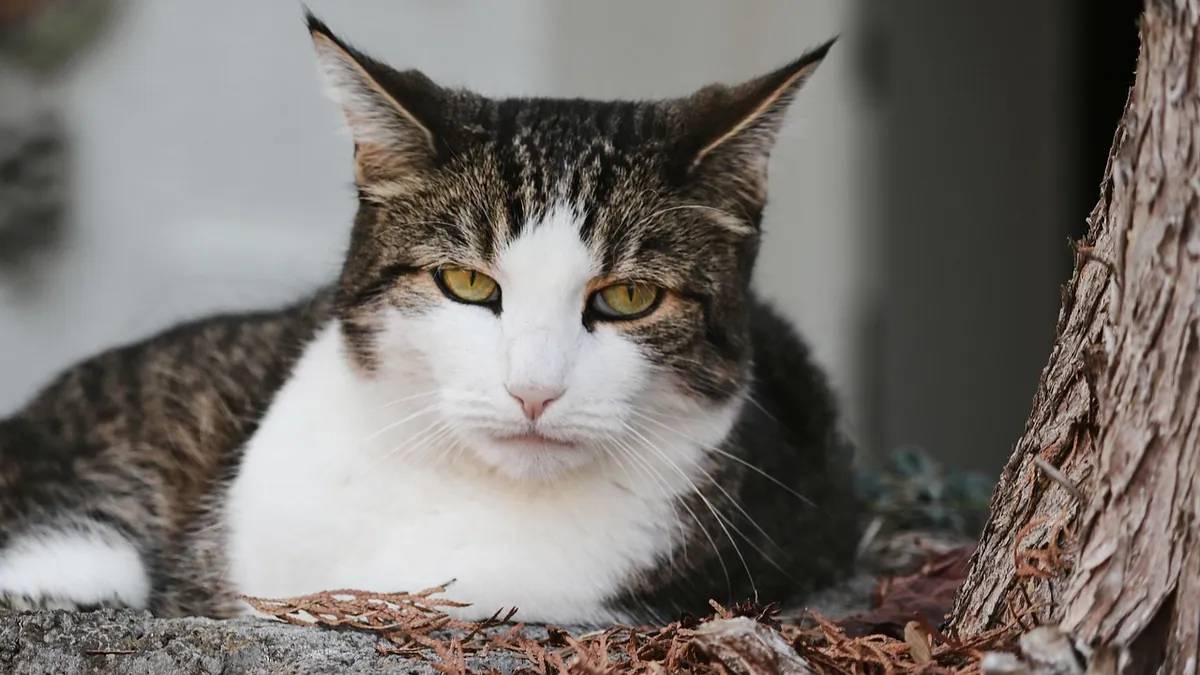
A cat losing sense of smell usually has a blocked or damaged nasal passage, and the most common reasons are upper respiratory infections, nasal disease, and aging changes. Because cats rely on smell to decide whether food is safe and appealing, a dulled nose often shows up first as a cat that sniffs a bowl and walks away. This article is educational and is not a substitute for veterinary diagnosis or treatment.
Quick Answer
- A stuffy nose from a viral or bacterial infection is the most common cause, and cats with rhinitis are far more likely to carry feline herpesvirus and Mycoplasma species than healthy cats [1].
- A cat that cannot smell food often refuses to eat even when the food is fine, so appetite loss with nasal signs is a smell problem until proven otherwise.
- Long-term nasal disease can destroy the delicate turbinate bones inside the nose, which can permanently reduce airflow and scent detection [2].
- Never force-feed or guess at medications. Your veterinarian calculates any drug dose from your cat's weight and health.
- Call your vet the same day if a cat with a stuffy nose has not eaten in 24 hours, and go to an emergency clinic if breathing looks labored.
What a Lost Sense of Smell Looks Like in Cats
Owners rarely see a cat lose smell directly. Instead, you see the behavior that follows. A cat may sniff a full bowl, lick once, and walk off. Some cats sit by the bowl and cry. Others drink water normally but ignore all food, including treats they used to beg for.
Some cats with nasal congestion breathe with an open mouth, snore, or make a wet snuffling sound. You may see clear or colored discharge from the nostrils, sneezing fits, or crusting around the nose. A cat may also paw at its face or rub its nose on furniture.
What Is Normal
A healthy cat has a sharp sense of smell and uses it constantly. Scent tells a cat whether food is fresh, whether another cat has been in the yard, and whether a person is familiar. Normal nasal passages are moist, open, and lined with tissue that warms and filters air.
Normal aging does dull the senses somewhat, including smell, just as it does in people. That change is usually slow and mild. A sudden, complete refusal to eat is not normal aging.
Why Smell Controls Appetite
Cats are obligate carnivores, and their appetite is tightly tied to odor. When the nose is blocked, food loses its aroma, and many cats simply will not eat food they cannot smell. This is why a cat with a simple cold can lose weight fast. It is also why warming food or offering strong-smelling options sometimes helps a congested cat eat.
Main Causes of a Cat Losing Sense of Smell
Several problems can reduce or block a cat's ability to smell. They range from short-term and treatable to chronic and progressive.
| Cause | Typical clues | How urgent |
|---|---|---|
| Upper respiratory infection (herpesvirus, calicivirus, Mycoplasma, Bordetella) | Sneezing, clear or colored nasal discharge, watery eyes, fever, drooling, appetite loss | See a vet within 24 to 48 hours, sooner if not eating |
| Chronic rhinitis or sinusitis | Long-standing stuffy nose, noisy breathing, recurring discharge, reduced appetite | Routine visit, but sooner if eating drops off |
| Nasal polyps or masses | One-sided discharge, one-sided airflow loss, facial swelling, bleeding from one nostril | Prompt visit, same week |
| Dental disease or oronasal fistula | Bad breath, drooling, chewing on one side, discharge from one nostril | Prompt visit |
| Trauma or foreign object | Sudden sneezing, bloody discharge, pawing at face, often after outdoor exposure | Same day |
| Age-related decline | Slow onset, mild appetite changes, no discharge | Routine visit |
| Post-viral smell loss (as seen in people after COVID-19) | Recent respiratory illness, then a dulled nose that slowly improves | Routine visit |
Upper Respiratory Infection
This is the most common reason a cat suddenly cannot smell. A study of cats with rhinitis found feline herpesvirus in 39.1 percent of cases compared with 8.1 percent of healthy cats, and Mycoplasma species in 28.3 percent of cases compared with 5.4 percent of controls [1]. Mycoplasma felis was found in 21.7 percent of cats with rhinitis and in none of the healthy cats [1].
Those numbers matter because they show how often infection sits behind a stuffy nose. Swelling and mucus block the narrow nasal passages, so air and scent molecules cannot reach the sensory tissue. Most cats improve with supportive care, but some develop chronic problems.
Chronic Nasal Disease and Turbinate Damage
Repeated infections and long-term inflammation can erode the turbinates, the thin scrolls of bone inside the nose that direct airflow over the scent receptors. When turbinates are destroyed, the nasal cavity can become abnormally open and empty, a change that has been documented in dogs and cats after nasal disease or nasal surgery using CT and rhinoscopy [2].
This kind of damage can permanently reduce airflow and smell. In people, a similar pattern is linked to a sense of blocked airflow and discomfort even when the nose looks open, but that sensation cannot be measured in animals [2]. So in cats, we judge by behavior and appetite, not by how the nose feels to the cat.
Dental and Oral Problems
A tooth root abscess or a hole between the mouth and nasal cavity can cause one-sided nasal discharge and bad breath. If you notice odor along with nasal signs, it is worth reading about Why Does My Cat's Breath Smell? so you can describe the smell accurately to your vet.
Aging
Older cats often have a reduced sense of smell along with reduced hearing and vision. This is usually gradual. If an older cat stops eating suddenly, do not assume it is just age. Pain, dental disease, kidney disease, and cancer are all common in senior cats and need testing.
Other Sensory and Neurologic Causes
Nerve damage can affect smell, though this is less common. One study of cats with diabetes found signs of reduced sensory function, including hypoalgesia, meaning they responded less to a standard pressure stimulus than healthy cats [3]. That study looked at limb sensation, not smell, so it does not prove diabetes causes smell loss. It does show that nerve problems can blunt a cat's senses, which is one more reason to keep diabetes well controlled.
Red Flags That Mean Emergency
Some signs mean your cat needs care right now, not tomorrow.
- Open-mouth breathing, especially while resting
- Blue, gray, or pale gums
- Struggling to breathe or extending the neck to breathe
- Collapse, weakness, or unresponsiveness
- Heavy bleeding from the nose that does not stop
- Facial swelling that appeared suddenly
- No food or water for more than 24 hours, or any food refusal in a kitten
Call an emergency clinic before you drive if you are unsure. Breathing problems in cats can worsen quickly.
What You Can Do at Home While You Wait
Home care supports your cat and buys time. It does not replace a diagnosis.
Make Food Easier to Smell
Warm canned food slightly to release aroma. Offer strong-smelling options like plain cooked chicken or a small amount of tuna water, but keep portions small. Never leave food out for more than a couple of hours. If your cat will not eat, do not force it.
Keep the Nose Clear
Gently wipe discharge with a warm damp cloth. Running a cool-mist humidifier or letting your cat sit in a steamy bathroom for a few minutes can loosen mucus. Do not put anything inside the nostrils, and do not use human decongestants, which can be toxic to cats.
Support Eating and Drinking
Offer several small meals instead of one large one. Try different textures and temperatures. Keep water bowls clean and place them away from the litter box. If your cat has not eaten in 24 hours, call your vet.
Watch for Related Signs
If your cat is also losing hair or scratching, that points to a different problem. Why Is My Cat Losing Hair? covers common skin causes. If there is odor from the ears, see Cat Ear Infection with Odor: Causes and Treatment. Odor with a rash is covered in Cat Skin Rash with Odor: Causes and When to Worry. If your cat has gas along with appetite changes, Why Does My Cat Have Gas? explains what is normal.
What Your Veterinarian Will Check and Test
Your vet starts with a full history. They will ask when the appetite changed, whether there is discharge, and whether your cat goes outside. Then they examine the nose, mouth, teeth, eyes, and lymph nodes, and they listen to the lungs.
Tests may include:
- Nasal swabs for PCR testing of herpesvirus, calicivirus, Mycoplasma, Bordetella, and Chlamydia [1]
- Blood work and urinalysis to check organ function and screen for diabetes
- Skull or dental X-rays
- CT or rhinoscopy if nasal disease or masses are suspected, since grading turbinate damage needs more than one type of imaging [2]
- Biopsy if a mass or polyp is found
Treatment depends on the cause. Viral infections get supportive care. Bacterial involvement may need antibiotics, and your veterinarian calculates the dose from your cat's weight and health. Nasal masses may need surgery. If smell loss is permanent, your vet will help you manage nutrition and monitor weight.
Prevention and Monitoring
You cannot prevent every cause, but you can lower the risk.
- Keep vaccines current, especially for feline herpesvirus and calicivirus.
- Keep your cat indoors to reduce trauma, foreign objects, and contact with sick cats.
- Treat dental disease early.
- Weigh your cat monthly and track the number. Weight loss is often the first sign owners miss.
- Watch for early nasal signs like sneezing or one-sided discharge and get them checked.
If your cat has chronic nasal disease, ask your vet how often rechecks should happen. Some cats need monitoring every few months.
Limitations and When to Contact a Veterinarian
Veterinary research on smell loss in cats is limited. Most of what we know comes from human studies of post-viral smell loss, where many people recover within two to four weeks but a significant minority do not [4][5]. Whether the same timeline applies to cats is not well established.
Call your veterinarian the same day if your cat has not eaten in 24 hours, has a fever, or has colored nasal discharge. Go to an emergency clinic now for open-mouth breathing, blue gums, collapse, or heavy nose bleeding. Schedule a routine visit for slow appetite changes, mild sneezing, or one-sided discharge that has lasted more than a few days. Every cat is different, so your veterinarian needs to examine your cat to set the right plan.
Frequently Asked Questions
How long does smell loss last in a cat?
It depends on the cause. Viral upper respiratory infections often improve over one to three weeks with supportive care, and smell usually returns as swelling goes down. Chronic nasal disease or turbinate damage can cause lasting changes. Your vet can give you a better timeline after an exam.
Can a cat with a stuffy nose still eat?
Sometimes, but many will not. Cats rely on smell to accept food, so a blocked nose often leads to refusal even when the food is familiar. Warming food and offering small, smelly meals can help. If your cat refuses all food for a full day, call your vet.
Is smell loss in cats permanent?
Not always. Short-term infections usually resolve and smell returns. Damage to the turbinate bones from long-term nasal disease can be permanent, and CT or rhinoscopy may be needed to judge how much damage exists [2]. Your vet can tell you what to expect for your cat.
Can I use human cold medicine for my cat's congestion?
No. Human decongestants and cold products can be toxic to cats, and there is no safe over-the-counter option to give on your own. Keep the nose clean, use humidity, and let your veterinarian choose any medication and dose.
Does aging cause cats to lose their sense of smell?
Yes, a gradual decline is common in older cats, similar to people. The change is usually slow and mild. A sudden refusal to eat in a senior cat is not normal aging and needs a veterinary exam to rule out pain, dental disease, and other illness.
Related Articles
- Why Does My Cat's Breath Smell?
- Why Is My Cat Losing Hair?
- Cat Ear Infection with Odor: Causes and Treatment
- Cat Skin Rash with Odor: Causes and When to Worry
- Why Does My Cat Have Gas?
- Cat Ear Infection Smell: Causes and When to See a Vet
- Cat Losing Its Voice: Causes and When to Worry
- Cat Breathing Through Mouth and Sneezing: Causes
- Cat Vision Loss and Blindness: Signs and Causes
- Feline Upper Respiratory Infection (URI): Etiology, Diagnosis, and Management
References
- EXPRESS: Detection of Mycoplasma species and respiratory pathogens in cats with rhinitis and healthy cats. Journal of feline medicine and surgery, 2026.
- Anatomical Empty Nose in Dogs and Cats After Nasal Disease or Endoscopic Endonasal Surgery: Implications for Human Empty Nose Syndrome?. The Veterinary clinics of North America. Small animal practice, 2026.
- Sensory profile of cats with potential pain-related diabetic neuropathy. The Veterinary record, 2025.
- Interventions for the prevention of persistent post-COVID-19 olfactory dysfunction. The Cochrane database of systematic reviews, 2022.
- Interventions for the prevention of persistent post-COVID-19 olfactory dysfunction. The Cochrane database of systematic reviews, 2021.