Vision Loss in Dogs: Signs, Causes, and What to Do
By Dr. Zubair Khalid, DVM, MS, PhD ·
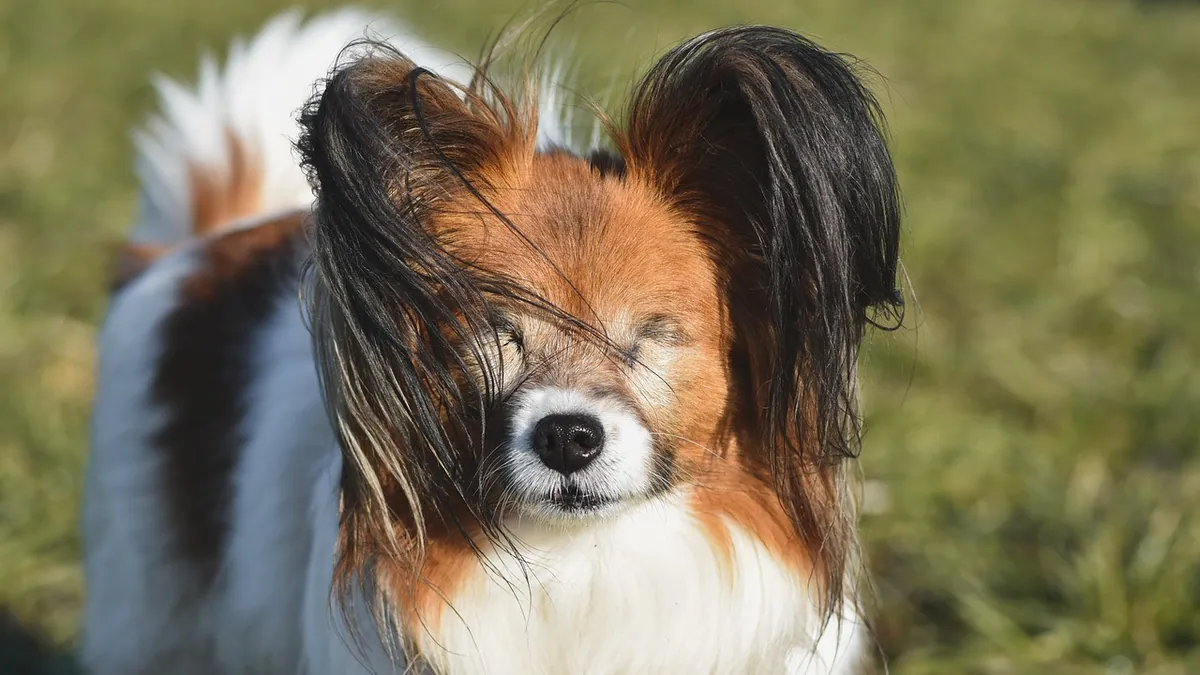
Vision loss in dogs often shows up as subtle changes first, like hesitating on stairs, bumping into furniture, or not catching a treat tossed their way. Recognizing the signs of dog vision loss early gives your veterinarian the best chance to identify a treatable cause or help your dog adapt safely. This article is educational and is not a substitute for veterinary diagnosis or treatment.
Quick Answer
- Watch for bumping into objects, reluctance to use stairs, squinting, or a sudden refusal to go outside at night.
- Cloudy or blue-gray eyes, redness, and pawing at the face can point to cataracts, glaucoma, or uveitis.
- Sudden blindness in a dog that was fine yesterday is an emergency. Call your vet or an emergency clinic right away.
- Never give human eye drops or pain medications to your dog unless your veterinarian prescribes them.
- Keep your dog's environment predictable and block stairs and pools until your vet examines your dog.
What Dog Vision Loss Looks Like and What Is Normal
Normal aging changes versus true vision loss
Many senior dogs develop nuclear sclerosis, a bluish haze in the lens that comes with age. It looks a little like a cataract but usually causes only mild focusing changes, and dogs generally function well. True vision loss is different. Your dog may misjudge distances, walk with a high-stepping gait, or hold the head tilted as if trying to catch sound cues.
Early signs of dog losing eyesight
Owners often notice behavior changes before anything looks wrong with the eyes. Common early signs include:
- Hesitating at the top of stairs or refusing to jump on the couch
- Bumping into door frames, furniture, or walls, especially in dim light
- Startling easily when approached from the side
- Not making eye contact when you hold up a toy or treat
- Walking close to walls or keeping the head low
- Reluctance to go outside after dark
- Changes in play, such as missing a thrown ball
Some dogs hide vision loss well because they memorize the layout of the home and rely on smell and hearing. A dog can lose most of its vision and still handle a familiar room, which is why changes often appear only when furniture moves or you travel.
Signs of dog vision problems you can see at home
Try a few gentle, safe checks at home. Wave your hand toward one eye from the side without touching the face or creating a breeze. A dog with vision should blink or pull back. You can also toss a soft cotton ball in front of your dog in good light. A sighted dog usually tracks it. Do not shine bright lights into the eyes or poke near the eye, since this can cause injury or make your dog defensive.
Main Causes of Vision Loss in Dogs
Vision loss can come from the eye itself, the optic nerve, or the brain. Acute loss of vision is linked to diseases in three broad categories, and many eye diseases such as anterior uveitis and keratitis cause vision loss because the cornea, anterior chamber, or lens loses transparency [1]. If the other eye is already blind, you may notice the change only when the second eye is affected [1].
| Cause | Typical clues | How urgent |
|---|---|---|
| Cataracts | Cloudy white or gray lens, gradual vision decline, often in older dogs or certain breeds | Routine visit, sooner if sudden or painful |
| Glaucoma | Red eye, cloudy cornea, squinting, pain, enlarged eyeball, rapid vision loss | Emergency, same day |
| Anterior uveitis | Red, painful eye, squinting, tearing, sensitivity to light | Same day |
| Keratitis (corneal disease) | Cloudy or hazy cornea, discharge, squinting, eye goop | Same day to 24 hours |
| Sudden acquired retinal degeneration syndrome (SARDS) | Sudden blindness with normal-looking eyes, often with increased appetite, thirst, or weight gain | Emergency, same day |
| Inherited retinal degeneration | Slow night blindness progressing over months, often in specific breeds | Routine visit, sooner if sudden |
| Optic neuritis | Sudden blindness, sometimes with neurologic signs | Emergency, same day |
| Trauma or retrobulbar disease | Swelling behind the eye, bulging eye, pain when opening the mouth | Emergency, same day |
Cataracts and lens disease
A cataract is a clouding of the lens. It develops slowly in many dogs, and you may notice a gray or white reflection in the pupil. Some cataracts are inherited, and some follow diabetes or inflammation. Surgery can restore vision in some cases, but only a veterinary ophthalmologist can say whether your dog is a candidate.
Glaucoma
Glaucoma is increased pressure inside the eye. It is painful, and it can destroy the retina and optic nerve quickly. Signs include a red eye, a cloudy cornea, a bulging eyeball, squinting, and head pressing. This is a same-day emergency. Delays cost vision.
Sudden acquired retinal degeneration syndrome (SARDS)
SARDS causes acute, irreversible blindness in dogs and is often accompanied by systemic clinical and biochemical abnormalities [2]. The eyes usually look normal on the outside, which is why owners are often caught off guard. Affected dogs show reduced pupillary light reflexes, and the retina thins over time [3]. If your dog went blind overnight with no red or cloudy eyes, SARDS is one possibility your vet will consider.
Inherited retinal degeneration
Inherited retinal diseases are a frequent cause of vision impairment in many dog breeds [4]. These conditions range from early onset blindness to progressive later-onset disease [5]. A form of early-onset day-vision loss, cone-rod dystrophy, has been reported in the Standard Poodle, linked to a deletion affecting the SPATA7 and PTPN21 genes [5]. Veterinary ophthalmologists often suspect retinal degeneration when an exam shows increased tapetal reflectivity and narrowed retinal blood vessels, but these signs can be subtle early on [4].
Optic neuritis and brain-related causes
Optic neuritis is inflammation of the optic nerve. In one reported case, a young dog with acute vision loss had bilateral optic neuritis, and imaging found lesions involving the optic nerves and cortical gray matter [6]. This kind of case shows that sudden blindness can have a cause outside the eye itself. Brain disease, including inflammation or masses, can also affect vision.
Other causes
Canine parvovirus has been associated with lower tear production and lower intraocular pressure in juvenile dogs, along with other ocular changes [7]. Retrobulbar disease, or disease behind the eyeball, can push the eye forward and cause pain and vision problems. One report described a dog with acute exophthalmos and zygomatic sialadenitis after dental extractions [8]. If your dog's eye is bulging, that is an emergency.
Red Flags That Mean Emergency
Call an emergency clinic now if you see any of these:
- Sudden blindness in one or both eyes
- A bulging or enlarged eyeball
- A red, painful eye with squinting or pawing
- Cloudy cornea that appeared quickly
- Blindness with wobbling, head tilt, circling, or seizures
- Blindness after a head injury or fall
- Your dog seems disoriented, vocalizes, or presses the head into walls
If your dog has a seizure along with vision changes, see Dog Having Seizure What To Do and My Dog Is Having Seizures What To Do. For a red or goopy eye, Why Are My Dog's Eyes Red? and Eye Goop In Dogs can help you describe what you see to your vet.
Safe Things You Can Do at Home While Waiting
You cannot reverse most causes of vision loss at home, but you can prevent injury and reduce stress.
- Keep your dog on a leash outdoors, even in a fenced yard.
- Block stairs, pools, and balconies with baby gates or closed doors.
- Keep food, water, and bedding in the same spot.
- Talk to your dog before you touch them so you do not startle them.
- Use night lights or leave a lamp on in hallways.
- Do not move furniture until your dog has adapted.
- Do not use human eye drops or pain relievers. Some are toxic to dogs, and your vet must calculate any medication dose from your dog's weight and health.
If your dog is painful, squinting, or pressing the eye, go to the vet now instead of waiting at home.
What Your Veterinarian Will Check and Test
Your vet will start with a full history, including when you first noticed changes and whether the problem came on suddenly or slowly. Then they will perform a complete eye exam.
Vision and reflex testing
The menace response (a hand waved toward the eye) and the pupillary light reflex help your vet judge vision and nerve function. Your vet may also test how your dog follows a cotton ball or navigates an obstacle course. Chromatic pupillometry, which measures how the pupil responds to different colors of light, can show reduced red-light reflex in dogs with SARDS [3].
Eye pressure and eye surface tests
A tonometer measures pressure inside the eye, which is how glaucoma is diagnosed. Fluorescein staining checks for corneal ulcers. A Schirmer tear test measures tear production, which can drop in some illnesses [7].
Retina and optic nerve evaluation
A fundic exam lets your vet look at the retina and optic nerve. In inherited retinal degeneration, the exam may show increased tapetal reflectivity and narrowed retinal vessels, though these can be subtle early [4]. If the exam is unclear, your vet may refer you to a veterinary ophthalmologist.
Advanced testing
Electroretinography (ERG) measures the retina's electrical response and is used to confirm conditions like SARDS [2][3]. Optical coherence tomography can measure retinal layer thickness over time [3]. If optic neuritis or brain disease is suspected, your vet may recommend MRI and cerebrospinal fluid analysis, as in the reported case of a dog with optic neuritis and brain lesions [6]. Blood work and abdominal ultrasound may be needed if a systemic cause is suspected [6][2].
Prevention and Monitoring
You cannot prevent every cause of vision loss, but you can lower risk and catch problems earlier.
- Schedule yearly eye exams for senior dogs and for breeds with known inherited eye disease.
- Keep diabetes well controlled, since it raises cataract risk.
- Use protective goggles or avoid dusty, windy environments if your dog has chronic eye issues.
- Watch for subtle behavior changes and write them down with dates.
- Ask your vet about breed-specific screening if you are buying a puppy from a breeder.
- If your dog is already blind, keep routines consistent and use scent or sound cues to help them handle.
Some causes of blindness, such as SARDS, are irreversible, but many dogs adapt well with time and a predictable environment. In one reported case, a dog with optic neuritis kept vision in one eye and still had a good quality of life three years later [6]. That outcome shows that even partial vision loss does not have to mean a poor life.
Limitations and When to Contact a Veterinarian
This article cannot tell you what is causing your dog's vision changes. Only a veterinarian who examines your dog can do that. Individual cases need a veterinarian, and timing matters.
Contact your veterinarian the same day if you notice:
- Sudden blindness or a rapid change in vision
- A red, cloudy, or bulging eye
- Squinting, pawing at the face, or sensitivity to light
- Vision loss along with increased thirst, appetite, or urination
Go to an emergency clinic now if your dog is blind and also has seizures, wobbling, collapse, a head injury, or severe pain. If your dog's eye looks normal but they cannot see, that is still urgent, because conditions like SARDS and optic neuritis need prompt evaluation [1][6][2].
For a routine visit, book an appointment if you have noticed slow changes over weeks or months, such as hesitating on stairs or bumping into things at night. Early monitoring can catch treatable problems before they worsen.
Frequently Asked Questions
How can I tell if my dog is going blind?
Look for behavior changes first, such as bumping into furniture, hesitating on stairs, startling easily, or not tracking a tossed treat. Cloudy eyes, redness, or squinting point to an eye problem. A sudden change is an emergency, while slow changes over weeks deserve a routine vet visit.
Can dog vision loss be reversed?
It depends on the cause. Some conditions, like uveitis or keratitis, can improve with treatment, and cataract surgery restores vision in some dogs. Others, like SARDS and many inherited retinal diseases, are irreversible. Your veterinarian can tell you what to expect after an exam.
Is my dog in pain if they are losing vision?
Not always, but several causes of vision loss are painful. Glaucoma and uveitis cause significant eye pain, often with squinting and redness. If your dog is squinting, pawing at the eye, or avoiding light, treat it as urgent and call your vet.
Should I move furniture if my dog is losing vision?
No. Keep furniture, food, water, and bedding in the same places so your dog can rely on memory. If you must rearrange, do it one small change at a time and guide your dog through the new layout with a leash and verbal cues.
Can a blind dog still have a good quality of life?
Yes. Many dogs adapt well to vision loss using smell, hearing, and routine. Keep the environment predictable, use verbal cues, and protect your dog from hazards like stairs and pools. Your veterinarian can help you plan for safety and comfort.
Related Articles
- Eye Goop In Dogs
- Why Are My Dog's Eyes Red?
- Dog Having Seizure What To Do
- My Dog Is Having Seizures What To Do
- What Can You Do For Dog Having Seizures
- Dog Had Seizure What To Do
- Is My Dog Going Blind? Early Signs and What Helps
- Blindness in Dogs: Causes, Symptoms and Sudden Onset
- Progressive Retinal Atrophy in Dogs: Symptoms and Stages
References
- Acute Vision Loss in Small Animals - Emergency Medicine and Critical Care. Merck Veterinary Manual.
- Development and validation of a clinical risk score for early identification of sudden acquired retinal degeneration syndrome in dogs: A retrospective case-control study. Veterinary world, 2026.
- Longitudinal Evaluation of Chromatic Pupillometry and Retinal Thickness in Dogs With Sudden Acquired Retinal Degeneration Syndrome. Veterinary ophthalmology, 2026.
- A deep learning-based framework for fundus image classification of inherited retinal degeneration in dogs. Scientific reports, 2026.
- Two genes, one culprit - a functional candidate validation of a SPATA7 deletion in dogs with day blindness/retinal degeneration. PLoS genetics, 2025.
- Optic neuritis and meningoencephalitis associated with an ovarian teratoma in a dog. Journal of veterinary internal medicine, 2026.
- Ocular Manifestations of Canine Parvovirus in Juvenile Dogs: Tear Production, Intraocular Pressure, Fundoscopic Findings, and Ultrasonographic Measurements. Veterinary medicine and science, 2026.
- Zygomatic Sialadenitis as a Rare Cause of Exophthalmos in a Dog. Veterinary ophthalmology, 2026.