Why Does My Puppy Feel Hot? Normal vs Fever in Dogs
By Dr. Zubair Khalid, DVM, MS, PhD ·
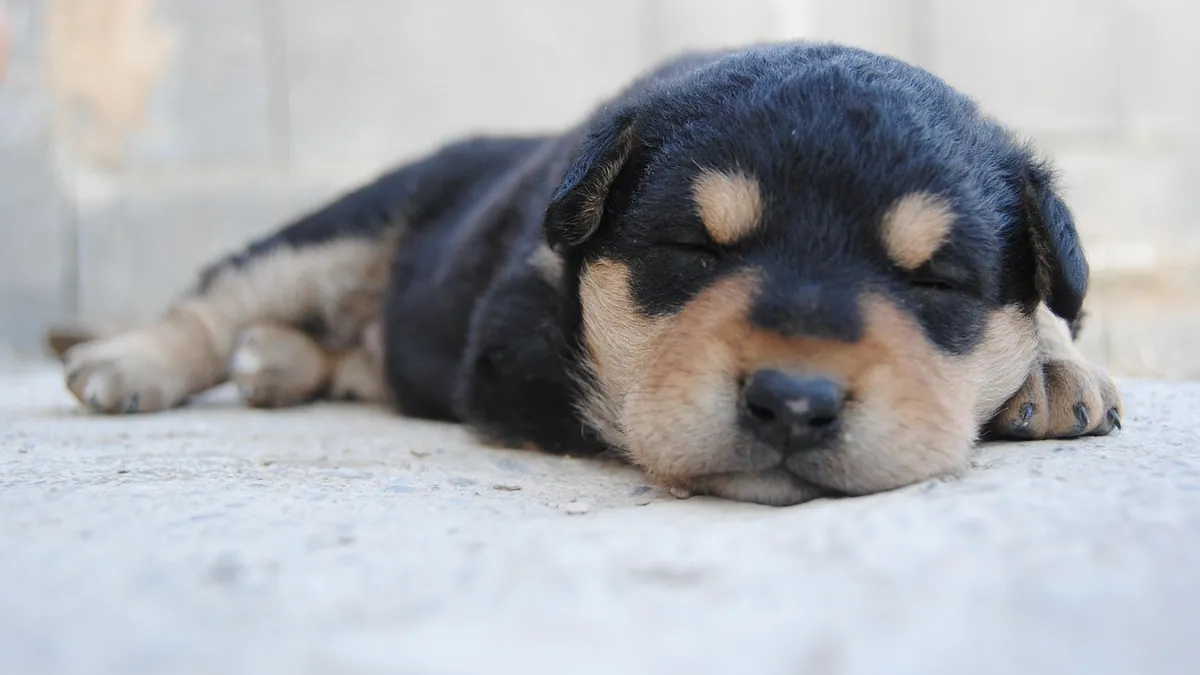
Puppies often feel warmer than people because their normal body temperature runs higher, and their small bodies lose heat quickly. So if you are asking "why does my puppy feel hot," the honest answer is that a warm puppy is usually normal, but a truly hot puppy can signal heat stroke or infection. This article is educational and is not a substitute for veterinary diagnosis or treatment.
Quick Answer
- A normal dog temperature is roughly 101 to 102.5°F, which is warmer than your own skin, so puppies naturally feel warm to the touch.
- Feeling warm is not a fever. You cannot diagnose a fever by touch alone, and you need a thermometer reading to know for sure.
- Puppies have less body mass and less ability to regulate heat, so they overheat faster than adult dogs during play, car rides, and hot walks.
- A puppy that feels hot plus pants hard, seems weak, vomits, or has a racing heart needs emergency care right away.
- If your puppy feels warm but is eating, playing, and acting normal, monitor at home and call your vet if anything changes.
What "Feels Hot" Actually Looks Like
Most owners notice warmth in a few specific places. The ears, belly, armpits, and paw pads feel hot to your hand. Sometimes the puppy's nose feels dry or warm too. None of these are reliable fever signs on their own.
Here is the part that surprises many people. Dogs run warmer than humans as a baseline. A normal rectal temperature in a dog sits around 101 to 102.5°F, and a reading up to about 103°F can still be within a normal range for some dogs. Your hand is roughly 98.6°F, so a puppy at 102°F will always feel hot to you even when nothing is wrong.
Puppies also have a higher surface-to-mass ratio than adults. That means they gain and lose heat faster. A puppy who has been sprinting around the yard, wrestling with a littermate, or napping under a blanket can feel noticeably warm and still be perfectly healthy.
Do Puppies Run Warm?
Yes, puppies commonly run warm, and owners often describe it as "my puppy feels warm" after play or sleep. This is normal. The warmth you feel is a mix of their higher core temperature and the heat their muscles and coat are holding.
What matters is the whole picture. A warm puppy who is bright, alert, drinking, and playing is very different from a warm puppy who is dull, breathing hard, or refusing food.
Normal vs Fever at a Glance
| What you notice | Likely meaning |
|---|---|
| Warm ears and belly, normal energy | Normal puppy warmth |
| Warm body plus rectal temp 103°F or higher | Possible fever, call your vet |
| Hot body, heavy panting, drooling, weakness | Possible heat stroke, emergency |
| Warm plus vomiting, diarrhea, lethargy | Possible infection, same-day vet visit |
Main Causes of a Hot Puppy
Normal Puppy Body Temperature
The most common reason a puppy feels hot is simply that puppies are warm. Their normal temperature is higher than yours, and their small size means activity, excitement, and warm environments raise their surface temperature quickly. If your puppy is eating, drinking, playing, and acting like themselves, warmth alone is not a problem.
Heat Stress and Heat Stroke
This is the cause that worries veterinarians most. Dogs rely heavily on panting to cool down, and puppies are less efficient at it than adults. In one study of dogs walking outdoors in a hot, sunny region, walking when the black-globe temperature rose above 35°C (95°F) caused coat temperature to jump by about 20.5°C and breathing rate to climb from roughly 47 to 374 breaths per minute [1]. The dogs' rectal temperatures stayed in a narrow 38 to 39°C range (about 100.4 to 102.2°F) during those walks, which shows how hard the body works to hold its core temperature steady [1].
That effort has a limit. When cooling fails, core temperature climbs and heat stroke begins. Brachycephalic breeds (flat-faced dogs like pugs and bulldogs), puppies, and overweight dogs are at higher risk. Never leave a puppy in a parked car, and avoid long walks in the heat of the day.
Infection and Fever
A true fever usually means the body is fighting something. Common triggers in puppies include viral infections, bacterial infections, and vaccine reactions. A feverish puppy often acts sick, not just warm. You may see lethargy, poor appetite, shivering, or a warm dry nose. If your puppy feels hot and also seems unwell, that combination deserves a vet call. For a step-by-step owner guide, see How To Tell If Dog Has Fever.
Pain, Stress, and Excitement
Pain and stress can raise body temperature mildly. A puppy who is hurting, scared, or overexcited at the vet's office may read a bit high on the thermometer. This is one reason a single high reading is not the whole story. Your vet will look at the puppy's behavior and history along with the number.
Rare Causes
Some dogs have a genetic reaction to certain anesthetic drugs called malignant hyperthermia. In one reported case, a 9-month-old dog developed hyperthermia, high carbon dioxide, rapid breathing, and a fast heart rate about two hours after anesthesia began, and the team treated it as a suspected malignant hyperthermia crisis [2]. This is rare and happens in medical settings, but it shows that not every high temperature is an infection.
Cause Table
| Cause | Typical clues | How urgent |
|---|---|---|
| Normal puppy warmth | Warm ears and belly, normal energy and appetite | Not urgent |
| Heat stress | Panting hard, hot coat, recent heat or exercise | Urgent if not cooling |
| Heat stroke | Weakness, drooling, wobbling, collapse | Emergency now |
| Infection or fever | Lethargy, poor appetite, vomiting, shivering | Same-day vet visit |
| Pain or stress | Recent injury, anxiety, vet visit | Call your vet |
| Anesthetic reaction | High temp during or after anesthesia | Emergency, hospital setting |
Red Flags That Make It an Emergency
Call an emergency clinic right away if your puppy shows any of these:
- Collapse, wobbling, or inability to stand
- Heavy panting that does not slow down with rest
- Drooling, bright red gums, or a dazed look
- Vomiting or diarrhea along with a hot body
- A rectal temperature of 104°F or higher
- Seizures, tremors, or unresponsiveness
Heat stroke can damage organs quickly, so do not wait to see if it passes. Start cooling on the way and call ahead so the team is ready.
Safe Things You Can Do at Home
If your puppy feels hot but is still alert and acting mostly normal, you can take a few safe steps.
Move your puppy to a cool, shaded, or air-conditioned space. Offer small amounts of cool water. Never force water into your puppy's mouth. Rest is the most important step, so stop all play and exercise.
If you suspect overheating, wet your puppy's paws, belly, and armpits with cool (not ice-cold) water and point a fan at them. One study of working dogs found that voluntary head dunking into 22°C (about 72°F) water produced the fastest cooling in the first five minutes after exercise and was the only method that prevented the usual post-exercise temperature rise [3]. That method was done with trained dogs under supervision, so do not dunk a struggling puppy. Cool water on the body plus airflow is a safer home approach.
Do not use ice packs directly on the skin, do not use alcohol rubs, and do not give any human fever medicine. Human pain relievers can be toxic to dogs, and the correct dose for any dog medication must be calculated by your veterinarian based on your puppy's weight and health.
Take a rectal temperature if you have a digital thermometer and your puppy will tolerate it. Write down the number and the time. That single number helps your vet decide how fast you need to be seen.
What Your Veterinarian Will Check and Test
Your vet will start with a full physical exam, then take a core temperature. Rectal temperature is the standard, and your vet may also check eye temperature. In a study of 238 visits from 121 dogs, eye temperature and rectal temperature both had high specificity (0.94 and 0.99) but lower sensitivity (0.40 and 0.32) for detecting abnormal body temperature [4]. In plain terms, both tests are good at confirming a normal temperature but can miss some abnormal ones, so your vet combines the reading with the exam.
If your puppy is very young or very wiggly, your vet may use a different route. A study comparing intranasal and esophageal thermometers in anesthetized dogs found the nasal reading ran about 0.2°C (0.3°F) lower than the esophageal reading, a difference the authors called generally clinically insignificant [5]. That means a nasal thermometer can be a reasonable option when a rectal reading is not practical.
Beyond temperature, your vet may run blood work, a urine test, or imaging depending on what they find. Puppies with fever often get checked for infections and dehydration. If heat stroke is suspected, your vet will focus on cooling and monitoring organ function.
Prevention and Monitoring
Prevention is mostly about heat and activity management.
Walk your puppy in the early morning or evening. Test the pavement with the back of your hand for five seconds. If it is too hot for you, it is too hot for paws. Bring water on every outing and take breaks in the shade.
Watch the weather, not just the sun. Radiant heat from pavement and direct sun can push a dog's heat load much higher than the air temperature suggests, which is exactly what the walking study showed when black-globe temperature passed 35°C [1].
Keep car rides short and never leave a puppy alone in a vehicle. Even a mild day can turn a car into an oven.
At home, know your puppy's normal. Take a rectal temperature once when your puppy is calm and healthy so you have a baseline. Then you can compare future readings instead of guessing.
Track appetite, energy, water intake, and bathroom habits daily. A puppy who feels warm but is otherwise normal is usually fine. A puppy who feels warm and stops eating or playing is telling you something is wrong.
If your puppy is panting more than usual, that can be a heat sign or a sign of pain or anxiety. Our guide on Why Is My Dog Panting So Much? walks through the common reasons.
Limitations and When to Contact a Veterinarian
Touch cannot tell you whether your puppy has a fever. Thermometers can miss some abnormal readings too, since eye and rectal temperature both showed lower sensitivity in one study [4]. That is why behavior and a vet exam matter as much as the number.
Contact your veterinarian the same day if your puppy feels hot and also seems tired, eats less, vomits, has diarrhea, or shivers.
Go to an emergency clinic now if your puppy collapses, cannot stand, pants uncontrollably, drools heavily, has a rectal temperature of 104°F or higher, or has a seizure.
Schedule a routine visit if your puppy feels warm on and off with no other signs, or if you want a baseline temperature recorded.
Every puppy is different, and individual cases need a veterinarian who can examine your dog in person.
Frequently Asked Questions
Is it normal for puppies to feel warm?
Yes, it is normal for puppies to feel warm to the touch. Their normal body temperature is higher than a human's, and their small size means activity and warm rooms raise their surface heat quickly. A warm puppy who is eating, drinking, and playing normally does not need treatment.
Can I tell if my puppy has a fever by touching them?
No, you cannot reliably diagnose a fever by touch. Your hands are cooler than a dog's normal temperature, so a healthy puppy will often feel hot to you. Only a thermometer reading, combined with how your puppy is acting, can tell you whether something is wrong.
What temperature is a fever in a puppy?
A rectal temperature of about 103°F or higher is generally considered a fever in dogs. Readings between 101 and 102.5°F are normal for most dogs. If you get a high reading, recheck it after a few minutes of rest and call your vet with the number.
How do I cool down a hot puppy safely?
Move your puppy to a cool, shaded space, stop all activity, and offer small sips of water. Wet the paws, belly, and armpits with cool water and use a fan for airflow. Do not use ice-cold water or ice packs directly on the skin, and never give human fever medicine.
When should I rush my puppy to the vet?
Go now if your puppy collapses, cannot stand, pants heavily without slowing down, drools a lot, or has a temperature of 104°F or higher. These can be signs of heat stroke, which can damage organs fast. Call the clinic on the way so the team can prepare.
Related Articles
- How To Tell If Dog Has Fever
- How Long Are Dogs In Heat
- How Long Does A Dogs Heat Last
- How Long Does A Dog Stay In Heat
- Why Is My Dog Panting So Much?
- What Does An Ear Infection Feel Like For A Dog
- Dog Feels Hot: Overheating vs Heat Cycle Explained
- Puppy Not Feeling Well After Shots: Normal or a Concern?
- Why Is My Puppy So Thirsty? Normal Drinking vs a Problem
References
- Cool and safe walks: heat stress threshold for domestic dogs living in hot and sunny regions. International journal of biometeorology, 2026.
- A case of suspected malignant hyperthermia in a dog. The Canadian veterinary journal = La revue veterinaire canadienne, 2025.
- Voluntary head dunking after exercise-induced hyperthermia rapidly reduces core body temperature in dogs. Journal of the American Veterinary Medical Association, 2024.
- Ocular thermography and rectal thermometry show similar diagnostic performance for detecting abnormal body temperature in dogs. American journal of veterinary research, 2026.
- Comparison of Esophageal and Intranasal Temperature Measurement in Anesthetized Dogs. Journal of veterinary emergency and critical care (San Antonio, Tex. : 2001), 2026.