Pneumonia in Dogs: Treatment, Antibiotics, and Recovery
By Dr. Zubair Khalid, DVM, MS, PhD ·
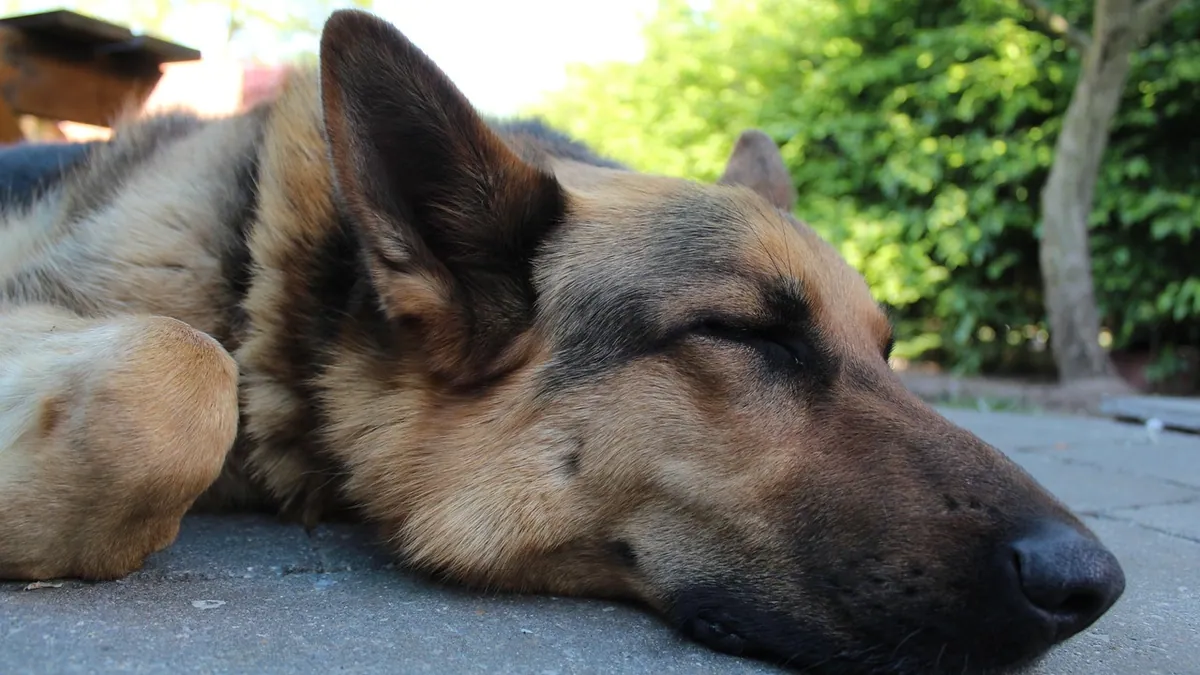
Pneumonia in dogs treatment usually means antibiotics for bacterial infection plus supportive care like oxygen, rest, and fluids. Mild cases can sometimes be managed at home under close veterinary supervision, but many dogs need hospitalization. Recovery takes weeks, and the exact plan depends on the cause, the severity, and your dog's overall health.
This article is educational and is not a substitute for veterinary diagnosis or treatment.
Quick Answer
- Bacterial pneumonia needs prescription antibiotics, and the choice depends on culture results, your dog's history, and how sick they are [1].
- Oxygen therapy and intravenous fluids are common in hospitalized dogs with breathing difficulty [1].
- Home treatment only works for stable dogs eating, drinking, and breathing comfortably at rest, and only with a veterinarian's approval.
- Never give human antibiotics or leftover pet antibiotics. The wrong drug can delay real treatment and fuel resistance [2].
- Most dogs improve within several days of starting the right antibiotic, but full recovery can take weeks and follow-up X-rays are often needed.
What Pneumonia Actually Is
Pneumonia is inflammation of the pulmonary parenchyma, which means the small airways, the tissue between them, and the tiny air sacs called alveoli [1]. When those air sacs fill with fluid, pus, or cells, oxygen cannot move into the blood the way it should. That is why pneumonia causes breathing trouble and low oxygen levels [3].
Dogs can get pneumonia from bacteria, viruses, fungi, parasites, or protozoa. They can also get it from inhaling vomit, food, or medication, which is called aspiration pneumonia [1]. The most common trigger is a viral infection of the lower respiratory tract that damages the airways and lets bacteria move in afterward [3]. Viruses linked to this include canine distemper virus, adenovirus types 1 and 2, canine influenza virus, and parainfluenza virus [3].
Signs Owners Notice
Early signs can look like a bad cold. You might hear a soft cough that gets worse over days. Your dog may seem tired, eat less, and run a fever [1]. Breathing may look faster or more effortful, and some dogs stand with their elbows out to help their chest expand.
As pneumonia worsens, you may see:
- A wet or productive cough
- Labored breathing or flared nostrils
- Blue or gray tint to the gums or tongue
- Refusing food and water
- Weakness or collapse
Any trouble breathing at rest is an emergency. Do not wait to see if it improves overnight.
Causes and Risk Factors
Anything that weakens the airway's defenses raises the risk. Viral infections top the list because they damage the lining of the airways and open the door to bacteria [3]. Inhaled irritants, parasites in the bronchi, and fungal infections can also cause pneumonia directly [3].
Aspiration is a major cause. It can follow persistent vomiting, abnormal movement of the esophagus, or improperly given medications and food, including forced feeding [3]. Dogs with megaesophagus are at high risk because food and liquid can pool and spill into the airway [4].
Breed and anatomy matter too. Primary ciliary dyskinesia, laryngeal dysfunction, and megaesophagus all predispose dogs to pneumonia [5]. Irish Wolfhounds can develop rhinitis bronchopneumonia syndrome as puppies and recurrent bacterial pneumonia as adults. Cavalier King Charles Spaniels and Miniature Dachshunds have a breed-related immune deficit that raises their risk of Pneumocystis pneumonia [5].
If you want to understand the many routes into the lungs, see How Does A Dog Get Pneumonia.
How Veterinarians Diagnose Pneumonia
Diagnosis starts with history and a physical exam. Your vet will ask about coughing, appetite, energy, vomiting, and any recent respiratory infection. They will listen to your dog's lungs and check breathing rate and effort [1].
Thoracic radiographs (chest X-rays) are the main imaging test. They show where the lung is affected and how severe it looks [1]. Blood work helps assess infection, inflammation, and oxygen status. In some cases, vets collect a bronchoalveolar lavage sample to culture the bacteria and find out which antibiotic will work [6].
Newer tools are being studied. One retrospective study looked at carboxyhemoglobin and methemoglobin levels in dogs with bacterial pneumonia and found differences compared with dogs without respiratory disease, but these markers did not clearly predict hospital stay length or oxygen ratios [7]. C-reactive protein has also been studied as a marker. In dogs with tick paralysis, a CRP cutoff of 20 mg/L had sensitivity and specificity estimates of 0.86 for detecting pneumonia, though the confidence intervals were wide [8]. These tests are supportive, not replacements for X-rays and culture.
If your dog has a chronic cough that is not responding to antibiotics, your vet may consider less common organisms. One case report described a dog with necrotizing E. coli pneumonia and pneumothorax that required surgery after antibiotics alone failed [6]. Another described Candida glabrata, a yeast, as part of an aspiration pneumonia in a dog with megaesophagus [4].
Treatment Options for Pneumonia in Dogs
Treatment depends on the cause, severity, and whether your dog can breathe comfortably. The core of care is supportive therapy plus antimicrobials when bacteria are involved [1].
Antibiotics for Bacterial Pneumonia
Antibiotics are the mainstay when bacteria are the cause. The specific drug is chosen based on culture and susceptibility testing when possible, or on your vet's best judgment when a sample cannot be collected [1].
Commonly used antibiotics in veterinary practice include:
- Ampicillin-sulbactam, often used for aspiration pneumonia
- Enrofloxacin, sometimes added for broader coverage
- Doxycycline, used for certain respiratory pathogens
- Amoxicillin-clavulanate, a common first-line option
A 2025 study in the Journal of the American Veterinary Medical Association compared dogs with aspiration pneumonia treated with ampicillin-sulbactam alone versus ampicillin-sulbactam plus enrofloxacin. The study found no significant difference in outcomes between the groups [9]. That does not mean one approach is always right. It means your vet can tailor the plan instead of automatically adding a second drug.
Antibiotic resistance is real. A dog in one case report had E. coli pneumonia that was resistant to doxycycline and amoxicillin-clavulanate but susceptible to enrofloxacin [6]. This is why culture matters when your dog is not improving.
Do not use human antibiotics or old pet antibiotics at home. Your vet calculates the dose from your dog's weight and health, and the wrong drug or dose can be harmful. For a broader look at when antibiotics help and when they do not, read Antimicrobial Stewardship in Canine Diarrhea: When Antibiotics Are Not the Answer.
Supportive Care
Supportive care keeps your dog comfortable while the body fights the infection. In hospitalized dogs, this often includes:
- Oxygen therapy for low blood oxygen [1]
- Intravenous fluids for hydration
- Nebulization and coupage to loosen secretions
- Anti-nausea medication if vomiting contributed to aspiration
- Nutritional support if your dog will not eat
Some dogs need a feeding tube or a change in how they are fed, especially if megaesophagus or swallowing problems are involved [4].
Surgery
Surgery is rare. It is reserved for complications like necrotizing pneumonia, lung lobe removal, or pneumothorax that does not resolve with medical treatment [6]. Your vet will discuss this only if the situation calls for it.
| Treatment | What It Does | Where It Happens |
|---|---|---|
| Antibiotics | Kills or stops bacteria | Home or hospital |
| Oxygen therapy | Raises blood oxygen | Hospital |
| IV fluids | Restores hydration | Hospital |
| Nebulization and coupage | Loosens airway secretions | Hospital or home |
| Surgery | Removes damaged lung tissue | Hospital |
Pneumonia in Dogs Recovery and Outlook
Recovery is a marathon, not a sprint. Many dogs start to breathe easier and eat better within a few days of starting the right antibiotic. Full recovery can take several weeks, and some dogs need follow-up chest X-rays to confirm the infection has cleared [6].
During recovery:
- Give every dose of medication on schedule. Stopping early can let the infection return.
- Keep your dog calm and rested. Short leash walks only until your vet says otherwise.
- Use a humidifier or take your dog into a steamy bathroom if your vet recommends it to help loosen mucus.
- Offer small, frequent meals if appetite is low.
- Keep follow-up appointments. Your vet may want to recheck breathing, listen to the lungs, and repeat imaging.
Some dogs have lingering damage or ongoing risk. Dogs with megaesophagus, laryngeal disease, or ciliary dyskinesia may need long-term management to prevent repeat episodes [5]. If your dog has a chronic cough after pneumonia, your vet may want to look for other causes. See Dog Coughing Treatment for more on managing cough at home and when it signals something more.
Pneumonia in Dogs Home Treatment: What Is Safe and What Is Not
Home treatment is only appropriate for dogs that are stable, eating, drinking, and breathing comfortably at rest, and only with clear instructions from your veterinarian. Even then, home care is supportive, not curative. Antibiotics still need to be prescribed and monitored by a vet.
Safe at home, with veterinary approval:
- Giving prescribed antibiotics exactly as directed
- Keeping your dog in a calm, quiet space
- Using a humidifier or steam to ease breathing
- Encouraging fluids and small meals
- Monitoring breathing rate at rest and writing it down
Not safe at home:
- Human antibiotics or leftover antibiotics from another pet
- Cough suppressants unless your vet prescribes them
- Forcing food or water when your dog is struggling to breathe
- Waiting out worsening symptoms
If your dog is working hard to breathe, has blue gums, or cannot stand, that is an emergency. Go to a veterinary hospital now.
Prevention
You cannot prevent every case, but you can lower the risk.
- Keep vaccinations current, especially for distemper, adenovirus, parainfluenza, and canine influenza [3].
- Manage underlying conditions like megaesophagus, laryngeal disease, and vomiting disorders with your vet [3][5].
- Feed carefully. Avoid forced feeding and follow your vet's instructions for any dog with swallowing problems [3].
- Treat respiratory infections early. A mild cough that lingers deserves a vet visit.
- Use antibiotics only when prescribed. Unnecessary antibiotics drive resistance [2].
For a deeper look at how respiratory infections are diagnosed and treated, see Canine Respiratory Infection: Diagnostic Approach and Treatment.
Limitations and When to Contact a Veterinarian
No article can tell you whether your dog has pneumonia or how sick they are. That takes a physical exam, imaging, and often lab work. Your veterinarian is the only one who can diagnose and treat your dog.
Call your vet the same day if your dog:
- Has a new cough lasting more than a day or two
- Is eating less or acting tired
- Has a fever or feels warm to the touch
- Is breathing faster than normal at rest
Go to an emergency clinic now if your dog:
- Struggles to breathe or breathes with the belly and chest
- Has blue, gray, or pale gums
- Collapses or cannot stand
- Coughs up blood
- Cannot keep food or water down
Routine follow-up visits matter too. If your dog is on antibiotics and not improving in two to three days, call your vet. The drug may need to change, or there may be another problem.
Frequently Asked Questions
How long does pneumonia last in dogs?
Most dogs improve within a few days of starting the right treatment, but full recovery often takes several weeks. Some dogs need follow-up X-rays to confirm the lungs have cleared. Your vet will tell you when it is safe to return to normal activity.
Can I treat my dog's pneumonia at home?
Only if your vet says your dog is stable enough and gives you a specific plan. Home care means giving prescribed antibiotics on schedule, resting your dog, and monitoring breathing. It does not mean using human medicine or skipping the vet.
What antibiotics treat pneumonia in dogs?
Vets commonly use ampicillin-sulbactam, enrofloxacin, doxycycline, and amoxicillin-clavulanate. The right choice depends on culture results, your dog's history, and how sick they are. Never give antibiotics without a prescription.
Is pneumonia contagious to other dogs?
Bacterial pneumonia itself is not usually contagious, but the viral infections that lead to it can spread between dogs. Keep a coughing dog away from others until your vet clears them. Make sure vaccinations are up to date.
When can my dog go back to normal activity?
Wait until your vet confirms the infection has cleared and your dog is breathing comfortably at rest. That usually means weeks, not days. Start with short walks and build up slowly.
Related Articles
- How Does A Dog Get Pneumonia
- Canine Respiratory Infection: Diagnostic Approach and Treatment
- Dog Coughing Treatment
- Ehrlichia in Dogs: Monocytic Ehrlichiosis Doxycycline Treatment
- Antimicrobial Stewardship in Canine Diarrhea: When Antibiotics Are Not the Answer
- What Is The Treatment For Ear Infection In Dogs
- Pneumonia in Dogs: Symptoms, Causes, and Prognosis
- Pneumonia in Dogs: How Long It Lasts and Survival Rate
- Pneumonia in Dogs on X-Ray: What Radiographs Show
- Bacterial Respiratory Infections in Cats: Etiology, Clinical Signs, and Treatment
References
- Pneumonia in Dogs and Cats - Respiratory System. Merck Veterinary Manual.
- Antibiotic prescribing in canine infectious respiratory disease. Preventive veterinary medicine, 2026.
- Pneumonia in Dogs - Dog Owners. Merck Veterinary Manual.
- Candida glabrata (Nakaseomyces glabratus) as a component of aspiration pneumonia in a dog with megaesophagus. The Canadian veterinary journal = La revue veterinaire canadienne, 2026.
- Breed Specific Pneumonia. The Veterinary clinics of North America. Small animal practice, 2026.
- Necrotizing E. coli pneumonia with subsequent pneumothorax in a dog: a case report. Frontiers in veterinary science, 2025.
- Retrospective analysis of carboxyhemoglobin and methemoglobin levels and their association with pneumonia severity in dogs. Research in veterinary science, 2026.
- A prospective cohort study of C-reactive protein as a marker of aspiration pneumonia in canine tick paralysis (Ixodes holocyclus). Australian veterinary journal, 2026.
- There is no significant difference in the treatment of aspiration pneumonia in dogs with ampicillin-sulbactam versus ampicillin-sulbactam and enrofloxacin. Journal of the American Veterinary Medical Association, 2025.