Pneumonia in Cats: Treatment and Home Care
By Dr. Zubair Khalid, DVM, MS, PhD ·
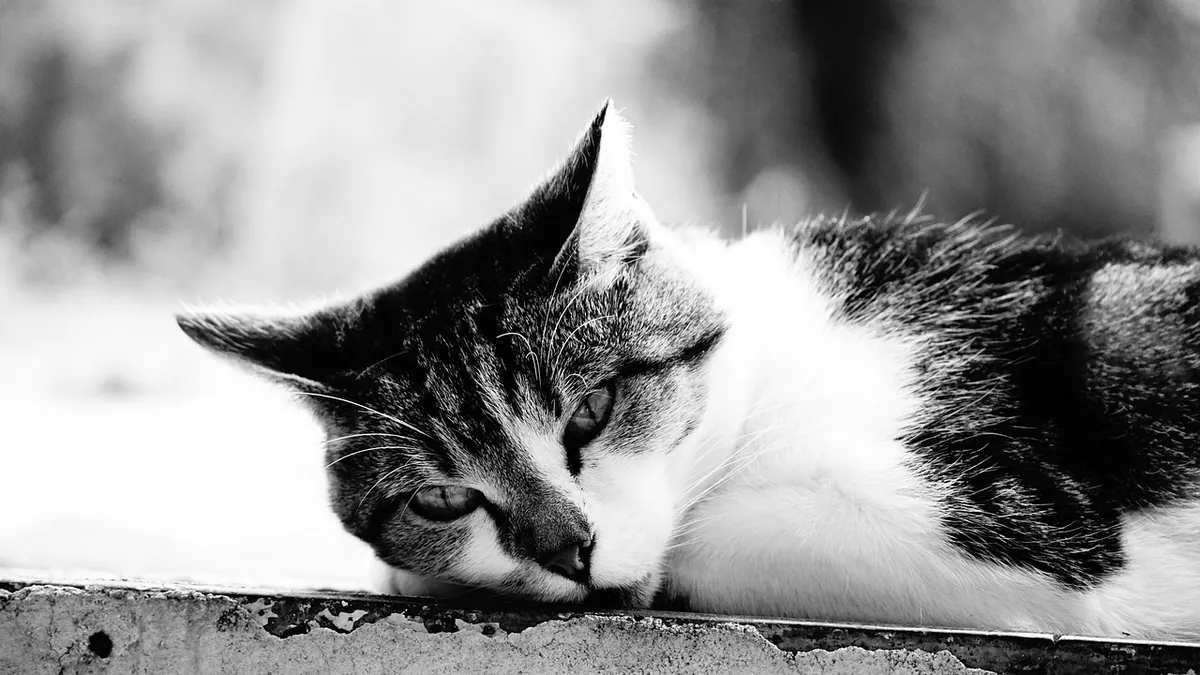
Pneumonia in cats treatment always starts with a veterinary diagnosis, because the cause could be viral, bacterial, fungal, or parasitic, and each one needs a different approach. Most cats need prescription medication, and some need oxygen or a hospital stay. Mild cases can finish recovery at home with careful nursing and close monitoring.
This article is educational and is not a substitute for veterinary diagnosis or treatment.
Quick Answer
- Pneumonia is lung inflammation that makes breathing hard and lowers oxygen in the blood. It is not something you can cure with leftover medicine or home remedies alone [1].
- Antibiotics only help bacterial pneumonia. Your vet picks the drug and dose based on your cat's weight, the suspected organism, and how sick your cat is [2].
- Home care means quiet rest, easy breathing space, good nutrition, and giving every dose exactly as prescribed. It does not mean treating the infection yourself.
- Trouble breathing, blue gums, or open-mouth breathing are emergencies. Go to a vet now, do not wait for an appointment.
- Never give human antibiotics, cough syrups, or pain relievers to a cat. Some are toxic, and the wrong drug can make pneumonia worse.
What Pneumonia in Cats Actually Is
Pneumonia is inflammation of the pulmonary parenchyma, which means the small airways, the tissue between them, and the tiny air sacs where oxygen crosses into the blood [2]. When those air sacs fill with fluid, pus, or inflammatory cells, oxygen cannot get through. Your cat breathes faster and harder but still feels air-starved.
Vets group pneumonia by cause. Viral pneumonia often follows a respiratory infection such as feline calicivirus, which damages the airways and opens the door to bacteria [1]. Bacterial pneumonia can involve organisms like Mycoplasma and Chlamydia [1]. Parasites such as lungworms and flukes can invade the bronchi, and fungal pneumonia also occurs in cats [1]. Aspiration pneumonia happens when vomit, food, or improperly given medication lands in the lungs instead of the stomach [1].
One more pattern worth knowing: a cat can inhale an irritant that injures the bronchial lining, which then invites a bacterial infection on top [1]. That is why smoke, aerosol sprays, and dusty litter can matter for a cat already struggling to breathe.
Signs Owners Notice First
Cats hide illness well, so pneumonia often looks like "something is off" before it looks like a breathing problem.
- Coughing, sometimes wet or productive [2]
- Fast or labored breathing, even at rest
- Fever and lethargy [2]
- Not eating or losing interest in food [2]
- Sitting with elbows out, neck stretched, or head lowered
- Noisy breathing, wheezing, or a rattling sound
- Gums that look pale, gray, or blue
A cat with a mild cough and a normal appetite may have a simple airway issue. A cat who is working to breathe needs urgent care. If your cat is coughing but breathing comfortably, our guide to Cat Coughing Treatment At Home can help you decide what to watch for while you arrange a visit.
Causes and Risk Factors
The most common cause of pneumonia is a viral infection of the lower respiratory tract [1]. Feline calicivirus is a classic trigger because it damages the airways and makes the lungs vulnerable to secondary infection [1].
Other causes include bacteria such as Mycoplasma and Chlamydia, protozoa such as Toxoplasma gondii, lungworms and flukes, and fungi [1]. Aspiration pneumonia can follow persistent vomiting, force feeding, or improperly administered medications, and it can also occur in a newborn with a cleft palate who aspirates while nursing [1].
Risk goes up in cats who are very young, very old, or living with other illnesses. Cats in crowded shelters or multi-cat homes face more exposure to respiratory viruses. A recent study of cats with rhinitis found Mycoplasma species in 28.3 percent of affected cats versus 5.4 percent of healthy controls, and Mycoplasma felis appeared in 21.7 percent of rhinitis cases but none of the controls [3]. Feline herpesvirus was also more common in the rhinitis group, at 39.1 percent versus 8.1 percent [3]. Those numbers are about rhinitis, not pneumonia, but they show how often respiratory organisms cluster in cats with upper airway disease.
Rare causes exist too. One case report described a cat with nodular pyogranulomatous pneumonia linked to Besnoitia darlingi, a protozoan never before reported in feline pneumonia [4]. Another report described acute fibrinous and organizing pneumonia in a person after cat scratch disease from Bartonella henselae [5]. These are uncommon, but they show why a vet may run more than one test.
How Vets Diagnose Pneumonia
Diagnosis is based on history, clinical signs, chest radiographs, and other laboratory testing [2]. Expect your vet to ask about coughing, appetite, breathing changes, recent illness, vomiting, and any medications you have given.
A typical workup includes:
- A full physical exam with lung sounds and breathing rate
- Chest X-rays to see where and how much lung is affected
- Blood work to check organ function and look for infection
- Airway sampling, such as a tracheal wash or bronchoalveolar lavage, to identify bacteria
- Culture and sensitivity testing so the antibiotic matches the organism
- PCR testing for viruses, Mycoplasma, and other organisms when indicated
Your vet may also test for heart disease or other conditions that cause similar signs. Pneumonia and heart failure can look alike on the outside, and the treatment is completely different.
Pneumonia in Cats Treatment: What Vets Prescribe
Treatment is supportive care, including oxygen, plus antimicrobial therapy when it is indicated [2]. That single sentence covers a lot of decisions.
Antibiotics and Other Antimicrobials
Antibiotics are for bacterial pneumonia. Your vet chooses the drug based on the suspected or confirmed organism, your cat's weight, kidney and liver function, and how sick your cat is [2]. Common choices in feline practice include doxycycline, amoxicillin-clavulanate, and enrofloxacin, but the right one for your cat depends on culture results and your vet's judgment. Never start a leftover antibiotic from a previous illness.
Dose is always calculated by your veterinarian from your cat's weight and health. There is no safe at-home dose chart for this.
How long your cat stays on antibiotics is also a veterinary decision. A 2026 systematic review and meta-analysis in the Journal of the American Veterinary Medical Association examined whether shorter antibiotic courses work as well as longer ones for bacterial pneumonia in dogs and cats, and the authors noted that recommended courses often exceed those used in human medicine [6]. That does not mean you should stop early. It means your vet may recheck and adjust the plan instead of defaulting to a long course.
Oxygen and Hospital Support
Cats in respiratory distress often need oxygen, and some need intensive care. A case report described a 1-year-old cat with calicivirus pneumonia who developed acute respiratory distress syndrome and required mechanical ventilation [7]. The cat received intratracheal porcine surfactant, and lung compliance improved from 2.4 to 3.1 ml/cmH2O after the dose [7]. That is an extreme example, and it shows how far treatment can go in a hospital setting. It is not something an owner can replicate at home.
Supportive Care
Supportive care can include oxygen, fluids, nebulization, coupage (gentle chest tapping to loosen mucus), appetite support, and sometimes a feeding tube. Your vet may also treat the underlying trigger, such as a viral infection or a parasite.
Surgery in Rare Cases
Surgery is uncommon for feline pneumonia, but it happens when infection and necrosis destroy lung tissue or cause air to leak into the chest. A case report described a dog with necrotizing E. coli pneumonia and pneumothorax who needed a lung lobe removed after antibiotics alone could not clear the infection [8]. Cats can face similar complications, which is one reason early treatment matters.
| Situation | Typical Setting | What Happens |
|---|---|---|
| Mild pneumonia, eating and breathing comfortably | Home with vet supervision | Oral antibiotics, rest, monitoring, recheck visit |
| Moderate pneumonia, low appetite, some effort to breathe | Hospital or day treatment | Oxygen, fluids, injectable antibiotics, then home |
| Severe pneumonia, distress, low oxygen | Hospitalization | Continuous oxygen, IV medications, possible ventilation [7] |
| Necrotizing infection or air leak | Surgery plus hospital care | Lung lobe removal and intensive recovery [8] |
Home Care You Can Safely Do
Home care supports treatment. It does not replace it. Here is what is safe and useful.
Give Every Dose on Schedule
Antibiotics work only if they stay in your cat's system at the right level. Set phone alarms. If you miss a dose, call your vet for instructions instead of doubling up.
Keep the Air Clean and Calm
No smoking indoors. Skip scented candles, plug-ins, and aerosol sprays. Use dust-free or low-dust litter. Keep your cat in a quiet room away from other pets and children during recovery.
Make Rest Easy
Offer a warm, draft-free bed. Raise food and water bowls slightly if your cat prefers eating with the head up. Keep the litter box close so your cat does not have to walk far.
Support Eating and Drinking
A cat who will not eat cannot heal well. Warm wet food slightly to boost the smell. Offer small meals often. Ask your vet about appetite stimulants or a temporary feeding tube if your cat refuses food for more than a day.
Watch Breathing at Home
Count breaths while your cat sleeps. Normal resting breathing in a healthy cat is usually under 30 breaths per minute. Write down the number each day. A rising rate is an early warning sign.
Do Not Do These Things
- Do not give human antibiotics, cough medicine, or pain relievers
- Do not use a humidifier with added oils or menthol
- Do not force feed a cat who is struggling to breathe
- Do not stop antibiotics early because your cat looks better
If your cat has a concurrent upper respiratory infection with sneezing and nasal discharge, our article on Cat Upper Respiratory Infection Treatment covers the home nursing side in more detail.
Recovery, Outlook, and Long-Term Management
Most cats who get prompt treatment improve within a few days, though full recovery can take weeks. Your vet will likely want a recheck exam and possibly repeat X-rays to confirm the lungs are clearing.
Some cats have lasting airway damage after a severe infection. Those cats may cough more easily, react to smoke or dust, or need periodic monitoring. A cat who had aspiration pneumonia may need changes to how medications are given or how vomiting is managed.
Keep a simple log at home. Note breathing rate, appetite, energy, and any coughing. Bring it to recheck visits. Patterns you see at home often guide the next treatment step.
Prevention
You cannot prevent every case, but you can lower the odds.
- Keep vaccines current, especially for feline calicivirus and feline herpesvirus
- Treat dental disease and other infections early
- Give medications exactly as directed to reduce aspiration risk
- Do not force feed a vomiting cat
- Keep the home smoke-free and low-dust
- Isolate a new cat for a few weeks before introducing them to resident cats
- Schedule prompt vet visits for any cough lasting more than a few days
If your cat has a history of urinary issues and you are managing multiple problems at once, our guides on Treating Urinary Tract Infection In Cats At Home and Treatment Of Urinary Tract Infection In Cats can help you keep track of medications and symptoms.
Limitations and When to Contact a Veterinarian
Home care has real limits. Pneumonia can worsen quickly, and a cat who seems stable in the morning can be in crisis by evening. Individual cases need a veterinarian, so use these guidelines as a starting point, not a substitute for an exam.
Go to an emergency clinic now if you see:
- Open-mouth breathing or panting
- Blue, gray, or white gums
- Breathing rate over 40 per minute at rest
- Collapse, weakness, or unresponsiveness
- Gasping or extending the neck to breathe
Call your vet the same day if you see:
- A new or worsening cough
- Breathing rate creeping up from your baseline
- Refusing food for more than 24 hours
- Fever, hiding, or crying when picked up
- Vomiting after medication
Schedule a routine visit if:
- Your cat finished antibiotics but still coughs
- You notice a mild cough that has lasted more than a few days
- Your cat has a chronic respiratory condition and you want a monitoring plan
Frequently Asked Questions
Can I treat cat pneumonia at home without seeing a vet?
No. Pneumonia needs a diagnosis and prescription treatment, and the cause determines which drug will work [2]. Home care only supports veterinary treatment. A cat with pneumonia who gets no medication can decline fast.
What antibiotics do vets use for pneumonia in cats?
Vets choose based on the organism and your cat's health, and common options include doxycycline, amoxicillin-clavulanate, and enrofloxacin. The exact drug and dose come from your veterinarian after an exam and often after culture testing [2]. Never use leftover antibiotics from another pet or a previous illness.
How long does it take for a cat to recover from pneumonia?
Many cats start improving within a few days of starting the right treatment, but full recovery can take weeks. Your vet will decide when to recheck and when to stop medication. A recent review noted that recommended antibiotic courses for pets often run longer than human courses, so ask your vet about the plan for your cat [6].
Is pneumonia contagious to my other cats?
It depends on the cause. Viral triggers like feline calicivirus spread easily between cats, and bacterial organisms such as Mycoplasma and Chlamydia can pass between them too [1]. Keep your sick cat separated, wash your hands between cats, and clean bowls and bedding often.
Can pneumonia in cats be fatal?
Yes, pneumonia can be fatal, especially when it causes severe oxygen loss or acute respiratory distress [7]. Free-roaming cats are at particular risk because infections and underlying disease often go untreated [9]. Early veterinary care gives your cat the best chance.
What should I feed a cat recovering from pneumonia?
Offer warm, smelly wet food in small amounts several times a day. Good nutrition supports healing, and a cat who will not eat needs veterinary help. Ask your vet about appetite stimulants or assisted feeding if your cat refuses food for more than a day.
Related Articles
- Cat Coughing Treatment At Home
- Cat Upper Respiratory Infection Treatment
- Treating Urinary Tract Infection In Cats At Home
- Treatment Of Urinary Tract Infection In Cats
- Treating Urinary Tract Infection In Cats
- Cat Diarrhea Home Treatment
- Pneumonia in Cats: Symptoms, Causes, and Survival
- Is Cat Pneumonia Contagious to Other Cats?
- Cat Breathing Treatments: Medicines and Home Care
- Bacterial Respiratory Infections in Cats: Etiology, Diagnosis, and Treatment
References
- Pneumonia in Cats - Cat Owners. Merck Veterinary Manual.
- Pneumonia in Dogs and Cats - Respiratory System. Merck Veterinary Manual.
- EXPRESS: Detection of Mycoplasma species and respiratory pathogens in cats with rhinitis and healthy cats. Journal of feline medicine and surgery, 2026.
- Nodular pyogranulomatous pneumonia associated with Besnoitia darlingi infection in a cat. Journal of veterinary diagnostic investigation : official publication of the American Association of Veterinary Laboratory Diagnosticians, Inc, 2026.
- Acute fibrinous and organizing pneumonia induced by cat scratch disease: a first case report. Frontiers in medicine, 2025.
- Shorter versus longer durations of antibiotic treatment for pneumonia in dogs and cats: a systematic review and meta-analysis. Journal of the American Veterinary Medical Association, 2026.
- Administration of porcine surfactant in the treatment of a fatal case of acute respiratory distress syndrome in a cat with calicivirus pneumonia. JFMS open reports, 2026.
- Necrotizing E. coli pneumonia with subsequent pneumothorax in a dog: a case report. Frontiers in veterinary science, 2025.
- Morphological patterns of pneumonia in free-roaming cats: a necropsy and histopathological study. Frontiers in veterinary science, 2026.