What Is The Treatment For Ear Infection In Dogs
By Dr. Zubair Khalid, DVM, MS, PhD ·
Key Takeaways
- Prompt veterinary diagnosis is paramount, involving otoscopic examination and cytology to identify causative agents such as bacteria (Staphylococcus, Pseudomonas), yeast (Malassezia pachydermatis), or parasites, and to assess the integrity of the tympanic membrane.
- Treatment for otitis externa typically combines thorough ear canal cleaning to remove exudate and debris, followed by the application of topical medications containing antibiotics, antifungals, and corticosteroids to address infection and inflammation.
- Oral antibiotics or antifungals may be indicated for severe, chronic, or middle/inner ear infections, or when the eardrum is ruptured, while oral corticosteroids can be used short-term for significant inflammation.
- Addressing underlying etiologies, particularly allergies (food or environmental), is critical for long-term management and may involve dietary trials, immunotherapy, or environmental modifications.
- Home care necessitates strict adherence to prescribed medication regimens, keeping ears dry, and avoiding unproven home remedies like vinegar or alcohol, which can cause irritation or exacerbate infection.
- Recurrent or refractory cases warrant referral to a veterinary dermatologist for advanced diagnostics and specialized treatments, potentially including surgical interventions like total ear canal ablation (TECA) in end-stage disease.
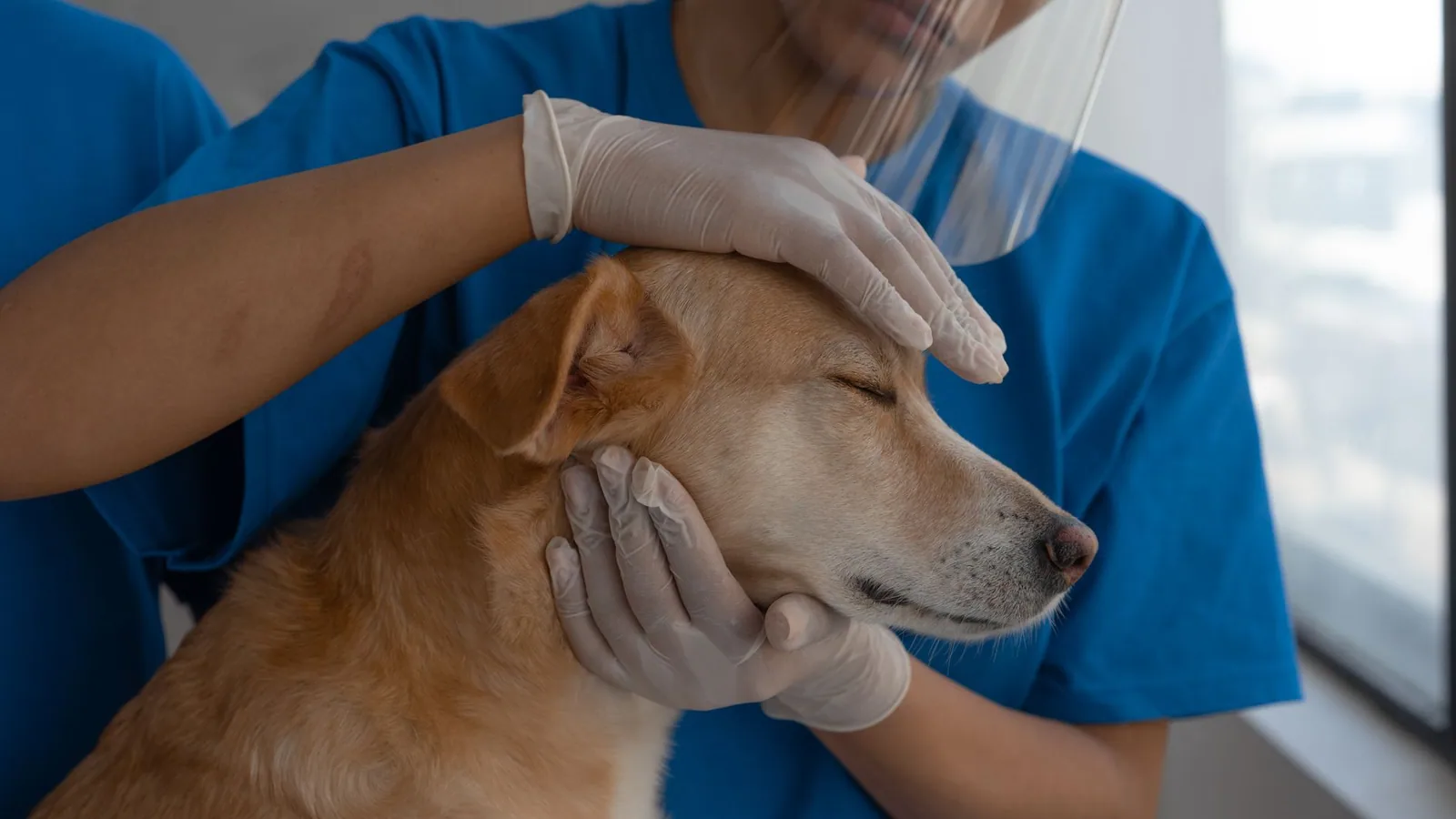
Ear infections (otitis externa) are one of the most common reasons dogs visit the veterinarian. While it can be tempting to try home remedies, the correct treatment depends on the underlying cause, which may involve bacteria, yeast, allergies, or foreign bodies. This article explains the standard clinical approach to treating ear infections in dogs, what you can do at home, and how to prevent recurrence.
Quick Q&A: Common Questions
Question: Why is my dog shaking its head and scratching its ear?
Answer: Head shaking and ear scratching are classic signs of an ear infection. These behaviours are the dog's attempt to relieve irritation caused by inflammation, discharge, or a foreign object. Prompt veterinary evaluation is essential because vigorous shaking can lead to a hematoma (a blood blister) in the ear flap, which requires additional treatment.
Understanding the Types of Ear Infection
Before discussing treatment, it helps to understand that not all ear infections are the same. Your veterinarian will classify the infection by location and cause:
- Otitis externa: Infection of the outer ear canal (most common).
- Otitis media: Infection of the middle ear (often secondary to chronic externa).
- Otitis interna: Infection of the inner ear (rare, but serious; can cause balance issues).
The most common causes include:
- Bacterial infections (e.g., Staphylococcus, Pseudomonas)
- Yeast infections (e.g., Malassezia pachydermatis)
- Parasites (e.g., ear mites, especially in puppies)
- Allergies (food or environmental) are the leading underlying cause in many cases.
Veterinary Diagnosis: The First Step
Treatment always begins with a proper diagnosis. Your veterinarian will perform:
- Otoscopic examination: To visualise the ear canal and eardrum.
- Cytology: A swab of ear discharge is examined under a microscope to identify bacteria, yeast, or mites.
- Culture and sensitivity: If bacteria are present, this test determines which antibiotic will be most effective (especially for chronic or resistant infections).
According to the AAHA (American Animal Hospital Association) guidelines, cytology is essential before initiating therapy. Treating blindly with over-the-counter products can delay healing and promote resistance.
Medical Treatment Options
The standard treatment for a simple outer ear infection involves a combination of:
1. Cleaning the Ear Canal
Your vet will likely clean the ears thoroughly to remove debris, discharge, and excess wax. This step is crucial because medications cannot penetrate a clogged canal. In severe cases, sedation may be needed for a deep flush.
At home, your vet may recommend a veterinary ear cleaner (not alcohol or hydrogen peroxide, which can irritate). Proper cleaning technique involves:
- Filling the ear canal with cleaner.
- Massaging the base of the ear for 30 seconds.
- Allowing your dog to shake its head.
- Gently wiping away loosened debris with a cotton ball (never use cotton swabs inside the canal).
2. Topical Medications
Most ear infections are treated with prescription ear drops or ointments. These typically contain:
- Antibiotics (e.g., gentamicin, moxifloxacin) for bacterial infections.
- Antifungals (e.g., clotrimazole, miconazole) for yeast.
- Corticosteroids (e.g., hydrocortisone, dexamethasone) to reduce inflammation and pain.
Your vet will advise how often to apply the medication (usually twice daily) and for how long (typically 7 to 14 days). It is critical to complete the full course, even if your dog seems better.
3. Oral Medications
Oral antibiotics or antifungals may be prescribed for:
- Severe or chronic infections.
- Infections involving the middle or inner ear.
- Cases where the eardrum is ruptured (topical drops can be harmful).
Oral steroids (e.g., prednisone) are sometimes used short-term to control severe inflammation and pain.
4. Treating Underlying Causes
If allergies are the root cause, your vet may recommend:
- Dietary trials (hypoallergenic food).
- Allergy testing and immunotherapy (allergy shots or drops).
- Environmental management (e.g., avoiding pollen, dust mites).
Home Care and What to Avoid
You can support your dog's recovery at home, but there are important do's and don'ts:
Do:
- Follow the prescribed medication schedule exactly.
- Keep the ears dry (use a cotton ball during baths).
- Use an Elizabethan collar (cone) if your dog scratches excessively.
- Monitor for signs of improvement (reduced odour, discharge, shaking).
Don't:
- Use home remedies like vinegar, alcohol, or essential oils without veterinary approval. They can burn inflamed tissue or worsen infection.
- Skip follow-up visits. Your vet needs to recheck the ear to confirm the infection is resolved.
- Assume it's "just an ear infection" if it keeps coming back. Recurrent infections often point to an underlying allergy or anatomical issue.
Prevention: Long-Term Ear Health
Preventing ear infections is often easier than treating them. Consider these strategies:
- Routine ear checks: Look for redness, odour, or discharge weekly.
- Regular cleaning: Use a vet-recommended cleaner after swimming or bathing, especially for dogs with floppy ears (e.g., Cocker Spaniels, Labradors).
- Manage allergies: Work with your vet to identify and control triggers.
- Diet: Omega-3 fatty acid supplements may help reduce inflammation in some dogs.
When to See a Specialist
If your dog has recurrent or persistent ear infections despite appropriate therapy, your vet may refer you to a veterinary dermatologist. These specialists can perform advanced diagnostics (e.g., video otoscopy, CT scans) and offer treatments such as:
- Total ear canal ablation (TECA): Surgery to remove the diseased ear canal in severe, end-stage cases.
- Topical or systemic immunomodulators: For allergic dogs.
Summary
The treatment for ear infection in dogs is not a one-size-fits-all approach. It begins with a veterinary diagnosis to identify the specific cause (bacteria, yeast, mites, or allergy) and rule out eardrum damage. Treatment typically involves thorough ear cleaning, topical medications, and sometimes oral drugs. Home care is vital, but avoid unproven remedies. Prevention through regular ear maintenance and allergy management is the best long-term strategy. Always consult your veterinarian before starting any treatment.