Neck Pain in Dogs: How to Treat It and When to See a Vet
By Dr. Zubair Khalid, DVM, MS, PhD ·
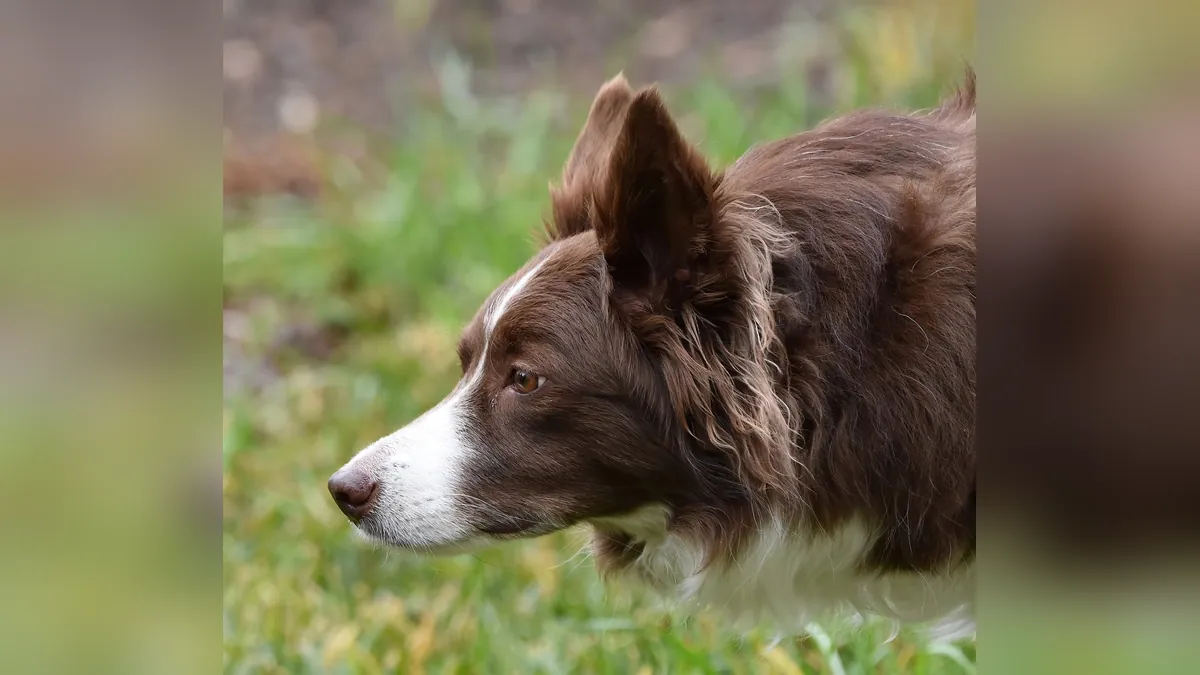
Neck pain in dogs is usually treated with strict rest, pain medication prescribed by a veterinarian, and a plan to address the underlying cause. Mild cases often improve with crate rest and anti-inflammatory drugs, but disc disease and other serious problems need a veterinary exam and sometimes imaging or surgery. This article is educational and is not a substitute for veterinary diagnosis or treatment.
Quick Answer
- See a veterinarian first. Neck pain can come from a muscle strain or from a slipped disc pressing on the spinal cord, and the two look similar at home [1].
- Restrict movement right away. Use a crate or a small pen, keep walks to brief bathroom breaks, and avoid stairs, jumping, and rough play.
- Do not give human pain relievers. Common over-the-counter medicines can make pets very sick or even cause death, so check with your veterinarian before giving anything [2].
- Watch for emergency signs. Trouble walking, wobbling, dragging a limb, or sudden crying out means a same-day or emergency visit.
- Expect a hands-on exam. Your vet will check neck mobility, neurologic reflexes, and may recommend X-rays or an MRI.
What Neck Pain Looks Like in Dogs
Dogs do not always show pain the way people do. When predators like dogs are in pain, they often cry or whimper and act differently than usual [3]. Still, many dogs with neck pain are quiet about it, and owners notice only that something is off.
Common signs include:
- Holding the head low or stiff, or refusing to turn the head
- Crying out when the neck or collar is touched
- Reluctance to go up or down stairs, jump on the couch, or lift the head to eat
- A stiff, guarded walk with the neck extended forward
- Yelping when picked up under the chest or when the leash is tugged
- Changes in appetite, sleep, or mood
Spontaneous vocalization is a real presenting sign. In one review of 115 dogs brought to a veterinary institution for unexplained crying out, cervical myelopathy was the most common finding, and intervertebral disc extrusion was the most frequent single diagnosis [1]. In other words, a dog that suddenly cries for no clear reason may have a neck problem.
Some signs are normal and some are not. A dog that stretches after a nap or shakes its head once is fine. A dog that yelps when you touch its neck, holds its head at an odd angle for hours, or seems unable to lift its food bowl is not.
Main Causes of Neck Pain in Dogs
Neck pain has many possible causes, and the list overlaps with conditions that affect the spinal cord. A veterinarian sorts these out with an exam and, when needed, imaging.
| Cause | Typical clues | How urgent |
|---|---|---|
| Intervertebral disc disease (slipped disc) | Sudden yelping, stiff neck, reluctance to move, sometimes wobbling or weakness | Urgent, same day |
| Muscle strain or soft tissue injury | Pain after jumping, rough play, or a slip, no weakness | Usually routine, but rest and a vet check are wise |
| Cervical spondylomyelopathy (wobbler syndrome) | Slow onset, unsteady rear legs, neck pain in larger breeds | Urgent, needs imaging |
| Neck or spinal tumor | Older dog, progressive pain, weight loss, neurologic decline | Urgent |
| Meningitis or other inflammatory disease | Fever, neck pain, crying out, sometimes multiple limbs affected | Emergency |
| Atlantoaxial instability | Small breeds, sudden severe pain, head tilt, weakness | Emergency |
| Nerve root or vascular problems | Lameness in one front leg with neck pain | Urgent |
Disc disease is the most common cervical problem in small dogs. A review of 270 dogs that had cervical MRI found a higher proportion of intervertebral disc disease in small dogs and more neoplasia (tumors) in large dogs [4]. That pattern matters because it shapes what your veterinarian will suspect first.
Cervical pain also shows up differently depending on how fast the problem started. In a study of 112 non-chondrodystrophic dogs with confirmed cervical lesions, clinical onset (acute versus chronic) was linked to how the pain was expressed [5]. Acute onset cases tended to be more painful and more likely to be ambulatory.
Some causes are rare and specific. One case report described a 2-year-old Greyhound with chronic neck pain and right forelimb lameness caused by an enlarged vertebral venous plexus, treated with ultrasound-guided perineural corticosteroid injections after medication and physiotherapy failed [6]. This is not a common diagnosis, but it shows why imaging matters when pain does not respond to standard care.
Red Flags That Mean Emergency Care
Call an emergency clinic right away if your dog has any of these:
- Cannot walk, or drags one or more limbs
- Wobbles, crosses the legs, or knuckles over on a paw
- Cries out continuously or cannot be comforted
- Cannot lift the head to eat or drink
- Has a head tilt, rapid eye movements, or a sudden change in behavior
- Loses bladder or bowel control
- Seems unable to breathe comfortably or has a rigid, extended neck
These signs suggest the spinal cord or nerves are involved, not just muscles. Time matters with spinal cord compression.
Treating Neck Pain in Dogs at Home
Home care supports veterinary treatment. It does not replace it.
Strict rest
Rest is the backbone of treating neck pain in dogs. Confine your dog to a crate or a small, padded area. Keep the neck from bending or twisting. Use a harness instead of a collar, and keep the leash short. No stairs, no furniture jumping, no tug games, no roughhousing with other pets. Ask your veterinarian how long rest should last, because it depends on the diagnosis.
Pain medication only from your vet
Pain from injury or disease is usually treated with one or more pain-relieving drugs, and the choice depends on how bad the pain is, your pet's overall health, and which drugs work best for that species [7]. For serious injuries, vets often combine different types of pain-relieving drugs [7].
Never give your dog ibuprofen, acetaminophen, naproxen, or aspirin without veterinary direction. Even some human medicines that do not need a prescription can make pets very sick or even cause death [2]. Your veterinarian will calculate the dose from your dog's weight and health.
Comfort and handling
- Support the chest and hindquarters together when lifting, keeping the spine level.
- Feed and water at a raised height so your dog does not have to lower the head.
- Keep the environment quiet. Animals in pain can also feel anxious, and vets may add anti-anxiety drugs after pain medicine [7].
- Use a flat, supportive bed. Avoid soft couches where your dog might sink or slip.
What not to do
- Do not massage or stretch the neck unless your vet shows you how.
- Do not use heat or ice packs on the neck without veterinary guidance.
- Do not let your dog "work it out" with exercise.
- Do not stop prescribed medication early because your dog seems better.
If your dog has other painful skin or ear issues at the same time, see our guides on Dog Ear Infection with Pain: How to Tell and What to Do and Dog Itchy Skin: When to See the Vet and How to Help.
What Your Veterinarian Will Check and Test
Your vet starts with a full physical and neurologic exam.
- History. When the pain started, what your dog was doing, whether it has happened before.
- Neck palpation. Gentle pressure and movement to find where it hurts.
- Neurologic exam. Reflexes, paw placement, proprioception, and gait to check the spinal cord.
- Vital signs. Heart rate, breathing rate, and blood pressure can help assess pain, especially after serious injury, though normal vital signs do not rule out pain [3].
If the exam points to the spine, your vet may recommend:
- X-rays. Useful for bone and some disc changes, but they cannot show the spinal cord.
- MRI. The standard for finding disc herniation, tumors, and spinal cord compression.
- Blood work. To rule out infection, inflammation, and to check organ function before medication.
- Cerebrospinal fluid analysis. Sometimes used when meningitis or inflammatory disease is suspected.
Treatment depends on the cause. Options include:
- Medical management. Rest plus pain control, often with several drugs used together [7].
- Multimodal analgesia. Combining local anesthetics, an opioid, and an anti-inflammatory gave the most rapid and sustained pain relief in a study of 205 small-breed dogs after orthopedic surgery, with all patients reaching pain resolution by 48 hours [8]. The same principle of combining drug classes applies to many painful conditions.
- Surgery. For disc disease or instability that presses on the spinal cord. One study compared two surgical techniques for disc-associated cervical spondylomyelopathy in 25 dogs and found that outcomes varied by technique, with deterioration more common after prosthetic disc placement [9].
- Targeted injections. In selected cases, ultrasound-guided perineural corticosteroid injections have been used for refractory neck pain [6].
Because pain signs can be hard to see, vets might give pain medicine and watch for signs of improvement [7]. That is one reason follow-up matters.
Preventing and Monitoring Neck Pain
You cannot prevent every cause, but you can lower the risk and catch problems early.
- Keep your dog lean. Extra weight strains the neck and back.
- Use a harness. A collar and leash can jerk the neck, especially if your dog lunges.
- Limit jumping. Block furniture access for dogs with a history of neck or back problems.
- Warm up before hard play. A few minutes of walking before fetch or agility.
- Watch for subtle changes. A dog that stops jumping into the car or hesitates on stairs may be telling you something.
- Keep follow-up appointments. Recheck exams catch relapse before it becomes severe.
If your dog has a burn or skin injury on top of neck pain, our article on How to Treat Minor Dog Burns at Home and When to See a Vet covers safe first aid.
Limitations and When to Contact a Veterinarian
This article cannot tell you what is causing your dog's neck pain. Only a veterinarian can examine your dog, interpret imaging, and prescribe treatment. Individual cases need a veterinarian.
Call now (emergency): inability to walk, dragging limbs, loss of bladder or bowel control, continuous crying, trouble breathing, or a sudden severe decline.
Call the same day: neck pain after a fall or accident, pain that started suddenly, pain with any weakness or wobbling, or a dog that cannot lift its head to eat.
Schedule a routine visit: mild stiffness that comes and goes, pain after mild activity, or a dog that seems uncomfortable but is still walking and eating normally.
If you are unsure, call your veterinarian. A phone call costs nothing and can prevent a small problem from becoming a spinal cord emergency.
Frequently Asked Questions
Can I give my dog ibuprofen or aspirin for neck pain?
No. Human pain relievers can be toxic to dogs, and even some nonprescription human medicines can make pets very sick or cause death [2]. Your veterinarian will choose a dog-safe pain medication and calculate the dose from your dog's weight and health.
How long does neck pain in dogs usually last?
It depends on the cause. Muscle strains often improve within days to a couple of weeks with rest, while disc disease can take longer and may need surgery. Your veterinarian will give you a timeline based on the diagnosis and recheck your dog if it is not improving.
Should I use a collar or a harness while my dog recovers?
Use a harness. A collar puts pressure directly on the neck and can worsen pain, especially if your dog pulls. Keep the leash short and avoid any jerking motion during walks.
Can neck pain in dogs go away on its own?
Mild soft tissue pain sometimes settles with rest, but you cannot tell at home whether the cause is a muscle strain or a disc pressing on the spinal cord. Because untreated spinal cord compression can cause permanent damage, a veterinary exam is the safer choice.
What tests will my vet run for neck pain?
Most vets start with a physical and neurologic exam, then recommend X-rays or an MRI if the spine is involved. MRI is the best way to see disc herniation, tumors, and spinal cord compression, and blood work is often done before starting medication.
Related Articles
- How to Treat Minor Dog Burns at Home and When to See a Vet
- Dog Ear Infection: How to Spot It and When to See the Vet
- Dog Itchy Skin: When to See the Vet and How to Help
- Dog Ear Infection with Pain: How to Tell and What to Do
- How to Treat a Dog's Burn at Home: First Aid and When to See the Vet
- Dog Hot Spot on Leg: How to Treat and When to See a Vet
- Neck and Back Pain in Dogs: Symptoms, Causes, and Treatment
- Stiff Neck in Dogs: Home Care and When to See a Vet
- Back Pain in Dogs: Causes, Signs and When to See a Vet
References
- Spontaneous vocalisation as a presenting clinical sign in dogs: An association with cervical localisation and intervertebral disc disease. The Veterinary record, 2026.
- Pain and Pain Management in Pets - Special Pet Topics. Merck Veterinary Manual.
- Recognizing and Assessing Pain in Animals - Special Pet Topics. Merck Veterinary Manual.
- Magnetic resonance imaging of dogs with cervical disease revealed a higher proportion of intervertebral disk disease in small dogs and neoplasia in large dogs. American journal of veterinary research, 2026.
- Cervical Pain in Non-Chondrodystrophic Dogs: Associations with Clinical Onset, Neurological Group and Disease Category. Animals : an open access journal from MDPI, 2026.
- Use of ultrasound-guided percutaneous perineural corticosteroid injections for refractory cervical pain secondary to vertebral venous system abnormality in a dog. Journal of veterinary internal medicine, 2026.
- Pain Treatment in Animals - Special Pet Topics. Merck Veterinary Manual.
- Multimodal Analgesia Provides Superior Postoperative Pain Control Following Orthopedic Surgery in Small-Breed Dogs. Animals : an open access journal from MDPI, 2026.
- Comparison of Two Surgical Techniques for the Treatment of Canine Disc Associated-Cervical Spondylomyelopathy. Frontiers in veterinary science, 2022.