Stiff Neck in Dogs: Home Care and When to See a Vet
By Dr. Zubair Khalid, DVM, MS, PhD ·
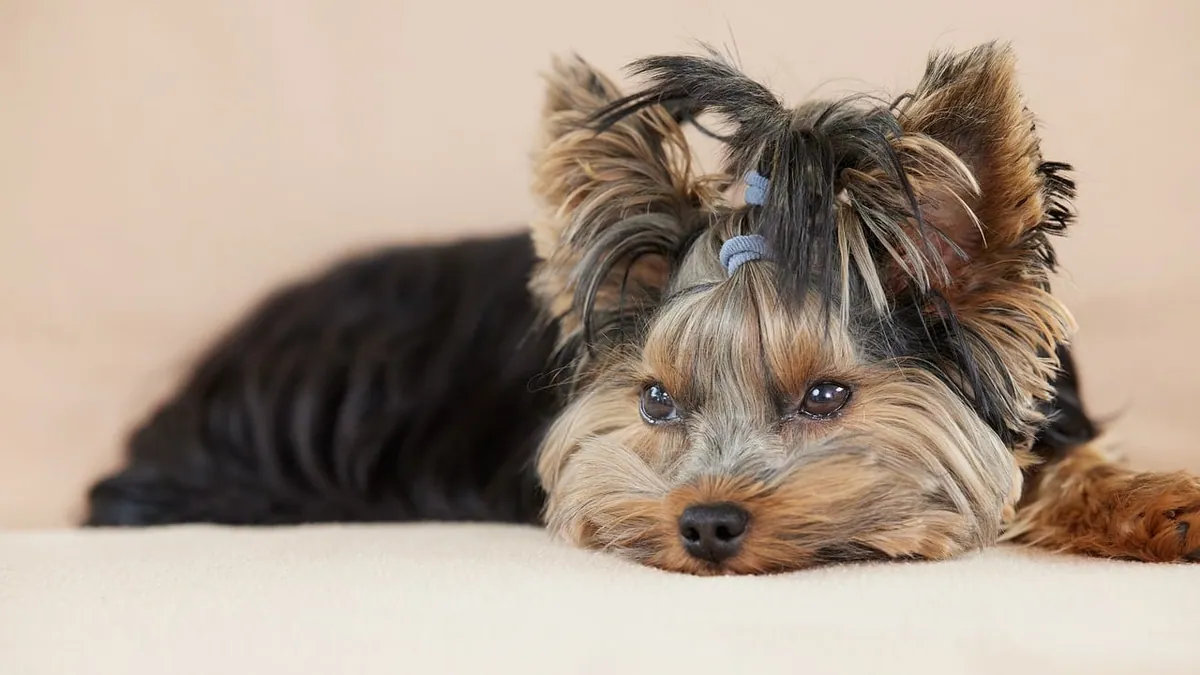
A stiff neck in dogs is usually a sign of pain in the cervical spine or the muscles around it, and the safest home measures are strict rest, a padded flat bed, and no collar pulling until you know the cause. Stiff neck in dogs treatment at home can help mild muscle strain, but it cannot fix a slipped disc, meningitis, or a spinal cord injury, so the pattern of signs matters more than the severity of the stiffness. This article is educational and is not a substitute for veterinary diagnosis or treatment.
Quick Answer
- Restrict activity completely for 24 to 48 hours. No walks beyond a quick leashed bathroom break, no jumping on furniture, no stairs, no tug games.
- Switch from a collar to a harness or a sling for bathroom trips so nothing pulls on the neck.
- Offer a flat, padded bed at floor level and keep food and water bowls raised slightly so your dog does not have to reach down.
- Do not give human pain relievers. Ibuprofen, naproxen, acetaminophen, and aspirin can cause serious harm to dogs, and your veterinarian will calculate any safe dose from your dog's weight and health.
- Call your vet the same day if the stiffness came on suddenly, if your dog cries out or vocalizes without being touched, or if you see wobbling, dragging, or a head tilt.
What a Stiff Neck Looks Like in Dogs
A dog with neck pain often holds the head low and level, or tilts it slightly to one side. Your dog may refuse to look up at you, may stand with the neck rigid, and may resist turning the head to take a treat. Some dogs stand with the front legs braced and the elbows out.
Other common signs include yelping when the collar is touched, reluctance to go down stairs, trouble lowering the head to eat or drink, and a stiffer, choppier gait in the front legs. Spontaneous vocalization, meaning crying or yelping without an obvious trigger, is a recognized presenting sign in dogs with cervical disease. In one review of 115 dogs presented for spontaneous vocalization, cervical myelopathy was the most common finding, and intervertebral disc extrusion was the single most frequent diagnosis [1].
Some of this can be normal. A dog who slept in a cold draft or played hard at the park may be a little sore for a day. What separates ordinary soreness from something serious is how fast it started, whether it is getting worse, and whether there are any neurologic signs such as wobbling, weakness, or loss of balance.
Main Causes of Neck Pain in Dogs
Neck pain in dogs has many causes, and they range from mild to life threatening. The table below groups the most common ones by the clues owners tend to notice.
| Cause | Typical clues | How urgent |
|---|---|---|
| Muscle strain or soft tissue injury | Sudden onset after rough play, jumping, or a collar jerk. Dog is otherwise bright and walking normally. Improves with rest. | Routine visit if not better in 24 to 48 hours |
| Intervertebral disc extrusion (slipped disc) | Sudden severe neck pain, yelping, rigid neck, sometimes weakness or wobbling in the front or back legs. | Same day, emergency if legs are weak |
| Hydrated nucleus pulposus extrusion (HNPE) | Acute neck pain and wobbliness, often in older, smaller dogs. | Emergency |
| Steroid-responsive meningitis arteritis (SRMA) | Young dog, high fever, severe neck pain, reluctance to move, sometimes vomiting. | Emergency |
| Meningitis or myelitis of unknown origin | Neck pain with fever, lethargy, or neurologic deficits. | Emergency |
| Cervical spondylomyelopathy (wobbler syndrome) | Slowly progressive wobbliness and neck pain, often in large breeds. | Same day to routine, depending on severity |
| Cancer or a mass in the spine | Gradual pain that does not respond to rest, weight loss, sometimes a single limb problem. | Same day |
| Tick-borne or other infection | Fever, joint pain, lethargy, sometimes a history of ticks. | Same day |
| Neck injury or fracture | Pain after a fall, car accident, or collision. | Emergency |
Disc disease is the diagnosis owners hear about most, and it is common for good reason. In the vocalization review, intervertebral disc extrusion accounted for 41 of 115 dogs, with disc protrusion in 7 more [1]. Steroid-responsive meningitis arteritis appeared in 7 dogs and meningoencephalitis or myelitis of unknown origin in 6 [1].
Breed and body type change the odds. A 2025 study of 377 dogs with cervical myelopathy found that dogs with hydrated nucleus pulposus extrusion were more likely to be older and of lower weight than dogs with other cervical myelopathies, with a median age of 10 years versus 8 years [2]. Non-chondrodystrophic breeds, meaning dogs without the short-legged, long-backed build, can also develop cervical pain from a range of spinal lesions, and how strongly that pain shows up depends partly on how quickly the problem started [3].
Red Flags That Mean Emergency, Not Home Care
Some signs mean you should stop reading about home care and call an emergency clinic now.
- Weakness or paralysis in any leg, especially if it is getting worse over hours.
- Wobbling, crossing the legs, or dragging the paws.
- Loss of balance or a head tilt that came on with the neck pain. A head tilt has its own list of causes and urgency, which you can read about in Dog Head Tilt: Causes and When to See a Vet.
- Crying out or screaming when moved, or vocalizing at rest.
- A fever, which you may notice as a hot body, shivering, or lethargy.
- Trouble breathing, which can happen with severe pain or with a mass pressing on the airway.
- Pain after trauma such as a fall, a car accident, or a hard collision.
- Inability to urinate or defecate normally.
- Neck pain in a young dog with a high fever and a stiff, unwilling posture, which raises concern for meningitis.
Any of these findings means the problem may involve the spinal cord or the membranes around it, not just muscle. Delay can allow damage to progress.
Safe Things You Can Do at Home While You Wait
Home care for a stiff neck is mostly about removing strain and buying time for a veterinary exam. It is not a substitute for diagnosis.
Restrict movement strictly
Confine your dog to a small area, a crate or a pen, with soft bedding. Keep the room quiet. Take your dog out only for short, leashed bathroom breaks, and keep those trips to a few minutes. Avoid stairs, furniture, car rides that are not necessary, and any play with other pets or children.
Change how you handle the leash and collar
Use a harness that sits across the chest, or loop a towel or sling under the belly for support. A collar puts direct pressure on the cervical spine every time your dog pulls or you correct. If your dog must wear identification, use a flat tag collar that stays loose and attach the leash to the harness.
Set up a comfortable resting spot
Offer a flat, padded bed at floor level. A thick orthopedic bed works well. Avoid beds your dog has to climb into or jump onto. Raise food and water bowls a few inches so your dog does not have to lower the head to eat, and hand feed small amounts if reaching down is painful.
Apply gentle warmth, not ice, unless your vet says otherwise
A warm compress over the neck muscles for a few minutes can ease muscle spasm in a dog with a simple strain. Keep it comfortably warm, never hot, and stop if your dog pulls away. Do not massage deeply or manipulate the neck. If a disc or spinal cord problem is present, twisting or stretching the neck can make it worse.
Do not give human medications
Never give your dog ibuprofen, naproxen, acetaminophen, or aspirin. These drugs can cause stomach ulcers, kidney injury, or liver damage in dogs. Your veterinarian will choose a safe pain medication and calculate the dose from your dog's weight and health.
Watch for changes and write them down
Note when the stiffness started, whether it is better or worse than yesterday, whether your dog is eating and drinking, and whether any new sign appeared. This timeline helps your vet decide how urgently to see your dog. If your dog starts vomiting along with the neck pain, that combination deserves a call, and you can read more about that sign in Dog Vomiting: When to Call the Vet and What to Do at Home.
What Your Veterinarian Will Check and Test
Your vet will start with a hands-on exam. They will watch your dog walk, check the gait in all four limbs, and feel along the neck to find where it hurts. They will also test limb strength and reflexes, because neck pain with normal legs points in a different direction than neck pain with weak legs.
Muscle tone is part of that exam. A 2026 study of 100 dogs found that agreement between two examiners using a canine muscle tone scale was good overall, but agreement was lower in dogs with cervical lesions than in dogs with thoracolumbar lesions [4]. In plain terms, neck problems can be harder to pin down by feel alone, which is one reason imaging is often needed.
Depending on what your vet finds, the next steps may include:
- Blood work and a fever check, especially in a young dog with severe pain, to look for meningitis or infection.
- X-rays of the neck, which can show some bone and disc changes but cannot show the spinal cord.
- Magnetic resonance imaging (MRI), which is the test that identifies disc extrusion, hydrated nucleus pulposus extrusion, spinal cord swelling, and masses. In one study of 377 dogs, MRI was the tool used to sort cervical myelopathy cases into disc extrusion, hydrated nucleus pulposus extrusion, fibrocartilaginous embolic myelopathy, cervical spondylomyelopathy, and cancer [2].
- A spinal tap if meningitis is suspected.
Treatment depends on the cause. Mild muscle strain usually needs rest and pain control. Disc disease may need medication, strict rest, or surgery. Meningitis needs specific medical treatment. Some dogs with refractory neck pain from unusual causes, such as an enlarged vertebral venous plexus, have been managed with ultrasound-guided perineural corticosteroid injections after medication and physiotherapy failed [5]. For disc-associated cervical spondylomyelopathy, surgery is an option, and a 2022 study comparing two surgical techniques found that most dogs improved or stayed stable at one year, though deterioration was more common with one of the two techniques [6]. Your vet will match the plan to your dog's specific diagnosis.
Preventing and Monitoring Neck Problems
You cannot prevent every cause of neck pain, but you can lower the strain on your dog's neck.
- Walk on a harness instead of a collar, especially for dogs who pull.
- Keep your dog at a healthy weight. Extra body weight adds load to the spine.
- Use ramps or steps for cars and couches if your dog is older or has a long back.
- Avoid rough tug games and sudden jerking on the leash.
- Warm up before hard activity and keep hard play sessions shorter.
- Ask your vet about joint and spine checkups as your dog ages, since older and smaller dogs are overrepresented in some cervical disc conditions [2].
After a neck pain episode, monitor for a return of the same signs. If the stiffness comes back, gets worse, or comes with any new weakness, that is a reason to call your vet again. A dog who is limping on a front leg along with neck pain may have a nerve root problem, and that pattern is covered in Dog Limping: When to See a Vet and When to Wait.
Limitations and When to Contact a Veterinarian
Home care has real limits. Rest and a harness can help a simple strain, but they cannot diagnose or treat a disc, an infection, or a spinal cord injury. Only a veterinarian can examine your dog, order imaging, and prescribe safe medication.
Call an emergency clinic now if your dog has weakness or paralysis, cannot stand, is crying out uncontrollably, has trouble breathing, or has neck pain after trauma.
Call your veterinarian the same day if the stiffness started suddenly, if your dog is vocalizing at rest, if there is a fever or lethargy, if your dog will not eat or drink, or if the pain is not improving after 24 to 48 hours of strict rest.
Schedule a routine visit if the stiffness is mild, your dog is walking and eating normally, and the signs are slowly improving with rest.
Every dog is different, and individual cases need a veterinarian who can examine your pet in person.
Frequently Asked Questions
Can I give my dog anything for neck pain at home?
No over-the-counter human pain medicine is safe to give without veterinary direction. Drugs like ibuprofen, naproxen, acetaminophen, and aspirin can harm dogs. Your veterinarian will pick a dog-safe pain medication and calculate the dose based on your dog's weight and health.
How long does a stiff neck in dogs usually last?
It depends entirely on the cause. A simple muscle strain often improves within a few days of strict rest, while disc disease, meningitis, and spinal conditions need specific treatment and can take weeks or longer to settle. If your dog is not clearly better after 24 to 48 hours of rest, call your vet.
Should I use heat or ice on my dog's neck?
A gentle warm compress can soothe muscle spasm in a simple strain, and many owners find it helps. Avoid deep massage, stretching, or forceful neck movement, because those can worsen a disc or spinal cord problem. Ask your vet which is best for your dog's specific situation.
Is a stiff neck in dogs ever an emergency?
Yes. Neck pain with weakness, wobbling, dragging paws, loss of balance, uncontrolled crying, fever, or trouble breathing is an emergency. These signs suggest the spinal cord or the membranes around it may be involved, and waiting can allow damage to progress.
Can a slipped disc in the neck heal without surgery?
Some dogs with cervical disc disease improve with strict rest and medication, and others need surgery. The decision depends on the severity of the neurologic signs, how well your dog responds to medical treatment, and what imaging shows. Your veterinarian will guide that choice after examining and testing your dog.
Related Articles
- Dog Ear Infection: Signs, Home Care, and When to See the Vet
- Dog Head Tilt: Causes and When to See a Vet
- Dog Vomiting: When to Call the Vet and What to Do at Home
- Dog Limping: When to See a Vet and When to Wait
- Dog Coughing: When to Call the Vet and Home Care Tips
- Dog Shaking Head and Scratching Ears: When to See the Vet
- Neck Pain in Dogs: How to Treat It and When to See a Vet
- What Causes a Stiff Neck in Dogs and Puppies?
- Neck and Back Pain in Dogs: Symptoms, Causes, and Treatment
References
- Spontaneous vocalisation as a presenting clinical sign in dogs: An association with cervical localisation and intervertebral disc disease. The Veterinary record, 2026.
- Clinical characteristics associated with cervical hydrated nucleus pulposus extrusion in dogs. Journal of veterinary internal medicine, 2025.
- Cervical Pain in Non-Chondrodystrophic Dogs: Associations with Clinical Onset, Neurological Group and Disease Category. Animals : an open access journal from MDPI, 2026.
- Inter-rater agreement of the canine modified Ashworth scale for assessment of limb tone in dogs presenting with acute myelopathic signs. The Veterinary record, 2026.
- Use of ultrasound-guided percutaneous perineural corticosteroid injections for refractory cervical pain secondary to vertebral venous system abnormality in a dog. Journal of veterinary internal medicine, 2026.
- Comparison of Two Surgical Techniques for the Treatment of Canine Disc Associated-Cervical Spondylomyelopathy. Frontiers in veterinary science, 2022.