Back Pain in Dogs: Causes, Signs and When to See a Vet
By Dr. Zubair Khalid, DVM, MS, PhD ·
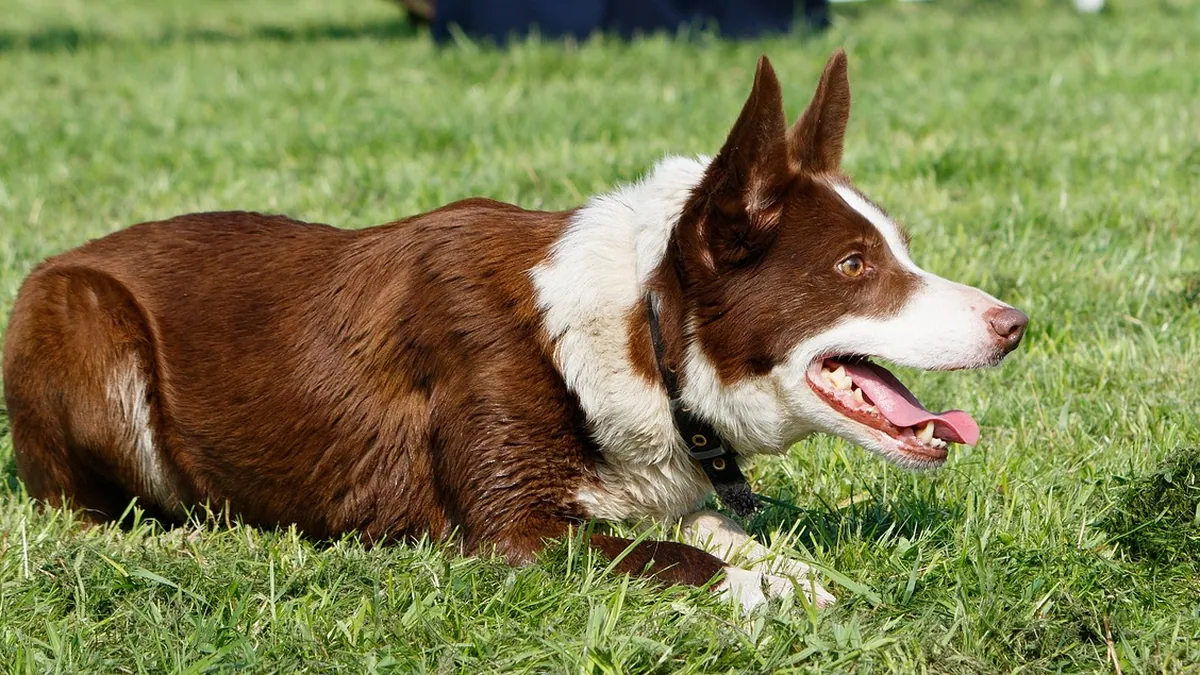
Back pain in dogs causes everything from a mild muscle pull to a ruptured spinal disc, and the two can look alike at home. Dogs often hide or mask discomfort, so the first clue is usually a change in how your dog moves, stands, or behaves [1]. Knowing which signs mean "rest and watch" and which mean "go now" can protect your dog's spine and nerves.
This article is educational and is not a substitute for veterinary diagnosis or treatment.
Quick Answer
- A dog with back pain may arch the spine, tuck the belly, stiffen the hind legs, cry out, or refuse to jump, climb stairs, or go up steps.
- Sudden back pain in dogs is often linked to a slipped or herniated disc, especially in breeds with short legs and long backs.
- Lower back pain in dogs can also show up as back leg pain, weakness, or a wobbly walk.
- Never give human pain medicine. Common over-the-counter drugs can make pets very sick or even cause death [2].
- Call your vet the same day for any new back pain, and treat dragging legs, loss of bladder control, or sudden collapse as an emergency.
What Back Pain Looks Like in Dogs
Dogs feel pain when they are hurt or sick, but they do not show it the way people do [2]. Some dogs cry or whimper, while others go quiet and still [1]. Because dogs are predators by nature, many will try to hide discomfort until it becomes hard to ignore [1].
Common signs of back pain
Watch for a combination of these changes:
- An arched or hunched back, sometimes called a "roached" spine
- A tucked abdomen that looks like a tense belly
- Stiffness when getting up, especially after rest
- Reluctance to jump onto the couch, into the car, or up stairs
- Yelping when picked up, petted along the spine, or handled around the hips
- A low head carriage or a stiff neck
- Shifting weight off one or both back legs
- Pacing, restlessness, or trouble getting comfortable
- Changes in appetite or a sudden drop in activity
What is normal and what is not
It is normal for a dog to be a little stiff after a long hike or a hard day of play, and that usually eases within a day or two. It is not normal for a dog to cry when you touch the back, to drag the back feet, to wobble when walking, or to lose control of the bladder or bowels. Those signs point to nerve involvement and need urgent care.
Vital signs like heart rate and breathing can change with pain, but they can also change with stress, fear, or other medical problems [1]. A dog with chronic back pain may have completely normal vital signs, so a normal-looking exam at home does not rule out pain [1].
Back Pain in Dogs Causes
The list of possible causes is long, and several of them produce nearly identical signs. A veterinarian sorts them out with a hands-on exam and, when needed, imaging.
| Cause | Typical clues | How urgent |
|---|---|---|
| Intervertebral disc disease (slipped disc) | Sudden yelping, arched back, wobbling, weakness in the back legs, often in Dachshunds, French Bulldogs, and similar breeds | Urgent, same day |
| Muscle strain or sprain | Stiffness after activity, pain when rising, no weakness or wobble | Same day call, often rest and medication |
| Lumbosacral stenosis (lower back narrowing) | Lower back pain, pain near the tail base, hind limb lameness, trouble rising | Urgent, needs imaging |
| Arthritis of the spine | Slow onset, stiffness that worsens with cold or inactivity | Routine visit |
| Trauma (fall, car accident, rough play) | Known injury, sudden pain, reluctance to move | Emergency |
| Infection or inflammation of the spine | Fever, pain, sometimes neck stiffness, may come on quickly | Urgent |
| Cancer of the spine or surrounding tissue | Gradual pain that does not respond to rest, sometimes weight loss | Urgent |
Intervertebral disc disease
Intervertebral disc disease is the most common spinal problem in dogs [3]. The disc between two vertebrae degenerates, and material can bulge or burst into the spinal canal, pressing on the spinal cord or nerve roots [3]. This is a leading cause of low back pain in both people and dogs, and the two conditions share many features [4].
Disc disease can affect the neck (cervical) or the mid to lower back (thoracolumbar). Dogs with cervical disc disease may hold the neck stiffly, cry out for no clear reason, or refuse to lower the head to eat and drink. In one review of dogs brought in for spontaneous vocalization, cervical myelopathy was the most common finding, and intervertebral disc extrusion was the single most frequent diagnosis [5]. That means a dog who suddenly cries out may have a neck problem, not a behavior problem.
Thoracolumbar disc extrusions tend to cause more inflammation than cervical ones, which may explain why some dogs with back disc problems seem more painful [3].
Muscle strain and soft tissue injury
A pulled muscle or a strained ligament in the back or hindquarters can cause real pain without any nerve damage. These dogs are often sore to the touch, stiff after rest, and unwilling to jump, but they can still walk and place their feet normally. Most improve with rest and veterinary-prescribed pain relief.
Lower back pain and lumbosacral disease
The lumbosacral joint sits where the spine meets the pelvis. Narrowing of the openings where nerves exit, disc herniation, and thickened ligaments can all pinch the nerves there [6]. This is a recognized cause of pain in dogs and often involves disc herniation and foraminal narrowing with nerve root irritation [6]. Signs include lower back pain, pain near the tail, hind limb weakness, and trouble rising from a sit.
One case report described a dog with more than six months of slowly worsening hind limb weakness, a limp tail, and spinal pain that did not fully respond to medical management [7]. Imaging showed severe compression of the cauda equina, the bundle of nerves at the end of the spinal cord [7]. This shows why long-standing lower back pain deserves a full workup, not just repeated rest.
Back leg pain that starts in the spine
Owners often describe back leg pain in dogs when the real problem is in the spine. A pinched nerve in the lower back can send pain, weakness, or numbness down one or both hind legs. If your dog is limping on a back leg, it can be hard to tell whether the problem is the leg itself or the spine. Our guide to Dog Limping on a Back Leg: When to See a Vet and When to Rest walks through that decision.
Other causes worth knowing
Arthritis in the spinal joints causes gradual stiffness that many owners mistake for normal aging. If your dog is slowing down, our article on Signs Of Arthritis Pain In Dogs covers the early clues.
Less common causes include spinal infections, inflammatory conditions, and tumors. Sometimes back pain shows up in surprising ways. One report described a young dog with urinary incontinence that did not respond to standard medication. A sports medicine and rehabilitation specialist diagnosed lower back pain and treated it with manual therapy, acupuncture, and photobiomodulation. The dog became continent within two days of treatment [8]. That case is unusual, but it shows that the spine can affect organs far from the back.
Red Flags That Mean an Emergency
Some signs mean the spinal cord or nerves are under active threat. Do not wait to see if they improve.
- Loss of bladder or bowel control
- Dragging one or both back paws
- Sudden inability to stand or walk
- Knuckling over on the top of the paw
- Crying out and then going completely still
- Pain that started after a fall, car accident, or hard impact
- Rapid worsening over hours
These signs can mean a disc is pressing hard on the spinal cord. In dogs, faster treatment generally means a better chance of full recovery. Call your veterinarian or an emergency clinic right away.
What You Can Do at Home While You Wait
Your job at home is to keep your dog still and comfortable until a veterinarian sees them.
- Confine your dog to a crate or a small, padded area. Limit walking to short leash trips outside to urinate and defecate.
- Carry small dogs up and down stairs, and support the belly and hindquarters with a towel sling for larger dogs.
- Keep the floor clear of toys and clutter so your dog cannot slip or trip.
- Use a harness instead of a neck collar for walks. Pulling on the neck can worsen cervical pain.
- Offer water and small meals. If your dog will not eat or drink, call your vet.
- Do not give any human pain medicine. Even nonprescription human medicines can make pets very sick or cause death [2]. Always check with your veterinarian before giving any medicine or supplement [2].
Rest alone is not a treatment plan for back pain. Pain has a purpose: it warns the body that something is wrong and helps prevent further damage [2]. Blocking that signal with the wrong drug, or ignoring it, can let an injury get worse.
What Your Veterinarian Will Check
Your vet will start with a full history. Tell them when the signs started, what your dog was doing before, whether the pain came on suddenly or slowly, and whether you have seen any weakness or wobbling.
The physical and neurologic exam
The exam usually includes:
- Watching your dog walk, turn, and rise from a down position
- Feeling along the spine for areas of heat, swelling, or flinching
- Testing paw placement and reflexes in all four legs
- Checking for pain at the tail base and hips
- Checking anal tone and bladder function
Veterinarians use vital signs, behavior changes, pain scales, and the animal's history to assess pain [1]. Some clinicians are more likely to find back pain when they examine individual vertebral motion segments or feel for muscle trigger points, which is why a focused exam matters [9]. If your dog is very painful or anxious, your vet may give pain medicine and watch for improvement, since pain signs can be hard to see [10].
Imaging and testing
Depending on the findings, your vet may recommend:
- X-rays to look at the bones and disc spaces
- Advanced imaging such as MRI or CT to see the spinal cord and nerves
- Blood work to check overall health before anesthesia or medication
- A referral to a neurologist or a sports medicine and rehabilitation specialist
For chronic lower back pain, some specialists use targeted injections around the nerves. A study of dogs with long-term lumbosacral pain found that a single procedure combining foraminal and epidural injections, with or without pulsed radiofrequency, produced measurable improvement in clinician and caregiver scores [6]. This is a specialty option, not a first-line home treatment.
Treatment options
Treatment depends on the cause and how much nerve function is affected. Options include:
- Strict rest and activity restriction
- Veterinary-prescribed pain relievers and anti-inflammatories
- Muscle relaxants or anti-anxiety medication, since animals in pain can also feel anxious [10]
- Physical rehabilitation, acupuncture, or manual therapy
- Surgery for severe or worsening spinal cord compression
Pain from injury or disease is usually treated with one or more pain-relieving drugs, and the choice depends on how bad the pain is, your dog's overall health, and which drugs work best for dogs [10]. For serious injuries, vets often combine different types of pain-relieving drugs [10]. Your veterinarian will calculate the dose from your dog's weight and health. Never adjust or share medication between pets.
Good pain relief helps animals rest [10]. After treatment, your dog may sleep more, but should still be easy to wake. If you cannot wake your dog or they seem too sleepy, call your vet [10].
Preventing and Monitoring Back Problems
You cannot prevent every spinal problem, but you can lower the odds and catch trouble early.
- Keep your dog at a healthy weight. Extra pounds load the spine and worsen arthritis.
- Use a harness for walks and support the hindquarters when your dog jumps down from the car.
- Limit repetitive high-impact jumping, especially for disc-prone breeds.
- Keep nails trimmed so your dog has steady footing on smooth floors.
- Add rugs or mats to slippery areas.
- Watch for small changes. A dog who hesitates at the stairs today may be in real pain tomorrow.
- Schedule routine exams for older dogs or dogs with a history of disc disease.
If your dog has other ongoing issues, such as constipation from pain medication or reduced activity, our guide to Dog Constipation: Signs, Home Remedies, and When to See a Vet can help you sort out what is normal.
Limitations and When to Contact a Veterinarian
This article cannot tell you what is causing your dog's pain. Only a veterinarian who examines your dog can do that. Individual cases need a veterinarian, and the timing matters as much as the treatment.
Emergency now: loss of bladder or bowel control, dragging paws, sudden inability to walk, knuckling of the paws, or back pain that started after trauma.
Same day: new crying or yelping, an arched back, refusal to jump or climb stairs, or hind limb weakness that is getting worse.
Routine visit: mild stiffness that has lasted more than a few days, slow changes in activity, or a dog who seems sore after exercise but is otherwise normal.
When in doubt, call. A short phone conversation can help you decide whether to come in now or monitor at home.
Frequently Asked Questions
How can I tell if my dog is in back pain?
Look for changes in movement and behavior, not just crying. An arched back, a tucked belly, stiffness when rising, reluctance to jump, and yelping when touched are common clues. Dogs often hide pain, so any new hesitation or slowdown is worth a call to your vet.
Can back pain in dogs go away on its own?
Mild muscle strain may ease with rest, but disc disease and nerve compression usually get worse without treatment. Because the early signs look so similar, it is safer to have your dog checked than to wait and see. Waiting can allow nerve damage to progress.
Is it safe to give my dog ibuprofen or acetaminophen for back pain?
No. Even human medicines that do not need a prescription can make pets very sick or even cause death. Always check with your veterinarian before giving your pet any medicine or supplement. Your vet can prescribe a pain reliever that is safe and dosed for your dog's weight.
Why is my dog crying out for no reason?
Sudden vocalization often points to neck or spinal pain instead of a behavior problem. In one review, cervical myelopathy was the most common finding in dogs brought in for spontaneous vocalization, and disc extrusion was the top diagnosis. A veterinary exam can locate the source.
When should I see a vet for sudden back pain in my dog?
Call the same day for any sudden back pain, even if your dog can still walk. Go to an emergency clinic right away if you see dragging paws, loss of bladder or bowel control, or an inability to stand. Fast treatment gives the best chance of a full recovery.
Related Articles
- Dog Skin Rash on Back: Causes and When to See a Vet
- Dog Limping on a Back Leg: When to See a Vet and When to Rest
- Signs Of Arthritis Pain In Dogs
- Dog Constipation: Signs, Home Remedies, and When to See a Vet
- Dog Limping: When to See a Vet and When to Wait
- Dog Constipation: When to See a Vet
- Neck and Back Pain in Dogs: Symptoms, Causes, and Treatment
- Neck Pain in Dogs: How to Treat It and When to See a Vet
- Lower Back Pain in Dogs: Treatment and Pain Relief
References
- Recognizing and Assessing Pain in Animals - Special Pet Topics. Merck Veterinary Manual.
- Pain and Pain Management in Pets - Special Pet Topics. Merck Veterinary Manual.
- Degree of Inflammation in Surgically Obtained Intervertebral Disc Extrusions in a Population of 74 Dogs. Veterinary sciences, 2026.
- Chondrodystrophic Dogs as a Preclinical Large Animal Model of Discogenic Back Pain. JOR spine, 2025.
- Spontaneous vocalisation as a presenting clinical sign in dogs: An association with cervical localisation and intervertebral disc disease. The Veterinary record, 2026.
- Interventional pain management in dogs with lumbosacral stenosis: preliminary long-term clinical outcomes of combined foraminal and epidural injections with or without pulsed radiofrequency. Frontiers in veterinary science, 2025.
- Marked Cauda Equina Compression Secondary to Intervertebral Disc Protrusion Resulting in Severe Chronic Neuritis and Neural Fibrosis in a Dog. Case reports in veterinary medicine, 2026.
- Treatment of lower back pain to resolve symptoms of canine urethral sphincter mechanism incontinence. Open veterinary journal, 2025.
- Factors affecting veterinary perception of the prevalence of back pain and dysfunction in dogs and horses. Frontiers in veterinary science, 2026.
- Pain Treatment in Animals - Special Pet Topics. Merck Veterinary Manual.