Knuckling in Dogs' Front Paws and Legs: What It Means
By Dr. Zubair Khalid, DVM, MS, PhD ·
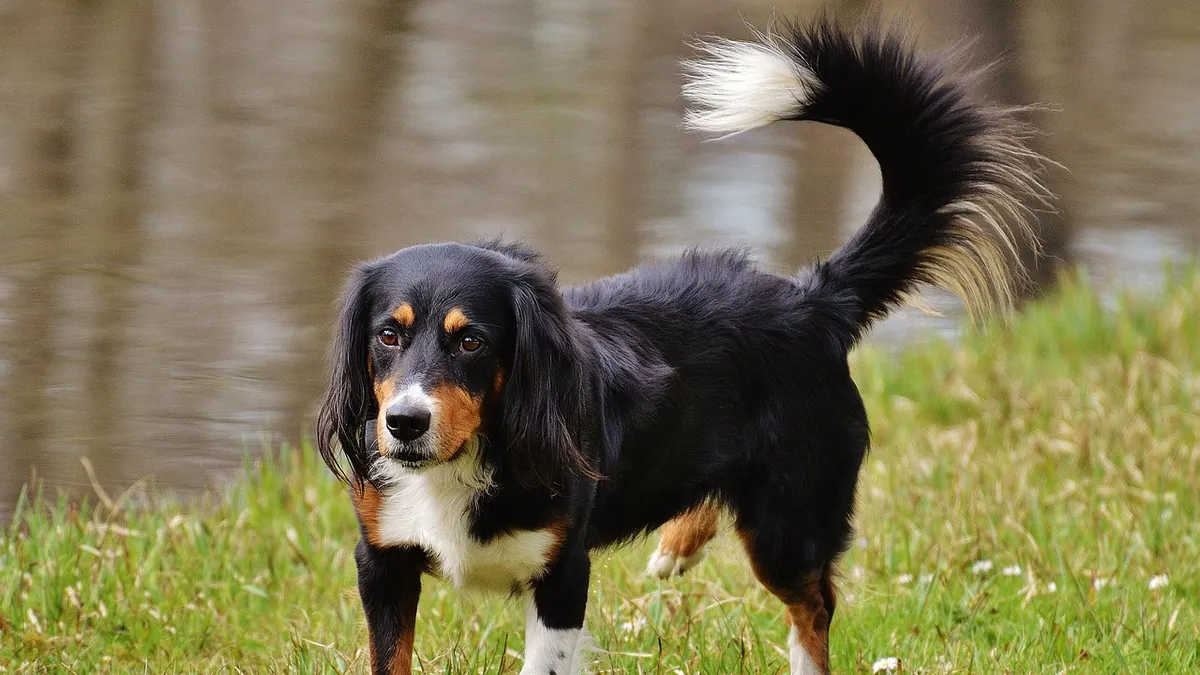
Knuckling in dogs' front paws means the paw rolls or curls under so your dog stands or walks on the top of the foot instead of the pads. It is not a disease itself. It is a sign that the brain, spinal cord, nerves, or a joint is not sending or receiving the right signals to place the paw correctly. This article is educational and is not a substitute for veterinary diagnosis or treatment.
Quick Answer
- Front-paw knuckling usually points to a nerve, spinal cord, or neck problem more often than a simple paw injury.
- A dog that flips the paw over and cannot right it within a second or two has a proprioception problem, which means the brain is not getting normal position feedback from the limb.
- Film a short video of your dog walking on a hard floor before your vet visit. Gait is hard to reproduce in the exam room.
- Do not wait weeks to "see if it improves." Sudden knuckling, knuckling with neck pain, or knuckling in more than one limb needs same-day veterinary care.
- Keep your dog on non-slip flooring and block stairs until your veterinarian examines the limb.
What Knuckling Looks Like and What Is Normal
Knuckling is easy to miss at first. You may notice a toenail scraping sound on the floor. Or you may see the top of the paw resting flat while your dog stands. Some owners describe it as the paw "flipping" or "curling under."
The medical term for the underlying problem is proprioception loss. Proprioception is the body's sense of where a limb is in space. When it fails in a front leg, the dog does not automatically know the paw is upside down.
Here is a simple at-home check. While your dog stands still, gently turn one front paw over so the top touches the floor. A normal dog rights the paw almost instantly. A dog with proprioception loss leaves it knuckled or fixes it slowly. Do this on a soft surface and stay beside your dog so it does not fall.
Normal front-limb movement looks smooth and even. The elbow and wrist flex and extend in a steady rhythm. If your dog is limping for another reason, such as a soft tissue injury, you may see a head bob or a shortened stride instead. Those are different signs and often have different causes. For a broader look at front-limb limping, see Dog Limping On His Front Leg.
Front-limb lameness is genuinely hard to sort out because orthopedic, neurologic, infectious, inflammatory, vascular, and neoplastic disorders can all produce overlapping signs [1]. That overlap is exactly why an exam matters more than a guess.
Causes of Knuckling in Dogs' Front Legs
The cause list for front-limb knuckling is different from the hind-limb list. Front legs are wired through the cervical spine (the neck) and the brachial plexus, a bundle of nerves near the shoulder. Problems there often show up as paw knuckling first.
Nerve and Spinal Cord Causes
A pinched or compressed nerve root in the neck can weaken the front limb and blunt sensation. So can a disc problem, a spinal cord bruise, or inflammation in the spinal cord.
Spinal peripheral nerve sheath tumors are a specific concern. These tumors commonly cause chronic pain, lameness, and paresis in dogs, and they tend to resist medical management [2]. They are uncommon, but they are one reason a front-leg lameness that does not improve needs imaging.
Joint and Bone Causes
Joint disease can also change how a dog places a paw. Joint disorders may be congenital, or they may result from injury, degeneration, abnormal development, immune-related conditions, cancers, or infections [3]. Painful joints make a dog shift weight and change stride.
Arthritis is the most common joint cause of altered gait in older dogs. In a survey of veterinarians managing canine osteoarthritis, NSAIDs were the most prescribed drug class, and gabapentin, bedinvetmab, and polysulfated glycosaminoglycan were the most prescribed non-NSAID medications [4]. That tells you how central pain control is to managing joint disease.
Other Causes
Less common causes include tick-borne infection, immune-mediated joint disease, and cancer in the bone or soft tissue. Septic arthritis, which is infection inside a joint, causes lameness, swelling, pain, fever, listlessness, loss of appetite, and stiffness [3]. Immune-mediated joint disease causes lameness, pain, and swelling in multiple joints, plus fever, generalized illness, and loss of appetite, and these signs commonly come and go [3].
Cause Table
| Cause | Typical clues | How urgent |
|---|---|---|
| Cervical disc or nerve root problem | Neck pain, low head carriage, one front leg weak, worse after jumping | Same day |
| Spinal cord disease or tumor | Slow onset, progressive weakness, pain that does not respond to medication [2] | Within days, sooner if worsening |
| Brachial plexus or nerve injury | Sudden after trauma or a fall, limb drags, sensation reduced | Emergency if sudden |
| Osteoarthritis | Older dog, stiffness after rest, both sides often affected [4] | Routine visit |
| Septic arthritis | Hot swollen joint, fever, off food, lame [3] | Same day |
| Immune-mediated joint disease | Multiple joints, waxing and waning signs, fever [3] | Same day to next day |
| Paw or nail injury | Visible wound, swelling, licking, one toe painful | Same day if open wound |
| Tick-borne or other infection | Fever, lethargy, shifting leg lameness | Same day |
Red Flags That Make It an Emergency
Call an emergency clinic now if any of these apply.
- Knuckling started suddenly, within hours.
- Your dog cannot stand or walk at all.
- More than one limb is affected.
- Your dog cries out, guards the neck, or cannot lift the head normally.
- Breathing looks labored or the belly moves hard with each breath.
- There is a visible wound, bleeding, or an obviously broken bone.
- Your dog is dragging the limb and scraping the top of the paw raw.
- Your dog seems confused, wobbly in the whole body, or has a head tilt.
Sudden knuckling after a fall, a jump off furniture, or a car accident is a spinal cord emergency until proven otherwise. Minutes matter for spinal cord compression.
Safe Things You Can Do at Home While You Wait
Your job at home is to prevent injury and gather good information. Do not try to diagnose or treat the cause yourself.
- Put down yoga mats, rugs, or foam tiles over hard floors. Slipping makes weak limbs worse.
- Block stairs and prevent jumping on and off beds or couches.
- Support your dog with a towel sling under the belly for short walks to potty.
- Check the paw for cuts, foreign objects, matted hair, or a torn nail. Look between the toes.
- Do not give human pain medications. Many are toxic to dogs, and some hide signs your vet needs to see.
- Do not massage or manipulate the neck if your dog shows neck pain.
- Record a 20 to 30 second video of your dog walking toward and away from the camera on a hard floor.
- Note when the knuckling started and whether it is getting worse, better, or staying the same.
If your dog is licking or chewing at the paw, that is a different pattern and often points to a local problem. See Dog Limping And Licking Front Paw for that specific sign.
What Your Veterinarian Will Check and Test
Your vet will start with a full physical and neurologic exam. Expect them to watch your dog walk, turn, and stand. They will test paw placement, knuckle the paw over on purpose, and check reflexes in the front limbs.
They will also check the neck. Neck pain, a stiff neck, or a low head carriage points toward a cervical cause. They will compare the affected limb to the other front leg and to the hind legs.
Next comes localization. Your vet is trying to answer one question: is this orthopedic, neurologic, or something else? Front-limb lameness is a diagnostic challenge precisely because so many disease types produce overlapping signs [1].
Common next steps include:
- X-rays of the front limb, shoulder, and sometimes the neck.
- Blood work and a joint tap if infection or immune disease is suspected. Joint fluid testing can help confirm septic arthritis [3].
- Tick testing in areas where tick-borne disease is common.
- Referral for advanced imaging such as CT or MRI if a spinal or nerve cause is likely [1].
- Ultrasound or arthroscopy in complex or unresolved cases [1].
Gait assessment itself is subjective, and different observers often disagree about how lame a dog is [5]. That is why your video is useful. It gives your vet a consistent record to compare over time.
If your dog's problem is mainly a front-leg limp without the paw flipping over, the workup may focus more on the shoulder or elbow. See Dog Limping Front Right Paw and Why My Dog Limping Front Leg for those patterns.
Describing the Sign Accurately
Vets use specific words for gait problems, and those words do not always mean the same thing to every clinician [6]. You can help by describing what you actually see instead of picking a label.
Try this script: "The top of the left front paw touches the floor when he stands. He flips it back over in about two seconds. It started three days ago. He is worse on slick floors and he yelps when I touch his neck."
That kind of description tells your vet the limb, the timing, the progression, and a possible pain source. It saves time and points the workup in the right direction.
Prevention and Monitoring
You cannot prevent every cause of front-paw knuckling. You can lower the odds and catch problems earlier.
- Keep your dog at a healthy weight. Extra pounds load the joints and spine.
- Use non-slip rugs or runners on hard floors, especially for older dogs.
- Ask your vet about joint support and pain management at each senior exam. Osteoarthritis management varies widely between practices, so ask what options fit your dog [4].
- Watch for early signs: toenail scraping, reluctance to jump, slower stairs, or a paw that drags when tired.
- Check paws weekly. Trim nails and look between the toes.
- Use tick prevention year round in risk areas.
- After any fall or spinal injury, restrict activity as directed and keep follow-up appointments.
Track changes in a simple notebook or phone note. Date, what you saw, and how long it lasted. Patterns over weeks are often more useful than a single snapshot.
Limitations and When to Contact a Veterinarian
This article cannot tell you what is causing your dog's knuckling. Only an in-person examination, and sometimes imaging, can do that. Individual cases need a veterinarian.
Contact your veterinarian the same day if knuckling is new, if it affects one front leg and is getting worse, if your dog shows neck pain or a low head carriage, or if your dog is licking or chewing the paw.
Go to an emergency clinic now if knuckling came on suddenly, if your dog cannot walk, if more than one limb is involved, if there is a wound or suspected fracture, or if your dog is distressed, crying, or breathing abnormally.
Schedule a routine visit if the change is mild, long-standing, and stable, such as an older dog with known arthritis who occasionally scrapes a toenail. Even then, do not wait months. Early diagnosis often keeps more treatment options open [1].
Frequently Asked Questions
Is knuckling in dogs' front paws always a nerve problem?
No, but nerve and spinal cord problems are common causes in the front limb. Joint disease, infection, and injury can also change how a dog places a paw. The exam and tests sort out which one you are dealing with.
Can a dog recover from front paw knuckling?
It depends entirely on the cause. Some nerve injuries improve with time and rest, while others need surgery or long-term management. Your veterinarian can give you a realistic outlook once the cause is identified.
Should I wait to see if my dog's knuckling goes away on its own?
Do not wait if it started suddenly or is getting worse. A short wait of a day or two is reasonable only for a mild, stable, long-standing change. When in doubt, call your vet and describe what you see.
Does knuckling hurt my dog?
Not always. Some dogs with proprioception loss do not seem painful at the paw itself. The underlying problem, such as a compressed nerve or an inflamed joint, often does cause pain. Watch for crying, guarding, or reluctance to move.
Can I prevent knuckling in my older dog?
You cannot prevent every cause, but you can reduce risk. Keep your dog lean, use non-slip flooring, manage arthritis pain with your vet, and report small gait changes early. Catching a problem sooner usually means more treatment choices.
Related Articles
- Dog Limping And Licking Front Paw
- Dog Limping Front Right Paw
- Dog Limping On His Front Leg
- Why My Dog Limping Front Leg
- Why's My Dog Limping On His Front Leg
- Why Is My Dog Limping On Front Leg
- Knuckling in Dogs: Causes, Meaning, and Neurological Signs
- Knuckling in Dogs' Back Legs: Causes and Treatment Options
- Bump on a Dog's Knuckle: Causes and When to See a Vet
References
- Diagnosing Thoracic Limb Lameness in Dogs. The Veterinary clinics of North America. Small animal practice, 2026.
- Canine spinal peripheral nerve sheath tumours in 18 dogs (2014-2023): surgical management and long-term outcomes. Frontiers in veterinary science, 2025.
- Other Joint Disorders in Dogs - Dog Owners. Merck Veterinary Manual.
- Variations in the management of canine osteoarthritis: a cross-sectional survey of veterinary practices. Frontiers in veterinary science, 2026.
- Determining Minimum Trial Numbers for Reliable Lameness Detection in Canine Kinematic Studies. Animals : an open access journal from MDPI, 2026.
- Establishing Operational Descriptive Definitions for Neurologic Abnormalities Identified During Gaiting in Dogs. Animals : an open access journal from MDPI, 2026.